Key Highlights
Here are the key takeaways about meal times in South Korea:
-
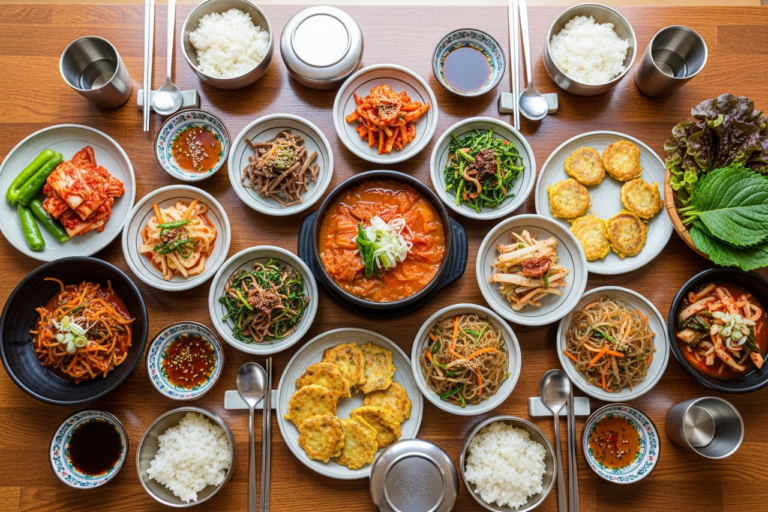
Breakfast in South Korea is not just a light bite. It can be as big as lunch or dinner. People often eat rice, soup, and a few side dishes.
-
Lunch happens between 12:00 PM and 1:00 PM. This meal is quick and easy, helping people get through the working day.
-
Dinner is important in the daily life here. People eat after 6:00 PM. It is a time to meet friends or coworkers, and there are often a few rounds of food and drinks.
-
Korean meals focus on variety. There are many side dishes, called banchan, which come with the main food.
-
Meal times can change a bit. In large cities like Seoul, they may be different from smaller or country areas.
-
To get the most out of daily life in South Korea, it helps to know these local schedules and meal times.
Introduction
Are you planning a trip to South Korea? One of the best ways to get to know a new place is by learning about the food and when people like to eat it. Meal times in South Korea may not be the same as they are in Canada. If you know the local schedules for breakfast, lunch, and dinner, you can really make your travel experience better. It will help you fit into the local way of life, and let you enjoy your time in this amazing country even more. This guide will tell you all you need to know about meal times and Korean dining schedules.
Understanding Typical Meal Times in South Korea
In South Korea, meals are a big part of daily life and local culture. People in South Korea build their day around three main meals, but the times and what people eat can be very different than what you may find in Canada. Each meal of the day has its own pace and meaning. Breakfast helps you start your day strong, while dinner is a time to relax and spend time with others.
Most people in South Korea have breakfast early, then eat a fast and simple lunch, and later, they enjoy a dinner that often lasts longer and is more social. Knowing these times of the day will help you plan where and when to eat so you get the best dining experiences. Let’s see what time people in South Korea have each meal of the day.
When Do Koreans Eat Breakfast?
Unlike in Canada where the first meal of the day is light, the usual Korean breakfast (achimsiksa) can be a full, cooked meal. People eat it around 7:00 AM to 9:00 AM. Many in Korea think the first meal should give you energy to start the day. So, the foods can seem more like lunch or dinner.
You may find rice, rice soup, and a variety of side dishes on the table in the morning. These side dishes often include kimchi and vegetables with seasoning. There could be a fried egg or a rolled omelet known as gyeran-mari as well. For many families, making a big breakfast is still a main morning habit, mostly for kids and people who go to work.
These days, some people do choose fast foods like cereal or toast. But the old-style, hardy breakfast with a variety of side dishes is still a big part of Korean life. People do not skip this main meal of the day, and they believe it helps them get ready for what comes next.
Lunchtime in South Korea: Traditions and Hours
Lunch in south korea is usually between 12:00 PM and 1:00 PM. During the working day, lunch is fast and easy. Most office workers and students go to restaurants nearby to eat a quick but good meal before going back to work or class.
A normal lunch often has a bowl of rice with a variety of side dishes on the table. People enjoy eating korean food like bibimbap, which is rice mixed with vegetables and meat. They also pick bulgogi or a big stew. In city areas, you can see many places with set menus made for those who want their lunch fast.
But lunch in south korea is still a hot meal. People use this time to get energy and talk with their friends or workers before they start afternoon work again. People care about having a balanced meal because it helps them go through the rest of the working day.
Evening Meals: Common Dinner Times Explained
Dinner in South Korea, called jeonyeok, usually happens after 6:00 PM. It is the meal of the day when families come together. Friends spend time with each other, and colleagues relax after work. Lunch is often fast, but dinner takes more time and is often bigger.
Many social times happen around dinner. People eat meals such as fried chicken or grilled pork belly (samgyeopsal). They often drink soju with their food. This is an important social time and part of the country’s vibrant nightlife. Very often, the group will go to another place after dinner for more drinks or snacks. This is known as icha, or the second round.
This habit shows how much evening meals matter in daily life and help people bond. For Canadians, it shows that dinner in south korea is not just about eating. It is about being with people and sharing moments in a relaxed way.
Cultural Significance of Meal Times for Koreans
In South Korea, meal times are not just about eating. They are an important part of the local culture and the way people live. Every meal of the day has more meaning than only giving food to people. Meal times in South Korea show how much they value community, respect, and how people come together. Korean meals are linked to how people feel and connect with each other.
When people sit down and eat together, it helps them get close. There are special times put aside to be with family, friends, or people from work. Meal times like business lunches or big group dinners are important for building strong ties with others. These moments help people work well together and feel good about each other. Now, let’s talk about some customs during a meal of the day.
Customs and Etiquette Around Eating Schedules
Knowing how people act around meal times is important if you want things to go well in South Korea. People in South Korea care a lot about being on time. If you come late for a meal, it can be seen as a sign of disrespect. This is even more important when you are in a business or formal meeting. When eating in a group, there are a few unwritten rules that you should follow to show respect to others.
One big rule in Korean dining etiquette is to wait until the oldest person at the table starts eating before you do. This shows respect to your elders. When food is shared, take some from the main dishes and put it on your own plate. Here are a few key things to remember about eating etiquette in South Korea:
-
Wait for elders to begin eating.
-
Do not put your chopsticks upright in your rice bowl. This looks like a ritual for people who have passed away.
-
Try to keep up with the speed your group eats at.
If you follow these simple rules, you will show that you care about the local culture and people. Your Korean hosts will notice and appreciate this. It can help you relax and really enjoy the local food and meal times in South Korea.
Special Rules for Family Versus Business Meals
The way people eat and follow rules at meal times is quite different between a relaxed family dinner and a formal business meal in South Korea. Both are an important part of culture, but business meals have their own set of standards. This is because of the long working hours and focus on work culture in the country.
At a business meal, the time around the table is like an extension of the workday. People use meal times for talking about work, getting to know each other, or even closing business deals. Things feel more formal, and personal appearance matters. You should dress well for these meals. There are some things that stand out:
-
Host Pays: At business meals, it is common for the person inviting everyone or for the highest-ranking person to pay for the meal.
-
Drinking Culture: Alcohol, like soju, is usually served at business meals. It is there to help people get along and build team spirit.
-
Formality: Where you sit and how the talk goes can be more set than at family meals.
Family meal times are usually more easygoing, but people still show respect for elders. These differences show how meal times in south korea change based on work, family and other parts of life. Both business and family meals stay an important part of culture.
Comparing South Korean Meal Times to Canadian Schedules
For a Canadian, getting used to meal times in south korea can seem different. South korea is in a very different time zone. This new time zone can give you jet lag. The meal times there also go with this change in your daily routine. Some things may feel familiar to you, but others are unique to the daily life in south korea.
In Canada, breakfast can be light, but in south korea, breakfast is usually bigger. Lunch is quick. Dinner is later. People also like to eat together and be social at dinner time. If you know these meal times, you can plan your day better, not feel hungry, and fit in with the local way. Let’s look at how these schedules match up.
Differences and Similarities for Breakfast, Lunch, and Dinner
When comparing meal schedules, you’ll notice some key differences between South Korean and Canadian habits. In Canada, breakfast is often light, lunch can be a quick sandwich, and dinner is the main meal of the day, usually eaten earlier in the evening. In South Korea, the emphasis is different.
Breakfast in South Korea is substantial, setting the tone for the day. Lunch is a hot, efficient meal, while dinner becomes a major social event that can last for hours. The concept of a heavy first meal and a highly social last meal is a notable contrast to the typical Canadian day.
Here is a simple breakdown of how the meal times compare:
|
Meal |
South Korea |
Canada |
|---|---|---|
|
Breakfast |
7:00 AM – 9:00 AM (Hearty, full meal) |
7:00 AM – 9:00 AM (Often light) |
|
Lunch |
12:00 PM – 1:00 PM (Quick, hot meal) |
12:00 PM – 1:00 PM (Can be a light snack) |
|
Dinner |
6:00 PM onwards (Social, main event) |
5:00 PM – 7:00 PM (Main family meal) |
Adjusting as a Canadian Visitor or Expat
Getting used to a new schedule can be hard, especially if you are one of the unfamiliar travelers. The time adjustment may confuse you at first. But, with a few tips, you can get used to life in Korea and enjoy your travel experience more. It is good to plan ahead so the change is easy.
One good way to get used to the change is to follow the local way of life. Try to eat a bigger breakfast to give you energy for the day. At lunch, look for busy restaurants near tourist destinations. You can get quick and tasty set menus there. At night, take your time with dinner. This can be part of how you relax and enjoy your time.
Here are a few tips to help you get used to the new schedule and the local rhythm:
-
Stay Hydrated: Drink enough water to help with jet lag and keep your energy up.
-
Take Short Naps: A nap of 20-30 minutes can help you feel ready for the day, and will not mess up your sleep at night.
-
Embrace Flexibility: Be ready to try new things, and eat at times you are not used to. This will help you get the most out of your trip.
Variations in Meal Times Across South Korea
You may notice some changes in meal times across south korea. Life moves fast in a big city like Seoul, but in a small rural town, things go slower. This can change when people eat. Public transport schedules and the kind of jobs people have also affect meal times.
The lifestyle of south korea is not the same everywhere. City life and country life offer different patterns. Most schedules in big cities are set by work and getting around, so meal times are more strict. In rural areas, people have more freedom with when they eat. These small shifts show us how daily routines change from place to place.
Urban Versus Rural Timing Differences
In big cities in south korea like Seoul, the time for meals is set by busy work plans and long travel times. Most offices keep to the 12:00 PM to 1:00 PM lunch hour. This makes many people hurry to get food in the restaurant areas. Dinner in the city is often later because people may meet up with coworkers after work or deal with busy buses and trains.
In smaller towns and in the country, things go slower. Meal times are about the same, but people can be more flexible. Work in the fields depends on sunlight, so many eat earlier. Restaurants here also shut sooner than places in the city.
Life in the city fits around the 9-to-6 work plans. In the country, people live by the changing seasons and the day. This helps you see how meal times and what people do every day can change across south korea.
How Work and School Schedules Affect Eating Patterns
Work and school schedules shape how people eat in South Korea. The working day, which is from 9:00 in the morning to 6:00 in the evening, gives people a set routine for meals. There is a one-hour lunch break, and it is a big part of daily life for both workers and students.
Many offices and schools have their own cafeterias. This means workers and students can get a quick and healthy meal, and they do not need to go far. This kind of setup shows the strong work ethic in South Korea. After school or work, it is normal for people to have group dinners. These dinners are a good way to bond with others and spend time with classmates or coworkers.
Because of these local schedules, most restaurants get really busy from 12:00 to 1:00 in the afternoon and again after 6:00 in the evening. If you know this, you may choose to eat a bit earlier or later. By doing this, you can miss the rush, so the experience is more calm and easy.
[South Korea] is known for the way its working day, daily life, and work ethic affect when people go out to eat. Local schedules help to show the flow of life there.
Conclusion
In short, knowing about meal times in South Korea helps you to get into the local culture. Each meal, from breakfast to dinner, means more than just food. It is about the way the people come together, spend time, and share traditions. Meal times can be different in the cities than in the countryside. The customs and habits you see with each meal may not be the same everywhere. When you learn about these, it makes it easier for you to talk to people and join in with them during meals in South Korea. Use this knowledge to make your trip better, and to feel closer to what makes their food and culture special. If you want to know more or need help planning for your trip, get in touch for a free consultation!
Frequently Asked Questions
Are snack times and late-night meals popular in South Korea?
Yes, people in the country really like to have snacks and late-night meals. There is a vibrant nightlife, so you will see many street food stalls and fast food spots open late at night. Here, they serve local food, like tteokbokki. These snacks often come as a “second round” after dinner. For many people, it is a big part of social dining culture.
What are typical meal times in Seoul compared to smaller Korean towns?
In urban Seoul, meal times depend on work schedules. People have a quick lunch rush from 12 to 1 PM. Dinner is eaten later. In smaller rural towns, local schedules are not as strict, and meals are often eaten earlier. This is because people there follow agricultural work times, not office hours or public transport schedules.
Do restaurant opening hours match traditional meal times?
Most restaurants open during usual meal times, mainly on a working day. The busiest hours are often from 12 to 1 PM for lunch, and people come in more after 6 PM for dinner. If you are in popular tourist areas, you might see restaurants with hours that are more flexible. But, there are still some places that close in between lunch and dinner.