Key Highlights
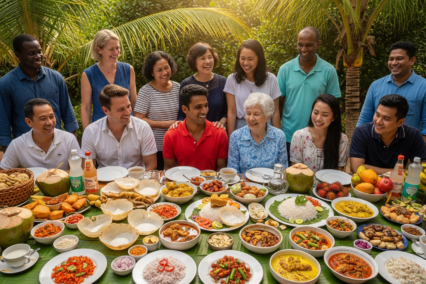
Here’s a quick look at what we’ll talk about in this guide to South African meal times and dining habits:
-
South African meal times are mostly the same as in Canada. Dinner in South Africa is served a bit later. It is usually served between 6 PM and 9 PM.
-
The word ‘dinner’ in South Africa points to the main meal of the day. That meal can happen at midday or later in the evening. ‘Supper’ is used for a smaller meal eaten in the evening.
-
South African cuisine mixes different tastes from the past. The food comes from Cape Dutch and Cape Malay roots most of all.
-
The traditional foods change with each meal. People eat pap at breakfast. Bunny chow is common at lunch. Many have a braai for dinner as well.
-
Most South Africans go out to eat. About 95% of people eat out at least once in a month. It is usually for special days or getting together in a casual way.
Introduction
Are you planning a trip to South Africa and want to know what you will eat there? The country is known for its wildlife and beautiful views. But there is also a huge mix of food choices. Learning about the way south africans eat will help you take part in the local life. This guide will show you the normal eating times, popular african cuisine, and dining etiquette. You will feel more like one of them and enjoy the tastes south africa has to offer.
Understanding South African Meal Times
When you go to south africa, you will see that people have meals at times that feel pretty normal, but there is still a local style to it. Most south africans eat three meals in a day. But, the times may change a bit based on where you are, how people live, or if it is the weekend or a workday.
The main meal in south africa can be lunch or dinner. It really depends on the family or person. You will see this as you travel around africa and south africa. Let’s take a look at the usual times people there eat breakfast, lunch, and dinner. We can also see how that might be the same or different from what you do at home.
Common Meal Schedule: Breakfast, Lunch, and Dinner
Breakfast in South Africa is usually eaten early. Most people have it between 6 AM and 9 AM on weekdays to start the day. The meal can be light or more filling. It really depends on the day for them.
Lunch in South Africa is often at midday, between 12 PM and 2 PM. A lot of south africans choose something light for lunch, especially when they work during the week. On weekends or when there is a special event, lunch can be bigger and more social. It can last into the afternoon.
Dinner is the main meal in the evening and is usually served from 6 PM to 9 PM. In south africa, many people have dinner a bit later than what you see in Canada. This is even more true when they eat out or visit with friends. Dinner is important for families and social times in africa.
Comparing South African and Canadian Meal Times
If you’re visiting from Canada, you’ll find that South African meal times aren’t drastically different, which makes adjusting quite easy. The breakfast and lunch schedules are very similar to what you’d find in North America, including both Canada and the United States.
The most noticeable difference might be the timing of dinner. While many Canadians eat their evening meal between 5 PM and 7 PM, South Africans often dine later, particularly in urban areas and during the warm summer season. This later dinner time aligns more with practices in many European countries like Italy or Spain.
Here’s a simple comparison to give you an idea:
|
Meal |
Typical Time in South Africa |
Typical Time in Canada |
|---|---|---|
|
Breakfast |
6:00 AM – 9:00 AM |
7:00 AM – 9:00 AM |
|
Lunch |
12:00 PM – 2:00 PM |
12:00 PM – 1:30 PM |
|
Dinner |
6:00 PM – 9:00 PM |
5:00 PM – 7:00 PM |
Meal Time Terminology: ‘Dinner’ vs ‘Supper’
Have you ever asked about the difference between ‘dinner’ and ‘supper’? In South Africa, people use both words in daily life, and it can be hard to tell one from the other. It depends on family and where you live. Many South Africans call the main meal of the day ‘dinner’, and it does not matter if it is at noon or at night.
In some homes, dinner is at midday, and it is the big meal for the day. This is true for many families, especially those in rural areas. Supper is usually a lighter meal. It is eaten at night if lunch was heavy and called ‘dinner’.
Here is how people often use these words:
-
Dinner: The main meal of the day. It can be at noon or evening.
-
Supper: A lighter meal in the evening. People call it ‘supper’ if they already had a big ‘dinner’ at lunch.
-
Evening Meal: Many people in South Africa use ‘dinner’ for their evening meal, just like people do in Canada.
In South Africa and in other places in Africa, talking about the main meal means thinking about time of day and family habits.
Traditional South African Meals Throughout the Day
South African cuisine is a mix of many tastes. This comes from the country’s long and diverse story. The food is full of flavour, and each meal shows off parts of its complex past. There is a mix from Dutch, German, French, Indonesian, and Malaysian cooking styles. This helps make south africa a great place for those who love to eat.
Every meal is special and brings its own traditional foods. For breakfast, people may have a plain porridge. By dinner, you might sit down to a good stew or spend time at a braai, which is a local way to cook meat outside. You will find spicy vegetable dishes and meat dishes of all kinds in this african cuisine.
Let’s look at the meals you may find in south africa. Here, you will see what it is like to eat breakfast, lunch, and dinner with the people of this country. African cuisine can change from one region to the next, but every meal will have a taste of africa and show how much people care about good food.
Typical Breakfast Foods in South Africa
Breakfast in South Africa can be simple or big. ‘Pap’ is one of the main breakfast foods. It is a porridge made from maize meal, like polenta. People often eat it with milk, sugar, and butter. It helps start the day in a warm and filling way.
South Africans also eat western foods in the morning. Many like to have cereal, toast with jam or marmalade, and dairy products such as yogurt. Hotels and restaurants offer full cooked breakfasts. These usually include eggs, bacon, sausage, and tomatoes.
Here are some foods South Africans have for breakfast:
-
Pap: A basic maize porridge that is easy to make and keeps you warm.
-
Vetkoek: These ‘fat cakes’ are usually for lunch, but sometimes people have them for breakfast with something sweet or savoury on top.
-
Boerewors: This farmer’s sausage has a lot of flavour and shows up at big breakfasts on weekends.
South Africa offers both local and western breakfast items. Dairy products are common here. People in Africa use maize a lot, especially in dishes like pap.
Popular Lunch Choices in South Africa
Lunch in South Africa is often about quick and tasty meals, mostly during the weekdays. Many people will go to street vendors or small places to get a good midday meal. Bunny chow is one of the most loved street foods there. It is a loaf of bread with the inside taken out and filled with hot, spicy curry.
Bunny chow started with the Indian community in Durban. It is a dish you have to try if you go to south africa. It comes with different fillings, but most people like it with mutton. You can also get it with beans or lentils if you want a vegetarian choice. Another lunch food people like is vetkoek. This is fried dough which can have curried mince inside, or you can eat it with cheese.
Here are some popular choices for lunch in africa:
-
Bunny Chow: This is a big, tasty curry served in a bread bowl. It fills you up for lunch.
-
Vetkoek: You get a fried bread here. It can come with salty fillings like curried mince.
-
Biltong: Even though it’s more of a snack, many people eat this dried, cured meat during the day before their next meal.
Classic Dinner Dishes and Evening Meals
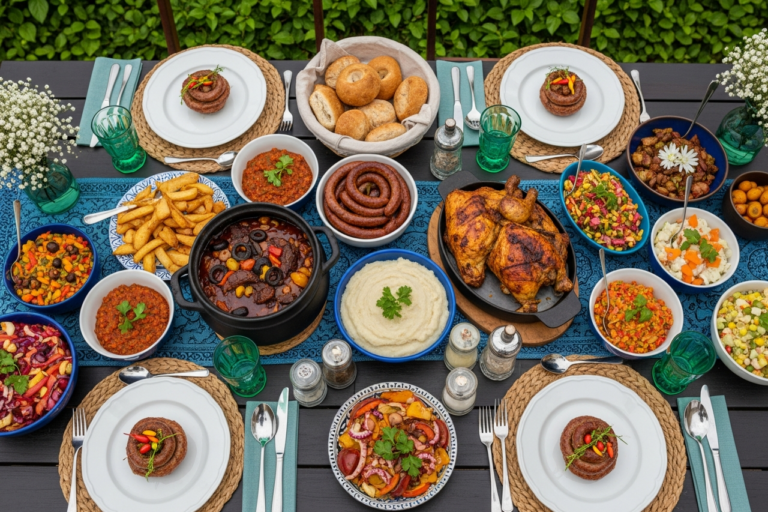
Dinner is often the main part of a South African day when it comes to food. People get to try many hearty and flavourful dishes that will fill you up. One popular dish is Bobotie, which many people say is the national meal. It is a delicious dish from Cape Malay cuisine. Bobotie is made of minced meat, often lamb, mixed with spices and some dried fruit. A creamy egg custard goes on top, and then the whole thing is baked.
Stews and curries are important for dinner, too. Potjiekos is a classic stew. People make it with layers of meat and vegetables, and it cooks slowly in a cast-iron pot over an open fire. Of course, the South African braai is something special. This is not just a meal, but a social event. At a braai, the meat is the star of the show. People stand around and grill things like boerewors and lamb chops, which has become part of the local culture.
For dessert, nothing tops Malva pudding. This sweet and spongy cake is loaded with apricot jam, then soaked in a creamy sauce. It is a wonderful way to end the meal and makes everyone happy.
Some classic dinner dishes include:
-
Bobotie: A baked dish with minced meat, plenty of spices, and a creamy topping.
-
Potjiekos: A steady stew with meat and veggies, slow-cooked over an
Regional and Cultural Variations in Meal Times
South Africa has a lot of different people and cultures. You can see this in how people eat through the day. Meal times and foods can change a lot in the different parts of south africa. People in western cape or in cape town at the coast may eat at different times compared to people in johannesburg where life moves faster.
There are many things that shape these eating habits. Where people live, if it is a busy city or a small town, their traditions, and the customs they follow all play a part. When you know about these things, you get to learn more about life in south africa. This can make your trip better. So, let’s talk about how where you are and your culture can change when you eat and what food is on the table in africa.
Meal Timing in Urban vs. Rural Areas
In South Africa, the time people eat meals can be quite different in cities and in the countryside. In busy places like Cape Town and Johannesburg, life moves fast. Many people work late and spend more time getting to and from work. Because of this, they may not eat dinner until 7 PM or even later. Lunch is usually quick, especially during the workweek.
But in rural parts of South Africa, things move at a different pace. People here often follow the sun to guide their daily routines. They might have dinner earlier, around 6 PM. For some, lunch is the main meal, which is common for those who do physical work. This is seen in many farm or country areas throughout Africa.
In cities like Cape Town and Johannesburg, there are lots of restaurants and quick foods to choose from. This makes it easier for people to eat at all hours. In rural places, home cooking is more common, and meals are more set by routine. This shows how the way people live shapes what time they sit down to eat in all parts of south africa.
Influence of Ethnic Traditions on Meal Routines
South Africa’s “Rainbow Nation” spirit can be seen in its food. The food in the country is a mix of different ethnic groups. You can find Dutch, French, German, and British tastes in the cooking. There are also foods from people who came from Indonesia, Malaysia, and India with the Dutch East India Company.
This mix leads to special ways of cooking like Cape Dutch and Cape Malay cuisine. Cape Dutch style brings together meat dishes from Europe with spices like nutmeg and allspice. Cape Malay cuisine comes from Indonesia and Africa. It brought Islam and lots of new spices which make the food smell and taste rich. These foods are important in the culture.
These influences touch more than just the food. They change meal times and routines too:
-
Cape Malay Cuisine: Food is big in the culture. Bobotie and sosaties both have many different twists.
-
Indian Influence: You see this a lot in Durban. Curries and meals like bunny chow are part of many people’s days.
-
Dutch Influence: Basic foods like boerewors (farmer’s sausage) and sweet treats like malva pudding show how Dutch cooking is still around.
South Africa’s cuisine is shaped by all these cultures and spices. You get meals which are rich in taste from africa, india, indonesia, dutch and malaysia. Its cooking styles bring people together and let them share food born out of many different traditions.
Special Meal Customs Among Different South African Communities
Special times in South Africa are often marked with food. People get together with their families and friends to share a meal. Each group in south africa has its own way of doing things, and these ways are tied to their beliefs or what they celebrate. Food plays a big role in making these days special.
For the Cape Malay community, who are mostly muslims, food is a big part of how they celebrate days like Eid. At these times, there is plenty of food. They make dishes that they give to family, friends, and people in their area. Sharing food like this means a lot in their culture and goes back to the core ideas of Islam.
Other special days in south africa have their own food styles:
-
Christmas: Many south africans like to share a meal during this time. It might be a roast dinner, much like in Britain, or even a braai because it is hot in December in Africa.
-
Braai Day: On September 24th, Heritage Day is called National Braai Day by many. People all over gather to enjoy food cooked on the fire.
-
Weekend Gatherings: On Sundays, many families like to sit down together for lunch. They might enjoy a big roast or a long, relaxed braai.
Food brings people in south africa closer, not just for christmas, but for their whole year. It is a part of being together, no matter which group they come from in cape or anywhere else in africa
Dining Habits in South African Homes
Dining in a South African home lets you see the friendly side of the people. For many south africans, sharing food is a way to connect with family and friends. It does not matter if it is a weeknight dinner or a big gathering. The mood is usually relaxed and makes you feel at home. This shows how open and kind the people can be.
People like to eat out now and then, mostly when there is something to celebrate. But eating at home is still a big part of every day. If you know about the etiquette and the old ways around mealtime, you will feel at ease. It also helps you to respect your hosts. In this piece, we look at the simple traditions and the usual etiquette people follow at family meals.
Family Mealtime Traditions
Family is very important in South African culture. The people in South Africa like to come together at mealtime. This is usually the most important time of the day for families to see each other. Weekday dinners may be simple for south africans. But, these meals are still a good way for families to talk and connect at the end of the day. For many families, weekend meals make these traditions even stronger.
South africans see Sunday lunch as a big part of life. On Sundays, families may invite a lot of people, even their extended family. This meal can be a roast with different sides or a long, fun braai. What matters most is the time you spend together, the sharing of food, and the joy of being with each other.
Some family traditions that a lot of south africans enjoy are:
-
The Weekend Braai: The braai is important in social life. It is easy and fun. It often goes on for many hours.
-
Sunday Lunch: This meal is more formal. Many family members may come and sit together to eat.
-
Sharing Food: People often place the food in the middle so everyone can help themselves. This helps everyone feel close while they eat.
Dining Etiquette and Customs at Home
If you get asked to have a meal in a South African home, you will see that the mood is easy and friendly. You have to use normal table manners, but the important thing is to talk to one another, not to follow every rule. Wait for the host to start eating or say it is fine for everyone to begin.
When you get asked for dinner, it is good to bring a small gift. You can take a bottle of wine, some chocolates, or a dessert. The people will like it if you show up on time, but if you are a few minutes late, it is usually okay, mainly for a braai, which is a relaxed outside barbecue.
Here are some tips about etiquette for your visit:
-
Offer to Help: Your host will likely say no, but it is nice to ask if you can help clear the table.
-
Compliment the Food: If you tell the cook that you liked the main meal, it will make them happy.
-
Engage in Conversation: Meals are for talking and sharing stories, so be ready to join in on the chat.
Frequency of Eating Out vs. Cooking at Home
While home cooking is fundamental to daily life, South Africans also enjoy dining out. Recent surveys show that eating at a restaurant or grabbing a meal from street vendors is a regular activity for a vast majority of the population. In fact, a staggering 95% of South Africans dine out at least once a month.
This high frequency of dining out is driven by various reasons, from celebrating special occasions to simply being too busy to cook. About 41% of people eat out once a week or even more frequently. This indicates a healthy restaurant culture and a public that appreciates the convenience and experience of eating out.
Here’s a breakdown of how often South Africans dine out:
|
Frequency of Dining Out |
Percentage of South Africans |
|---|---|
|
Once a week or more |
41% |
|
At least once a month |
95% (total) |
|
Less than once a month |
5% |
Eating Out in South Africa
Eating out in south africa is full of life. There is a lot to choose from, like fine dining, street food, or a meal at a casual spot. If you are going out for a big day, or just need something quick, south africa has food for all. The main meal that you get at africa’s restaurants means a lot. Diners help the economy, and many people go out to eat often.
There are many reasons to eat out. Most people say they do it to celebrate, or to meet with family and friends. If you know when people go out for food and what they like to eat, you can plan better. This way, you get to enjoy your main meal. I will talk about the best times to go eat, and what main meals diners pick in south africa.
Popular Times for Dining at Restaurants
In South Africa, dinner is the most common time of the day for people to eat out at restaurants. The number of bookings goes up in the evening, mostly on weekends. A lot of people like to go out for date nights or meet up with friends. Many restaurants get the most guests between 7 PM and 9 PM.
Lunch is also a good time for eating out. It is liked by office workers who want a quick meal during the week, and by families having a relaxed outing on weekends. Brunch is now a rising trend in Africa, too. Many people love going for brunch, mainly on Saturdays and Sundays. Some restaurants offer specials, like bottomless mimosas, to bring in more of the weekend public.
Here are the most liked dining times in South Africa:
-
Weekend Dinners: This is the best time for most restaurants. Couples and groups of friends enjoy it the most.
-
Weekday Lunches: A top pick for office workers who need their meal to be quick and easy.
-
Weekend Brunch: A fun meal that mixes breakfast and lunch. People often go out a bit later in the morning for brunch.
Common Restaurant Dishes by Time of Day
Menus at South African restaurants show the different food traditions in the country. For breakfast, you can get a classic pap or even a full English-style breakfast. Many cafes also have lighter choices, like pastries and coffee, for people who need to eat quickly.
At lunch, you will see more simple food, like salads, sandwiches, burgers, or vetkoek. Still, there are also places that serve bigger meals, mostly for tourists or those who want to taste traditional south african cuisine. Dinner has more choices than other meals. You might see grilled steaks, seafood, rich curries, and famous dishes such as bobotie on the menu. If you want something sweet after your meal, malva pudding is a common choice.
Common dishes by meal:
-
Breakfast: Cooked meals, pap, and pastries.
-
Lunch: Bunny chow, light salads, and quick bites.
-
Dinner: Steaks, potjiekos, bobotie, and seafood, most times finished with malva pudding.
Social Aspects of Eating Out with Family and Friends
For people in South Africa, going out to eat is something they do together to have a good time. Most go to restaurants to celebrate a special day or just for casual time with friends and family. This is about more than food. It is about being together, talking, and making memories over a meal.
Restaurants know this. That is why they come up with things just for being social. Some have family spots with space for kids to play. There are also places with big sharing plates or group deals to get people talking. If a couple wants a special night out, there are many restaurants with a nice mood just for them.
Here is what restaurants do for social eating:
-
Special Occasions: They make set meals for events such as birthdays, anniversaries, or times like Christmas.
-
Group Gatherings: They give out offers like sharing platters, tapas, or drink specials for groups of friends.
-
Family Outings: They have menus for kids and a good space for the whole family to come.
South Africans really enjoy being with others while they eat. This is clear in what is offered at many restaurants, especially around Christmas.
Practical Meal Planning for Canadians Visiting South Africa
If you are a Canadian going to South Africa, you will see that it is easy to get used to when people eat there. People in South Africa also have three meals a day, so there is not a big change from what you do at home. You do not need to change your eating routine too much. Still, the trip will be better if you spend some time thinking about what to eat and when to eat while in South Africa.
Knowing about some small things, like the fact that dinner can be later in the day, and the kind of food you can get, will help you learn more and have a good time. Here are some tips to help you fit in with the local eating times and pick your food while you travel in south africa.
Adjusting to South African Meal Schedules
For most people from Canada who visit south africa, you will find that getting used to local meal times is easy. Breakfast and lunch are served at about the same time as you have them at home. The big thing that might be different for you is when you eat dinner. In africa, dinner often starts at around 7 PM or 8 PM.
If you are used to having dinner early, you might want to get a light snack in the late afternoon. Biltong is a well-known dried meat in africa that is good for this. Taking part in later dinner to match how people do things in south africa will help you feel more part of the culture. Evening is the main time when people gather together.
Here are some tips for a smooth change:
-
Have a Late Afternoon Snack: Eating a small snack helps you deal with a late dinner.
-
Embrace the Braai: If you get invited to a braai, plan for a long event. Food will likely come later in the evening so join in and have fun.
-
Be Flexible: If you are on safari or some other tours in africa, the meal times may be set for you. It is best to go with the flow.
Navigating Dietary Preferences and Workday Meal Breaks
Getting the food you like in South Africa is much easier now, especially in big cities. In places like Cape Town and Johannesburg, most restaurants know how to meet the needs of those who are vegetarian or vegan, or anyone with a special diet. You can even find vegetarian takes on South African dishes like bobotie or bunny chow.
On a normal workday in South Africa, meal breaks are planned into the day. The law makes sure companies give staff time to have their meal. A lunch break is part of the day and is usually about one hour long.
Here’s what to know about meals and work:
-
Dietary Needs: If you need vegetarian options, just ask; these are easy to get in most restaurants across South Africa and its cities like Cape Town and Johannesburg.
-
Workday Lunch: It’s normal to get a lunch break, so you can take some time for your food during the workday.
-
Business Lunches: These often happen and show you what South African hospitality can be like in a work setting.
Conclusion
To sum up, knowing the meal times in South Africa can help you enjoy your visit even more. The country has its own ways of eating, with african cuisine, tasty foods, and special customs in each area. When you follow these dining habits, your trip in south africa feels real, and you get to know the culture better. You might start your day with a filling breakfast, have a relaxing lunch, or sit down for a meal with family at dinner. These meal routines help make your stay feel more like home.
Get ready to try all the tastes and foods that south african cuisine brings. Don’t be afraid to bring these tips into your food plans while there. If you want to learn more or need help planning your meals, you can ask for a free consultation!
Frequently Asked Questions
Are there meal interval laws for workers in South Africa?
South Africa has laws to make sure workers get meal breaks. The Basic Conditions of Employment Act says that people in south africa who work more than five hours without stopping should get a meal break for at least 60 minutes. This gives them time to rest and eat.
How long does each main meal usually last in South Africa?
The time people spend eating a main meal in South Africa can change from day to day. On weekdays, lunch is often quick and over in about 30 minutes. But dinner at a restaurant can take a few hours. Some social meals, like a weekend braai, go on for the whole afternoon or even into the evening. In south africa, these main meal times are part of daily life in africa.
Do meal times change during festivals or holidays?
Yes, meal times can be more flexible during festivals and holidays. At times like Christmas or Heritage Day (Braai Day), south africans often get together to enjoy big, relaxed meals. They do not stick to a set time for eating. The main idea is to celebrate and spend good time with family and friends.