Key Highlights
-
Rwandan food uses staple items like plantains, sweet potatoes, and beans.
-
In Rwanda, meal times stay about the same, and lunchtime is usually the biggest meal.
-
Family and the community are important in their food culture, and they focus on eating with others.
-
In urban areas like Kigali, meal times can change a bit, but out in the country, people stick with more old-style routines.
-
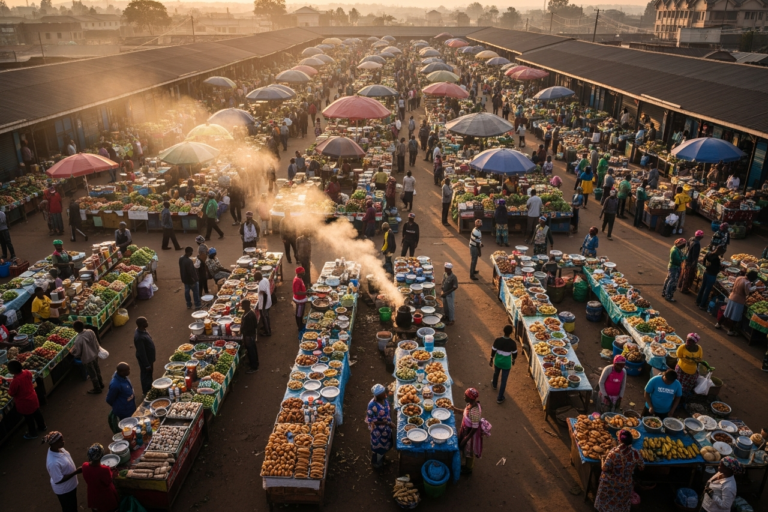
Rwandan cuisine is made with fresh stuff, and the food often comes from local markets.
-
Canadians will feel that the way people eat and gather in Rwanda is both very friendly and new compared to back home.
Introduction
Welcome to a food adventure in Rwanda. If you are Canadian and ready to visit, you will want to understand how people in Rwanda eat and spend time at meals. When you try rwandan food, you learn more than what’s on your plate. You get a look into Rwanda’s spirit, daily life, and traditions. This simple guide gives you info about rwandan cuisine, what times people eat, and how to act at the table. You will feel good and comfortable in the land of a thousand hills, and get closer to the country’s way of life.
Understanding Meal Times in Rwanda
In Rwanda, meal times are an important part of each day and bring people together. Meals here are not rushed like they can be in Canada. People in Rwanda take their time, especially for lunch. This shows that life in Rwanda is more about being with others and keeping up old ways.
When you understand this food culture, your travel in Rwanda will get better. The focus is not only on what food is on your plate, but also on when and how you eat. Local cuisine in Rwanda follows this meal plan and is made with fresh food from nearby each day. Now, let’s see what these meal times look like and how they are not the same as what you may know from home.
Typical Schedules for Breakfast, Lunch, and Dinner
The daily meal schedule for most Rwandan people is quite structured, though it can vary slightly between urban and rural settings. Breakfast is typically eaten early, providing energy for the day’s work. Lunch is the main event, a substantial meal enjoyed midday, while dinner is often a lighter affair.
This rhythm is deeply ingrained in the culture. The midday break for lunch is a common practice across the country, allowing families and coworkers to connect over a meal. For many Rwandans, dinner is simpler, often consisting of leftovers or a smaller dish.
Here is a general guide to meal times in Rwanda:
|
Meal |
Typical Time |
Common Foods |
|---|---|---|
|
Breakfast |
6:00 AM – 9:00 AM |
Porridge, bread, tea, fruit |
|
Lunch |
12:00 PM – 2:00 PM |
Staple food like beans, plantains, rice, vegetables |
|
Dinner |
7:00 PM – 9:00 PM |
Often lighter, similar to lunch but in smaller portions |
Differences Between Rwandan and Canadian Mealtimes
As a Canadian going to new places, you will see some things are different with mealtime culture in Rwanda. The biggest difference is when and how much the main meal matters. In Canada, dinner is the most important meal. It is the time when families get together after work or school. In Rwanda, lunch is seen as the main meal.
Because lunch is important, this changes how people set up their day. In rwandan cuisine, lunch is more relaxed and social. In Canada, lunch is usually eaten quick and for practical reasons.
Here are some things you might notice:
-
Main Meal: In Rwanda, lunch is the biggest meal. In Canada, it is dinner.
-
Dinner Size: Dinners in Rwanda are often small and simple. Canadian dinners are usually bigger and can have many dishes.
-
Pacing: People in Rwanda, especially at lunch, take their time and enjoy it.
Dining Customs and Culture in Rwanda
The food culture in Rwanda is all about community and respect. Sharing food with others is very important. When someone invites you to eat with them, it is seen as a strong act of friendship. Rwandan people feel good about offering food to their guests. It is polite to accept the offer. This sense of togetherness is part of every meal, no matter the ethnic group.
At the table, you will see certain habits. Elders are often given food first. This is done to show respect. The way that rwandan people serve and eat their rwandan dishes shows how much they value family, community, and order. Next, we will talk about how these customs appear in family homes and at special events.
Family Traditions and Eating Together
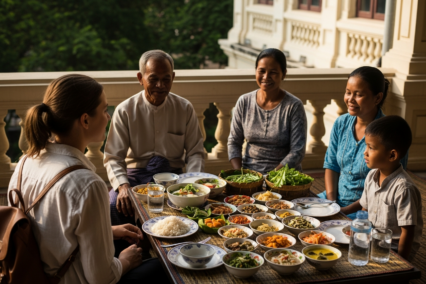
Eating together is a big part of daily life for many Rwandans. It is one of the main family traditions. Families try to sit down for at least one meal together every day. Most times, this meal is lunch. It is an important moment to connect and talk. This habit brings the family closer and lets everyone take a break in the middle of a busy day.
There are certain traditions linked with meal times. You will often wash your hands before eating. A bowl of water and some soap are given for this. The host usually serves the guests. People make sure to thank the host for the meal.
Sharing traditional meals is not just about eating. It helps to keep community and family values strong. When you, as a visitor, join these moments, you get a real look into Rwandan life.
Special Meal Times During Festivals and Religious Events
Festivals and special religious days in Rwanda bring new ways to enjoy meals. People do not eat the same way as on other days. There is often a lot of joy and food brings everyone close together. You will see more big meals at these times. People make different types of rwandan cuisine for these days.
When Christmas or Easter comes, families have big feasts. Many people get together to eat, and they cook many dishes for all to share. For those in Muslim communities, there are special meal times during Ramadan. Early in the morning, some wake up as early as 4:40 AM to eat the pre-dawn meal, called “Sehri,” to get ready for fasting all day.
Key points about special meal times include:
-
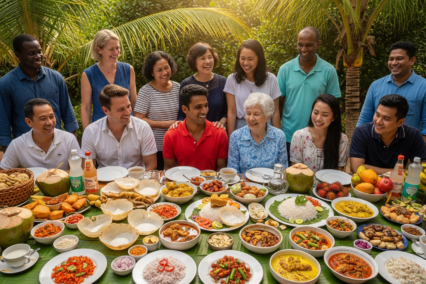
Community Feasting: At big holidays, many eat with their family members and those who live near them.
-
Ramadan Meals: During Ramadan, people do not eat or drink all day. After sunset they break the day’s fast with a meal called Iftar, and before dawn they eat Sehri.
-
Special Dishes: People eat foods at these times that they may not get any other day. There are some dishes that only come out for these celebrations—it is a chance to enjoy special traditional rwandan cuisine.
These meal times are a big part of life in Rwanda. Food and eating together has an important place. You will get to try some wonderful traditional rwandan cuisine on special
Eating Out in Rwanda: What Canadians Should Expect
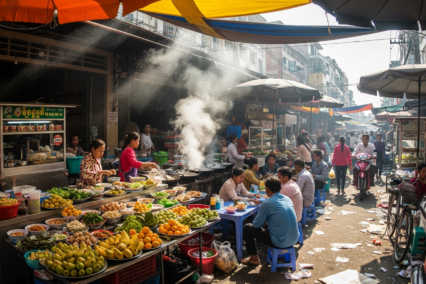
When you eat out in Rwanda, you will find the food scene lively and full of choices. This is true, especially in Kigali. You can try local “bufundas” that have good Rwandan food, or go to fancy places. There is the right place for every taste and price. It feels different than in Canada. They use fresh food, and the service is easy-going.
No matter where you are, people there are warm and open. The idea of “African time” may be common, which means service can take more time than what you have in Canada. It’s good to enjoy this as part of eating rwandan food and trying local cuisine in Rwanda. Next, you can see more about when places open and how things can change from one region to another in the cuisine of Rwanda, especially in Kigali.
Restaurant Meal Timings and Flexibility
When you eat out in Rwanda, you will see that the meal times in most restaurants are quite flexible. This is true, especially in cities. Most places follow common lunch and dinner times, but many restaurants stay open all afternoon. This helps people who have different schedules find food at different times. So, you can get a meal between the main lunch and dinner hours.
Still, you should know that restaurant kitchens in Rwanda might have set hours for serving food. For example, a spot might let you buy drinks during the hours between lunch and dinner. But the big menu is usually only ready during lunchtime or dinnertime. In places that see a lot of tourists, restaurants often stay open even longer and are more flexible for visitors.
In the end, you will not find one strict schedule in every place. The best idea is to go for lunch between 12 PM and 2 PM or dinner between 7 PM and 9 PM. You will get the nicest choices and service then. If you want to eat later or earlier, ask about the kitchen hours to make sure you can get a meal.
rwanda
Urban vs. Rural Meal Time Practices
Yes, meal times and habits can differ noticeably between urban areas like Kigali and the surrounding rural areas. In the bustling capital, life moves at a faster pace. You’ll find a wider variety of restaurants, cafes, and international cuisine, with more flexible dining hours to accommodate diverse work schedules and lifestyles.
In contrast, meal times in rural Rwanda are more closely tied to agricultural cycles and traditional daily rhythms. The reliance on staple crops grown locally means meals are simpler and follow a more predictable schedule. The midday meal remains central, as it provides the necessary energy for farming and physical labour. Local markets are the primary source for any ingredients that aren’t grown at home.
Here’s a quick comparison:
|
Feature |
Urban Areas (e.g., Kigali) |
Rural Areas |
|---|---|---|
|
Flexibility |
More flexible meal times, all-day cafes |
More structured, traditional meal times |
|
Main Meal |
Lunch is common, but dinner is also a significant social meal |
Lunch is almost always the main, most substantial meal |
|
Food Source |
Restaurants, supermarkets, local markets |
Homegrown produce, local markets |
Conclusion
In the end, knowing meal times in Rwanda lets you see the country’s strong culture. Family meals are shared, and there are clear changes from Canadian dining. Each way of eating is filled with kindness and history. You may take part in a slow breakfast or join big group meals. If you follow these food traditions, your time in Rwanda feels better. Food is more than just for getting full—it helps you join in and feel the lively culture. Enjoy the dishes and remember to value the moments around the table.
Frequently Asked Questions
Do meal times vary between Kigali and rural areas?
Yes, they do. In Kigali, people in the city can change meal times to fit their busy life and work. In rural areas of Rwanda, the time for food is more old-school. It is usually tied to the work people do on their farms. Lunch is the main meal that people eat the most in these places. But in all settings, local cuisine is still an important part in Rwanda. People love their local cuisine whether they are in Kigali or in rural areas.
Are snacks common between meals in Rwanda?
Rwandan cuisine is not just about the three main meals people eat every day. There are also snacks that are popular with many. At local markets, you can get fruit, roasted maize, or grilled meat skewers called brochettes. These types of street food taste good and help you if you get hungry between meals with more traditional foods.
How long does meal preparation usually take in Rwanda?
Getting a meal ready for traditional meals can take a lot of time. This happens because you use fresh and raw ingredients. When the dish has beans or cassava, it may take more than an hour to cook. The way the Rwandan people put time and effort into meal preparation is important. It is a big part of their food culture. It shows how much they care about fresh, homemade local cuisine. Their local cuisine is full of these tasty traditional meals.