Key Highlights
-
Portuguese meal times are not the same as Canadian ones. People have lunch at about 1 p.m. and dinner after 8 p.m.
-
Breakfast in Portugal is light and fast. Many people have a quick espresso with a pastry. The pastel de nata is a popular choice.
-
Lunch is an important part of the day. A lot of restaurants will have a dish of the day, or “prato do dia”, on the menu.
-
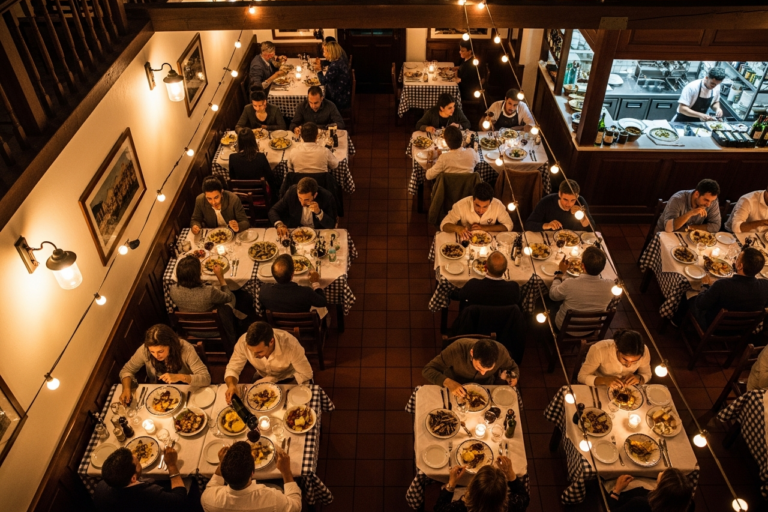
The evening meal in Portugal is more of a social thing. It starts later than you might expect if you are used to eating in Canada.
-
People often have “lanche”, which is an afternoon snack, at about 4 or 5 p.m. This helps people not feel hungry while waiting for dinner.
-
You will see people in Portugal having a quick snack or an espresso at cafés during the day. That’s normal for many Portuguese.
Introduction
Are you planning a trip to Portugal? Get ready to see beautiful coastlines, learn about rich history, and taste some really good food! To get into the heart of local life, you should learn about portuguese meal times. For many Canadians, this way of eating might feel a bit new. Portuguese people like to follow their own daily rhythm. They take their meals slow, and they make time for coffee breaks with friends. In this guide, you will get to know when portuguese people eat, what they eat, and how you can join in during your stay in Portugal. This way, you can eat like a local and enjoy all that Portugal has to offer.
Meal Times in Portugal: An Overview for Canadians
When you visit Portugal, you will see that portuguese meal times are not the same as in Canada. People in Portugal like to eat at a slower pace, especially during the main meals.
Lunch is the biggest meal for most, and it happens later in the day. Dinner also starts later than you may think. Between lunch and dinner, there is always time for a quick snack or a coffee. Knowing about portuguese meal times will help you plan your day and find a good time to enjoy any snack or meal while you are in Portugal.
How Breakfast, Lunch, and Dinner Are Scheduled Across Portugal
A typical Portuguese breakfast is a light and quick affair, usually enjoyed between 8 a.m. and 10 a.m. It sets you up for the day without being too heavy. Lunch is a more substantial meal, with most people eating between 1 p.m. and 3 p.m. This is often the main meal of the day.
The evening meal follows much later. While you might find some restaurants opening around 7 p.m. to cater to tourists, most locals don’t sit down for dinner until 8 p.m. or even later, especially on weekends. Having a quick snack in the late afternoon is common to bridge the gap.
Here’s a simple breakdown of typical Portuguese meal times:
|
Meal |
Typical Time in Portugal |
|---|---|
|
Breakfast (Pequeno-almoço) |
8:00 a.m. – 10:00 a.m. |
|
Lunch (Almoço) |
12:30 p.m. – 3:00 p.m. |
|
Snack (Lanche) |
4:00 p.m. – 5:30 p.m. |
|
Dinner (Jantar) |
8:00 p.m. – 10:00 p.m. |
Comparison of Portuguese and Canadian Meal Times
In Canada, people usually have dinner around 6 p.m. But Portuguese meal times can be much later. In Portugal, the evening meal often starts at 9 p.m. or even 9:30 p.m., especially on Fridays and Saturdays. This is a bit later than some other European places, but not as late as Spain, where the main dish at dinner might be served around 10 p.m.
If you come from Canada, the timing of the evening meal in Portugal will be a big change. If you have kids who eat early, this might be hard. You may have to change your plans and give your family a late afternoon snack. That way, they will feel better until it’s time for supper.
Another important detail about Portuguese meal times is that lunch is the main dish of the day. In Canada, people normally eat a lighter lunch and a bigger dinner. This makes the whole daily plan different when you are in Portugal.
Portuguese Breakfast Experience (Pequeno-almoço)
In Portugal, breakfast is called “pequeno-almoço.” It is a small meal, and very easy to put together. You will not see the large plates of eggs and bacon that are common in some places. Most people enjoy pastries or bread with coffee.
Breakfast is often a quick stop at a café, called a pastelaria. People like to grab a quick espresso and a tasty pastry. A pastel de nata is the most famous one, and many love it. This is what makes mornings feel easy and local in portugal. Next, we will talk about when people eat breakfast, what foods you can get, and where to find the best morning pastries and coffee like a quick espresso.
Typical Breakfast Hours and What’s Served
Breakfast in Portugal usually happens between 8 a.m. and 10 a.m. It is not the main dish of the day, like lunch often is. People in Portugal like to keep breakfast light. At this time, you will see pastries being the star of the meal. There are bakeries on almost every street. They are full of amazing sweet pastries.
The most well-known is the pastel de nata. This custard tart has a flaky crust. It tastes great and is a must-try if you are in Portugal. Other types of bread and more pastries are everywhere, too. Many people like to have them with butter and jam in the morning. For breakfast, savoury foods are not as common. Portuguese people usually save dishes like salted cod for the midday meal or for dinner.
Breakfast goes well with a strong, small espresso. This simple meal is common during Portuguese meal times. It is quick, doesn’t cost too much, and tastes good. It gives people a good start to the day before the dish of the day at lunch.
Popular Cafés and Bakeries for Morning Meals
You will always find a café or bakery (pastelaria) close by when you are in Portugal. This is true in bigger cities like Lisbon and Porto. These cafés are where the community comes together in the mornings. People like to get a quick espresso and something to eat before starting work. It is normal in Portugal to have these small meals between major eating times.
Many people who travel here start to love Portuguese pastries. There are many reasons for that. I enjoyed anything with puff pastry and had it almost every day. The most well-known pastry is the pastel de nata. But you should not stop at just this custard tart. Try looking at what else is on the counters. There is always something new. In Portugal, most people eat breakfast at a café and not in their own home.
When you walk around, try to find places where a lot of people from the area are eating. You can find some famous café and bakery spots. But often, the best pastel de nata or custard tart is at a small shop you find by yourself:
-
Pastéis de Belém (Lisbon): This place made the first pastel de nata.
-
Manteigaria (Lisbon & Porto): This is a popular spot for a good custard tart.
-
Confeitaria do Bolhão (Porto): There are many old-fashioned sweets and puff pastry snacks here.
Midday Meals: Lunch and Snacks in Portugal
When it’s lunchtime in Portugal, everything starts to slow down. This meal is often seen as the most important food of the day. Breakfast happens fast, but lunch for many Portuguese people is the main dish, and they take their time with it.
At this time, you will see that restaurants in Portugal get busy. Many places offer a “prato do dia,” which means dish of the day. It’s a good and not too costly way for people to try local food. The midday meal sets a nice rhythm. After lunch, many people in Portugal also look forward to an afternoon snack. Let’s have a look at how the portuguese meal times work, from when they eat lunch to that tasty snack they enjoy later on.
When Do Most People Eat Lunch and What’s Traditional?
Most Portuguese people eat lunch between 12:30 p.m. and 3 p.m. The most common time is 1 p.m. The usual Portuguese lunch break from work can be up to two hours. This means people have time to relax and sit down for a meal. This is very different from just having a quick bite at your desk.
For them, lunch is often the main dish of the day. At lunchtime, restaurants are busy and many offer the “prato do dia” (dish of the day). That is a great way to eat. It gives you a full meal, with either fish or meat as the main dish, plus sides. Sometimes the meal comes with a drink, soup, and coffee, all for a good price. This helps you eat well and save some money at the same time.
Even though dinner at restaurants doesn’t begin until 7 or 8 p.m., lunchtime is when every kitchen is the busiest. This is the time to get hearty, classic Portuguese food made just the way people like it.
The Afternoon Snack (Lanche): Timing and Favourite Foods
Yes, it is very normal in Portugal to eat a small meal between main meals. Since dinner in Portugal is often late, people have an afternoon snack called “lanche.” Many people stop for this quick snack, which they eat between 4 p.m. and 5:30 p.m., to help with hunger before the evening meal.
The word “lanche” means snack and covers many foods. You can have something as small as fruit or a more filling pastry. This is a good time for people to rest, recharge, and get ready for the evening meal. In the late afternoon, cafés get busy again with people of all ages.
Favourite afternoon snack foods can be sweet or not sweet. Popular picks are:
-
A “tosta mista,” which is a ham and cheese sandwich that is grilled.
-
A piece of cake or a pastry like “bolo de arroz,” which is a simple rice cake like a muffin.
-
A coffee paired with a bread roll with butter or cheese.
People in Portugal enjoy their quick snack during the late afternoon. It helps them make it to the evening meal and try each kind of snack, from rice cake to ham sandwiches.
Conclusion
To sum up, knowing meal times in Portugal is important for Canadians who want to get into the local culture. The mornings in Portugal can be slow, and you get time to have a traditional breakfast as you start your day. During the day, afternoon snacks are a big deal too, and show how much the people enjoy taking breaks and good, simple food.
You will see that meal schedules are not the same in Canada and Portugal. When you know this, your trip to Portugal gets better. You get to join in their ways of enjoying portuguese food and see how life in portugal goes for most people every day.
If you plan to travel or want to find out more about the country, take the chance to enjoy the easy and nice flow of eating in Portugal. This is a good way to learn about the culture and the people.