Key Highlights
-
Discover how Omani meal times work. People usually have a light breakfast. Lunch is the biggest meal, and dinner is often late and social.
-
Food in Omani cuisine shows their hospitality. The dishes are about welcoming guests with open arms.
-
Learn what is expected at the table, like eating with your right hand. Accepting Omani coffee is a mark of respect.
-
Try traditional Omani dishes. Shuwa is a lamb dish that takes a long time to cook and is served on special occasions.
-
Meal schedules can change depending on where you are. Things in Muscat move faster. In other areas, the pace is more relaxed.
-
Taste Omani coffee, sweet dates, and enjoy how the flavours of cardamom and saffron make each meal special.
Introduction
Welcome to the great world of Omani food! If you are from Canada and going to Oman, you will get to try something special. You will notice the smell of spices and sweets that come from small restaurants along the streets. This is just the start of your food trip. The Omani people love to share meals with others, and that is how they show how kind they are. Every meal with them is a way to get to know their life and culture.
This guide will show you what meals look like in Oman, and what the traditions are. With this, you will see how the Omani food and those spices are a big part of life there. You will start to understand why food is so important to Omani people and enjoy it to the fullest.
Understanding Omani Meal Times and Cultural Traditions
In Oman, eating together means a lot. It is not just about the food. The meal shows the hospitality that the people in Oman are so proud of. If you get invited to an Omani home, you will be given Omani coffee. This is not just a simple cup of coffee. The cardamom taste in the coffee is strong, and it means you are welcome. Giving someone Omani coffee is a clear mark of respect.
In oman, there are many tasty dishes. People make the most special ones for big events or special occasions. Friends and families enjoy these together, sharing the food from one plate. The way they eat connects everyone at the table. It gets people talking and builds trust. This is why mealtimes bring people closer.
If you learn about these traditions, you will get more out of eating in oman. You will also see how the country’s famous hospitality shows up in both daily life and when there is company over. Food is much more than what you see on the plate.
The Role of Food in Omani Daily Life
Food is a big part of every day for the Omani people. It brings family and friends together, and even helps strangers feel welcome. The mix of spices in Omani cuisine gives the dishes a taste you won’t find anywhere else. Every meal with Omani dishes feels like something special. Food is always at the center when there is a get-together or big event.
There are Omani dishes made just for certain occasions, showing how food is woven into life in Oman. A good example is Arsia, made with rice and meat. The Omani people often have it during Eid, making the meal a key part of the festival.
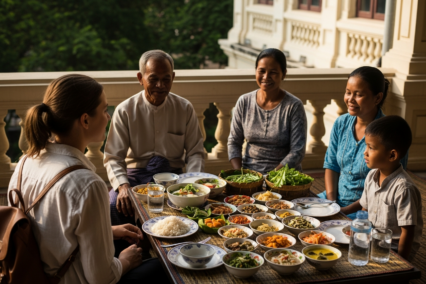
Meals with Omani cuisine mean more than just eating, even on regular days. People often serve the food on one big tray for everyone. It gives the group a way to put down their phones, talk together, and enjoy both the meal and each other’s company. The act of sharing food helps make ties between people stronger.
How Meal Times Reflect Omani Hospitality
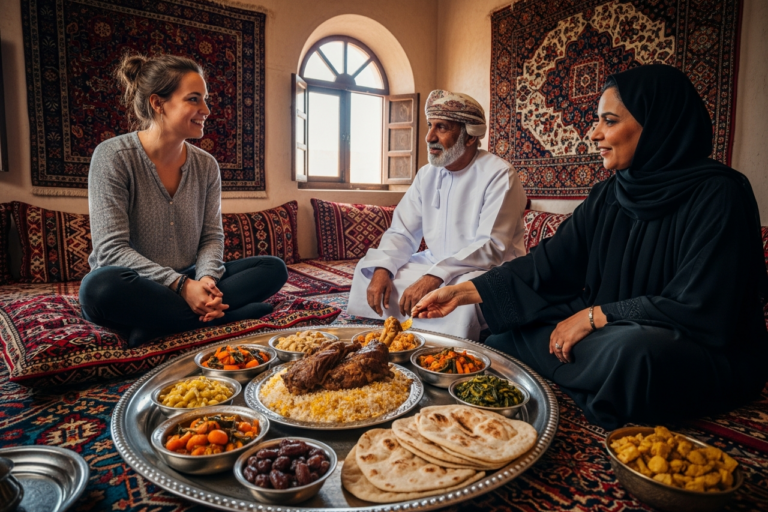
Omani hospitality is known all around the world. You will see it the most at meal times. When you visit, people will treat you with a lot of care and give to you in great ways. In a place like a majlis, which is a special sitting area, you may sit on nice carpets and soft pillows.
A big part of this is being offered Omani coffee and dates. Taking them is seen as a mark of respect. It is also important to always use your right hand when eating food or taking things. People think the left hand should not be used.
How drinks are given to you shows this Omani hospitality too. The host will only fill your cup up to a quarter. This does not mean they want to hold back, but it is a polite way to let you feel at ease and enjoy the talk in the majlis.
Typical Meal Times in Oman: Breakfast, Lunch, and Dinner
Getting used to Omani meal times is part of the adventure. People in Oman start the day with breakfast. It is early and light. The big meal of the day is lunch. This is usually eaten in the early afternoon. At night, dinner comes late. It is more laid-back and it brings people together.
In places like Muscat, life follows this meal pattern. You will see that traditional Omani dishes are tied to the time of day. Some Omani meals take longer to cook. For example, a big meal with shuwa is not quick. Shuwa takes a long time and is often served as the main food at big gatherings. Next, let’s talk about what you can get at each time to eat and how these meal times might be different.
What to Expect for Each Meal
Each meal in Omani cuisine gives a different taste and feel. Breakfast is usually not heavy, with simple dishes full of flavour. It helps you start your day and often comes with small portions and a warm drink that makes you feel good.
Lunch is the biggest and most important meal. Omani dishes for lunch are more filling and have more taste. It’s a time when families come together. They share meals like shuwa with lamb or other meals full of spice and rice. This is when people like to sit down and enjoy food with others.
Dinner comes later in the day. It is lighter than lunch and is also more about talking and having a good time. People often eat grills, some salads, or small pastries at dinner.
Here’s a quick look at what you might get:
-
Breakfast: Light and simple with thin rakhal bread. It might have fillings like egg or cheese. This comes with a cup of sweet karak tea.
-
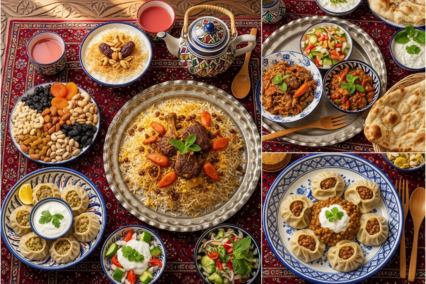
Lunch: Often the big meal. You might get dishes like majboos, which is rice with spices and meat, or qabooli shuwa, which is slow-cooked lamb with rice.
-
Dinner: Late and all about company. Smaller plates that include grills, salads, or pastries are common.
-
Snacks: Dates and Omani coffee show the hospitality people in Oman are known for, and you will find them served through the day.
How Meal Schedules Differ Across Regions
While the general pattern of a light breakfast, heavy lunch, and late dinner holds true across Oman, you’ll notice subtle differences in timing between urban and rural areas. In a bustling city like Muscat, restaurant hours are more aligned with a modern, fast-paced life, though traditional meal times are still observed in homes.
In contrast, life in smaller towns or the countryside may follow a more traditional and relaxed schedule. Here, the midday break for lunch might be longer, and evening activities start later. Coastal cities like Salalah might have their own rhythm influenced by the sea and local trade.
Even within Muscat, timings can vary. Areas like Shatti Al Qurum and Al Khuwair cater to tourists and expats, offering more flexible dining hours compared to more traditional neighbourhoods.
|
Region/City |
Breakfast |
Lunch |
Dinner |
|---|---|---|---|
|
Muscat (Urban) |
7 AM – 9 AM |
1 PM – 3 PM |
8 PM – 11 PM |
|
Salalah (Coastal) |
8 AM – 10 AM |
2 PM – 4 PM |
9 PM – 11 PM |
|
Nizwa (Interior) |
7 AM – 9 AM |
1 PM – 3 PM |
8 PM – 10 PM |
|
Rural/Villages |
6 AM – 8 AM |
12 PM – 2 PM |
7 PM – 9 PM |
Beginner’s Guide: Adapting to Omani Meal Times as a Canadian
If you are Canadian, the best way to get used to this new dining rhythm is to stay open and ready for change. You might have to shift your daily schedule, especially when it is time for your main meal. Eating in an Omani home is an honour, so knowing about the local ways will make the time even more special.
You should know that Omani dishes are there to be enjoyed slowly. Things go at a slower pace, and you get to connect with people as you eat. Don’t be shy to try all the food that is put in front of you. This guide has the basics about timing and what you need to do, so you can enjoy your food journey with Omani people.
What You’ll Need to Get Started (Etiquette, Timing, Local Customs)
Getting ready to enjoy your first Omani meal is easy once you know the most important points. There is strong hospitality in Omani culture and you will notice people show respect at the table. Many visitors get to meet these customs right away when they try Omani coffee for the first time.
Omani coffee is made with cardamom. Drinking it is not just something people do for taste. To most, this drink is part of a whole social experience. If you know some basic rules, you get to show others there or the host that you respect their way of life. These tips make you a more welcome guest.
Here’s a quick checklist of essential etiquette:
-
Use Your Right Hand: Always eat, drink, and pass things to others with your right hand.
-
Accept Hospitality: When someone gives you Omani coffee or dates, take it. This is how Omani people greet guests.
-
Dress Modestly: If you get invited to someone’s home, wear clothes that cover you well to show respect.
-
Pace Yourself: There will be a lot of food at the table. Many times, meals come in more than one course, so eat slow and enjoy your time.
-
Shake Your Cup: When you have had enough of Omani coffee, move your cup gently from side to side. This tells the host you do not want more.
This simple guide can help you enjoy Omani hospitality and feel even more welcome at the table.
Step-by-Step Guide to Enjoying Meals in Oman
The best way to enjoy Omani food is to jump right in and try it. Let go of what you know about North American meals and eat how the locals do. The rich flavours and warm hospitality in Oman will make it a part of your trip that you will always remember.
You can find everything here, from street food to big feasts. Each meal has its own story. On special occasions, you may get the chance to eat shuwa. This is a lamb dish that people treat as a big deal. The flavours in shuwa are deep and come from a mix of spices and slow cooking in the ground.
Omani food can make even a normal day seem special because the dishes often have saffron and other rich things in them. If you want to get the most out of your time, just be open and curious. Talk with the people who serve you the food, ask questions, and take your time with every bite. This guide will help you know what to expect at every meal, so you can get the best out of Omani food.
Step 1: Observing Local Breakfast Traditions
Start your day the Omani way with a light meal. In Oman, breakfast is different from what people have in Canada. The food comes in small portions. You get just enough to have energy to start your day. It is a gentle way to wake up your taste buds.
A very common breakfast drink in Oman is karak. Karak is a milk tea with spices. It is made with tea, condensed milk, cinnamon, cardamom, cloves, and ginger. It is sweet. It smells good. People find it very comforting. When you visit an Omani home, you may get a cup of this right away.
For breakfast food, you might eat rakhal. It is a very thin bread. People cook it fresh on a griddle. It can be filled with cheese and eggs to make it savoury. Or, you can put chocolate inside to make it sweet. Both ways, it is simple and tasty. Starting your day like this is nice and easy.
Step 2: Navigating Lunch and Midday Meals
Lunch is a big part of the Omani day. It is the main meal and the most important one. People usually have it in the early afternoon. This is when families come together for a large meal. Many shops and offices close for a few hours during lunch so people can go home or to restaurants. The streets also get quiet at this time.
If you want to try omani cuisine, this meal is full of famous dishes. Majboos is a well-known rice dish cooked with meat, spices like cardamom, and saffron. For special days, some people make shuwa. This is slow-cooked lamb that is soft, full of flavour, and often eaten with family.
If you spend the morning visiting places in Muscat, like the Sultan Qaboos Grand Mosque, a hearty Omani lunch is a great way to get your energy back. There are places such as Rozna in Muscat where you can have a traditional meal. At Rozna, you can sit on the floor in a private room in the classic style, enjoy omani cuisine, and taste dishes with omani spices like cardamom, saffron, and lamb.
Step 3: Experiencing Dinner and Evening Gatherings
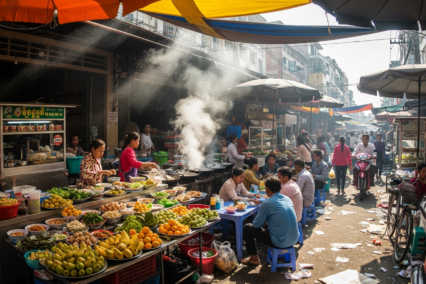
As night comes in Oman, things get more lively. People become more social, and you can see that in the way they eat. People don’t have dinner early. In Oman, dinner often starts after 8 p.m. This meal is not as heavy as lunch. It’s a time for people, friends and family, to sit down, relax, talk, and eat some good food.
The best food at this time is often cooked on grills. You will get skewered meats, fresh seafood, and mezze-style plates on many tables. The smell of spices is everywhere, as both restaurants and street food vendors start up their grills for the night crowd.
A lot of famous Omani dishes taste great late at night. There are savoury pastries with slow-cooked meat and some bright and fresh salads too. There are many things to pick from. You can also enjoy exploring dessert from Oman at dinner. Some favourites are halwa and rose water ice cream, which give a sweet way to end the day.
Conclusion
To sum up, learning about Omani meal times can make your trip better and help you feel closer to the local culture. The warm Omani hospitality and the different customs in each part of Oman give every meal a special touch. When you visit and try to follow these customs, your time at the table feels richer and you start to see the heart of the country. Coming from Canada, you may find these new ways of dining open your mind to the deep, tasty world of Omani cooking, and help you get to know the people in Oman better. If you find yourself enjoying a classic breakfast or spend the evening with new friends, paying attention to the little traditions will make the memories even more special. To get started and dive deep into Oman’s flavors, book a free consultation with us and learn how to enjoy everything this place and its people offer!
Frequently Asked Questions
How do meal times change during Ramadan or holidays in Oman?
During Ramadan, people change when they eat their meals. They do not eat from sunrise to sunset. When the sun goes down, they break their fast with the Iftar meal. They start Iftar with dates and water. After that, they eat a big meal which includes Omani food. Before sunrise, there is a meal called Suhoor. People eat it before they start fasting again. During Eid, Omani food is a big part of the celebration. People enjoy these special meals all day with family and friends.
Are late-night dining options common in Oman?
Yes, many people in Muscat like to eat late at night. You will see that Omani restaurants and cafes often stay open till late. They serve grills, shawarmas, and a lot of other popular foods. For Omani people, getting together and eating late in the evening is part of what they do. It is part of life and what makes their social culture special.
What should tourists know about restaurant hours?
Restaurant hours in Oman can be different from place to place. In Shatti al Qurum, many places serve tourists and stay open longer. But some old-style restaurants may shut their doors in the afternoon after lunch and open again for dinner. It is best to look up the hours before you go.
Are there special meal times for family or cultural events?
Yes, there are different meal times for special occasions like weddings or religious holidays. On these days, people like to have big, long feasts that can go on for a few hours. Many dishes are served at these events, but shuwa, seen as the national dish of Oman, is very special. People in Oman save this dish for these big, happy gatherings. Shuwa is usually the main dish at these parties.