Key Highlights
Here’s what you’ll find about Nigerian meal times:
-
Nigerian meal schedules can change, but breakfast is usually between 7 and 10 in the morning. Lunch is from 1 to 4 in the afternoon. Dinner is between 7 and 9 at night.
-
Meals during the week tend to be quick. On weekends, people make more time for bigger or special meals.
-
If you use a food timetable, you can save time and feel less stressed. It also helps with planning meals that fit your budget.
-
Popular meals are oats for breakfast, rice with stew for lunch, and lighter foods like efo riro at night.
-
Families and students eat in different ways. Students often choose meals that are faster and easier to prepare. Family meals may take more time.
-
You will see a sample meal plan and get some tips to make your own food timetable.
Introduction
Have you ever thought about what meal times are like in Nigeria? If you are from Canada, jumping into another country’s food culture can be a fun trip. The food in Nigeria is rich and full of variety. It is a big part of day-to-day life. To know the meal timetable—when people eat and what they like—you get a good look at the culture. Breakfast is big and dinner is full of stew and flavour. The usual meal schedule in Nigeria has clear times, but it also lets people be flexible. This guide shows you the kinds of meal timetables and stew dishes you can see in homes across Nigeria.
Understanding Traditional Meal Times in Nigeria
In Nigeria, people do not have set times for meals every day. Meal times can change based on when the family wakes up, what they do for work, and how they live. The day is shaped around three main meals: breakfast, lunch, and dinner.
But the meal schedule is not as fixed as it is in Canada. There is more flexibility in Nigeria. When you eat depends on when your day begins and ends. Some people eat breakfast early. Others wait and eat it later in the day. This relaxed way is a big part of how meals work in Nigeria. Now, let’s look at when most people usually eat.
When Do Nigerians Have Breakfast, Lunch, and Dinner?
In Nigeria, people usually have breakfast between 7 a.m. and 10 a.m. This meal is made to be quick. That way, everyone can get to work or school on time. Oats, toast, and akara are well-liked choices because they are fast and fill you up.
Lunch happens most often between 1 p.m. and 4 p.m. This is the most flexible meal in the day. For many, it’s the biggest meal, so you get enough energy for the afternoon. When people eat lunch depends on work or school breaks.
Dinner in Nigeria is usually from 7 p.m. to 9 p.m. It’s a chance for families to be together after a busy day. Some families want a big meal, but many go for something lighter than lunch. That way, no one feels too full when it’s time for bed. This timetable shows the usual times people eat, but these hours can change for most families.
Keywords used: toast, oats, timetable, nigeria
Differences Between Weekday and Weekend Meal Schedules
There is a clear change in the meal timetable in Nigeria when you look at weekdays and weekends. On weekdays, people move fast and look for what is quick and easy. In the morning, things can get busy, so breakfast is often something simple like toast or oats that you can make and eat fast.
But on the weekend, things slow down a lot. People have more time, so families like to make more special meals that take longer. They use this time to cook dishes that are hard to make during a busy week. Because of this, weekend meals become a time for family and friends to enjoy good food and time together.
Here’s how the timetable often changes:
-
Breakfast: During the week, breakfast is easy and quick—with oats or toast. On weekends, breakfast has bigger meals like yam and egg sauce.
-
Lunch: On weekends, people have bigger lunches that come later in the day. Lunch is often the main meal then.
-
Dinner: Dinner can be lighter on weekends because lunch was the big meal.
-
Cooking Style: People use weekends to cook soups and stews in big batches, getting ready for the next week.
This is how mealtime in Nigeria changes from the fast weekday to the slower, more relaxed weekend, all in the timing and food choices like oats and toast.
Common Foods Served at Nigerian Mealtimes
Nigerian food has a lot to offer, with many meals to pick from for any time of the day. People in Nigeria usually start with simple and quick foods for breakfast. At lunch and dinner, you will see meals that are heavier and fill you up more. The way people eat in Nigeria mixes old-style recipes and some new, easy ideas as well.
You will see rice, yams, and plantain show up a lot at the table. But the thing is, people make and eat them in many different ways. It is common to eat a bowl of efo riro, which is a rich spinach stew, or have a good-size meat stew during main meals. Let’s see what food people in Nigeria enjoy eating through the day.
Typical Nigerian Breakfasts, Lunches, and Dinners
A normal day of food in Nigeria shows lots of nice tastes and feels. The meals are made to fill you up and be healthy too. There is a mix of carbs, meat, and veggies.
For breakfast, most people want meals that they can make fast. This is because the morning is a busy time for families. Lunch is usually the biggest meal of the day. Dinner can be a big group meal or just a small plate. It depends on what the family wants.
Some common meal ideas in Nigeria are:
-
Breakfast: Simple and quick. People like things like oats, pap, toast, or akara. These all give energy for the day.
-
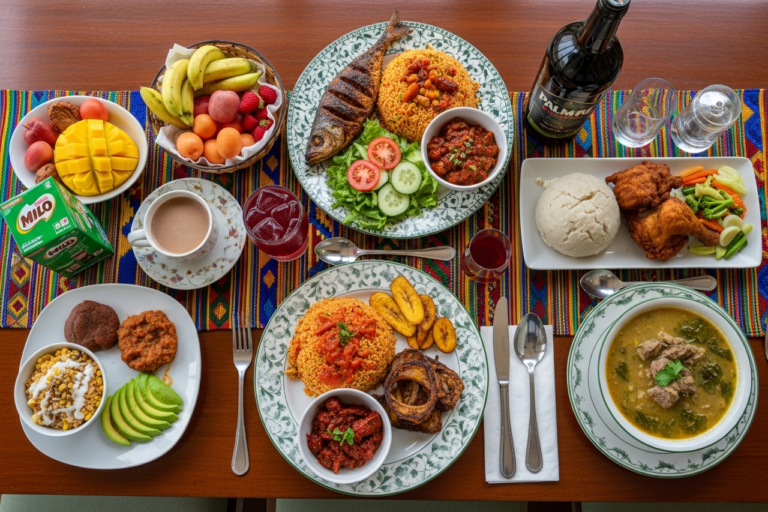
Lunch: There is jollof rice. Sometimes, people have fried rice with chicken. Beans pottage is another choice. “Swallow” foods like fufu are eaten with good soup or stew.
-
Dinner: Often, it looks like lunch, but it can be lighter. You might get yam and plantain with stew. You could also have veggie meals like efo riro.
-
Snacks: Fried plantain, called dodo, is a snack everyone loves. It can go with any meal or be eaten between meals.
Many people in Nigeria like eating toast, plantain, oats, and stew. Efo riro is a popular kind of vegetable soup. All these foods help people get through the day in the best way.
Regional and Cultural Influences on Nigerian Meal Choices
Nigeria has many people from different backgrounds, and you can see this in the food. The foods and times when people eat change from place to place. What they have in Lagos is not the same as what they have in Kano or Calabar.
In the southwest, where most people are Yoruba, there are spicy foods and stews. Efo riro is one of the dishes people like. In the east, Igbo meals include different soups. They make these thick by adding cocoyam or other types of roots. These soups are often eaten with fufu. In the north, Hausa food uses grains, with millet and sorghum being common. Tuwo shinkafa is a famous dish there.
All of these different likes and styles make up part of Nigeria’s food culture. The ways people pick ingredients, cook meals, and what they eat at different times of the day, show how big and unique the food scene is in Nigeria.
Family vs. Student Meal Patterns in Nigeria
The daily food timetable in Nigeria is not the same for everyone. It can be different if you live with your family or if you are a student who stays away from home. Families usually have a set timetable for meals. They often make and eat food together, especially at dinner time.
On the other hand, students in Nigeria do not always eat at the same times every day. Their timetable depends on their class times, when they study, and how much money they have to spend. This can change what kind of food they pick and when they eat. In the next part, we will talk more about these food timetable routines in Nigeria.
Daily Eating Routines in Nigerian Families
In a typical Nigerian family, meal times help keep the day organized. A food timetable helps parents plan shopping and cooking. This means everyone, especially kids going to school, gets a good and balanced meal.
Breakfast is often early so people can get ready for the day. Lunch is sometimes packed up for children going to school and adults going to work. Dinner is usually the main meal for all. Everyone sits together at the table, eats, and talks about their day. For many, dinner is the most important time for family connection. This meal is usually between 7 p.m. and 9 p.m.
Here’s an idea of what meal routines can look like:
-
Weekend Cooking: Families often cook big pots of stew or soups on weekends. This helps with fast meal prep when the week gets busy.
-
Variety is Key: A food timetable often includes different foods like rice, yam, and plantain. This keeps the menu fresh and gives meals the nutrition families need.
-
Shared Meals: Almost every dinner is enjoyed together. It helps keep families close.
A family timetable is a good way to use time well and make sure everyone eats food that is good for them.
How Nigerian Students Manage Their Meals
For Nigerian students, the way they handle meals is not the same as being at home. This is true for those living in hostels or off-campus. Without family around, the timetable can change often. They make plans for food based on their lectures, study time, and what else they have to do in a day.
The main things here are ease and cost. Many students like using foods that are fast to cook like instant noodles, toast, or rice dishes. Before early classes, they often have oats or cereal for breakfast. Some students work together when cooking to save both money and time. Others often get their meals from campus cafeterias or food sellers nearby.
To get by, students need to be flexible. The lunch time can be different each day. One day it can be at 1 p.m., the next day, it could be at 4 p.m. This depends on their class timetable. For most, the main thing is to eat food that will fill them up and not cost too much. They are not after a strict meal plan, but something that fits into their day.
Approaches to Nigerian Meal Planning and Timetables
Making a food timetable is common in Nigeria, and it helps people figure out what to cook each day. It is good for busy parents and people who work a lot. Having a food timetable in place can save time, cut down on food waste, and make sure the family gets balanced meals. With this plan, you do not have to spend time thinking about “what’s for dinner?”
The planning can be very simple, like writing down meal ideas for a week. Or, it can be more set, like making a menu that changes every week. The point is to make a timetable that suits each family and what they like. Here is a sample timetable and a few tips to help you use your food timetable well.
Sample Weekly Nigerian Food Timetable
Having a food timetable can be a lifesaver, especially during busy weeks. It helps you organize your grocery shopping and takes the daily stress out of meal decisions. A good timetable includes a mix of quick weekday meals and more traditional, time-intensive dishes for the weekend.
You can customize it based on your family’s favourites, but the key is to include variety. Rotating between different carbohydrates like rice, yam, and plantain, and different proteins and vegetables, keeps meals from becoming boring.
Here is a sample weekly food timetable to give you some ideas:
|
Day |
Breakfast |
Lunch |
Dinner |
|---|---|---|---|
|
Monday |
Oats or Pap |
Jollof Rice and Chicken |
Yam and Egg Sauce |
|
Tuesday |
Toast and Egg |
Beans Pottage |
Swallow with Efo Riro |
|
Wednesday |
Cereal or Akara |
Spaghetti with Stew |
Plantain with Fish Stew |
|
Thursday |
Bread and Peanut Butter |
Fried Rice |
Lighter Soup |
|
Friday |
Noodles |
Rice and Stew |
Fried Plantain (Dodo) |
|
Saturday |
Yam Porridge |
Swallow with Egusi Soup |
Grilled Fish and Salad |
|
Sunday |
Pancakes |
Sunday Rice (Special Jollof) |
Leftovers or a Light Meal |
Tips for Sticking to a Nigerian Food Schedule
Making a food timetable is a good start, but it’s keeping to it that really helps. It can be hard to stay on plan when you have a lot going on. Still, with some easy steps, you can make the timetable work for you and your family.
You need to be ready. Just a little bit of planning can help a lot during busy days. It stops the urge to grab takeout at the last minute and helps use what you have bought. Remember that it’s fine to be flexible. The timetable is just there to guide you, not as a firm rule.
Here are some tips to help you stick with your food timetable:
-
Batch Prep on Weekends: Make stews, soups, or sauces in big batches on the weekend. Freeze them in parts to use for fast meals during the week.
-
Get Family Input: Ask your family for help making the plan. When they get to say what the menu is, they may enjoy meals more.
-
Keep it Simple on Weekdays: Leave hard recipes for the weekend. Go for easy meals like pasta, stir-fries, or meals with your stew you prepped earlier.
-
Prep Ingredients in Advance: Wash and chop veggies or boil eggs before. This will help make cooking time shorter.
Modern Lifestyles and Changing Meal Times
Modern life in Nigeria, especially in busy cities, is changing how people eat. With hectic jobs, long drives, and a fast-paced way of living, people often do not have much time to cook at home.
This change has affected the daily meal timetable. Many busy Nigerians are finding new ways to organize their meals. They want convenience but also want traditional flavours. Let’s see how they make these changes.
How Busy Nigerians Organize Their Meals
Busy Nigerians have found smart ways to handle meals with their tight schedules. Meal planning is key for many, but people change it up to fit their fast lives. The goal is to have good food and not spend all day cooking.
A lot of people use both home cooking and easy meal options. This mix lets them enjoy the taste of home but also gives them more free time during the week. Most still keep the usual three meal routine, but how they get ready for it is not the same as before.
Here are some well-known ways:
-
Weekend Meal Prep: This way is what most people choose. I see many workers spend some time on Sunday cooking stews, soups, and grains. They make big amounts to last through the week.
-
Leveraging Frozen Foods: Using frozen, ready meals and sauces helps a lot. It lets them put a quick dinner on the table after a long workday.
-
Using Food Services: More people are using food delivery or buying meals from local shops for lunch or dinner.
Stew is often a top pick in these meal plans, helping them get nice flavours without losing time.
Adapting Traditional Meal Times in Urban Areas
In Nigeria’s big cities such as Lagos and Abuja, sticking to the old meal timetable can be hard. The long travel from home to work and tough job hours mean that many eat when they can, not at set times. Breakfast is often grabbed while people are on the move. Lunch will be quick, usually at the office.
Dinner may end up being much later, depending on what time folks get home. Because of this, meals that are fast to make are now more popular. People like foods that use pre-cooked stew or can be reheated. Rice and plantain are good picks for this reason.
But, many still enjoy the taste of traditional Nigerian food. Some change their recipes to save time or use the weekend to cook ahead for the week. The love of local flavour is strong, and people find ways to fit their favourite meals into their busy timetable.
Conclusion
In the end, knowing when people eat in Nigeria helps you see parts of its culture. There is both old and new mixed in meal times. The foods for breakfast, lunch, and dinner are different. The habits also change for families and students. Every meal shows what people care about, and what is important to them and the people around them. In big cities, people start to change the way they eat. But most still remember where their food comes from. If you want to try meal ideas from Nigeria or just learn about the culture, these details will help you feel closer to Nigerian food. Want some help or ideas? Get our Nigerian food timetable. It can help you plan food for your day and get you excited for tasty meals!
Downloadable Nigerian food timetable
Keywords: food timetable, timetable, nigeria
Frequently Asked Questions
What time do most Nigerians eat dinner?
Most Nigerian families have dinner between 7 p.m. and 9 p.m. It is a time when the family comes together after the day. Some like to eat a big meal. Many others want dinner to be light with dishes like plantain and stew, or sometimes just a simple soup.
Are there differences in meal times across Nigeria’s regions?
There can be small changes in when people eat and big differences in what food people choose across Nigeria. For example, a southwest dinner can have spicy efo riro, but a family in the north may eat something made of grains. Still, the main timetable in Nigeria stays about the same.
Where can I find a downloadable Nigerian food timetable?
You can get Nigerian food timetable downloads on food blogs and cooking websites. Many Nigerian bloggers, like Sisi Yemmie and 1Q Food Platter, share easy meal plans and timetables. Sometimes you will find these as free downloads or for a small fee. They are great to help you plan your meals each week.