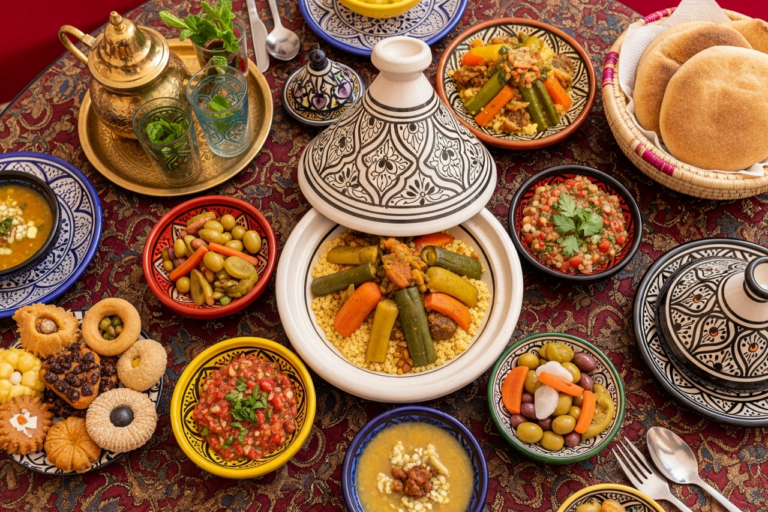
Key Highlights
-
Discover the heart of Moroccan cuisine. Meals here are all about people coming together and enjoying great flavour.
-
Lunch is the main meal of the day. It often has tagine or couscous. Dinner is usually lighter.
-
Eating with your right hand is important in Moroccan dining. It is a big part of their etiquette.
-
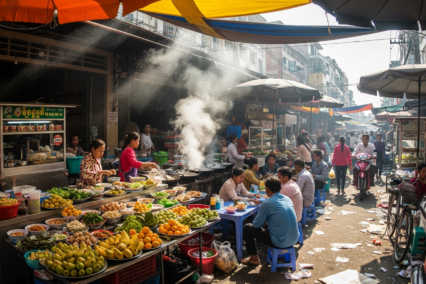
Make sure to try some street food. You will find savoury brochettes and also sweet pastries.
-
Mint tea is at the centre of their hospitality. It is given to guests as a sign of friendship and welcome.
-
Breakfast is a simple meal. Most people eat fresh bread with olive oil and jam.
Introduction
Welcome to the colourful world of Moroccan dining! When you travel to Morocco, you will find that the food is only part of the experience. Meal times are a big part of the culture in Morocco. People come together at the table, share good food, and show great hospitality. If you are Canadian, learning the flow of a Moroccan meal can change your visit. It will not just be a trip. You will get to truly be part of things. Each dish you taste will have its own story, and you will see how important food is to people there. Get ready to enjoy the flavours and feel at home with the warm welcome.
Understanding Moroccan Meal Culture
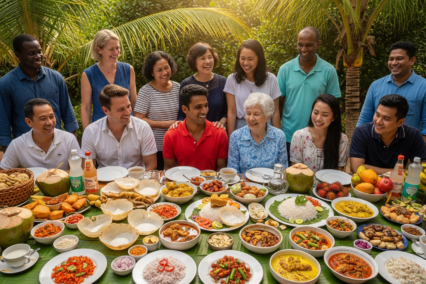
Moroccan meal culture shows how people come together and welcome others. It’s not rushed like some meals you may know. Moroccans take their time eating as a group, and they really value being with family and friends. Meals turn into social events, especially during special occasions. People gather around to share food and talk.
Moroccan cuisine always focuses on sharing. You see that in their dining etiquette. The meal is slow, and it is about relaxing, talking, and enjoying the hospitality that Moroccans are known for. Now, let’s see how this plays out for families and in city life.
The Importance of Shared Family Meals
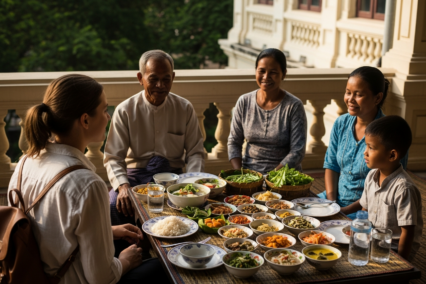
For Moroccans, family meals are a big part of everyday life. Most families sit down for food together at the same time, which helps keep their bonds strong and their customs alive. When everyone gets together, it is about more than just eating. People share stories, and their connections grow. The host will often say “Bismillah” before the food starts, so everyone knows it is time to eat.
The dining etiquette at these meals matters. Food comes in a big dish for everyone. Each person eats the food right in front of them. Moroccans use their right hand when eating, and they often grab pieces of bread to scoop up sauces or tagines. This way of eating is fun, close, and feels friendly.
This kind of shared meal shows true hospitality. Guests are invited in and made to feel like part of the family. It does not matter if it is couscous on Friday or just a small meal during the week. If you sit down to eat with a Moroccan family, you get a taste of the country and the people’s kindness that you will remember.
Tradition Versus Modern Habits in Urban Areas
While tradition is still strong, life in Morocco’s busy cities has brought some changes to how people eat. In places like Casablanca, Rabat, and Marrakech, things move fast. This can change when and how Moroccans have their meals. For example, lunch breaks can be shorter now, and many have dinner later, more like they do in Europe.
Even with these changes, the heart of a Moroccan meal is still there. Many people still see lunch as the most important meal of the day. In the evening, families and friends get together, but now they might meet at cafes or restaurants more often than they did before.
In tourist areas and around the busy medinas, you will see a mix of old and new. Some restaurants, especially in these spots, are ready for visitors from all over and give people more choices about when to eat. Still, the old way is not lost. You might walk out of a modern cafe and see a street vendor serving food that has been loved for many years. This really shows how Morocco keeps its traditions while also making space for new ways of eating.
Typical Breakfast Time in Morocco
In Morocco, people eat breakfast between 7 AM and 10 AM. The meal is simple but it helps you feel full and ready to start your day. Moroccan breakfast is not like the big breakfasts you see in North America. It is usually lighter. The meal has a lot of fresh bread with sweet things on the side.
This first meal is a nice way to start eating in Morocco. You often get fresh bread with olive oil, butter, and jam. A glass of hot mint tea or coffee is usually there, too. It gives you a warm and good start to the day. We will now look at some well-known foods and breakfast habits in Morocco.
Popular Moroccan Breakfast Foods and Customs
A regular Moroccan breakfast has simple and tasty foods. The main item is fresh bread, called khobz. You use it to scoop up all sorts of toppings. It is mostly served with small bowls of olive oil, argan oil, honey, and different jams.
If you want something that fills you up, you can try beghrir. It is a soft pancake made of semolina. You put honey and butter on top and it soaks right in. Another good thing to eat in the morning is fried eggs cooked in olive oil. These eggs usually come with olives and cheese. When you want a drink, you go for fresh orange juice or a hot glass of mint tea made with green tea and mint.
Here are some breakfast foods you should try:
-
Beghrir: Soft semolina pancakes. People like to put honey and butter on them.
-
Khobz: This is the usual Moroccan flatbread. It is great for dipping.
-
Shakshuka: Eggs cooked in a tasty sauce of tomato, pepper, and onion.
-
Pastries: Light and sweet treats to enjoy in the morning.
How Breakfast Schedules Differ from Canadian Routines
For people in Canada, having a quick bowl of cereal or picking up breakfast to go is pretty normal. The way that people start the day in Morocco can feel more easygoing. Sometimes, Moroccans make a simple meal at home. It is also common to see people enjoying their moroccan breakfast at cafes. They take their time before work starts and sit with friends to eat.
The time for breakfast is not rushed, like what you see in a North American 9-to-5 day. Breakfast in Morocco is a chance to slow down. That is one thing you will notice. There are not very many drive-thrus in Morocco. People sit, talk, and eat their food at cafes.
What you find for breakfast is also a bit different. In Canada, lots of people want bacon and eggs. Moroccans like foods such as fresh bread, sweet spreads, fruit, and pastries. A moroccan breakfast feels lighter and sweeter. It gives the start of the day a new pace. It is not the same as what you are used to in Canada.
Lunch in Morocco: When and What to Expect
Lunch is the main event in the Moroccan culinary day. Most people have it between 12 PM and 3 PM. At this time, you get the heartiest and most rich dishes from Moroccan cuisine. In Morocco, lunch is not just a quick sandwich by your desk. People use this time to pause, get together, and enjoy a big meal.
You can expect to find classic dishes like tagine. This is a slow-cooked stew that people make in a conical clay pot. Couscous is also common, especially on Fridays. Both dishes often have tender lamb or chicken, fresh vegetables, and lots of spices. The next sections will show you more about what to expect from this special midday meal.
Common Lunch Hours and Dishes in Morocco
Most Moroccans have their midday meal between 1 PM and 3 PM. This period is often a break from work or school, allowing families to gather for the most important meal of the day. Restaurants will be at their busiest during these hours, serving up a variety of traditional dishes.
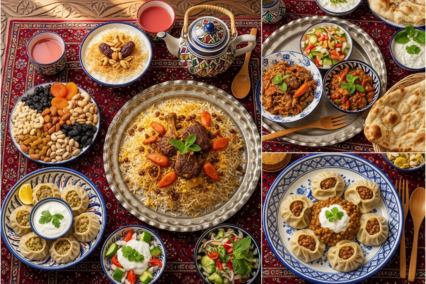
Lunch menus are filled with comforting and flavourful options. A hearty stew or a thick soup like bissara (fava bean soup) might start the meal, followed by a main course. This is often a tagine with tender chunks of meat and vegetables, or on Fridays, the national dish, couscous. Accompaniments like olives, salads, and fresh baguettes with olive oil are always on the table.
To finish, a selection of pastries or fresh fruit might be offered, often paired with another glass of tea or fresh orange juice.
|
Meal Component |
Common Dishes |
|---|---|
|
Starter |
Bissara (thick soup), various cooked vegetable salads |
|
Main Course |
Tagine (chicken, lamb, or kefta), Couscous (especially on Fridays) |
|
Accompaniments |
Fresh bread (khobz), olives, harissa (chili paste) |
|
Dessert |
Fresh fruit, selection of pastries |
Lunch as the Main Meal of the Day
In Morocco, lunch is the most important meal of the day. This is different from what people do in Canada, where the lunch is often small and dinner is bigger. For Moroccans, lunch is a big meal with many dishes. It gives people most of their energy for the rest of the day.
You can see how important lunch is in the types of food on the table. At lunch, you might see a large plate of couscous or a tasty tagine that has been cooking slowly in a conical clay pot. The food is made for sharing, and this shows how people value being together while they eat. Hospitality is an important part of this time, and everyone at the table is made to feel cared for. The hosts want all their guests to eat well and feel good.
After eating such a filling lunch, people take the rest of the day at a slower pace. Dinner is much lighter, so lunch really stands out as the meal that brings everyone together. When you follow this way of eating, you get the best of Morocco’s flavours right when you are most hungry.
Dinner Rituals and Timings in Morocco
Dinner in Morocco is a relaxed and light meal. People eat it later at night, usually between 8 PM and 10 PM. In the summer, they may sit down to eat even later. This time is not just for food, but also to wind down with family or friends.
A big tagine could be served again on special occasions. But on most weeknights, dinner is simple. People often have lighter stews, grilled meats, soups, or salads. One thing that every evening seems to have is mint tea. Let’s look at when dinner happens and what foods you can enjoy at your evening meal.
Usual Evening Meal Times Across Different Regions
Dinner time in Morocco is often later than what many people in Canada expect. Most Moroccans usually eat their evening meal between 8 PM and 10 PM. When it gets really hot in the summer, people might wait even longer for dinner. This helps them avoid eating when the day is still warm.
You will notice different dinner times in other places. In bigger cities such as Casablanca and Marrakech, many restaurants and homes have dinner even later. This is because of the modern and European ways in these cities. If you are in more traditional places like Fez, or inside a riad in the medina, dinner can be a bit earlier. But it still almost never starts before 8 PM.
If you are visiting, get ready to change your idea about when to eat. If you get to a restaurant at 6 PM, you might see there are not many people. Try to plan for a later dinner. You can use the extra time for a walk or have a small snack before the main meal. Enjoying dinner like Moroccans do is a special part of spending time in morocco, whether it’s in a quiet spot in the medina, or out in lively marrakech, fez or casablanca.
Dinner Foods and What’s Served Later at Night
Dinner in Morocco is usually lighter because lunch is the main meal of the day. But lighter food does not mean it is less tasty. In the evening, you can have many dishes that will make you happy. There are grilled meats, such as brochettes of lamb with cumin. These are a favourite for many people.
There are also soups, salads, and smaller plates on the table. You might find a light stew, a sandwich filled with lamb, lettuce, or just flatbread with olives and cheese. These foods are not heavy. They help you not feel too full or heavy before going to bed.
Dinner is not always the end of the evening. Later at night, it is common to have a cup of hot mint tea. People might enjoy it with a few nuts or a sweet treat.
Here’s what you might find on a Moroccan dinner table:
-
Grilled brochettes (kebabs)
-
Light soups or stews
-
A variety of salads
-
Maâkouda (potato fritters), sometimes in a sandwich
-
Flatbread with olives and cheese
Snacks and Tea Breaks Between Meals
In Morocco, people like to enjoy snacks and tea between main meals. One important time for this is afternoon tea, or “goûter.” This takes place between 4 PM and 6 PM. It is not just about drinking tea fast. It is a time that people look forward to and enjoy.
At this time, people stop what they are doing, talk with each other, and have something sweet. The main drink is usually Moroccan mint tea. This tea is made with green tea, mint, and sugar, and it is strong and sweet. People often drink it with a selection of pastries, some nuts like almonds, or other small snacks. These snack times are an important part of life in Morocco. They help people connect. Now, let’s look at why mint tea is important and what people eat during these snack breaks.
The Cultural Significance of Moroccan Mint Tea
Moroccan mint tea, which some people call “Berber whiskey,” is not only a drink. It is a strong sign of hospitality, friendship, and old ways. You will get a glass of this sweet mint tea almost anywhere you go. People serve it when you arrive at a riad, before a business talk, or when you visit their home.
Making Moroccan mint tea feels like taking part in a ceremony. To start, you steep green tea with a lot of fresh mint—the kind people call nana mint. Then, you put in lots of sugar. When the tea is ready, you pour it from up high into small glasses. This helps bring out foam and air in the tea.
If you say no to mint tea, people can think it is rude. So, it is a good idea to say yes and drink it with a smile. People serve it in the morning, at noon, and at night during social times and afternoon rests. You also get it with sweets or almonds. Sharing this mint tea is a big part of life in Morocco. It is a nice and warm tradition that you will enjoy.
Timing and Foods for Midday Snacks (“Goûter”)
The well-liked Moroccan afternoon snack, called “goûter,” usually takes place between 4 PM and 6 PM. It is a good time to fill the space between a big lunch and a late dinner. At this time, people want to relax and get some energy back. Often, they share this snack with family, friends, or other people from work at a cafe.
Goûter is not just a small bite. It is a nice little meal you can look forward to. The snacks here are mostly sweet. There is a tasty selection of pastries you can pick from, like cornes de gazelle made with almond filling, or chebakia covered in honey. In the warmer months, people like to have fresh fruit, too.
A drink is always part of the goûter. The best match is hot mint tea. You can try fresh orange juice or lemon juice instead if you want something cold.
Here are some well-known goûter treats:
-
A selection of Moroccan pastries
-
Fresh seasonal fruit
-
Beghrir or msemen (flaky square pancakes)
-
Nuts, especially almonds and walnuts
-
Served with mint tea or fresh juice
Variations in Meal Times: Weekends, Ramadan, and Special Days
The schedule for meals in Morocco is not always the same. It changes with how people live, especially on weekends, in Ramadan, or for special occasions. On weekends, meals are slower and more relaxed. People often bring family and friends together and have a long Moroccan meal.
The biggest change is during Ramadan. At this time, everyone in Morocco eats at different times. Meals are switched to fit Ramadan. To enjoy the country and its hospitality, you need to know these changes, as they are part of daily life. The next sections will talk about how these special occasions or Ramadan change the way people eat in Morocco.
How Ramadan and Holidays Change Eating Schedules
Ramadan brings big changes to daily eating in Morocco. During this month, Moroccans do not eat or drink from sunrise to sunset. The whole day moves at a slower pace while people wait. Then, when the sun goes down, life in the city gets busier and everyone is ready to eat.
The fast is ended with a meal called iftar. This meal is something special for the people. It often begins with dates, some milk, and harira, which is a warm soup. After that, you see sweets, pastries, and more tasty food from Moroccan cuisine on the table. Many restaurants that close during the day will open for iftar, and they have menus made just for this meal.
Other times in the year, including holidays and special occasions, also show off special food and the big family get-togethers. These moments highlight how good Moroccan hospitality is. Still, you should remember that restaurants might change their opening times or close early during these events. So, it is smart to plan earlier if you want to enjoy more of Morocco and its cuisine.
Regional Differences in Moroccan Meal Times
You will often see that people in Morocco eat a big lunch and a later dinner. Still, when you go from one place to another, you will spot some small changes in when people eat. These shifts come because of things like the weather, how people live, and if there are many tourists.
In big and busy cities, such as Casablanca or Rabat, people may eat on a more set schedule. The workday has a lot to do with this. But, dinner is still late, just not as much as in other areas. In places like Marrakech or Fez, where lots of tourists come, restaurants in the medina try to match the hours of those travelers. Still, the people who live there stick to late-night meals. If you go to some coastal towns, meal times often go with the fishing day. People eat a lot of fresh fish for dinner when new fish come in.
Here are some things people notice:
-
Major Cities (Casablanca, Rabat): Dinner will often start after 9 PM. This shows the big cities try to keep up with some European habits, but stay on a relaxed time.
-
Tourist Hubs (Marrakech, Fez): You can find many places to eat at almost any time, but you will see that most locals still come out to eat later.
-
Coastal Areas: This is where eating takes its time. People wait for the fresh seafood that is caught close by
Conclusion
To sum up, when you learn about meal times in Morocco, you get to see how rich and lively the culture around food is. Moroccans like to have family meals together. They value spending time with others while eating breakfast, lunch, and dinner. The people of Morocco put a lot of care into their food traditions. These things may not be the same as what you see in Canada, but you can enjoy trying something new. Take this time to try moroccan cuisine at its best. If you want to know more about the food and culture in Morocco, or you plan to go there, you can ask for a free talk to make your trip better.