Key Highlights
Here’s a look at what we will talk about when it comes to Jordanian meal times.
-
Jordanian meal times are usually later than those in Canada. Lunch is the main meal of the day.
-
In Jordanian culture, people often have a lighter dinner. This meal sometimes happens after 9 p.m.
-
Meals are a big social event, so it is a good idea to say yes if you get a Jordanian invitation.
-
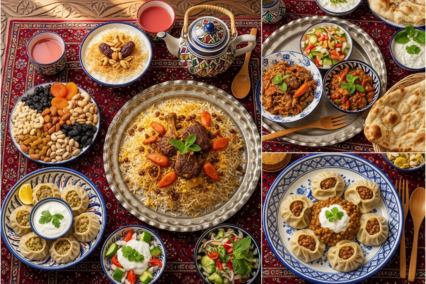
Be ready to try Mansaf, which is the national dish. People often serve it on special occasions.
-
If you want to enjoy Jordanian food, it helps to know the local customs. For example, use your right hand to eat.
Introduction
Are you planning a trip to Jordan? Get ready for a great time. You will see old sites and amazing places. One of the best things to do in this country in the Middle East is try the food. Jordanian cuisine has a big taste. It is full of history and ways people cook and share food. The national dish of Jordan, Mansaf, and the tasty mezze will make each meal feel special. This guide will help you know the meal times and ways to eat in Jordan.
Understanding Jordanian Meal Times
When you go to Jordan, you will see right away that meal times mean a lot in jordanian culture. Meals are not rushed here, and people often eat later than you may be used to in Canada. Lunch is the main meal. It is big and people like to sit with their family and friends.
If you get used to the way people eat in Jordan, it will help you enjoy your trip. You can really get into the everyday life. If you know which time of day is best for each meal, you can plan what you want to do. This also helps you find some great jordanian food.
Typical Breakfast, Lunch, and Dinner Hours in Jordan
Jordanian meal times follow a distinct schedule that might differ from what you’re used to back home. Breakfast is usually eaten early, while lunch, the largest meal of the day, is served in the mid-afternoon. Dinner is a lighter and much later affair.
This schedule allows for a slower, more social approach to eating. It’s common for main dishes, and even the national dish of Jordan, to be served for lunch rather than dinner. This rhythm is influenced by both cultural traditions and the climate.
To give you a clearer idea, here’s a simple breakdown of the typical time of day for meals in Jordan.
|
Meal |
Typical Time in Jordan |
|---|---|
|
Breakfast |
7:00 AM – 9:00 AM |
|
Lunch |
2:00 PM – 4:00 PM |
|
Dinner |
8:00 PM – 10:00 PM (or later) |
How Meal Times Differ from Canada
For Canadians who travel in Jordan, meal times are quite different. In Canada and the United States, dinner is the main meal of the day. People there eat it around 6 or 7 p.m. But in Jordanian culture, lunch is the most important meal, and it happens much later. People have it between 2 and 4 p.m.
Because of this, dinners in Jordan are lighter. People eat them late at night, often after 9 p.m. This way of eating is common in the Middle East. People in this area like to rest or do easy things during the hottest part of the day. In the evening, when it is cooler, more people gather and enjoy time together.
Getting used to these meal times is part of enjoying jordanian cuisine and jordanian culture. It lets you slow down and see a new way to plan your day around food with other people. If you try these late meal times, you will feel more in step with life in Jordan and the Middle East.
Customs and Traditions Around Eating in Jordan
In Jordanian culture, a meal is more than eating. It is about people coming together. Meals are a big social event that show tradition and hospitality. Sharing the meal of the day is how you show friendship, respect, and that you care for others. Getting a Jordanian invitation to dine is a great honour. It’s a good way to see the real local life.
The customs around jordanian food are an important part of jordanian culture. The way food gets served and how you act at the table shows the value of being with people and sharing. This is all about community. Here are some key social things and tips for eating the jordanian way.
Social Aspects of Mealtimes
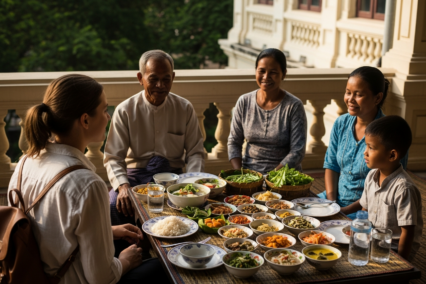
Mealtimes in Jordan are about being with people. These moments give you time to connect with others. You can be with family, with friends, or even with new people. Sharing food is a big part of jordanian culture, and it is the top way people show they care. People do not rush at these meals. They talk, laugh, and use this time to get closer to each other.
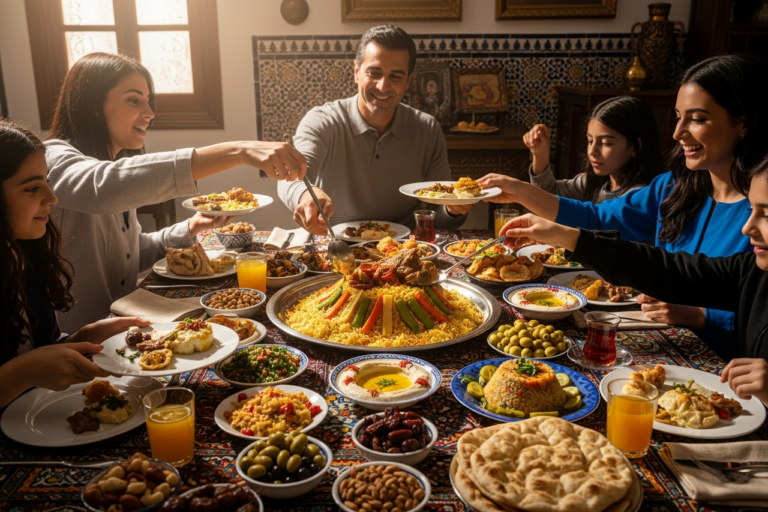
When you get a jordanian invitation to eat, it comes from the heart. The people want you to sit with them at home and feel like you belong. These social gatherings always come with a lot of food. People use big dishes, and everyone eats from the same plate. It brings people together and helps everyone feel welcome.
Here are a few things to remember about these social events:
-
Meals really matter, so take your time. Enjoy being there and talking with people.
-
Go if you can when you get a jordanian invitation. Going means you see the kindness in others.
-
With jordanian food, people use big platters and you share together.
-
There is always a lot of food. That just shows your host wants you to feel happy and at home.
Cultural Etiquette Canadians Should Know
When you get invited to eat with a local family, it helps to know a few things about jordanian culture. Using your right hand to eat or pass food is important. People think the left hand is not clean. So, try to use your right hand, especially when sharing food.
The host may offer you more of the main dishes several times. It is nice to take at least a second serving to show you like the food and appreciate the jordanian invitation. When you can’t eat more, it is alright to say “Al-hamdu lil-lah.” This means “thanks to God” and tells everyone you are happy with the meal.
Here are a few easy tips for your jordanian dining experience:
-
Always use your right hand to eat and touch the food.
-
Taking a second helping is a good way to say thanks to the host.
-
Watch what your host does to see if you should use cutlery or your hands.
-
If you get a jordanian invitation, it is a great way to spend time with a local family and learn more about the culture.
Foods Traditionally Enjoyed During Jordanian Breakfast
A Jordanian breakfast is a great way to start the day. It is different from having just coffee and toast. The food here is a tasty mix that is made to be shared with others and to enjoy together. You will see many dips, breads, and small plates. These are not only good, but they also help keep you full for a full day of discovering new things.
The main dishes you get in a Jordanian breakfast are an important part of Jordanian cuisine. They taste fresh and are easy to make. But the flavour is still very strong. Here, we look at some dishes and drinks you should try. We also tell you where you can find a real breakfast like this.
Popular Dishes and Beverages
The main part of many Jordanian breakfasts is the mix of mezze, or small dishes. You will always find creamy hummus in the spread. This smooth dip is made from chickpeas, tahini, lemon juice, and olive oil. It is often a side dish, and it tastes great when eaten with warm pita bread. Another favourite is baba ghanoush. This dip has a smoky taste and is made from eggplants.
At breakfast, you will see foul medames a lot. This is a filling plate of cooked fava beans mixed with garlic and lemon juice. Falafel is another popular item. It is made from ground chickpeas and fresh herbs, and usually comes with vegetables and pickles. Many like to add toppings, such as sesame seeds or pine nuts, to make it full of flavour and texture.
Most people drink sweet mint tea, or strong Turkish coffee with their meal. Here is what you can find at a typical Jordanian breakfast:
-
Creamy hummus and baba ghanoush served with pita bread.
-
Falafel, made with fresh herbs that give a green colour.
-
Foul medames, which is a plate of cooked fava beans.
-
Labneh, a thick tangy yoghurt, often served with olive oil.
Where Canadians Can Try Authentic Jordanian Breakfasts
For a taste you won’t forget, try some Jordanian cuisine at one of Amman’s top spots. You should go to Hashem Restaurant in downtown Amman. It is simple but famous, and many say it has the best falafel and hummus in the city. There are often lots of people, and the place feels real. Your meal will not cost you much—a few dinars is all you need.
If you want a newer take on the old flavours, try Shams El Balad. This is a farm-to-table café, and you will enjoy the nice setting, as well as the fresh and tasty breakfast plates. In the evening, Shawarma Reem is well known for snacks, but in the morning, a lot of small bakeries and restaurants make great breakfasts too.
But if you want the most real experience, you should share a meal with a local family. If you are in Wadi Rum or stay with a host, the breakfast they make for you will be special and something you remember. And for something sweet to end your meal, stop by Habibah Sweets. Their kunafa is a treat, even if it is not part of a usual breakfast!
Late Dinners and Evening Meals in Jordanian Culture
Late dinners are a big part of Jordanian culture. After a big and slow lunch in the afternoon, people have a lighter meal much later than in Canada. Families or friends often get together for dinner at 9 p.m. or even later, especially when it is warm outside.
These evening meals are more relaxed than the big lunch. You may not see the national dish on a large platter at this time. Instead, there are smaller main dishes and snacks to enjoy. This way of living lets people stay out and eat together late into the night, making the social scene lively and bright.
Reasons for Later Dining Hours
In Jordanian culture, people often eat dinner late in the evening. There are a few reasons for this. The first reason is the weather. It can be very hot during the day, especially in the summer. The heat makes eating a big, warm meal early in the evening not very pleasant. When the air gets cooler, people feel more ready to eat and do more.
This habit is also about being social. Dinner is a relaxed social event in Jordan. It is a time to sit back with family and friends after you finish your work and daily tasks. Lunch is usually the biggest meal of the day, so dinner is smaller and more about being with people and less about filling up on food. Eating later lets people take their time to talk and enjoy each other’s company in the best time of day.
Here are some reasons for late dinners in Jordan:
-
The hot climate makes cooler evening hours more pleasant for eating.
-
Lunch is the main meal, so dinner is a lighter, more casual affair.
-
Late dinners provide a time for social gatherings after work and other duties.
-
It’s a chance to enjoy the vibrant nightlife and cooler temperatures.
Comparing Evening Meals Between Jordan and Canada
The way people eat their evening meal in Jordan and Canada is not the same. In Canada, dinner is the biggest meal of the day. Families now get together at around 6 p.m., after work and school. It is a full meal and has lots for people.
In Jordan, lunch is the main meal. The meal at night is not as big. It is different than in Canada. Jordanian dinners are small and not fancy. People like to have mezze, sandwiches, or an easy chicken dish. You do not often see a big rice dish that is set on a bed of rice. all over the Middle East, people eat light food and often just talk with each other in the evening.
The way people pick their meal times shows more about life in these places. Canadians follow a set plan, which has dinner as the time when the day ends. In Jordan, people change their timing as needed, stay cool, and connect more in the evening.
[middle east chicken dish rice dish bed of rice]
Meal Times During Holidays and Special Occasions
During holidays and special occasions, meal time is extra important in Jordanian culture. These big meals are a time for families and friends to get together. They come to share in the good times and enjoy each other’s company. The time people eat can change, but the focus on being together and having plenty of food stays the same.
Whether it’s the holy month of Ramadan or another special event, food always has a big place. People make special Jordanian dish recipes. Everyone’s day is planned around these gatherings. Now, let’s see how eating schedules are different during Ramadan and other celebrations in Jordanian culture.
Changes in Eating Schedules During Ramadan
During the holy month of Ramadan in Jordan, daily life and meal times change a lot. Muslims do not eat or drink from sunrise to sunset. This changes when the normal meals happen. The fast is broken at sunset with a meal called Iftar. Iftar is a big event for families and friends.
Iftar usually starts with dates and water. After that, people eat a feast with main dishes. This meal sometimes has hearty soups and salads. You can also find rice dish options and meats. People then go to social gatherings with others. These gatherings often last late into the night, and more food and sweets are eaten.
Before the sun comes up, there is another meal called Suhoor. This meal helps give energy for the next day of fasting. During Ramadan, you will see different special foods. There are stuffed grape leaves and plates with jameed sauce. These meals, like main dishes made with grape leaves or rice, are shared with family and friends. Ramadan is about coming together around Iftar and Suhoor.
Celebratory Meals for Jordanian Festivals
Jordanian festivals and special occasions are the time for big meals with family and friends. These days, such as Eid al-Fitr and Eid al-Adha, do not have a set time for eating. But the food is always a big part of the day. Every table is full of dishes made the Jordanian way.
You will almost always get Mansaf, which is known as the national dish of Jordan. People work hard to make many other tasty foods too. Some of them are Maqluba, an “upside-down” rice dish with meat, and Warak Enab, which are grape leaves stuffed with a mixture of rice and meat. These foods look good too. People often cover them with fresh herbs and pine nuts.
Food on these special occasions shows how much Jordanians care about being with other people and sharing. Here are some dishes you can see at a big feast:
-
Mansaf, the ceremonial lamb and rice dish.
-
Maqluba, a pot of layered meat, vegetables, and rice flipped upside down.
-
Warak Enab, grape leaves stuffed with a mixture of rice and meat.
-
A wide assortment of mezze and grilled meats.
Conclusion
To sum up, knowing when people eat meals in Jordan can make your trip better. When you learn about common eating times, what people eat for breakfast and dinner, and their meal habits, you get to enjoy more of local life. By doing this, you show respect for their way of life and get a real feel for the place. Meal times in Jordan are often social. You can sit down with local people and taste the real jordanian cuisine.
If you have dinner late or are there for one of their special occasions, following these food customs will help you have a good time. These small things can help make your visit stand out. If you want to know more about jordanian cuisine and their way of life, you can get a free consultation for helpful, personal advice for your trip.
Frequently Asked Questions
Do restaurants in Jordan follow fixed meal time schedules?
Most restaurants, mainly the ones for locals, follow Jordanian culture. They usually serve main dishes at a later lunch time. But if you are in a big city or tourist spot, you will see there are many places open all through the day. Street food in these areas is a good way to get a meal of the day whenever you want. The food from these stalls is tasty and easy to find.
Is fasting common in Jordan and how does it affect daily meals?
Yes, Muslims in Jordan fast during Ramadan. This changes when people eat. They have two big meals. Iftar is eaten at sunset and Suhoor is eaten before dawn. Many restaurants close in the daytime. Then, they open in the evening. They serve special main dishes for Iftar.
What should visitors know about snacks and tea in Jordanian meal routines?
Tea and coffee are a big part of Jordanian culture and their hospitality. If you get a jordanian invitation, people often give you sweet mint tea or strong arabic coffee. It’s nice to say yes when they offer it. This is something you see as part of any social time with others. You will also find that snacks are not very planned, but there are lots of bakeries and sweet shops where you can get treats at any time.