Key Highlights
-
In Japan, meal times are mostly set by the daily routine. This is not like the flexible way people eat in Canada.
-
Job rules and how people act in society shape dinner times for Japanese people.
-
Traditional meal times are usual, but modern Japan brings changes. This happens more in big cities and when it is the weekend.
-
Japanese dining etiquette is detailed. There are clear rules about how to use chopsticks. People should also show respect in Japanese restaurants.
-
Knowing when peak hours hit in Japanese restaurants helps you skip long lines. You’ll enjoy your Japanese food more.
-
Choices about when and what to eat, like breakfast or dinner, show strong cultural values. These things in Japan tie back to old customs.
Introduction
Are you planning a trip to Japan? If you are, you might be looking forward to the great Japanese food. Many people talk about how good sushi and ramen taste in Japan. Japanese cuisine is a big part of the trip for many visitors. But have you thought about when you should eat, and not only what you will eat?
For lots of Japanese people, meal times are set and follow a simple schedule. Meals are a big part of life there. They fit into both work and social time. This guide will help you, as a traveller from Canada, learn about meal times and the best way to enjoy Japan’s dining routine.
Understanding Japanese Meal Times from a Canadian Perspective
Are meal times in Japan different from those in Western countries? Yes, they are. The whole structure of breakfast, lunch, and dinner is the same, but the exact meal times and what they mean are not always the same. If you go to Japan from Canada, this can feel new to you. In Japan, people like to eat on time, and many people stick to set times for meals.
When you spend time in modern Japan, you will see how meal times create a pattern in the day. Knowing this meal schedule can help you get the most out of Japanese food and your visit without any trouble. The next parts will talk about how routines and social life in Japan help people pick when to eat.
Differences in Daily Schedules between Japan and Canada
In Canada, the way we plan our days can be pretty open. Many of us might get a late breakfast while on the way to work, or eat lunch at our desks when we have some free time. But in Japan, people usually follow a set daily schedule, and that changes when people eat their meals.
The workday and school day in Japan often begin and finish at close to the same time for most people. Because of this, there are clear busy times when lots of diners head out to eat. For lunch, most people go around noon, and you’ll notice more people in restaurants then.
This is much different from what happens in Canada, where people often eat whenever it fits for them. If you are a Canadian in Japan, you may have to get used to this set way of eating meals together. It gives you a chance to see how everyone moves in the same way at the same time during the day, and that is a big part of life in Japan.
Insights into Social and Work Influences on Meal Timing
Social and work commitments play a big part in deciding when people eat in Japan. Being on time is very important, so if you have a dinner reservation, you should get there right on time. It is both polite and expected. Some small and special restaurants can have strict rules about being late. If a few guests do not show up, it can hurt the business.
For many Japanese people, dinner is more than just food. It is also about getting together with others, often with coworkers after work. These get-togethers often happen at places called izakaya. Because of this, dinner can start later in the evening. Eating together is a big part of life around work.
Because of this work-driven culture, meal times are set to fit work needs. In Canada, dinner might be a quiet time at home with family around 6 p.m. But in Japan, when and with whom you eat dinner often depends on work. That’s something many Japanese people are used to.
Traditional Meal Times in Japan
There are traditional Japanese meal times that many people follow, but they are not strict. A lot of these meal times fit around work, school, and the way people meet with others in Japan. When you pick up your set of chopsticks in the morning for breakfast, you join in on a rhythm that people have used for many years.
It’s good to know about these common meal times if you want to enjoy Japanese dining. If you know when breakfast gets busy or when places open up for dinner, it can help things go well for you. Now, let’s see the usual times for breakfast, lunch, and dinner in Japan.
Typical Breakfast Hours in Japan
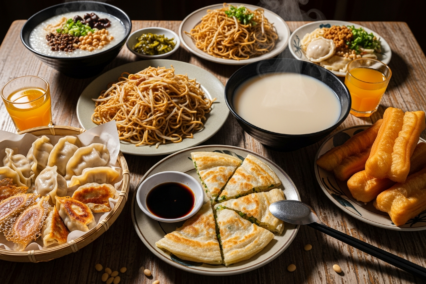
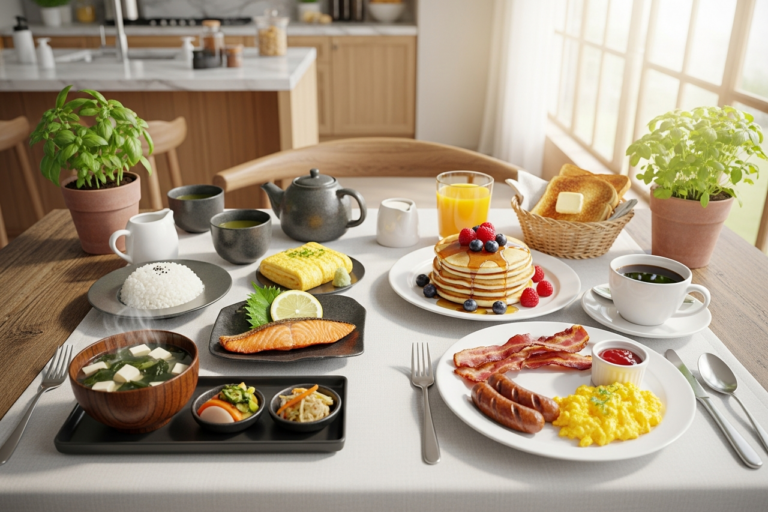
The usual breakfast hours in Japan are typically between 7:00 a.m. and 9:00 a.m. This window allows people to eat before heading off to work or school. A traditional Japanese breakfast is a savoury affair, often including items that might seem unusual to a Canadian palate first thing in the morning.
You can expect to find staples like steamed rice, miso soup, grilled fish, and various side dishes. While Western-style breakfasts with toast and coffee are also widely available, experiencing a traditional meal of rice bowls and soup is a great way to start your day.
This table provides a quick look at common Japanese meal times, helping you plan your culinary journey through Japan’s delicious cuisine.
|
Meal |
Typical Time |
Common Foods |
|---|---|---|
|
Breakfast |
7:00 AM – 9:00 AM |
Rice, miso soup, grilled fish, pickled vegetables |
|
Lunch |
12:00 PM – 1:00 PM |
Ramen, soba, udon, bento boxes |
|
Dinner |
6:00 PM – 8:00 PM |
Sushi, tempura, shabu-shabu, various shared dishes |
Standard Lunch and Dinner Timings
Lunch in Japan usually happens between 12:00 p.m. and 1:00 p.m. Many workers and students eat at this time. It’s not normal to have lunch much earlier or later. At this hour, restaurants fill up with people who want quick and tasty meals. Some popular choices are ramen, soba, or bento boxes.
Dinner is a bit more flexible. Most people start eating dinner around 6:00 p.m., but it can go on until 8:00 p.m. or even later. This is common if people are out with friends or workmates. Dinner in Japan, like sushi, tempura, hot pots with tofu, and more, is often bigger and has more choices than lunch.
If you are a traveller in Japan, it’s smart to stick to these usual times. It can be hard to find a spot for lunch at 3:00 p.m. because many small places close for a break between lunch and dinner. This is when they get ready for the next rush of people coming for food like tempura, tofu, soba, ramen, or sushi.
Variations in Meal Times and Regional Customs
There are regular meal times in Japan, but these can change based on where you are and what day it is. For example, in Tokyo, life moves fast, so people often eat at different times than those in a small town, where things are slower. Local customs in each area also give a new touch to the meal times and the food scene in Japan.
These changes can impact when restaurants open and close. They also affect what kind of meal you can get at different hours. What people do on weekdays can be different from their weekend plans, so that also shapes when and how people in Japan have their meals.
Weekday vs. Weekend Eating Habits
Yes, meal times in Japan change between weekdays and weekends. On weekdays, japanese people often eat fast and keep meals simple. This is because they need to fit them around work or school. Lunch is usually quick, and they might have dinner late after a long day.
On weekends, things are different. There is more time to relax, and meals can be a social event. People may have brunch or longer dinners with family and friends. It is a good time to try new restaurants or enjoy a big meal.
In modern japan, these changes in meal times are easy to notice. Weekdays focus on being quick, while weekends are for enjoying food and connecting with others. The way japanese people eat and the feeling inside places like restaurants and cafes show this shift. As a traveller, you will notice how the mood changes from weekday to weekend.
Urban vs. Rural Meal Timing
The way people eat in Japan changes a lot depending on where they live. In big cities like Tokyo, there are many places to eat, and you can go out for food almost anytime. Lots of restaurants stay open late to the serve the crowds that come after work and those who stay up late.
In rural areas, things are more relaxed. People eat earlier, which fits the old farming way of life. Places to eat may shut down earlier in the evening. There are not as many spots that serve food late at night. It’s good to plan your meal times ahead when you’re somewhere outside the big cities.
Here are a few differences you might see about meal times in Japan:
-
Later Hours: Places to eat in cities often stay open much later than those in the countryside.
-
24/7 Options: Cities have convenience stores and some eateries open all day and night, while this is nearly impossible to find in rural places.
-
Earlier Dinners: In rural Japan, most people have dinner early, and it is common to eat before 7:00 p.m.
-
Restaurant Breaks: A lot of places outside the cities close between lunch and dinner times, so you need to watch the clock.
Dining Culture and Etiquette in Japan
In Japan, eating is about more than just picking the right time to sit down. The food culture is full of small things you can do to show respect and follow local rules. If you learn even a few basic table manners, you will have a better time and also make a good impression with the people around you. Good manners make a big difference. What feels normal in Canada might be bad manners in Japanese dining, so it is best to know the difference.
Using chopsticks the right way and talking with the chef are also important parts of the meal. Etiquette at the table goes with the food itself. In the next parts, you will learn key skills to use at the table, so you can eat in Japan like you have been doing it for years. This will help you not make small mistakes or show bad manners without knowing it.
Meal Pacing, Manners, and Restaurant Practices
When you go to a Japanese restaurant, they will often give you a wet towel. Use this to wipe your hands before eating. After you use it, fold it and set it to the side. This is how a meal starts in many places, and shows care and attention to detail.
Chopstick etiquette is important. Do not put your chopsticks straight up in a bowl of rice. This looks like something done at funerals. You should also not pass food from your set of chopsticks right to another person. Use the chopstick rest between bites instead.
Be careful with seasoning like soy sauce. Only pour a small amount into your dish. Wasting soy sauce is looked down on. At top sushi restaurants, the chef might season your food already. Adding more can show disrespect to the chef. Following these rules means you respect the chef’s work and know the etiquette.
Customs Around Busy and Quiet Restaurant Hours
To avoid crowds at Japanese restaurants, timing matters. Lunch gets busy from 12:00 p.m. to 1:00 p.m. Dinner is packed from 6:00 p.m. to 8:00 p.m. If you want it quiet, go just before or after these peak hours.
Many casual Japanese restaurants, like those for ramen or soba, want people to eat and leave fast. If you see a line outside, it’s good form not to stay long after finishing your meal. Some places use a vending machine for ordering. You pick your meal, pay with yen, and give your ticket to the staff.
Here are some tips for handling restaurant hours:
-
Lunch: Get there before noon or after 1:00 p.m. to beat the rush.
-
Dinner: Try eating early, around 5:30 p.m., or later, after 8:30 p.m.
-
Reservations: If you want to visit a popular spot, making a reservation helps you get a table and avoid waiting.
-
Cash: Use yen if possible, since many smaller or traditional spots do not take credit cards.
Conclusion
In the end, knowing about meal times in Japan gives you a good look at the way the people live each day. You can see the special ways they plan their day and the different types of etiquette they follow at the table. These things can make your time with japanese cuisine in japan better, whether you go there or just learn about it from home. When you try these customs, you get more out of your meals and it can help you get closer to others. So, as you go through the day and try japanese food, keep an open mind and be eager to learn. If you want to visit japan, think about these customs so you can really enjoy their food.
Frequently Asked Questions
Are Japanese meal times similar to those in Western countries?
In Japan, people often eat three meals a day, just like in many other places. But, the meal times there are usually set pretty firm. Lunch is almost always at midday. Dinner can happen late, because a lot of people work long hours. The etiquette and the social rules around meal times in Japan also make things feel quite different than what you might see in Western countries. This shows the big part that these meal times have in Japanese life.
Do restaurants in Japan follow strict opening and closing hours for meals?
Many Japanese restaurants stick to set meal times. Most small places shut down between lunch and dinner, usually from 2:00 p.m. to 5:00 p.m. Some bigger chains or vending machine spots are open all day. It’s smart to check these usual meal times before you go.
What should Canadian travellers know about timing their meals in Japan?
Canadian travellers should try to eat at the same time as most people in Japan. This helps you find open places and avoid missing out. Lunch often gets busy around noon. It is a good idea to keep important etiquette in mind, like not sticking your chopsticks straight up in rice bowls. This shows respect and helps you get the most from your japanese food experience.