Key Highlights
-
Israeli meal times are not like those in most other places. People eat breakfast early, have a big lunch in the afternoon, and then enjoy a smaller dinner later at night.
-
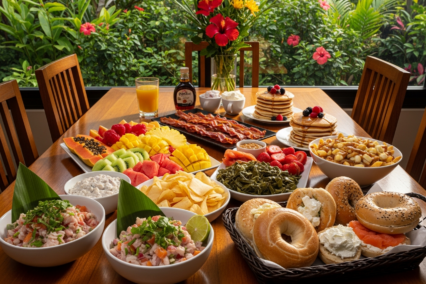
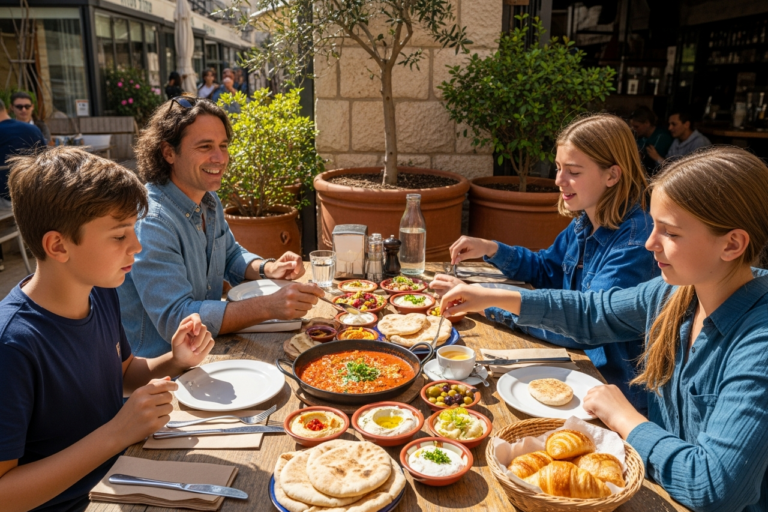
The classic Israeli breakfast is fresh and salty. It has salads, cheeses, and olive oil. It is not like a normal Canadian breakfast.
-
In Israel, dinner is often eaten late, maybe at 8 or 9 in the evening. It is usually lighter and is a time for people to come together.
-
Meals on weekends and holidays, especially shabbat, have their own times and special ways of doing things.
-
Tel Aviv is known for its busy food scene late at night. The city has lots of energy, and you can see that in the food options.
-
Knowing when people in Israel eat can help you enjoy israeli food and learn more about the culture.
Introduction
If you are planning a trip to Israel, you might be ready to try some great food. People talk about fresh falafel in Jerusalem and lively cafes in Tel Aviv. To eat like people in Israel, it is good to know when they have their meals. Israeli food and meal times say a lot about the people and their past. This guide will show you what to expect with meal times in Israel. You can enjoy your day and taste some real israeli food while you are there.
Overview of Meal Times in Israel
In Israel, the day is set out with three main meals. The timing and size of these meals may not be what you know in Canada. Israelis often have a tasty and salty breakfast. Then, the main meal comes at lunch.
People in Israel eat a smaller meal in the evening, and they usually eat it late. This happens because of the warm weather near the sea, and the way people in israel like to eat slow and with good company. Now, let’s see what each meal has and when they are enjoyed.
Typical Israeli Breakfast: Timing and Structure
The Israeli breakfast is usually eaten between 7 a.m. and 9 a.m. It is a big meal and is an important part of the country’s food. You will not find much sweet food here. There are no sugary cereals. It is more savoury, fresh, and makes you feel full. People love how it is always served in a nice, neat spread. The breakfast often has a mix of dairy products, like yogurt, cottage cheese, and white cheese.
One main part of the meal is a chopped vegetable salad. It has fresh vegetables like cucumber and tomatoes. Olive oil and lemon juice is used to dress the salad so it tastes bright and simple. You will see eggs on the table too. People cook eggs in a few different ways. There are also many types of breads and olives served. Fresh herbs like parsley give more taste and a fresh smell.
This breakfast is made to be healthy and filling. That means it can give you a good start to your day. The food here shows a love for using fresh, local foods. It will help you stay full all morning and brings out the bright, lively feeling of Israeli cuisine.
When Israelis Eat Lunch and How It’s Enjoyed
Lunch in Israel is the main heavy meal of the day. People in Israel usually have it between 12 p.m. and 3 p.m. This midday meal is when Israelis get together to eat their biggest and most filling food. It’s a good time to step away from work and sit down for a big meal.
After a small breakfast, people look forward to the afternoon. This is when they have more filling food that gives them lot of energy. Each lunch plate has a protein and carbohydrates. This helps people feel good and full for the rest of the day.
You will see a range of meals, such as:
-
Hearty meat and rice dishes.
-
Comfort foods made with chickpeas and beans.
-
Meals with white rice, which is often served on the side.
Because lunch is so big, dinner in Israel is later, and most people keep it lighter and more relaxed.
Dinner Time in Israel: Hour and Atmosphere
Dinner in Israel usually happens late in the evening. It is common to have dinner between 8 p.m. and 10 p.m. People in Israel often prefer this time, especially when the weather is warm and the nights feel good. Dinner tends to be a light meal in this time of day. Some people may eat salads, eggs, dairy, or just make a simple sandwich. This is different from lunch, which is often a big meal.
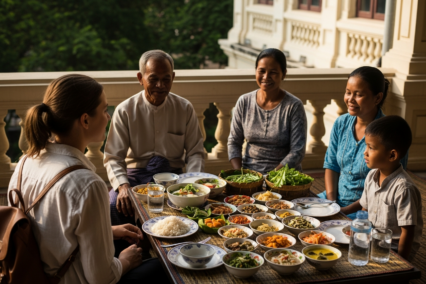
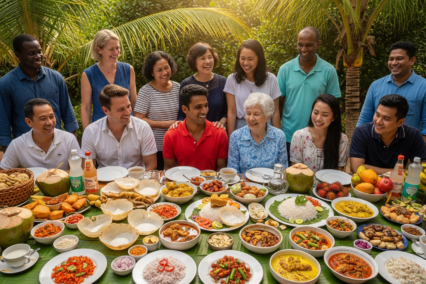
When it is dinner time, the mood is easy-going and friendly. People use this time to sit with family or friends and talk about their day. Israeli hospitality can be seen at the dinner table, where sharing israeli food is one way to show care. It does not matter if it is a home-cooked meal or something simple at a small place. People think about being together, enjoying the food, and making good memories.
Since lunch is the main meal in Israel, dinner does not have to be big or formal. There is no need for a feast. Instead, people choose lighter food and enjoy their night. It is a nice way to end the day, matching the Mediterranean way of life and showing why hospitality in Israel is so important.
How Israeli Meal Times Compare to Canada
If you are from Canada and you visit Israel, you will find that meal times are not the same. This is part of what makes the trip fun. The main thing you will see is that meals have different timing and meaning. In Canada, most people eat lunch fast and save the big meal for dinner. In Israel, people do it the other way. Lunch is the biggest and most important meal of the day.
The reason for these changes in each day comes from the culture, the weather, and the way people live. Knowing about these things can help you enjoy life in Israel. It also lets you enjoy israeli food even more. Now, let’s see how meal times are set up in both places, and find out why they are not the same.
Differences in Daily Routines and Eating Schedules
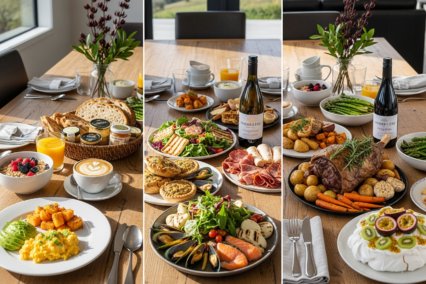
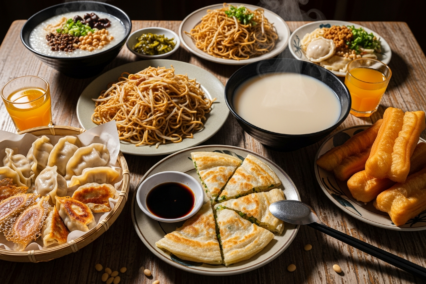
The typical meal schedule in Israel is a distinct shift from the North American standard. Breakfast in Israel is a savoury, substantial affair enjoyed early, setting a different tone for the day compared to a quick Canadian breakfast of toast or cereal.
The most significant contrast is lunch versus dinner. In Israel, lunch is the heavy, main meal, while the Canadian dinner is typically the largest meal of the day. This reversal can be a surprise for visitors. The Israeli dinner is often lighter and served much later, closer to bedtime. This rhythm allows for a more relaxed evening.
Here’s a simple comparison of a typical meal schedule:
|
Meal |
Typical Canadian Time |
Typical Israeli Time |
|---|---|---|
|
Breakfast |
7 a.m. – 9 a.m. |
7 a.m. – 9 a.m. |
|
Lunch |
12 p.m. – 1 p.m. |
12 p.m. – 3 p.m. |
|
Dinner |
6 p.m. – 7 p.m. |
8 p.m. – 10 p.m. |
Influence of Culture and Climate on Eating Hours
The special eating times in Israel come from both the climate and the culture. The hot Middle Eastern weather means it is better to have a big midday lunch and a smaller dinner when the sun goes down. Eating a lot of food when it is very warm outside can make people feel tired, so taking a long lunch and a calm dinner works well.
In Israel, hospitality is very important. People use food to bring others together. Meals are shared, and things like fresh ingredients and good spices matter a lot. Dinner is often slow, which shows how people want to spend time with family and friends, not hurry through their meal.
The way people eat in Israel mixes the weather and what is important to them. It’s a plan that fits well with the Israeli lifestyle. Here, food is not just for hunger—it is a big part of life and spending good time with others.
Weekend and Holiday Dining in Israel
Weekends and holidays in Israel have a different feel, especially during Shabbat. From Friday evening until Saturday evening, meal times in Israel be good moments for family to come together. People eat special foods, and there are old customs. Life goes slower during this time. For many, food becomes the main event.
On these special occasions, meal times may change. Many restaurants can have different hours. Knowing about these changes around Shabbat will help you during your time in Israel. It is good to learn this before you go to a family meal or visit a busy market.
Shabbat and Traditional Holiday Meal Times
Shabbat is the Jewish day to rest. It turns the time you eat into warm family moments. The start is a Friday night dinner. This is one big meal that brings all the people in the house together. The food for this meal can be fancy and made with care. People may sit for hours. There is talk, laughter, and old dishes like chicken soup on the table. On Saturday, there is also a lunch that matters a lot. It is usually cooked before the day arrives.
Other special occasions have foods and times that matter, too. For Hanukkah, folks are used to having fried foods. This is the time of year when you can find bakery shelves with many sweet jelly doughnuts, also called sufganiyot. These foods are not random—they show what these holidays are about.
On these days, the usual time on the clock does not matter much. The main thing is that everyone gets together. It is a chance for families to share stories, make memories, and keep old ways alive by eating these foods together.
[https://example.com]
Changes in Restaurant Hours and Local Habits During Weekends
During the weekend in Israel, people’s daily lives change a lot. The weekend goes from Friday to Saturday. In places like Jerusalem, you will find that many spots stop working for Shabbat. Shabbat starts on Friday afternoon and ends on Saturday evening. Many places, like shops and restaurants, will be closed during this time. So, if you want to go out to eat, it is smart to plan ahead.
On the other hand, the food scene in Tel Aviv is busy and exciting over the weekend. Lots of restaurants and cafes are open and ready for a more relaxed, modern crowd. Plenty of people in the city use the weekend to have a nice brunch or dinner with friends. It can be a good way to see the city come alive.
If you visit Machane Yehuda Market in Jerusalem, it gets packed on Friday mornings. Everyone goes there to buy what they need for Shabbat. After that, the market will be closed until Saturday night. Once Shabbat is over, the market opens again with new life. The energy comes back, and you’ll see the market full of people once more. It is important to know about this special routine if you want to enjoy eating out in israel or visit these cities.
What’s on the Israeli Dinner Table?
An Israeli dinner is light. It is not like the bigger midday lunch, which has more food. After a big lunch, people in Israel like to eat simple and fresh dishes at night. There are no heavy meats or thick stews for this meal.
The food at dinner is mostly salads, dairy products, eggs, and some bread. You will see fresh vegetables, many kinds of cheeses, some olives, and sometimes light fish on the table. In Israel, these are common dishes to have with others for a nice evening meal.
Common Dishes and Evening Foods in Israel
The Israeli dinner table is bright and fresh, with simple meals that taste good. The meal is not heavy. It often has a mix of small dishes instead of a big main one. You will see many fresh vegetables, salads, and some dairy products.
At dinner, you might make your own sandwich or salad. The table will have lots of things to choose from, so everyone can put together their own plate. Even though falafel is known as street food, people do eat it for dinner because it can be light and filling.
You may find these foods:
-
Cheeses such as white cheese and cottage cheese.
-
Chopped salads made with cucumber, tomatoes, and parsley.
-
Olives, pickles, and different spreads.
-
Eggs, which could be cooked as an omelette or served hard-boiled.
Changing Food Trends and Modern Influences
Modern Israel has a lively food scene that keeps changing. People still enjoy traditional meals, but there are also new things to try. The rise of plant-based eating is big, and Tel Aviv is seen as one of the top vegan cities in the world.
Some foods that used to be new here are now part of everyday life. Avocado is the best example. Many people in israel start their day with avocado at breakfast or add it to light meals. Mango, which is a favourite seasonal fruit, is used in sweet foods and in dishes that are not sweet too. You can also see tastes from around the world, as israelis enjoy international cuisine and like to try new things.
Old ways and new trends exist side by side. At a meal, you might have a simple israeli salad right next to a bowl filled with quinoa, or see a classic dish get a modern upgrade. This mix of tradition and modern style makes israeli food fresh and new for all who want to try something exciting in israel or in tel aviv.
Regional & Family Differences in Israeli Meal Times
There are some general times people eat meals in Israel. But you will see many changes from place to place. It also depends on who you eat with. Israel has a lot of different groups living in it. Each of them has their own way to cook and when they like to eat.
People eat in many ways in Israel. Meals change if you are in a busy city or a quiet country town. They also change if families come from Europe or from North Africa. Food habits can be very different. Now, let’s see how showing where you live and who your family is can change the way you eat in israel.
Urban versus Rural Habits
Mealtime habits in Israel can be quite different in the city and the countryside. In cities like Tel Aviv, people live life fast. The dining scene starts late and goes into the night. You can see cafes and restaurants busy all evening. People who work in these places might eat a quick lunch and have a late, social dinner after work.
In a city like Jerusalem, life does not always rush. Mealtimes happen slower and more often with family. The city’s daily life feels more shaped by religious times, like Shabbat and holidays, which decide when people eat. People like to visit Machane Yehuda Market to find fresh food for simple meals at home.
Outside the big city, life in small towns and on kibbutzim has always seen meals as a group event. People used to plan meals around work in the fields. Even now, eating together is still a big deal for them. Meals are the time for people to come together and talk.
How Different Communities Structure Their Meals
Israel is home to many cultures. Because of this, people bring different food traditions with them. Each group adds something to how meals are made and shared. Families come from many parts of the world and keep their own ways of cooking.
For example, people known as Sephardic Jews started out in places like Morocco and Tunisia. Their food often has strong spices and lots of flavour. They like to cook slow-cooked stews and aromatic rice dishes. When their families gather, there are many courses and the meals can last a long time.
Ashkenazi families are another group. They have their roots in Europe. Some of their traditional foods are gefilte fish and chicken soup. The way they make meals comes from European customs.
Over time, these styles have mixed together in Israel. Now, you can find a unique and wide mix of food. When you eat, you really taste the history and people of this land.
Evolution of Israeli Meal Times
The way people in Israel eat now is a mix of old history and new ideas. The meals people have today are not the same as they were before. These habits have changed over many years. Things like old traditions, faith, and the world getting more connected helped shape this change.
Long ago, people in Israel had different ways when it came to food and mealtime. Now, things move much faster in Israel, and meals have changed with that. Over the years, when and what people eat has shifted. Global styles also play a part in what is on the table in Israel. Let’s see how food habits used to be, what they look like now, and how the world keeps changing how Israelis eat.
Historical Traditions Versus Today’s Patterns
Meals in the region have, over time, been linked to farm work and religious ways of life. In days long ago, Jewish rules from the Second Temple Period led to food laws and ways of eating that shaped habits for many years. Back then, people would make meals with what could be found nearby and what was in season.
The well-known Israeli breakfast focuses a lot on dairy and fresh fruits or veggies. This comes from the early days of the country. In those times, kibbutz workers would share a big meal before working in the fields. This style is still part of how the first meal is seen today.
Now, the way people eat fits better with new work hours and ways of living. There are still three main mealtimes, but the times and what gets the most attention have changed. Many people now have a big midday meal and a smaller one at night. This new style is shaped mostly by the weather––which is like in the Mediterranean––and how most work happens between nine and five. This lets people take a longer break and enjoy more food in the middle of the day.
The Impact of Globalization and Lifestyle Changes
Globalization has changed the way people in Israel eat. Many international cuisine choices from places like Japan and Italy are now a part of the Israeli menu. You can now get things like sushi and pasta almost anywhere, and this gives people many new flavours to try. It also means eating out is more fun and there are more choices for everyone.
The way people live and work in Israel has also changed how they eat. More people work in offices, so a quick lunch at midday is common. Not as many people take time for a long, heavy lunch like before. Now, food delivery apps and other fast food options are very popular, especially for people in the city who want things right away. This is because life moves faster for most of us now.
Even with these changes, many still want to keep the old ways of eating and enjoy food that comes from here. Many like to eat what is fresh and in season. The mix of international cuisine and old Israeli dishes is what makes the food so interesting and always changing.
Eating Out in Israel: What Canadians Should Know
Eating out is a big part of life in Israel. If you visit, you are sure to enjoy the food, too. You will see everything from crowded food stands to fancy places with top chefs. There are so many choices. People in Israel are known for their great hospitality. When you go to a restaurant, the staff will likely be warm and friendly. They may offer you tips on what to get. In cities like Tel Aviv, there are always new places to try, so things change a lot.
If you want to enjoy your meals to the fullest, it’s good to know little things about how eating out works in Israel. Learn about what time restaurants open and close, and about the late-night food spots. If you know these things, you will get some of the best food in Israel. Eating out can be a quick snack or a big meal with many different dishes. In Israel, food truly brings people together and makes for a good time.
Typical Restaurant Opening Hours
When you want to eat out in Israel, it helps to know the usual restaurant hours. Most places open for lunch at noon. They will be open through the afternoon. But the dinner crowd comes much later in the day.
In Israel, many restaurants that serve dinner do not get busy until after 8 p.m., and their kitchens stay open late. This is more common in the big cities. Many people in Israel like to eat their dinner late at night. Even if you just want some ice cream or snacks, you will see that these spots stay open well into the night.
Here is a simple guide for when you can get food:
-
Lunch: 12 p.m. – 4 p.m.
-
Dinner: 6 p.m. – 11 p.m. (sometimes later, especially on weekends)
-
Cafes: Often open from early morning well into the night.
Know that hours may be different at each place, and in Israel many restaurants close for Shabbat. This is from Friday afternoon until Saturday evening.
Late-Night Eating Culture and Popular Spots
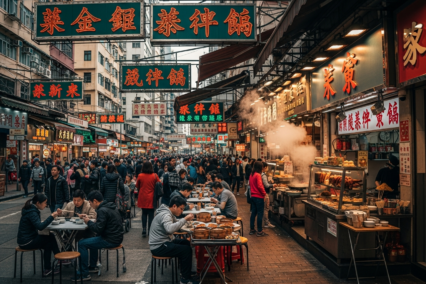
Israel is known for its late-night eating spots, and Tel Aviv is at the heart of this. This is the city that never sleeps, so there are lots of places to get a snack or meal after midnight. After a night out, you will often see locals stop at their favourite place for food before they head home.
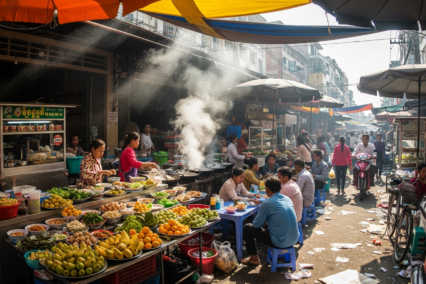
Street food is a big part of the late-night scene. Vendors sell classic bites like falafel, shawarma, and sabich. You will see lots of people at these places, all looking to enjoy some good food. In Jerusalem, the Machane Yehuda Market area is also a hot spot at night. Some bars and places to eat stay open late there.
This late-night culture is not just about street food. Many restaurants and cafes in Tel Aviv are open for people who want to dine late at night. They serve pizza and more filling meals too. All of this helps make the city a busy place, day and night. In Tel Aviv, you will always have a place to eat, no matter what time it is.
Conclusion
To sum up, knowing the meal times in Israel can really help you get more from your food adventures there. The big Israeli breakfasts start the day, and the eating late at night keeps the energy up. These things show both old ways and new styles. You can see how the weather, families, and local habits all play a part in how people sit down for meals. When you jump in and try these meal times, you get to taste good food and also learn more about Israeli culture. So, if you want to visit or you’re just interested in how people eat in israel, knowing their eating times is important. Have a great time on your food journey!
Frequently Asked Questions
Is it common for Israelis to eat dinner late in the evening?
Yes, many Israelis have their dinner late. Most of the time, this is between 8 p.m. and 10 p.m. The weather is often hot, so it is hard to eat a big meal earlier. In Israel, lunch is usually the main meal. At night, people like to have a smaller meal. This is a time for family, and there is a strong sense of hospitality then.
Are meal times different during holidays or special events?
Yes, meal times during special occasions and holidays like Shabbat are not the same as normal days. They turn into big family events. There are special ways to do things and foods for these times, for example, people eat jelly doughnuts at Hanukkah. These meals do not follow a tight plan. The most important thing is coming together for a celebration.
Do restaurants in Israel cater to late-night diners?
Yes, that is true. In places like Tel Aviv, there are many places to eat late at night. You can get a snack from a street stand or sit down for a meal in a restaurant after midnight. This shows the good hospitality and lively feel of the city’s nightlife.