Key Highlights
-
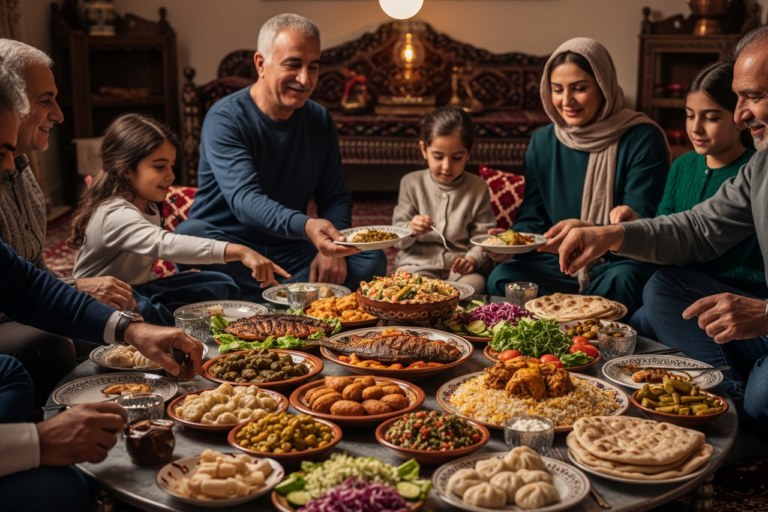
Iraqi cuisine has a long history. People see lunch as the main course of the day.
-
Meal times are important in family events. They help bring relatives together, mostly at lunch.
-
Breakfast is usually light and goes well with a cup of chai.
-
Lunch stands out as the biggest meal. Folks enjoy popular dishes like masgouf, which is known as the national dish.
-
Dinner is not as heavy as lunch. It often includes leftovers or smaller plates.
-
Street food and tea breaks are a big part of what people eat each day.
Introduction
Welcome to a look at the heart of Iraqi culture with its food. When you explore meal times in Iraq, you get to see a rich and old way of life up close. For someone in Canada, learning about the timing of Iraqi meals is more than knowing what is put on the table. It is about seeing how food and family life come together in a special way. In this guide, you will learn about what people eat throughout the day, from breakfast to dinner. You will get to know the wonderful food that is part of iraqi cuisine. You will also see how it is different from food in other Middle Eastern places. This will help you understand more about iraqi culture.
Overview of Meal Times in Iraq
Meal times in Iraqi culture are not the same as the usual Canadian routine. People in Iraq plan their day around a big meal at midday. This is a tradition that goes all the way back to ancient Mesopotamia. Most times, breakfast is light. Dinner is more relaxed and smaller.
This is different from Western habits, where the most important meal is dinner. Knowing this is the first step in seeing how daily life works in Iraq. In this, we will look at how meals are set up in iraqi culture, how they compare to Canadian traditions, and how people shape when and how they eat as a group.
Typical Structure of Daily Meals
The daily meal structure in Iraq has a long history, influenced by practices recorded in ancient texts. The day begins with a light breakfast, followed by the main course at midday, and concludes with a modest dinner. This pattern allows for a substantial break in the middle of the day for the most important meal.
This schedule is deeply ingrained in the culture, revolving around family and social interaction. While the specific times can vary slightly, the general framework remains consistent across the country. The emphasis on a large lunch is a key feature of Iraqi food culture.
Here is a general guide to meal times in Iraq:
|
Meal |
Typical Time |
Description |
|---|---|---|
|
Breakfast |
7:00 AM – 9:00 AM |
A light meal, often with bread, cheese, and tea. |
|
Lunch |
1:00 PM – 3:00 PM |
The main course of the day, a large and social meal. |
|
Dinner |
8:00 PM – 10:00 PM |
A lighter meal, often leftovers from lunch. |
Comparing Iraqi Meal Patterns with Canadian Traditions
For many Canadians, dinner is often the biggest and most important meal of the day. This is the time when families get together after work and school. But in Iraqi culture, things are different. There, lunch is the meal that matters most. At noon, families come together and enjoy a large and filling meal.
This shows a clear difference in the way people live their daily lives. In Canada, many people eat a fast lunch at their desk. But in Iraq, people take their time at lunch and enjoy a long break with family. This way of sharing the midday meal is seen in a lot of Middle Eastern local cuisine.
For someone visiting from Canada, this shift in focus from dinner to lunch is easy to notice. It shows how the local cuisine and culture in each place are shaped by when and how people eat. In Iraq, people use lunch as a time to slow down and connect during the hottest part of the day.
Influence of Family and Community on Dining Schedule
In Iraqi culture, meals are about more than just eating. They are a big part of family events and times for people to come together. Meal times are often planned so that everyone can eat together as a group.
Lunch is the biggest meal of the day. This is the time when families come together the most. They talk, share stories, and spend time with each other. Because eating together is so important, people may change the meal time if there is a guest or if it is a special occasion.
Being welcoming is an important part of Iraqi culture. Inviting others for a meal and eating together is a main way to show this. The meal plan is not just about when one person is hungry but about what works for everyone.
In some Western places, people may eat alone or around work times. In Iraqi culture, people like to have meals as a group. The time to eat helps keep families and friends close. It also turns each meal into a chance to be together and celebrate family events or special occasions.
Breakfast in Iraq
Breakfast in Iraq is a simple way to start the day. People there sometimes call it “iftar,” but most just say it is a morning meal. The food has a history that goes back to ancient Mesopotamia. Most times, an Iraqi breakfast has fresh bread with a hot cup of chai.
This meal is made to be easy and light so you will not feel heavy after. It helps give people a good start. Here you can find out more about the usual foods in an Iraqi breakfast, the best time to eat, and why this meal means a lot to the people.
Common Foods Eaten for Breakfast
An Iraqi breakfast is a good way to start your day. It has simple food that tastes good. The main thing on the table is fresh flatbread like samoon. People use this bread to scoop up a variety of dips and other foods. This meal is light, but it will fill you up.
This is not like a big Western breakfast. Here, people use fresh things and keep it simple. You will see a lot of food you can make fast and share with others. This kind of meal feels like you get small plates of food with different tastes.
Some of the foods you may see are:
-
Maklama: This is a strong mix of lamb, eggs, and tomatoes.
-
Cheeses and Dips: You will find soft cheeses, labneh, and there could be a variety of dips like hummus or baba ghanoush.
-
Bread and Jam: Fresh flatbread is served with jams, honey, or date syrup.
-
Soups: In some places, there is a light lentil soup too.
People love an Iraqi breakfast because it brings everyone to the table and gives you many different things to try.
Usual Times for Breakfast
The timing of an Iraqi breakfast is in step with when the workday and school day begin. Most people eat it between 7:00 AM and 9:00 AM. This early meal helps get the day going but does not take a lot of time. This way of eating has been part of the local cuisine for many years, all the way back to ancient Mesopotamia.
The meal is often quick and easy, mainly on weekdays. Families get together, but only for a short time, before everyone goes out for work or school. The idea is to eat and feel ready for the day.
Tea, or chai, is a big part of an Iraqi breakfast. People serve it hot and sweet in small glasses, and they drink it while eating. These meals are a special routine for families, giving them a quiet break before starting their busy day.
Social and Cultural Significance of Morning Meals
Morning meals are important in Iraqi culture. They are usually simple, but they matter a lot to families. This is the first time in the day when everyone gets together and connects before they head off to start their day. Even when breakfast is quick, it helps to keep family close.
In cities like Mosul, there are many street vendors and cafes that wake up early. They serve breakfast to people going to work. This means that breakfast is not just at home with family. It can also be a time for the whole community to get together. Many people catch up with friends and neighbours over a hot cup of chai.
These family events, whether they take place at home or out in public, really show how social life works in Iraqi culture. Morning meals may be smaller and more private than lunch, but they are just as important. They help keep people close in their daily lives.
Lunch in Iraqi Culture
Lunch is the main course of the day in Iraq. The meal is heavy and very important. People will gather with their families to enjoy a big feast. You will see some of the most popular dish choices then, like masgouf, which is the national dish of Iraq.
Lunch is a special part of every day. It is a time to sit, take a break, and talk with loved ones. Everyone eats together and shares the best Iraqi food. At lunch, you can try many different popular dishes. There may be small timing changes from place to place, but lunch always means a lot for family and brings everyone together.
Let’s look into how people enjoy more Iraqi food at lunch, what popular dish is there, and how lunch is at the heart of family life in Iraq.
Popular Dishes at Lunchtime
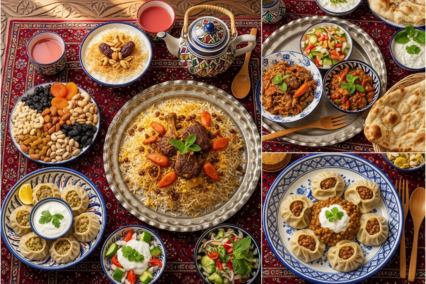
Lunchtime in Iraq brings many filling and tasty foods. The main meal is built around rice. People enjoy the rice with stews, meat, and vegetables. It is a treat for the senses and shows everything that is good about Iraqi cuisine.
Masgouf, the national dish of Iraq, is a popular dish that many have for lunch, mostly on special occasions. This river fish, grilled over an open fire, is a special meal. Other foods are loved as well and are part of every midday meal.
Here are some lunchtime favourites:
-
Masgouf: Grilled river fish (carp), marinated and cooked slow, often over an open fire.
-
Dolma: Vegetables like grape leaves, zucchini, and peppers, stuffed with rice and meat.
-
Quzi: Lamb cooked slow, filled with rice, nuts, and raisins.
-
Various Stews (Margat): Like okra stew (bamia) or white bean stew (fasolia), served over rice.
Preferred Timing for Lunch in Urban and Rural Areas
The idea of having a big meal in the middle of the day is common everywhere in Iraq. Still, the time for lunch is not the same in each place. In the city of Mosul or Baghdad, which are urban areas, many people eat lunch a little later in the day. It is usually between 2:00 and 3:00 in the afternoon. People do this to fit in with their modern work hours.
In the countryside, mainly in farming places like southern Iraq, lunch is often served earlier. Many people there eat around midday or at 1:00 PM. This gives the workers a good break during the hottest time of the day before they go back to work.
Even with these small changes, lunch is still very important. No matter if you are in a busy city or a calm village, people look forward to this break. How fast or slow life moves can change when lunch happens, but for everyone, it is a special and shared part of the day.
Lunch as a Central Family Gathering
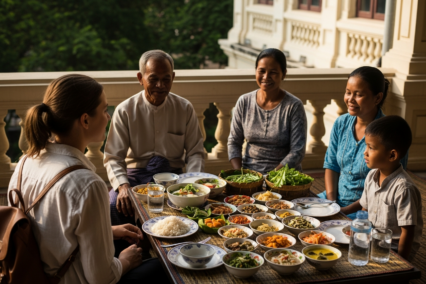
In Iraqi culture, lunch is much more than a simple meal. It is the main time for the family to get together and for people in the community to eat as one. This is when all the family members, who may have been away from each other in the morning, meet to eat and talk. The time spent at lunch helps people to grow closer and feel that they are part of something bigger.
Making lunch and eating it together is very important in everyday Iraqi life. There is a lot of work that goes into it, and often people from different generations help. Sharing lunch shows how much family means to people in Iraq and is a big part of Iraqi hospitality.
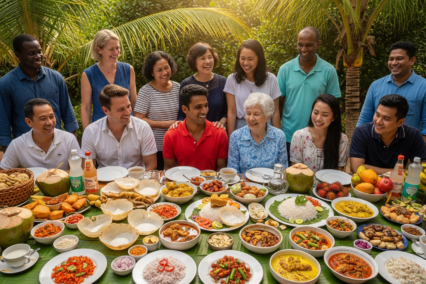
When friends or guests come to visit, lunch is even more special. The host will show how much they care and how kind they are. Lunch is at the heart of Iraqi cuisine and culture. It helps people keep strong bonds and shows what it means to be together and live as one.
Evening Meals and Dinner
After the grand main course eaten around midday, dinner in Iraq is a lot lighter and not as formal. People usually eat it late at night, and they often use leftovers from the big lunch.
This meal is a quiet end to the day’s eating, and it is very different from the big meal at noon. In this piece, we will talk about when people eat dinner, what is usually served, and how dinner can change between weekdays and weekends.
Standard Dinner Timings
Dinner in Iraq is often eaten quite late. By Canadian standards, most people have it between 8:00 PM and 10:00 PM. This is because lunch in Iraq is big and late. That large midday meal keeps people full through much of the afternoon and evening.
The feeling around the dinner table is relaxed. Families come together after the day for a simple, easy-going meal. There is not as much formality as lunch. It is a time to slow down, talk, and have some light food before going to bed.
At times, the meal might use the open fire or open flame. Some people like to grill simple foods this way, especially when the air is cool. But most nights, dinner is not an event. People want something quick and light because of their big lunch earlier in the day.
Typical Foods Served for Dinner
Dinner in Iraq is light on purpose. This is very different from the bigger main course for lunch. People often eat what is left over from lunch. This way, food from the day’s big meal does not go to waste and it is easy for everyone.
If there are no leftovers, people in Iraq like to make small, simple dishes for dinner. There is a focus on things that are quick. Fresh flatbread is almost always on the table with other things to go with it.
Here are some common things you may find for dinner:
-
Leftovers: Stews, rice, and meats that are left from lunch.
-
Kebabs: Grilled meat or chicken kebabs that are easy to make.
-
Sandwiches: Shawarma or falafel sandwiches.
-
Light Salads and Dips: These are served with fresh flatbread.
Differences Between Weekday and Weekend Dinners
On weekdays, dinner is simple and quick. People have work and school, so families often go for the easiest choice. This is usually heating up tasty leftovers from lunch. The aim is to make dinner fast and easy.
On weekends, things look a bit different. With more free time, weekend dinners can be a little more fun, but still not bigger than lunch. It might be the right time for a family barbecue or to try out a new recipe.
These weekend meals can turn into small family events. It is a good time to slow down and taste some local cuisine with the people you love, without weekday stress. Families might also go out to a restaurant or see friends. This can make dinner a social outing too.
Snacks and Smaller Meals
Besides the three main meals, snacks and tea times are a key part of Iraqi cuisine. People enjoy lots of small treats during the day. You might get savoury Iraqi falafel, or sweet pastries from a bakery. Street food is also big in daily life.
These smaller meals break up the day. They give people times to relax and spend time together. Let’s take a look at well-known snacks, why tea matters so much, and the lively street food scene.
Traditional Iraqi Snacks Throughout the Day
Snacking in Iraq is part of everyday life. People get snacks from street vendors, or they make them at home. These snacks are about more than just stopping hunger. They show what the local cuisine is like, and they bring people together.
You can find all kinds of snacks here. Some are salty and fried, while others are sweet and full of dates. People often eat these with family or friends. The snack break becomes a fun time to chat and hang out.
Here are some well-known Iraqi snacks:
-
Iraqi Falafel: Made from chickpeas and fried. People like eating these inside fresh flatbread.
-
Samosa: This is a pastry that can be fried or baked. It has savoury fillings inside.
-
Kleicha: These cookies are a local treat. They often have dates or nuts stuffed inside.
-
Bread with Dips: This is fresh flatbread with different dips. Hummus is popular, or sometimes people use tahini mixed with date syrup.
Frequency and Importance of Tea Times
Tea, called chai by many, is the unofficial drink of Iraq. People have it many times a day. Some drink it in the morning. Others have it after meals, when at work, or when spending time with friends and family. Sharing a cup of chai often stands for kindness, welcome, and being friendly.
The way Iraqi tea is made is special. People boil tea leaves in hot water, then steep them again over new boiling water. This makes a strong and rich taste. Tea is usually served very sweet and in small glasses. Having tea is a daily habit for most.
Tea means a lot in Iraqi cuisine. This drink is not just something to have—it’s a reason to talk, to relax, and to be with others. Some use tea as a way to show respect and to greet guests. That makes it important in daily life for many people.
Street Food and its Role in Daily Eating Habits
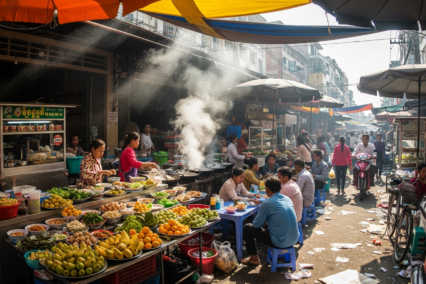
Street food is a lively and important part of eating every day in Iraq. It gives quick, tasty, and low-cost meals and snacks to people who are busy or moving around. The street food sellers serve early morning breakfast eaters and those who want a snack late at night. It is there for all kinds of people.
A lot of these sellers cook using ways passed down, like grilling food over an open fire or wood fire. That brings a special and tasty flavour. On streets in Iraqi cities, you can get kebabs, shawarma, falafel, or fresh juice. There is something for everyone who likes iraqi cuisine.
The street food scene in Iraq shows how local cuisine stays fresh and active. It fits the busy life that many have now, while keeping the real taste of iraqi cuisine. For many, getting a meal from their favourite vendor is just part of their daily life.
Influence of Religion and Culture on Meal Times
Religion and culture shape when people eat and what they eat in Iraqi culture. Islamic ways of life have a strong effect on both daily food times and meals during the year. When there are religious festivals or special days, people enjoy unique foods and often change their meal times to mark these moments.
These special events often change the normal ways people eat, showing a deep link between faith, food, and community. Let’s see how Islamic practices, Ramadan, and other big holidays can change meal schedules and what food is on the table in Iraqi culture.
Impact of Islamic Practices on Eating Schedules
Islamic practices are important in the eating routines of many people in Iraq. There is a rule against eating pork because of Sharia law. So, people pick lamb and chicken for their meals. These are the most popular types of meat in Iraqi cuisine.
People also plan meals around daily prayer times. Still, most people start the day with a light breakfast. They eat a heavy lunch and then have a light dinner. Islamic teachings remind people to be generous and to share food with others. This is why there is a strong focus on kindness and being together.
There is a long history behind these ways. It connects traditions from ancient Mesopotamia to Islamic rules today. This mix gives Iraq a special way of making and sharing food. Here, meals are linked with faith and religious celebrations.
[iraqi cuisine], [religious celebrations], [ancient mesopotamia]
Adjustments During Ramadan and Other Religious Events
The holy month of Ramadan changes meal times a lot in Iraq. During this month, Muslims who follow the rules do not eat or drink from sunrise to sunset. This means their daily eating routine is not the same.
People start the day with a meal before dawn, called suhoor, before the fast begins. At sunset, they end the fast with an evening meal called iftar. Iftar is usually big and joyful, shared with family and friends, and has special foods and sweets. The city of Mosul and other places in Iraq become busy at night during Ramadan. Food markets are open and many people get together.
There are other religious festivals in Iraq that come with their own foods and traditions. These events also change meal times. These times are special for eating together, sharing, and making certain foods for the celebration. Fasting and feasting are both important in the religious life of Iraq and they go hand in hand.
Variations in Meal Times During Holidays and Festivities
During holidays and religious festivals, meal times become more relaxed and fun. There are big family events and food is the main highlight. The focus moves away from the usual daily routine to large meals that everyone shares.
For events like Eid al-Fitr, which is at the end of Ramadan, families eat a big main course together. They usually have it around midday, but the meal is more joyful and lasts longer. This meal is full of special dishes that people don’t have every day.
These changes show how people adjust food and meal times to mark important dates. It could be a religious festival, a wedding, or another celebration. Such special occasions are a chance to enjoy the best of Iraqi cuisine with family and friends.
Frequently Asked Questions
People often ask about meal times in Iraq and want to know about the food and what is eaten. Iraqi breakfast includes fresh flatbread, lentil soup, and dips. The day starts good with these tasty foods.
At family events, there are dishes like kubba and small cups of chai. For religious celebrations, street vendors sell baba ghanoush and grape leaves. Every meal is about more than food. It shows the long history and rich iraqi culture.
How many meals do most Iraqi families eat each day?
Most Iraqi families have three meals every day. They eat a small breakfast to start. Lunch is their main course and is bigger than the other meals. Dinner is light as well. Along with these, people enjoy tea breaks and snacks often. They get many snacks from street food vendors. This is a big part of their local cuisine and family events.
Do school and work schedules affect meal times in Iraq?
Modern school and work hours change when people eat meals, especially during the week. An Iraqi breakfast is usually eaten before you go to work or school. Lunch is still the main meal of the day, but sometimes the time for it may be moved. Evening meals tend to be easy and fast, so they can fit into these busy times.
Are meal times different in cities compared to rural areas?
Yes, there are some small differences. In the city of Mosul, people often have lunch later in the day. In southern Iraq, lunch is usually served earlier. This gives them a chance to rest during the hottest time at work. It shows how life moves at a different speed in each place.
Conclusion
In Iraq, eating together is a big part of iraqi culture. Breakfast, lunch, and dinner are not just times to eat food. They are times when families get together and spend time with each other. Sharing meals shows the warmth and hospitality you find in Iraqi homes. The way people eat and share food tells a lot about their life and values.
If you get to know these meal customs, you can see how much they matter in daily life. You may join in for a morning meal with the whole family or enjoy a lively dinner with talk and laughter. These meal traditions can make your own eating time feel more special. They also help you connect with others and learn more about them.
Want to learn more about iraqi cuisine and what it means in their culture? Please reach out for a friendly chat!