Key Highlights
-
In Indonesia, meal times are usually not strict, and you will see rice at breakfast, lunch, and dinner.
-
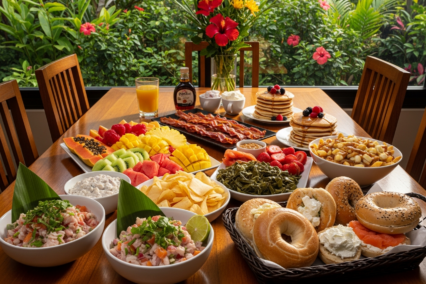
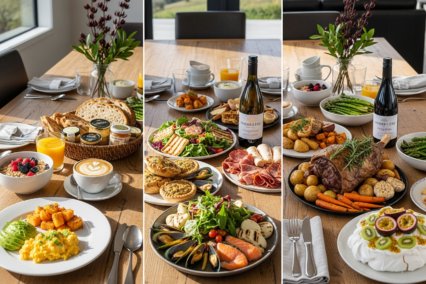
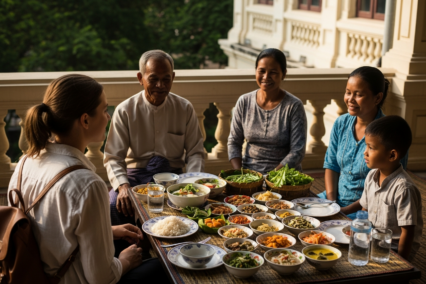
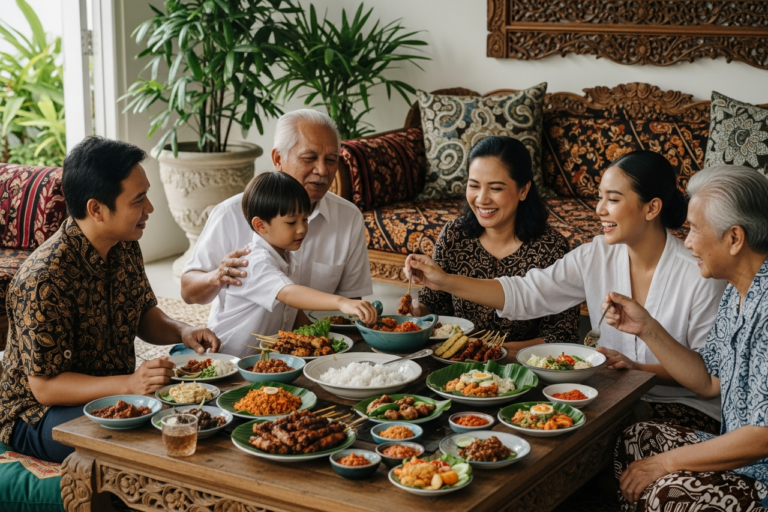
The dining table in Indonesia often has many different dishes, and people eat together, which shows how much they value sharing in their culture.
-
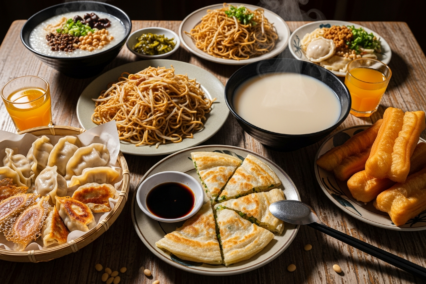
Breakfast is a big meal that often has rice dishes like Nasi Goreng or sometimes porridge.
-
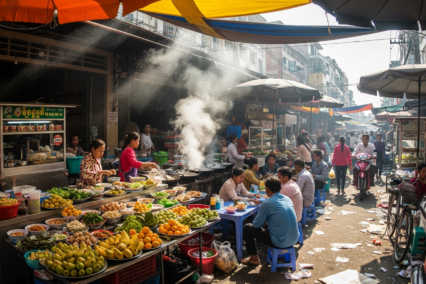
Lunch in Indonesia is usually the biggest meal of the day. Many people get street food or eat at small local spots that are called warungs.
-
Indonesian cuisine is full of different tastes, and meal times and the popular dishes can change a lot from one place to another in the country.
-
People snack a lot in Indonesia. Both sweet and savoury snacks are easy to get all day, and snacking is a way for people to spend time together.
Introduction
Are you thinking about going to Indonesia and want to know what mealtime will be like? Learning when and what people eat there is a good way to get to know Indonesian culture. Indonesia is in Southeast Asia, and it gives you so many new tastes and food habits. These might not be the same as the food you have at home in Canada. This guide will show you the daily eating times and some of the strong traditions around Indonesian cuisine. You will be ready for all the good food that comes your way on your trip.
Understanding Indonesian Meal Times
In Indonesia, the rules about meal times are not as fixed as they are in Canada. People have breakfast, lunch, and dinner, but these meals do not always happen at the same times every day. Eating Indonesian food is a big part of daily life, and the dining table is where people connect with each other. Because of this, meals happen when it feels right. Work, who you are with, or just being hungry can decide when to eat.
People all over the country enjoy this freedom, but small things can make it change. Meal times can move around if you are in a busy city or in a calm village in a different region of Indonesia. Now, let’s look more at the usual eating hours and how daily plans can change when people want to eat.
Typical Breakfast, Lunch, and Dinner Hours
For travellers, getting a sense of the general eating schedule can be helpful. Indonesians typically start their day early, and so does their first meal. Breakfast is often eaten shortly after waking up to fuel the day ahead. Lunch is usually the main dish of the day, enjoyed midday, while dinner is a lighter, more flexible affair.
Many will be surprised to learn that rice, often in the form of Nasi Goreng, can be a breakfast food. This highlights a key aspect of Indonesian food culture: rice is a beloved staple at any time.
Here’s a general guide to meal times, though remember that these can vary:
|
Meal |
Typical Time Range |
|---|---|
|
Breakfast (Sarapan) |
6:00 AM – 8:00 AM |
|
Lunch (Makan Siang) |
12:00 PM – 2:00 PM |
|
Dinner (Makan Malam) |
7:00 PM – 9:00 PM |
How Meal Times Reflect Daily Life in Indonesia
The eating schedule in Indonesia is part of daily life for many people. It does not follow a strict clock. Instead, it moves along with work, school, and what is going on that day. A lot of people will have a quick, filling breakfast so they can get ready for a long day going to work or school. Lunch is usually the main break in the day. It gives everyone a good meal before heading back to work or school.
Food and daily life go hand-in-hand in Indonesian culture. People gather around the dining table, and it’s not just for eating. It is a place to connect with family and friends. When it’s time for dinner, many families meet up at the dining table when the day is nearly done. They talk, share food, and catch up.
The speed of life changes meal times for people. In the busy city, some meals happen faster or at different times. In the countryside, meals may fit around farm work or when people all come together. This way of eating means food is part of everything people do in Indonesia.
Comparing Urban and Rural Eating Patterns
There is a clear difference in how people eat when you look at city and small town life in Indonesia. People in big cities often have strict work hours and spend a long time going to and from work. Because of this, meal times are set but may feel rushed. Someone working in an office in Jakarta might get street food quick or use delivery for lunch or dinner.
On the other hand, eating habits in a village or region of Indonesia are more relaxed and often follow when the sun comes up and goes down or how work on the farm goes. Meals happen with a group more often and making food is something people like to do together.
Here are some key differences:
-
Pace: Things move faster in the city and so do meals in the city, but in a small town, people take their time eating.
-
Food Source: A lot of people in cities choose street food or eat out at places, but people in the rural areas cook with what they pick or grow close to home.
-
Dinner Time: Some people in the city get home late because of their jobs or traffic, so dinner happens later. In rural areas, people eat around the time the sun goes down.
-
Variety: You will find many different dishes in both places, but cities give more choice with food from many regions of Indonesia or street food and even food from other countries.
Breakfast Traditions Across Indonesia
Breakfast in Indonesia is an important meal. People do not just have coffee and toast in the morning. Instead, the first meal is big and savoury to help you have energy for the day. Many well-loved Indonesian dishes use rice in different ways. You may see fragrant coconut rice, soft rice cakes, or creamy rice porridge often at breakfast.
These dishes are made to fill you up, and the flavours are also bold and tasty. The next few sections will show you the most common breakfast choices in the country. You will get to know how breakfasts are different in many places in Indonesia. There is also a difference in customs between people who live in cities compared to those in villages.
Most Popular Indonesian Breakfast Foods
When you talk about breakfast in Indonesia, you get so many good choices. It’s not just the usual Western food. The main food for morning meals here is rice. It gives you a strong and filling start to your day, and it’s cooked in different ways. Each way gives you a taste of what the local people eat.
You can find breakfast on the street or in small places where people come to eat. There are many things to try. Some homes have bread in the kitchen, but most people in Indonesia want the meals with rice. Instant noodles are also one thing that many people go for, especially when they don’t have much time.
Here are some of the common foods you will see for breakfast:
-
Nasi Uduk: This is rice made with coconut milk. It often comes with a fried egg, fried chicken, and tasty sambal.
-
Bubur Ayam (Rice Porridge): This is a soft rice dish with pieces of chicken on top, with crispy fried shallots and scallions.
-
Nasi Kuning: This is yellow rice. It gets its colour from turmeric and is given with a mix of side dishes.
-
Lontong Sayur: These are rice cakes in a warm bowl of vegetable stew.
-
Soto: This is a soup made with chicken, vermicelli, and usually some rice.
You will find these breakfast foods almost everywhere, and they show the different
Regional Variations in Breakfast Dishes
Indonesia has many islands, so the breakfast foods can be very different, depending on where you are. Every region of Indonesia adds its own taste to the morning meal, with local flavours and old recipes. What people in Sumatra eat for breakfast might not be what you get in Bali.
For instance, in Jakarta, people really like Nasi Uduk, a dish made with rich coconut milk. But each area comes with its own favourite meal. Over on the island of Lombok, people may start their day with something spicier because many in that region of Indonesia like more heat in their food. These small differences show off the country’s amazing food scene.
Trying these different foods is one of the best things about travelling around Indonesia. If you want to know a place better, just ask for their breakfast made with local coconut milk or another special ingredient. This way, you get to experience each region in a new way, from the big cities to the quiet islands.
Breakfast Customs in Urban vs Rural Settings
The place where you eat breakfast changes how you feel about it. In the city, breakfast is quick and easy. Many people get a nasi uduk that is already packed, or eat a bowl of noodles from a stall. They do not have much time. They are always in a hurry to get to work. Here, speed and being able to eat fast fit well with a busy day.
In the countryside, breakfast goes much slower and feels more close. People use things like eggs from village chickens or fresh vegetables from their own gardens. The family sits together at the dining table and eats food that is made at home. No one is in a rush. There is more time, and people can enjoy being with each other.
These differences show the way life moves at different speeds. In the city, breakfast is about getting ready to go and make it through a long day. In the country, breakfast means being part of life with your family and food, so you can feel close and start the day together.
Lunchtime in Indonesia
Lunch, or makan siang, is the main meal of the day for many people in Indonesia. At this time, people stop what they are doing for a good meal that fills them up. You can get lunch from a busy street food cart, a small warung, or even sit down in a restaurant. There is a lot of variety at lunch. You will find spicy curries and many dishes that get their flavour from coconut milk.
This meal in the middle of the day is about more than food. There is a social side to it that is very important in daily life. It is a time when people come together, relax, and talk. The dishes served, the busy street food scene, and the social part all play a big part in what makes lunchtime in Indonesia something special.
Common Dishes Served at Lunch
Lunch in Indonesia is big and filling. Rice is the main part of most meals. People usually have nasi campur, which means “mixed rice.” You get a scoop of plain steamed rice and then pick what you want from many cooked dishes behind a glass counter.
With this way of eating, you can make your lunch just how you like it. There are many options, and they taste good. You will find meat, fish, vegetable stews, and fried foods. Nasi goreng, which is fried rice, is well-known and easy to find. But, during lunchtime, most people eat plain rice with a mix of side dishes that have lots of flavour.
Here are some popular options you can have for lunch:
-
Rendang: This is a soft, rich beef stew cooked slow in coconut milk and spices.
-
Ayam Goreng (Fried Chicken): Crispy fried chicken that is loved anywhere in the country.
-
Sayur Asem: A soup made from vegetables with sour tamarind.
-
Lele Goreng (Deep Fried Catfish): This is a tasty, crunchy fried fish dish that many people order.
Street Food and Warung Culture at Midday
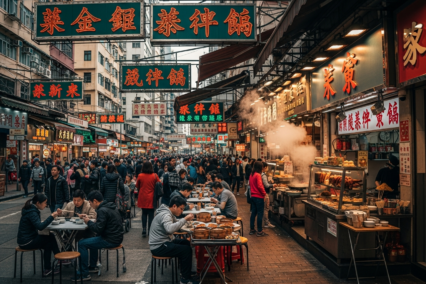
Lunchtime in Indonesia is when you see the street food start to fill up. Everywhere, there are pushcarts and small stalls, called kaki lima. They sell many tasty and cheap meals. This is a place where many people stop for their midday food. You can get things like sate on sticks or a bowl of Bakso, which is meatball soup.
The warung is just as important. A warung is a small eatery, often run by a family. It is a big part of life in Indonesian neighbourhoods. The food there feels like it is made at home. You choose from dishes that are already laid out, and it gets served with rice. You just point at what you want.
You might taste the mix of shrimp paste in sambal at a warung, or grab a quick meal from a street food vendor. These simple places are a big part of what having lunch in Indonesia is all about. They help you get close to the local food style in a good and tasty way.
Social Aspects of Lunch Time
Lunch in Indonesia is more than just a meal. It is a time for people to be together and take a break from work. You will often see office workers walking out as a group to eat at a place close by. They sit at a dining table, share food, and talk before going back to their jobs.
This feeling of togetherness shows up well when you go to a Padang restaurant. You do not need to choose your food here. Waiters bring many small plates to your dining table. You only pay for what you eat. It lets everyone try different dishes, so the meal feels like eating with family.
Eating lunch in this way shows the value placed on sharing and being a part of a group in Indonesian culture. It is not just about filling up with food. It is about people becoming closer, with coworkers, friends, or family. Eating at a dining table together is as important as what is on the plates.
Dinner Habits and Flexibility
Dinner in Indonesia is not as big as lunch. It can be more relaxed and sometimes smaller. For many families, this meal is a good time to be together after work and school. What you eat at dinner can change a lot from family to family. There are no strict rules for what must be served.
Some people sit down for a full meal with rice. Others might just have soup, noodles, or even fruit and salad. This shows that people in the country have many ways of living. Now, let’s look at different times people eat dinner, some favourite main foods, and what families do during this meal.
Preferred Dinner Times in Different Regions
Dinner time in Indonesia is not the same everywhere. Some people eat early and others eat late. It depends a lot on the region of Indonesia. There is no strict time. In busy cities like Jakarta, many have dinner later in the evening. This might be at 8:00 PM or 9:00 PM. This happens because people work long hours and there is a lot of traffic.
But in small towns or villages, people eat dinner earlier. It is often right after sunset, around 6:00 PM or 7:00 PM. This fits in with the day and the work they do, especially if they work on farms. The local dishes also matter. In some places known for a special meal, like the dark beef soup called Rawon, the places that serve it will be more crowded at dinner time.
In the end, it is up to the family, what you do each day, and what is normal where you stay. This way of doing things makes eating in Indonesia special. If you are visiting, it is good to watch and join how the people in each region of Indonesia have dinner.
Main Courses During the Evening Meal
The main courses for dinner in the country can be very different from one home to another. Some families like to have a light meal. Others often lay out a big meal, with rice being the main part. The idea of nasi campur (mixed rice) is common at dinner, like it is at lunch. Each person can pick what they want to add to their plate.
Street food is a big part of evenings. When the sun goes down, vendors open their stalls and sell many tasty dishes for dinner. It is a nice time to enjoy grilled options made fresh, and the smell fills the air. No matter if you love sweet, spicy food, or savoury tastes, there will be something for you at dinner.
Here are some popular main courses for dinner:
-
Ikan Bakar: Grilled fish with spice marinade, and often a layer of sweet soy sauce (kecap manis).
-
Sate Ayam: Chicken skewers grilled and topped with a thick peanut sauce.
-
Mie Goreng: Fried noodles cooked with vegetables, meat or seafood.
-
Gado-Gado: A salad made of vegetables with peanut sauce as the dressing, giving you a lighter meal option.
Family and Community Dinner Practices
Dinner is often the most important family meal of the day. It is the time when people can come together after being busy with their own activities. The dining table is where people share both food and stories about what happened that day. This style shows how important connections are in Indonesian culture.
Family style dining is a big part of this time. Different dishes are set on the dining table in the middle, and everyone takes what they want. Each person gets a bit of everything. This way, all the people talk, laugh and eat together, making it feel like a group experience instead of eating alone.
Even if the food is simple, eating together means a lot. It helps bring the family close and gives a feeling of support and connection. It helps people feel they have each other in a busy world. This tradition of sharing a meal at night shows the value placed on family and community in Indonesian culture.
Snacking Between Meals: Indonesian Style
In Indonesia, people do not just eat three main meals. Snacking, called jajanan, is a big part of life and food. You can find sweet treats made with palm sugar and tasty bites at street food stalls. These snacks are everywhere and are enjoyed at any time of day.
This habit is not just to fill you up between meals. Snacking is social, and it lets you try many local flavours. Let’s look at the most popular snacks in Indonesia and see how street food plays a part in day-to-day living.
Popular Indonesian Snacks
Indonesian snacks come in many choices, and there is something for every taste. You can have something sweet or find a good savoury snack. These snacks are easy to get. Many people sell them at small shops or markets. There are so many kinds, with many different tastes and textures. You will see people eating deep-fried snacks or soft steamed cakes.
A lot of these snacks are made with things you often find in Indonesia. There is coconut, sticky rice, and palm sugar in many sweet treats. If you like savoury snacks, there will be fried tofu, spring rolls, as well as snacks with peanut sauce or even a little shrimp paste. Even ice cream is different here, with flavours such as durian or avocado.
Here are a few popular snacks to try:
-
Pisang Goreng: Battered and deep-fried bananas, a classic sweet treat.
-
Martabak: A thick, stuffed pancake that can be sweet (with chocolate and peanuts) or savoury (with egg and meat).
-
Kue Lapis: A colourful layered cake made from sticky rice flour.
-
Gorengan: An assortment of deep-fried items like tofu, tempeh, and vegetable fritters.
-
Lemper: Sticky rice filled with seasoned shredded chicken, wrapped in a banana leaf.
Snack Timing and Frequency
Snacking in Indonesia is not set to one time during the day. People eat snacks anytime they want. If they feel hungry or see a good street vendor, they just grab a bite.
You will often see people enjoying snacks in the morning, afternoon, or late at night. Street vendors are always nearby. They sell tasty food from morning until night. The snacks could be a sweet cake made with palm sugar. Some are savoury treats like a fritter. There is always something to eat close by.
Because people snack so much, meal times can mix together. Many Indonesians eat smaller meals throughout the day instead of only three big meals. They like to graze and keep having food, all day. It’s a way of eating that brings food and happiness together.
The Importance of Snacks in Indonesian Social Life
Snacks are a big part of Indonesian culture. They are not just something to eat when you are hungry. Snacks are used to show you are welcome and to bring people together. When you visit someone’s home in Indonesia, you will often get a snack and a drink. This is a simple way to make you feel at home.
People in Indonesia share snacks with friends and people they work with. Many people go to a street food cart to buy fried snacks called gorengan. They do this after school or after work. This is a time to talk and feel close to each other.
Giving and taking a snack is a kind thing to do. It shows how much people care about being good hosts in Indonesian culture. So, when you visit, do not just eat your snack by yourself. Try to share it with others. It is a good way to get to know people and enjoy local life.
Cultural Norms and Etiquette Around Eating
When you eat in Indonesia, you join the food tradition in indonesian culture. The way you act at the table really matters. If you know a little about how people eat there, you will have a better meal, and your hosts will see that you respect them. In indonesian culture, people care a lot about being nice, eating together, and making others feel welcome.
The way people sit, share food, and eat is part of how meals work. Family style dining is very common, and it shows how much togetherness means. Let’s go over a few main points to help you fit in and eat like the local people when you visit.
Table Manners and Etiquette
Showing good table manners is a way to show respect in Indonesia. Many customs are the same as in other places, but some rules are different. One thing to remember is how you use your hands. People use the right hand to eat, give food, and pass items, since the left hand is seen as not clean.
When eating with other people, you should wait for the oldest person or the host to start before you eat. Try to eat all the food on your plate. In indonesian cuisine and culture, not finishing your rice or food is rude because rice is thought to be a gift from the gods.
Here are some key points on table manners:
-
Use Your Right Hand: Always eat, pass food, and take things with your right hand.
-
Wait to Be Invited: Don’t eat until your host says you can.
-
Clean Your Plate: Eating all your food shows you like the meal and respect the host.
-
Eating with Hands: In many casual places, eating with your hands is normal. Use your right fingertips to bring the food to your mouth.
Family Style Dining
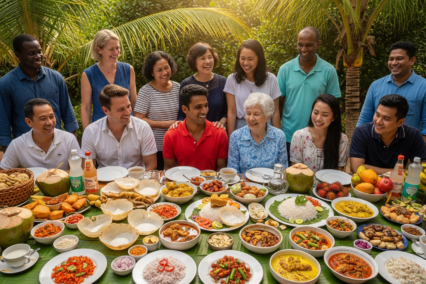
Family style dining is the main way people eat in Indonesia. Instead of separate plates for each person like in Western countries, everyone shares food. Many dishes are put in the centre of the table, and all can reach in and take some.
Everyone gets a plate of rice. They then help themselves to the different dishes. Eating this way brings people together. They get to try lots of flavours in one meal. It shows how important sharing and togetherness is for the people there.
This happens everywhere, from the family home to restaurants. Sometimes food is served on regular plates, and other times it is spread out on a big banana leaf so everyone can share. Eating from the same bowls makes people feel close and turns every meal into something special for all.
The Role of Hospitality at Mealtimes
Hospitality plays a big part in Indonesian culture, and you can really see it at mealtimes. When you get invited to someone’s house in Indonesia, you will be seen as an honoured guest. The people there will do all they can to make you feel welcome and happy. You will probably find a lot of food waiting for you.
It is polite to take the food and drink your hosts give you. If you say no, that can seem rude. Even if you are already full, try to take a small bit of food to say thank you. Sharing food like this is a big way that people in Indonesia build and keep strong bonds.
This caring attitude does not stop at home—it is a big part of all Indonesian cuisine. For many people, serving food shows kindness and friendship. When you kindly take what is given, you take part in something deep and warm in the local culture.
[indonesian culture], [indonesian cuisine]
Weekend and Holiday Meal Time Variations
Just like in Canada, weekends and holidays in Indonesia change how people usually eat. Life slows down on these days. There is more time for making food and sitting with it. People often cook dishes that are a bit more special. Families and friends meet to eat together. Meals happen in a relaxed way and you don’t need to hurry.
During holidays or weekends, the way people eat matches the happy feeling of the day. Some make meals for celebrations. Others enjoy slow brunches with everyone. Let’s learn about the different foods, new meal times, and old customs that come with eating on Indonesian holidays and weekends.
Special Dishes for Celebratory Meals
Celebrations in Indonesia always go with feasting. During holidays and big events like weddings or religious festivals, families make special dishes. These meals are not what people eat every day. They help bring everyone together around the food.
What people eat depends on where they are and why they’re celebrating. For example, when people mark Eid al-Fitr after Ramadan, they serve rice cakes cooked in palm leaves, called ketupat, and rendang. In Bali, a ceremony has to have babi guling, which is roasted suckling pig.
These big meals need help from many people. Everyone works together to get the feast ready. Some of the special dishes are:
-
Nasi Tumpeng: Yellow rice shaped like a cone, served with lots of sides, and often seen at ceremonies.
-
Nasi Padang: Many different dishes from Padang, usually shown during big celebrations.
-
Babi Guling: Roasted whole suckling pig, well-known in Bali and part of their ceremonies.
-
Opor Ayam: Chicken cooked in coconut milk, mostly eaten during Eid.
The celebration and food make the day memorable, with dishes like rice cakes, coconut milk curries, babi guling, and nasi padang giving everyone something to look forward to together.
Shifting Schedules During Weekends
On weekends, the strict weekday schedule is not there. Things are more calm and open when it comes to eating. With no rush to school or work, people take their time with meals. Breakfast is often later. Lunch can turn into a long, friendly time to eat and talk.
This is a great time for family dining. Families might like to eat out at a favourite restaurant. Sometimes, they choose to stay home and cook meals together. On Sunday mornings, lots of cafes and restaurants are busy with groups who want to have a relaxed brunch. Many people pick comforting foods like rice porridge or different pastries.
The weekend is also a good time for people to try new foods or visit markets. Eating is not just for energy now. It is more about enjoying food and spending time together. The easy schedule gives people the chance to have more fun and try food with their loved ones.
Religious and National Holiday Eating Traditions
Religious and national holidays in Indonesia are linked with special foods and the time people eat. For example, during the month of Ramadan, the daily eating routine changes a lot. Muslims do not eat or drink from sunrise until sunset. They end the fast each evening with a meal called iftar.
This iftar meal usually starts with something sweet. People may have dates or sweet drinks first. Then, they eat snacks and later a bigger dinner in the evening. At this time, you can see lots of markets and street vendors. They sell many special treats that have ingredients like coconut milk and palm sugar.
Other big holidays, such as Christmas and Chinese New Year, also have foods that are just for that day. These holidays include cakes, cookies, and big family meals. All of these food traditions show how people mark important times, share their faith, and come together as a group.
Age and Lifestyle Influences on Meal Times
In Indonesia, when people eat is not just about where they live or the event. Age and lifestyle also play a big part. How kids, busy adults, and older people eat can be very different. This is because each group has its own daily routine, needs for food, and place in society.
Knowing these differences helps you see more of what makes indonesian food special. City workers may grab quick meals, while older folks often stick to classic ways. Each stage of life changes when and what people eat in Indonesia.
Children’s Meal Schedules
Children in Indonesia usually follow a more planned meal time than adults. This is because their eating times fit with school and what they need as they grow. Kids have three main meals each day. They eat breakfast before going to school, lunch during their school break, and dinner later in the evening with the family.
Breakfast is very important because it gives them energy so they can learn well. They often have rice porridge, fried rice, or maybe some toast. At lunch, kids might bring food from home or get something at the school canteen. After class, many children have a snack to keep them going until dinner.
Parents want their kids to have good food, but sometimes things like instant noodles are just quick and easy, mostly for older kids. In the end, the key is to make sure children eat enough and have the energy they need for their busy days.
Working Adults and Shift Workers
For working adults in big cities, meal times often depend on their jobs. Many office workers have a fast breakfast at home or while heading out. Lunch can be a special break, shared with friends at a nearby warung or food court. People pick food that is quick and easy to get.
Street food is important for working adults. A hot plate of nasi goreng or some sticks of sate are good, cheap meals at any time. This is good for shift workers, as they can always find a 24-hour food stall when they need to eat.
The street food choices in Indonesia help many people. No matter when they work, it is simple to find a tasty, hot meal. This makes it easier to manage hard work and still eat good food.
Elders and Traditional Practices
Elders in Indonesia often hold on to old traditions, and this shows in how they eat. Their meal times are usually more set. They also tend to eat earlier than younger people. Most days, they prefer home-cooked food, made in ways that are familiar to them and that use ingredients they know well.
Their food is often softer and not very spicy so it is easier for them to eat. But their meals are still full of taste. Sweet soy sauce is one of the classic seasonings they use a lot in indonesian food. Older people in the family are key in teaching others old recipes and kitchen ways. They make sure these parts of their culture don’t fade away.
Eating together is a big thing for elders too. Family style meals let them feel important in the group. Meal times are a chance to talk, share stories, and give advice to their kids and grandkids. Sticking to their habits helps keep the special meaning of indonesian food and culture strong.
Comparing Indonesian Meal Times with Canada
For Canadians who travel to Indonesia, meal times and how people eat are some of the first things you will notice that are different. In Canada, there are usually three meals each day. There is a set time for breakfast, lunch, and dinner. In Indonesia, meal times are not as strict. People eat together more often and at different times.
Seeing these changes shows what is special about Indonesian food. From what you have for breakfast to how food brings people together, knowing about these things can help when you go to Indonesia. You will get to enjoy new tastes and ways to share food on your trip with Indonesian food.
Differences in Breakfast, Lunch, and Dinner Hours
The most apparent difference between Indonesian and Canadian meal times is the content and flexibility of each meal. While breakfast hours might be similar, what’s on the plate is worlds apart. Canadians might have cereal or eggs, while Indonesians are likely enjoying a hearty, savoury rice dish.
Lunch in Indonesia is typically the largest meal of the day, a stark contrast to the often light and quick Canadian lunch of a sandwich or salad. Dinner hours are also more flexible in Indonesia, often eaten later and with more variety than a typical Canadian family dinner.
Here’s a quick comparison of the general meal schedules:
|
Meal |
Typical Canadian Time |
Typical Indonesian Time |
Key Difference |
|---|---|---|---|
|
Breakfast |
7:00 AM – 9:00 AM |
6:00 AM – 8:00 AM |
Savoury and rice-based in Indonesia vs. often sweet/light in Canada. |
|
Lunch |
12:00 PM – 1:00 PM |
12:00 PM – 2:00 PM |
Main, heavy meal in Indonesia vs. often a light, quick meal in Canada. |
|
Dinner |
6:00 PM – 7:30 PM |
7:00 PM – 9:00 PM |
More flexible and often lighter than lunch in Indonesia. |
Cross-cultural Influences on Eating Habits
Indonesian cuisine is shaped by a long history of different cultures coming together. The country was a centre for the spice trade for many years. This made Indonesia a place where people from India, China, the Middle East, and Europe brought new ideas for food. You can still see these touches in the way people cook, the spices they use, and the food they make all over Indonesia.
Because of this background, Indonesian cuisine is very wide and has many flavours. Some spices come from Indian traders, and the way noodles and stir-frying are used shows the effect of Chinese people who moved there. These ways of cooking have changed to fit what the local people enjoy, and they helped make Indonesian food its own thing.
Today, with the world more connected, people’s eating habits in Indonesia are still changing. Western fast-food spots are found in many big cities. Younger people add more food from other places to how they eat. But at its heart, Indonesian food is still all about its deep history, variety, and strong local ways of making meals.
[spice trade]
[indonesian cuisine]
What Canadians Should Expect When Visiting
For Canadians going to Indonesia, it’s good to join in with the local eating ways. Eating together with other people over a busy dining table is fun and full of taste. The food in Indonesia is one of the best parts of your visit. It can be a bit spicy, but be ready to jump in and try new things with an open mind.
You may find eating together with a group is something new. People often share many plates that sit in the centre of the table instead of asking for their own dish. This way, you can taste many meals in one sitting.
Here is what you need to know:
-
Family Style Dining: People share most meals at one dining table. You can take some of each dish and put it with your rice on your own plate.
-
Lots of Rice: Most meals come with rice, as it is the main base. You eat the rice with the other flavourful side plates.
-
Bold Flavours: Many of the foods are full of taste and spicy food is common. You will find chili sauce and thick curry made with coconut milk. If you don’t want spicy food, just say “tidak pedas,” which means “not spicy.”
-
Flexibility is Key: People may not eat at set times. It’s best to go with the flow and eat your meal when everyone else does.
Regional Diversity in Eating Schedules
Indonesia is made up of thousands of islands. The eating schedules here change a lot depending on the region of Indonesia. What time people eat in one area is not always the same in another part of Indonesia. This happens because the local culture, weather, and main jobs change how people live each day. These things also decide when people eat.
From the busy city life in Jakarta to the slow pace on the eastern islands, every part of Indonesia follows its own food timeline. People in these areas also enjoy different dishes. If you travel across these islands, you will see how much the eating schedules and meals can change in Indonesia.
Western Indonesia (Sumatra, Jakarta)
In Western Indonesia, which has Sumatra and Jakarta, life is fast. People eat at times that fit this pace. In Jakarta, the day starts early. Many try to beat the traffic. Because of this, breakfast is often quick and eaten on the go.
Lunch here is the main meal. A lot of office workers go to food courts and restaurants from 12 PM to 2 PM.
Sumatra is famous for spicy food. Nasi Padang is one popular meal. In places like Padang, restaurants get busy at lunch. Many dishes are laid out and people pick what they like. The food is bold and has a lot of chili. People love the strong taste.
Dinner in this area is often late. In Jakarta, long commutes mean some eat at 8 PM or even later. The street food stands are open for hours. You can get a tasty meal any time if you want.
Central Java, Yogyakarta, Bali
When you move to the centre of the archipelago, you reach places like Central Java, Yogyakarta, and Bali. Here, you will notice things feel a bit different. The food in Central Java and Yogyakarta is famous for being sweet. They like to use sweet soy sauce, which is called kecap manis, and palm sugar. Meal times also feel a bit more laid-back than in Jakarta.
In Yogyakarta, which is the centre of culture for this area, things move slow. People still make lunch the main meal of the day. But there is a big custom of eating late at night at street stalls called lesehan. People sit on woven mats while they eat local food.
Balinese cuisine is special in its own way. It uses its own mix of spices and often has dishes for ceremonies. The timing of meals here is shaped more by local events and traditions than by the clock, especially outside tourist spots. Families here often have dinner earlier, and the community and rituals play a big part in what people eat and when they eat.
Eastern Indonesia (Sulawesi, Papua)
In Eastern Indonesia, in places like Sulawesi and Papua, people live close to the sea and the land. The meal times here are not like other parts of the country. They change, depending on fishing or farming. This area is known for its great seafood dishes.
In Sulawesi, in towns near the coast, what people eat most times depends on what gets caught that day. The food is very fresh. Often, it is grilled and served with spicy sambal. People use herbs from around, with lemon basil giving a nice smell and taste. In the hills, people cook with what they grow, such as long beans. Crops like sago and sweet potatoes are important foods, mainly in Papua.
Meals happen earlier here. People get up when the sun comes up. They eat supper a little before dark. Life is not fast. There is a strong tie between the people and where their food comes from.
Conclusion
In the end, learning about when people eat in Indonesia shows us the country’s rich food traditions and social ways. Breakfast starts early, and lunch and dinner are often special times for people to come together. Each meal says something about the many different groups and lively daily life in Indonesia. If you are Canadian, knowing about these traditions can help you get more out of your travel and make closer bonds with the people there. No matter if you sit down for a big meal or grab a quick bite, trying out these different eating habits can help you have a better cultural experience. So, if you are thinking to go to Indonesia, remember these meal traditions. This can help you enjoy your trip even more. Safe travels and good eating!
Frequently Asked Questions
Are Indonesian meal times fixed or flexible?
Indonesian meal times can change a lot. People in Indonesia eat breakfast, lunch, and dinner during certain times, but the times are not set. The schedule can be different in each region of Indonesia. It is also not the same in big cities and small towns. That’s because people change their eating times for work, friends, or what they like. This makes the way people enjoy Indonesian food very open and easy to change.
What foods are most commonly eaten for breakfast in Indonesia?
Breakfast in Indonesian cuisine is usually filling and salty. Nasi Uduk is a rice dish cooked with coconut milk and it often comes with a fried egg. Many people enjoy rice porridge, called Bubur Ayam. Lontong Sayur is another choice, with rice cakes served in a vegetable stew. It’s a good way to start the day.
Do meal times change for special occasions in Indonesia?
Meal times and what people eat do change a lot during holidays and when they celebrate. For Ramadan, people will not eat during the day. They wait until after sunset to have their meal. For different festivals, families make big meals like nasi padang. They also like to make special sweets using palm sugar. People often eat together in big groups. The eating times are also more flexible than normal.