Key Highlights
-
In india, people eat at different times in each region, but most have dinner between 7 p.m. and 11:30 p.m.
-
In the past, indians ate two main meals each day. Now, breakfast has become usual for most.
-
Many indian houses look forward to snack time, with “chai time” being a big part of their day.
-
When and how people eat in india depend on family ways, local customs, and the season going on.
-
As cities in india grow bigger and work hours change, people are having dinner later now.
-
Indian meals often have many parts, so it can be hard to manage how much you eat. Still, portion control helps keep your diet healthy.
Introduction
Welcome to the bright and busy world of Indian food. If you are in Canada and want to travel to India soon, or if you are just curious about India and the way people live, it is good to know the local routine. There is a big part of daily life that is about food. In every Indian household, meal times are special. They help break up the day, and bring people together with their family or friends. This guide will help you learn about when people eat, what they eat, and why food is so important in India. With this, you can move around and try the tasty dishes you will find all over India.
Meal Timings in India: An Overview for Canadians
When you travel in India, you will see that mealtimes are not the same as in Canada. In Canada, many people eat dinner at about 6 p.m. But in India, most people eat much later. Restaurants in India often start serving dinner at 7 p.m. Many of them stay open late into the night.
This way of eating dinner later is normal in many parts of India. The time for each meal can change in different places. Indians may take their time eating Indian food like curry in the evening. So, you should be ready for a slower dinner. Now, we will look at what time people have breakfast, lunch, and dinner in India. We will also talk about how snacks are part of the day.
Typical Times for Breakfast, Lunch, and Dinner Across India
Across the vast landscape of India, meal times can vary, but a general pattern emerges, especially in urban centres. Breakfast is usually eaten between 7 a.m. and 9 a.m., lunch is typically from 12 p.m. to 2 p.m., and dinner is often enjoyed much later, from 8 p.m. onwards.
While these times are a good rule of thumb, you’ll find slight regional differences. For instance, dinner might start a bit earlier in some places and later in others, reflecting local lifestyles and work cultures in cities like Delhi, Bangalore, and Hyderabad.
To give you a clearer picture, here’s a general guide to meal times you can expect in India:
|
Meal |
Typical Time Slot |
|---|---|
|
Breakfast |
7:00 a.m. – 9:00 a.m. |
|
Lunch |
12:00 p.m. – 2:00 p.m. |
|
Dinner |
8:00 p.m. – 11:00 p.m. |
How Snack Times and “Chai Time” Shape the Daily Schedule
In India, people do not stick to just three main meals in a day. Snack times, especially the much-loved “chai time,” are as important in their culture as any meal. Many families in India have four meals each day. One of these is a special break for tea and snacks, usually in the late afternoon.
This break is not just a way to stop hunger until dinner. It is also a social time. People use it to relax and talk with family or co-workers. It helps them feel ready to go on with the rest of the day. The snacks that come with chai can be simple or filling. They often have spices and sometimes dairy too.
The way people in India have their meals in a day usually is as follows:
-
A hearty breakfast to start the day.
-
A fulfilling lunch in the early afternoon.
-
An essential chai and snack break between 4 p.m. and 6 p.m.
-
A late dinner to conclude the evening.
What Shapes When Indians Eat? Traditions and Regional Differences
In India, the time when people eat isn’t random. It is part of daily life and comes from old ways and the country’s many different places. Family is at the heart of it. Meals are planned so everyone can get together, mostly at the end of the day. For many Indians, these gatherings are about more than filling your appetite. They help people connect with each other.
India is so big that mealtime habits in one place can be very different in another. Each group of people, the weather, and past events help change when people eat. This mix of things makes india’s mealtime schedules rich and unique. Next, let’s see how traditions and places shape when and how indians have their food.
Cultural Customs and Family Influences on Meal Timings
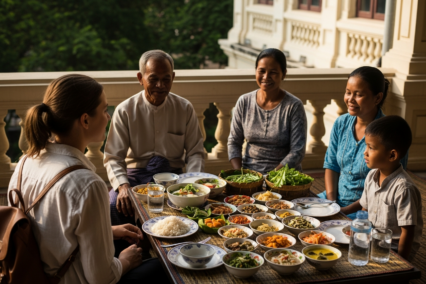
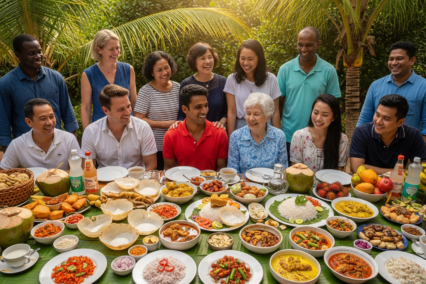
In a traditional Indian household, mealtime is not just about food. It is a special time for everyone to gather. The time to eat is picked so all family members can sit together, talk about their day, and share laughs over food. People place a lot of importance on dinner, even if it is late. This is because, after work and school, this is the meal where everyone can be together. When the whole family joins at the table, it helps keep the family bonds strong.
Food is seen as one main way to show love. It is used to celebrate, to comfort someone, and to show you care. In this culture, the focus is not just on what you eat, but also on how you eat and how much you share. Eating together is a habit for many of us. If you are new in an Indian home, people often ask you to eat more. Sometimes you will even be asked to have another helping, or even help yourself a third time.
There are unique customs in parts of India tied to eating food. It is common in many places to eat with your hands, especially if you are eating bread like roti or naan. In the south, some meals in India are served on a banana leaf instead of a plate. Today, cutlery is also used in an Indian household, but these older ways of eating are still loved. They are a big part of the experience at the table.
How Regions, Urban vs. Rural, and Seasons Affect Mealtime Routines
Meal timings in India are not the same in all parts of India. It can change a lot because of where you live and how you work. In many villages, people eat early. This is because a lot of life is about farming, so meals happen when the sun is out and when there is farm work. But in big cities, things are different. Long travel times to jobs and busy office hours have made people eat much later, especially when it comes to dinner.
Now, the number of gig workers and people in new jobs is going up. Many of the people who work in these modern jobs, especially the ones living in big cities in India, keep working until late at night. Because of this, dinner usually happens late, as this is the only time that fits their work life. This change is pretty new in India. It shows how new ways of living are changing what time people have their meals.
You will also see different mealtimes across different parts of India. For example, some states serve dinner earlier, but there are others where people often stay out late with friends and family, so they eat late as well. What month it is can make a difference too. In cold weather, people sometimes eat earlier. Mealtime can be different depending on people’s work, the place they live, and even the time of year. This shows how the meal routines of people in India can fit the world around them.
Conclusion
To sum up, knowing when people eat in India helps you see how many things shape the food culture there. Each part of india has its own way of eating meals. Dinner often happens later, and snack time and “chai time” are important in daily life. These things show what people do each day. If you are in Canada and want to know more about indian food and traditions, keep in mind that people there eat at different times. When you start to follow these ways while you eat, you will get a better feeling of indian life. You may also create stronger bonds with friends and family by joining in on these shared meals. If you want to learn more about indian food or how to match your meal times, feel free to ask!
Frequently Asked Questions
Why do people in India often eat dinner later than in Canada?
In India, most people eat dinner late. It usually happens between 8 p.m. and 11 p.m. One reason for this is the Indian household. This is often the time when all the family can come together after a busy day. People also work long hours and spend a lot of time going to and from work in cities. This is another reason why meal times are later in India.
Is it common for Indians to have multiple meals or snacks throughout the day?
Yes, snacking is something you see a lot in India. People often have four meals a day. These include breakfast, lunch, an afternoon snack with chai, and then dinner. Snacks play an important part in daily life here. They help with your appetite and also give people some time in the day to relax and chat with others.
Did Indians always eat dinner late, or is this a recent change?
In India, eating dinner later in the night is something new, mostly seen in cities. People in the past would eat their meals earlier. The change came because of things like more people living in cities, long work hours for professionals and gig workers, and new social habits. Now, many people in India have their mealtimes later in the evening.