Key Highlights
-
In Greece, people eat their meals later than in Canada. Dinner time often starts after 9 p.m.
-
The Greek way of life is more relaxed. The main meal is for much more than food. It is a time for people to get together and talk.
-
Breakfast is usually light. People often just have coffee and a cheese pie as they go.
-
In Athens, dinner time can be later, too. Many locals start to go out to taverns at around 10 p.m.
-
If you get to know Greek customs, like having meze and olives at meal times, it will make your visit better.
-
If you are the only one in a restaurant before 9 p.m., do not be surprised. The waiter will see you as a tourist.
Introduction
Are you planning a trip to Greece? You will have a good time seeing old things, nice beaches, and eating tasty Greek food. But to really feel the way of life in Greece, it is good to know how people there eat. Meals in Greece are not just about food. The food is about people, sharing, and having a good time together. If you follow the Greek meal times, you can see their country like the locals do and know more about their way of life.
Understanding Greek Meal Patterns
The Greek way of eating is not the same as in Canada. The daily meals fit around the easy-going, social way of life in Greece. The main meal of the day in Greek culture usually comes much later. People also often enjoy small bites or a snack during the day. You can get tasty things like souvlaki, a cheese pie, or a spinach pie. These snacks help people keep going.
This way of having food is focused on enjoying life. You might start the day with a strong Greek coffee. There could be a late-night meal with olives and rich olive oil dishes. Every meal happens at its own time and has its special place in the day. To eat like someone in Greece, it helps to know this daily rhythm. Next, we will take a closer look at the daily meal plan and see how it is different from what people do in Canada.
Structure of the Day: Breakfast, Lunch, Dinner, and More
In Greece, people do not start the day with a big breakfast. Most like to sleep a bit more and then get something quick when they leave home for work. You will often see them with a coffee and a pastry from a shop. Breakfast in Greece is not a long, relaxed sit-down meal. It is more a way to give people fast energy.
The next meal is lunch, and that is usually lighter. Many have it in the mid-afternoon. Lunch could be leftovers from the night before or a dish someone made at home. This meal is not the main one for the day. For most, it helps get you through until later. Many will grab a snack in the afternoon to get them ready for the next meal.
The greek main meal is dinner, and it happens late in the evening. Families and friends in Greece gather at this time for food and talk. The meal is not rushed. It often takes hours and shows how strong the sense of community is in their lives. Dinner is the time to enjoy, share stories, and feel close to people.
How Meal Times in Greece Differ From Canada
If you visit Greece from Canada, the biggest thing you will notice is that meal times change a lot. The whole eating schedule moves ahead by a few hours compared to what you are used to at home. At 6 p.m., when you might be having dinner in Canada, the restaurants in Greece are just starting to get ready for the night.
There are also some changes in the way of life and how people look at each meal. In Canada, dinner is the biggest meal and even breakfast and lunch are usually big. In Greece, people start with something light, have a normal lunch, and then enjoy a later and slower dinner. This is part of the greek way of life and is shaped by the weather and the idea that people want to spend more time together when it gets cooler in the evening.
Here’s a quick comparison of the differences in meal times:
-
Dinner Time: In Canada, dinner is usually between 5 p.m. and 7 p.m. In Greece, it’s rarely before 9 p.m. and often later.
-
Breakfast: Many Canadians have a sit-down breakfast. Greeks typically have a coffee and a pastry on the go.
-
Lunch: A Canadian lunch might be around noon, while in Greece, it’s closer to 2 p.m. or 3 p.m.
Typical Meal Times in Greece
Getting used to the local meal times in Greece helps you enjoy your stay. People in Greece have breakfast early, and it is light. Many only have a greek coffee and a pastry at this time. Lunch comes in the middle of the afternoon, but it is not the main meal. This gives plenty of space for dinner, which is the big meal of the day.
One of the biggest things you will see is the late dinner time in Greece. People come together for their main meal between 9 p.m. and midnight. It is common to do this so they can avoid the heat in the middle of the day and be social in the evening for longer. Let’s go over the times for each meal and see why dinner really happens much later in Greece.
When Greeks Eat Breakfast, Lunch, and Dinner
The Greek eating schedule is a reflection of their relaxed way of life. The day begins with a simple breakfast, often just a coffee and a koulouri (a sesame bread ring) or a cheese pie grabbed from a bakery. It’s a functional start to the day, not a social gathering.
Lunch is enjoyed in the afternoon, typically between 2:00 and 4:00 p.m. This meal is usually lighter than dinner and might consist of homemade dishes or a quick bite. Following this, there might be a period of rest or a late afternoon snack to prepare for the evening.
Dinner is the main social meal, and it happens late. Greeks start thinking about dinner around 9:00 p.m., but it’s common for people to sit down to eat at 10:00 p.m. or even later, especially during the summer.
|
Meal |
Typical Time in Greece |
|---|---|
|
Breakfast |
7:00 a.m. – 10:00 a.m. |
|
Lunch |
2:00 p.m. – 4:00 p.m. |
|
Snack |
5:00 p.m. – 7:00 p.m. |
|
Dinner |
9:00 p.m. – Midnight |
Why Dinner Happens Much Later in Greece
Have you ever thought about why Greek people eat dinner so late? The reason has to do with the weather, the way of life, and the culture in Greece. The hot Mediterranean sun is a big part of why. On those really warm summer days, nobody wants to have a big meal in the afternoon when it’s too hot. It feels much better to eat dinner when it gets cooler in the evening.
There is also a traditional break in Greece called “mesimeri,” which happens in the middle of the day. People take this rest, and after that, they often go back to work or finish other things they need to do. This means that dinner time often gets pushed to later in the day. In the center of Athens, you can see that things get lively at night when people come out to eat.
What matters most is that, for Greek people, dinner means much more than just eating. Dinner is a time for people to get together with their family and friends. By having dinner late, everyone can finish what they have to do during the day, then meet up without having to rush. This makes it easy to share stories, enjoy meze, and drink some wine. For Greeks in places like Athens, dinner is a way to celebrate being together with others, and it doesn’t need to be set at a certain time on the clock.
Comparing Meal Times in Greek Cities and Villages
Eating dinner late is common all across Greece. You may see some small changes in meal times when you go from big cities to small towns. In Athens, people often eat even later. The busy life in this city and when people finish work play a big role in this. The fun nightlife in Athens also makes people have food late at night.
But in small villages, the way of life is a bit different. Things are more slow and sometimes meals happen a bit earlier than in the city. Farming shapes the daily routine for many people. Still, most people enjoy a late and social dinner, even in these quieter places. So, the meal schedule in Greece can change as you go from Athens to small towns, and is also different in summer and winter.
How Athens Differs From Small Towns
In a big city like Athens, life often moves faster and feels busier. This can change when people have their meals, especially dinner time. In the center of Athens, you will notice that many people, especially young folks and people who work in offices, eat later than those living in small villages. It is common for restaurants in the center of Athens to be very busy after 10 p.m.
The Greek way of life in villages is not the same. People here are more in sync with the day and night and the jobs they have done for years. While they still eat later than people in Canada, dinner time often begins a little earlier, maybe around 9 p.m. Most dinners are quieter, and families eat home-cooked meals together.
Here are a few things you will notice:
-
Pace: Life in Athens is faster and always on the go. People stay out late, so dinner time is often later at night.
-
Tourist Influence: Parts of Athens with a lot of tourists may follow different schedules, but most locals still eat late. Villages do not have much of this.
-
Work Schedules: Jobs in Athens that keep people working all day mean people start evening plans, including dinner, later.
This is how the way of life, dinner time, and what goes on in Athens compared to the villages can look quite different for their people.
Island and Seasonal Variations in Meal Schedules
Yes, meal times in Greece will change with the season, and also the place you are in. This is true, especially on the islands in the hot summer months. The long days with lots of sun in summer make people eat much later. When the sun stays up until late, people push back their whole evening.
In August, when it is the busiest season for tourists, you see locals and visitors on the Greek islands live this late-night life. After a day at the beach, people often take a nap in the afternoon. Then, they go out for a very late dinner. Restaurants and taverns are full of people after 10 p.m., as they serve fresh fish and meze under the sky. This brings out the real Greek feeling in these places.
When winter comes, meal times can be a bit earlier, but not by much. People in Greece are used to having dinner late. So even if you are on a Cycladic island in July or in a mountain village in December, you can expect your main meal to be at night. This is all about the Greek way of life where people enjoy food and time together.
Local Traditions Around Greek Meal Times
The traditions around Greek dinner time are as important as the food you find on the table. Eating in Greece is special for many people because it brings everyone together. The late dinner time is not just a daily habit. This is a tradition people in Greece love because it helps everyone relax, talk, and enjoy a cozy atmosphere.
People in Greece often eat at tavern dinners or share plates of meze. You see these things everywhere, as they are a big part of Greek life. It’s about having good food, taking your time, and liking the company you have at the table. This way, people can enjoy every moment. Let’s look at the Greek dinners, when people go out to eat late, and the gatherings that show what makes evening dining in Greece stand out.
The Culture of Eating Out Late
Eating out late at night is a big part of Greek culture. This is a strong tradition that people in Greece have kept for years. If you walk in the center of Athens before 9 p.m., you will notice many taverns are still quiet. Do not worry about this. They are not getting ready to close. People who live in Athens just come out later. The night is only starting.
The reason for this comes from making the main meal the highlight of the day. This is the time to relax after work, get away from the heat, and be with friends or family in a cozy atmosphere. The main meal is special, and there is no rush to finish. You will not see a waiter trying to clear your table quickly or send you away.
People in Greece enjoy a late dinner to laugh, relax, and enjoy good company. It is all about the group of friends, also called “parea.” So when you are in Greece, you should try this too. Take a nap in the afternoon, go out to eat late, and enjoy your night meal in a relaxed way. By doing this, you will eat like a real local in Athens.
Social Gatherings and Evening Dining Rituals
Evening dining in Greece is all about people coming together. The main meal is not just about food, but about who you get to share it with. This is easy to see in the Greek way of having “meze.” Meze means many small plates, like olives and fresh fish, brought out to share with everyone. This helps people connect, and lets them enjoy the food at a slow, relaxed pace.
This way of life helps make a cozy atmosphere where people want to talk, stay, and enjoy each other’s company. Wine is often poured, but what really matters is the togetherness. It is not just a quick bite and then out the door. The main meal is a time to build good memories with friends or family. It could be dinner at home or time spent at a local tavern, but the focus is still on being with others.
Key elements of Greek evening dining rituals include:
-
Sharing Plates: People order different kinds of meze like olives, tasty dips, and fresh fish. All this good food helps bring the table together.
-
Long Duration: A main meal can last two or three hours for many families or groups. This lets everyone talk and laugh while they eat.
-
Inclusivity: These meals are for everyone. They help people feel they belong and keep families and friends close.
What Canadians Should Expect at Greek Restaurants
As a Canadian who goes to Greek restaurants, you first need to get used to the timing. People there do not pack the restaurant for dinner at 6 p.m. That cozy atmosphere you want does not start until much later in the night. The restaurants in Greece open based on the local meal times, not how it is done in North America.
You will also notice that the way you get service is not the same. The waiter will not hurry you with your meal. You might need to ask for the bill when you are ready to go. Be ready to relax, take your time, and enjoy what is happening around you. Below, you will see more about the opening hours and the great food you can eat at the greek place.
Typical Greek Restaurant Opening Hours
Greek restaurant opening hours are a direct reflection of the country’s late meal times. While some tourist-focused spots may open earlier, most traditional taverns that cater to locals don’t get busy for dinner until after 9 p.m. Many won’t even open their doors for dinner service before 7 or 8 p.m.
If you arrive at a tavern at 7:30 p.m., you might be the only customer. The waiter will be happy to serve you, but the real buzz and energy of a Greek restaurant build up later. The kitchen hits its stride around 10 p.m. when the local crowd starts to arrive for their main meal.
For lunch, most places are open between 1 p.m. and 4 p.m. It’s important to remember these times so you don’t show up for a late lunch only to find the kitchen closed until the dinner time rush.
|
Establishment Type |
Typical Lunch Hours |
Typical Dinner Hours |
|---|---|---|
|
Traditional Tavern |
1:00 p.m. – 4:00 p.m. |
8:00 p.m. – 1:00 a.m. |
|
Tourist Restaurant |
12:00 p.m. – 4:00 p.m. |
6:00 p.m. – 12:00 a.m. |
|
Ouzeri (for meze) |
All day from noon |
All day until late |
Common Foods and Drinks Served at Each Meal
In Greece, people love food and drink that matches the time of day. For breakfast, it will be light and quick. You get a strong Greek coffee, and many will have a pastry, like a cheese pie, a koulouri, or a spinach pie. These are made for those who have to get up and go.
Lunch is a bit bigger, but still simple when you compare it to dinner. At lunchtime, you could have something made from legumes, or maybe a big salad with lots of olive oil. Leftovers from last night are common, too. And if you want a fast food, souvlaki is a good, popular choice that a lot of people in Greece enjoy.
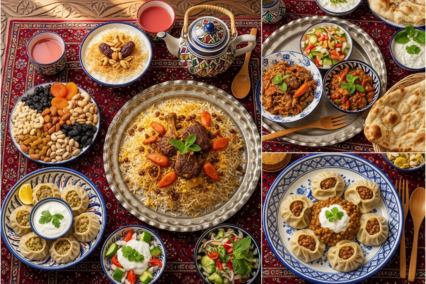
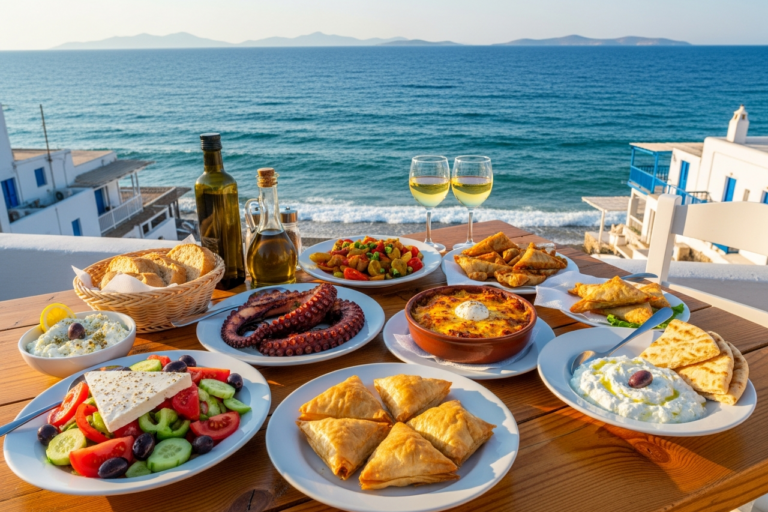
Dinner is the main meal of the day in Greece and it feels more like a feast. It begins with meze, which means small plates for sharing. There are olives, dips, and grilled cheese on the table. The star can be grilled meats, fresh fish, or a casserole from the oven that everyone shares around the table.
-
Breakfast: Greek coffee, pastries (cheese pie, spinach pie).
-
Lunch: Salads, legumes, souvlaki.
-
Dinner: Meze, grilled meats, fresh fish, traditional casseroles.
Conclusion
To sum it up, knowing about meal times in Greece is important, especially if you want to really get into the local life. The way people in Greece go from a slow breakfast to late dinners says a lot about their culture and ways. These greek eating habits are not the same as what you see in Canada. They can also change if you are in big cities or smaller towns in greece.
If you keep these meal times in mind, your time will be better whenever you sit down to eat. You will also get more out of all the good greek food. The next time you are out at a greek place to eat, it’s a good idea to think of these things. You will get to enjoy more than just the food—you will feel the real greek welcome.
Frequently Asked Questions
Is it normal for Greeks to eat dinner at 9pm or later?
Yes, this is normal. Greek dinner time often starts at 9 p.m. But many people in the center of Athens begin their main meal at 10 p.m. or later. For the Greeks, this is the most social and important meal of the day.
Do Greek meal times change during summer or holidays?
Yes, that is true. In Greece, the summer can be very hot, especially in August and on the islands. People often eat later at night. The days are long and there is a lot of sun. The evenings stay warm, so many people wait until 10 or even 11 p.m. to start dinner. This way, they can enjoy the cooler air at night.
Are there differences in meal times across different regions of Greece?
Yes, there are some small differences. The late-dining culture is found everywhere in Greece. People in big cities like Athens often eat even later than those who live in small villages. But even in those small villages, greek dinner time is still much later than what people in North America are used to.