Key Highlights
-
In Ghana, people often start their day early with breakfast, eat a big lunch, and have a smaller dinner.
-
Some of the top Ghanaian food staples are fufu, banku, and jollof rice. People usually eat them with tasty stews.
-
For Ghana, lunch is usually the biggest meal of the day, not like in Canada where people aim for three even meals.
-
Meal times can change from place to place. People who live in big cities like Accra may eat at different times compared to those living in small towns or villages. This is because their daily lives are not the same.
-
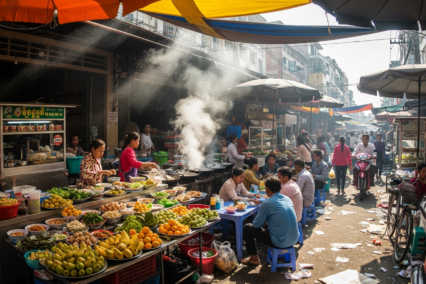
Street vendors are a big part of life in Ghana. They sell all sorts of snacks, like breakfast koko or fried plantain, right on the street.
-
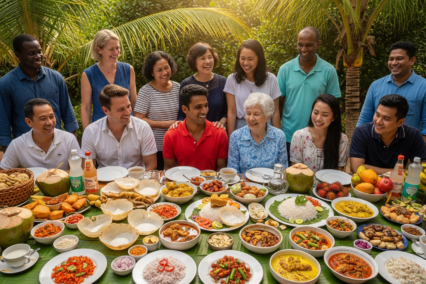
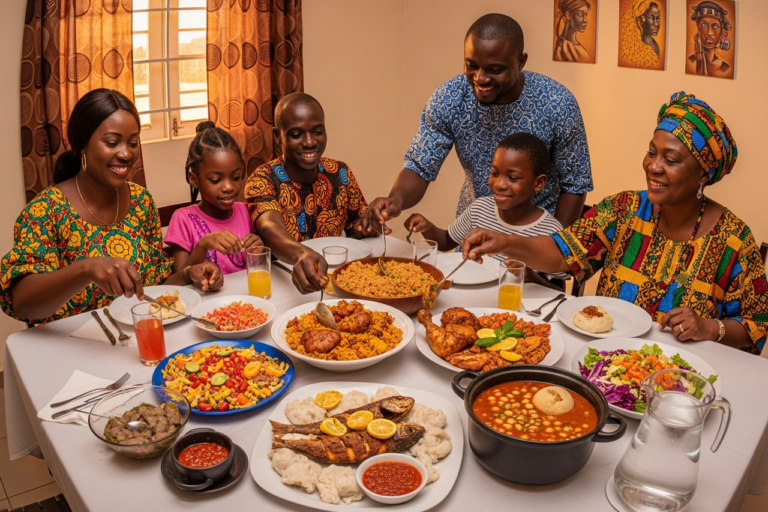
Ghanaian people care a lot about sharing food. Eating home-cooked meals together is a big part of family life.
Introduction
Welcome to your guide to Ghanaian meal times! If you are a Canadian getting ready for a trip to Ghana, it helps to know when people eat there. When you follow the local times of the day for meals, you can enjoy the food and culture even more. This short guide tells you when there is breakfast in Ghana, when to have lunch, and when people eat a light meal in the evening.
You will see that Ghanaian cuisine makes each part of the day special. So, get set to try new foods, and make your meal times line up with what people in Ghana do. This will give you a good and real look at how people eat there.
Understanding Meal Times in Ghanaian Culture
In Ghana, times of the day are shaped by meal times, and these times are a big part of daily life and social tradition. In this part of Africa, people often have a big meal in the middle of the day. Breakfast and dinner are often lighter. The way Ghanaians eat is different from what you have in Canada. This rhythm is part of ghanaian culture and is common in ghana.
Knowing the times of the day in Ghana is about more than just food. It helps you get the feel of the local way of living. Let’s see how meal times look each day and how they stack up to what you are used to back in Canada.
Overview of Daily Meals: Breakfast, Lunch, and Dinner
The way people eat in Ghana each day is simple. There are three main meals: breakfast, lunch, and dinner. But the size and importance of these meals might be different from what you know. In the morning, breakfast is eaten early. It is made to give energy for the day.
Lunch is the biggest and most important meal. People in Ghana often eat foods like fufu or banku with a thick soup or stew for lunch. This big meal helps people stay strong for the rest of the day.
Dinner comes in the evening and is not as heavy as lunch. The focus at dinner is on foods that are easy to digest before sleeping. The way Ghanaians eat shows what works well for their day and their weather. French fries are less common, and instead, staples like banku or fufu are enjoyed most.
How Ghanaian Meal Schedules Compare to Canadian Routines
If you are in Ghana, you will see right away that meal times are not the same as in Canada. In Canada, people often have three meals that are about the same size, or a big dinner at night. In Ghana, lunch is the main time to eat. You may notice that you have your biggest meal in the middle of the day here.
Because of this meal plan, people in Ghana have something lighter in the evening. This is not like the Canadian way, where there is usually a big family dinner at night. Breakfast in Ghana is different too. Many people start the day with porridge or savoury dishes. These are not the usual foods you see for breakfast in North America.
If you are visiting Ghana, you should try out these new ways of eating. It is a good way to get used to the local habits and enjoy ghanaian food how it is made to be eaten. You might find that having a big lunch and a light dinner makes you feel good!
Breakfast Traditions in Ghana
Breakfast in Ghana is a key way to start the day. People in Ghana like to eat different kinds of food full of flavour. Many people get breakfast fast from street vendors before work or school. This way, they can have a good meal on the go.
Some eat koko, which is a tasty porridge. Others pick fried food. Breakfast in Ghana is always busy, and you can feel the life in the morning. Here are a few dishes and the times when people in Ghana eat their first meal. These show how they kickstart their day.
Typical Breakfast Foods Ghanaians Enjoy
A favourite Ghanaian breakfast is koko, a warm porridge. The main grain for this is usually fermented millet or corn. People often eat it with koose. Koose is a spicy bean fritter. Together, these two make a filling meal to start the day. This mix is well-loved in all parts of the country.
Another simple choice for breakfast is bread. Many people in Ghana have fresh bread with butter, fried eggs, or sardines. This quick meal is sold at many stalls on the roadside.
Some other well-known breakfast foods are:
-
Bofrot: This is tasty fried dough, much like a doughnut.
-
Waakye: This dish is made of rice and beans, and people eat it in the morning or at lunch.
-
Hausa Koko: It is a spicy porridge served with fried dough.
For drinks, people may have hot chocolate, tea, or cold soy milk with their meal.
Common Breakfast Timings Across the Country
Breakfast in Ghana is usually eaten early. Most people have it between 6:00 AM and 9:00 AM. This helps them get ready for the day. They may be going to the office, school, or the farm. In the early morning, vendors sell breakfast food to commuters.
These breakfast habits change a little depending on where you are. In cities, people rush to get to work. So, breakfast is quick. Many grab street food on the go. You can see lines at popular stands where people get their morning meal.
In rural areas, breakfast might happen later. People finish some chores first. Then, they eat. Breakfast is still very important for all. It gives the energy needed for hard work. The times of the day for breakfast fit the local ways of living.
Lunch in Ghana: The Heartiest Meal of the Day
Lunch in Ghana is not just a quick bite; it is the main meal of the day. People in Ghana often eat a big, heavy meal at this time. Many choose fufu with groundnut soup because it fills them up and gives them the energy they need for work or school.
This meal in the middle of the day is an old and loved part of their way of life. It helps everyone get through the rest of their day. Next, you can read about the lunch dishes people like most and what time they usually eat this important meal.
Popular Lunch Dishes Among Ghanaians
Lunch in Ghana is when the staple foods are at their best. You can find all types of filling plates that work great for the middle of the day. Fufu is a favourite here. It is made from cassava and plantain that get pounded together into a dough ball. Fufu is most often served with soup that be full of flavour.
One more popular lunch meal is banku. This is a dumpling with a sour taste, made from corn and cassava dough that is fermented. Banku is usually eaten with stews or grilled tilapia. The meals here use rich flavour and are very filling.
Some well-known lunch combos include:
-
Fufu with light soup or groundnut soup.
-
Banku with tilapia and hot pepper sauce.
-
Jollof rice with chicken or beef.
-
Waakye, which is rice and beans, with sides like garden egg stew.
Yam and other similar foods are eaten, too. They are boiled and served with stew. Sometimes they will be fried and put beside the main meal as a side.
When Do Ghanaians Usually Eat Lunch?
Ghanaians usually eat lunch between 12:00 PM and 2:00 PM. This is the time when most people stop what they are doing at work or school to eat their main meal of the day. In cities, you will notice office workers going to local places to eat, called “chop bars,” or having food brought right to their workplaces.
The lunch break is a big part of every day. Schools and businesses set their time around this meal. They make sure everyone gets some time to eat well. The regular delivery of content, or in this case, a good lunch, is very important to daily life.
Even if people are busy with work, the habit of having a big lunch has not gone away. This is a time for everyone to stop, recharge, and talk with others before the afternoon starts. If you are visiting Ghana, having lunch at this time is a great way to get to know the local people and their way of life.
Dinner Practices and Evening Meals
As the evening comes in Ghana, people start to eat lighter food. Dinner in Ghana is not as big as lunch, making it easy for the body to handle before going to bed. This is good for digestion and helps people sleep better at night because they don’t feel too full.
Dinner time is when Ghanaians like to enjoy simple flavours. This helps clear the palate after eating spicy foods during the day. Now, let’s talk about when most people eat dinner in Ghana and the types of light meals they choose at night.
What Time is Dinner Served in Ghanaian Households?
Dinner in a Ghanaian household is typically served in the early evening. Most families gather for their last meal of the day between 6:00 PM and 8:00 PM. This timing allows for digestion before heading to bed.
The specific meal times can vary from one household to another, but this range is a good general guide. On weekends or for special occasions, dinner might be served a little later, allowing for a more relaxed and social evening. However, the principle of an early dinner remains common.
Here’s a simple table of typical dinner times:
|
Setting |
Typical Dinner Time |
|---|---|
|
Weekdays |
6:00 PM – 8:00 PM |
|
Weekends |
7:00 PM – 9:00 PM |
|
Special Events |
8:00 PM onwards |
These times reflect a culture that values winding down in the evening with a lighter meal.
Favourite Ghanaian Dinners and Light Night Foods
For dinner, many Ghanaians go for lighter meals that are easy to make and don’t sit too heavy in the stomach. One top pick is grilled tilapia, which comes with banku or a simple salad. The fish gets its nice flavour from ginger and other spices, so it tastes good but isn’t hard to eat at night.
People also like having a bowl of light soup. Sometimes, they have it on its own, or they add just a small piece of boiled yam. Fried ripe plantain is another go-to meal in the evening. You can eat it by itself, or have it with some peanuts. These meals help you feel full without being too much after lunch.
Popular lighter meals for the evening include:
-
Grilled tilapia with pepper sauce
-
Fried yam with shito (hot pepper sauce)
-
Kenkey with fried fish or sardines
-
A simple salad or some leftover stew from lunch
With these choices, the evening meal stays light and easy to enjoy.
Regional and Urban-Rural Differences in Meal Schedules
Meal times in Ghana are not the same everywhere. You will find that people in busy cities like Accra eat at different times compared to those in quiet villages. The way you live, your work, and what food you can get all have a part in this.
This shows how different life can be inside ghana. We are about to talk about when people eat in cities and villages. We will also see how family and work have a say on how people in ghana choose when to eat.
Meal Times in Urban vs. Rural Settings
In urban areas like Accra, life moves at a faster pace, and this is reflected in meal times. People often have an early start, grabbing a quick breakfast from a street vendor on their way to work. Lunch is still the main meal, but it might be eaten at a desk or a nearby chop bar during a shorter break.
In contrast, rural life often follows the rhythms of agriculture. Breakfast might be eaten after some early morning work on the farm. Lunch remains a substantial meal, but it’s often eaten at home with the family. The pace is generally more relaxed.
Here is a comparison of typical meal times:
|
Meal |
Urban Setting (e.g., Accra) |
Rural Setting |
|---|---|---|
|
Breakfast |
6:00 AM – 8:00 AM (often on the go) |
7:00 AM – 9:00 AM (often at home) |
|
Lunch |
12:00 PM – 2:00 PM (at work/eateries) |
1:00 PM – 3:00 PM (main family meal) |
|
Dinner |
7:00 PM – 9:00 PM (lighter, often later) |
6:00 PM – 7:00 PM (early, simple meal) |
These differences show how lifestyle directly shapes the daily eating schedule.
Influence of Family, Work, and School on Eating Patterns
Family, work, and school play a big part in how people in Ghana plan their daily meals. In many families, everyone comes together for meals. This is very common in towns and villages. The main lunch meal brings all members together before they go back to their afternoon work.
In big cities, many people have jobs from 9-to-5. This type of work day changes when people eat. Lunch is often eaten near the workplace, and dinner happens after people travel home in the evening. Street food is popular in the city for this reason. Vendors do well because they give quick and easy food for workers who are busy.
Schools also have an effect by choosing set times for lunch breaks. This sets a routine for kids even when they are very young. The structured meal time, along with the role of street food in Ghana, helps make a good midday meal an important habit for everyone. Parents, kids, and workers all end up following the same daily rhythm.
Etiquette and Cultural Significance of Meal Times
Meal times in Ghana mean more than just eating. They are a big part of Ghanaian culture and have many rules around how people act at the table. Sharing food shows you care about others, welcome guests, and respect people. Families and friends eat together, and that helps everyone in the group feel close.
To show you respect Ghanaian ways, you need to know about their meal customs. Knowing these things helps you take part in their culture and feel like you belong. In Ghana, there are many special ways people eat with each other and cook meals for big events and celebrations. Let’s talk about these meal customs and special Ghanaian foods for parties and festivals.
Social Customs Around Seating, Serving, and Sharing Food
When you sit down for a meal in Ghana, there are a few ways you can show respect. One big rule to remember is to always use your right hand when you eat. This is important, mostly when the meal is fufu or banku. The left hand is not to be used, as people think of it as not clean.
People in Ghana love to welcome others. If you are eating and someone comes by, you need to offer some of your food to them. If someone gives you food, it is not good to say no right away. You should at least try a small piece, to show thanks.
Here are some things to remember about Ghanaian food:
-
Always wash your hands first. Most Ghanaian meals are eaten with hands.
-
The oldest people in the family get their food first to show respect.
-
Try not to use your left hand when you give or take food.
-
Show you are grateful and give good comments about the food.
When you do these things, you show you care for your hosts and the ways of their culture. It’s a nice way to enjoy ghanaian food and be a good guest in Ghana.
Special Dishes for Festive and Traditional Occasions
Festive occasions in Ghana often have special meals that are richer and more fancy than what people eat every day. People prepare these foods with extra care for big events like weddings, funerals and other festivals. These meals play a key role at these times and bring people together.
Palm nut soup is one well-known dish for these events. The soup is thick, full of flavour and made from the pulp of palm nuts. The cook will often mix in the meat and fish of their choice. Different spices are used to add a nice taste and smell to the soup. Another favorite festive food is Omo Tuo, which means rice balls. You can see Omo Tuo served with thick groundnut soup on a special Sunday or holiday.
Some foods and drinks you may find during celebrations are:
-
Jollof rice: At parties, people make a fancier version.
-
Different grilled meats and kebabs.
-
Palm wine: This old-style alcoholic drink is common at gatherings.
All of these special dishes help bring everyone together. They make the day feel important and help people have a good time.
Conclusion
In short, knowing when people in Ghana eat gives you a good idea of the local food and ways of life. The food in Ghana comes with big breakfasts, group lunches, and dinners shared with family. Each meal shows the importance of eating together and spending time with others. If you are new to ghanaian food or want to try these meal ideas in your life, you will soon see that eating there is about more than just getting full. It brings people together and helps make a strong group. So, next time you plan a meal, think about the culture and history behind ghanaian cuisine. If you have questions or want to find out more about food in Ghana, you can ask anytime!
Frequently Asked Questions
Are there meals eaten outside the regular breakfast, lunch, and dinner schedule?
Yes, snacking is common in Ghana. People eat snacks all through the day. Many get them from street food vendors. The snacks can be lighter meals like fried plantain chips or roasted peanuts. Some choose pastries and grilled kebabs. These snacks help fill the time between main meal times of the day.
Do Ghanaians follow a specific timetable for children’s meals?
Yes, kids’ meal times often fit the family’s regular schedule. They usually have breakfast before going to school. For lunch, kids may bring food from home or eat what the school gives them. Dinner is often eaten early in the evening. Parents try to make sure their children eat at set times because it is good for their growth and helps with digestion. At school, the staff also help with this by having lunch breaks at the same time each day.
Is it common for Ghanaians to eat out or is dining mostly at home?
Home-cooked meals are important to the family and the culture. At the same time, people also like to eat out. Street food spots and places known as “chop bars” are loved. Many go to them for breakfast and lunch. Eating out is easy and lets you try many dishes. There is something for every palate. Street food is a big part of the eating-loving crowd here.