Key Highlights
Here’s a quick look at what you can expect from German meal times:
-
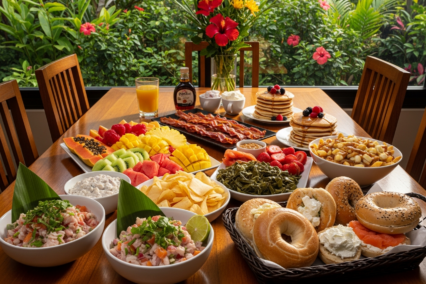
The people in Germany often start the day with a hearty breakfast. You will usually find bread rolls and muesli on the table.
-
The main meal comes at lunch time. It is eaten between 12 PM and 2 PM.
-
Dinner, called Abendbrot, is lighter. This meal is cold most of the time.
-
People in Germany really value being on time at meal times.
-
In the afternoon, you might see people take coffee and cake breaks. This is called Kaffee und Kuchen. It is a big part of life there.
-
For breakfast, bread rolls and muesli are common. They taste good and people enjoy starting the day with these foods.
Introduction
Are you thinking about going to Germany and want to know how to match your meal times with the locals? Figuring out when to eat in a new spot can be a good time, and germans have their own way of doing things. In germany, people don’t eat as late as they do in some places in europe. Their meal times may even seem close to what you know at home if you are from Canada, but with a little bit of a twist. This guide will show you what time the germans eat and what they often have during the day.
Overview of German Meal Times
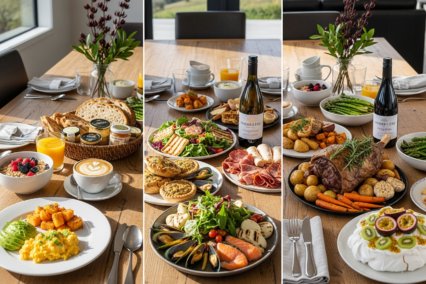
In Germany, people usually eat three main meals in the day. These are breakfast, called Frühstück, lunch, called Mittagessen, and dinner, which people might call Abendessen or Abendbrot. Breakfast helps you start your morning. Lunch is often seen as the most important meal of the day, and people usually have a warm and filling dish at this time.
Today, busy life means this meal pattern can change for some. Still, the main idea of meal times stays strong. If you want to get to know German culture, knowing when people eat is a big help. This is true whether you sit with a family or just stop for a quick meal at a café. Now, let’s take a closer look at the usual meal times in Germany. We can also see how they match with meal times you know in Canada.
Typical Timings for Breakfast, Lunch, and Dinner
If you’re trying to plan your day in Germany, knowing when to expect meals is a great start. German meal times are fairly structured, especially during the work week. Breakfast is usually eaten early, giving you a solid start to your day.
Compared to some other European countries known for late dinners, Germany’s schedule is earlier. Lunch is the main event, served around noon, while dinner is a more relaxed, lighter affair in the early evening. This contrasts with Mediterranean habits but might feel quite practical.
Here’s a simple breakdown of typical meal times in Germany:
|
Meal |
Typical Time |
|---|---|
|
Breakfast (Frühstück) |
6:30 AM – 8:00 AM |
|
Lunch (Mittagessen) |
12:00 PM – 2:00 PM |
|
Dinner (Abendbrot) |
6:00 PM – 8:00 PM |
Differences in Meal Schedules Compared to Canada
As a Canadian visiting Germany, you will quickly see some main changes in meal times. Breakfast happens at about the same time for both. But people in Germany put more focus on lunch. In Canada, most people grab a quick sandwich at work or school for lunch. In Germany, lunchtime is the big hot meal of the day.
This is the biggest cultural difference in how they eat. The evening meal, called Abendbrot in Germany, can be much smaller and is often a cold meal. This is not like the hot dinners that many in Canada expect at night.
Here are things you may notice:
-
The main hot meal in Germany will usually be at lunchtime, not later in the day.
-
German evening meals might be bread, meats, and cheese instead of a big hot dish.
-
People in Germany are used to taking a coffee and cake break in the afternoon, and this is more of a ritual for them than it is for us in Canada.
Traditional German Meals Throughout the Day
German food is about a lot more than just sausages and sauerkraut. The food you find in Germany has many kinds and comes from different places. A typical German breakfast is big and filling. This hearty breakfast is important and helps people start the day right.
As you move through the day, what you eat in Germany will change, too. Lunch is usually hot and fills you up. The evening meal is more simple and often cold. Now, let’s look at what is on your plate for each of these meals in Germany—from a typical German breakfast to the evening meal.
What’s Served at Frühstück (Breakfast)?
A typical German breakfast, also called Frühstück, is something people in Germany really look forward to. It’s not just a quick piece of toast you grab before you head out the door. Instead, this meal is important, and there is often a nice mix of fresh things on the table.
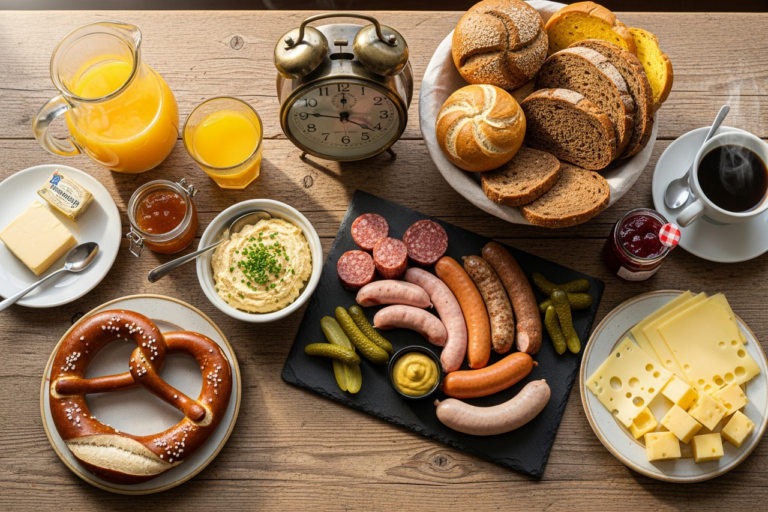
At a typical German breakfast, you will see a lot of different foods. Freshly baked bread rolls (also called Brötchen) are a must. People eat these with a range of things you can put on top. You will find cold meats like ham, slices of cheeses, and different spreads. If you like something lighter, many Germans enjoy muesli with yoghurt and fresh fruit, too.
Common items you see on a Frühstück plate include:
-
An assortment of bread rolls and sliced bread
-
Cold meats like ham and salami, plus various cheeses
-
Muesli, yoghurt, and fresh fruit for a lighter start
Lunch (Mittagessen) and Dinner (Abendbrot) Essentials
Lunch, or Mittagessen, has always been known as the big meal of the day in Germany. At this time, people often have a hot plate of food with meat or fish, plus potatoes and vegetables. Even if a lot of people now have less time to eat because of busy work, you can still get a large lunch in many restaurants and canteens.
The evening meal is much more simple. It is called Abendbrot, which means “evening bread”. The name fits well, because the meal is all about different breads and toppings. On weekdays, people in Germany normally eat this meal between 6 PM and 8 PM.
Here is what you might find served for Abendbrot:
-
A mix of whole-grain breads
-
Cheese, cold cuts, and sausages
-
Sometimes pickles, tomatoes, or jam come too
The evening meal is not as big as lunch in germany, but it is just as good for ending your day.
Cultural Customs and Etiquette at Mealtimes
When you are asked to have a meal in Germany, you get more than just the food. You join in on something very important to the people there. Germans like order and being nice at the table. If you learn some of their ways, it will help you feel like you belong. Sharing a meal is about more than food. It is also about being together and how you act at the table.
In germany, things like being on time and how you hold your fork matter to the people. Knowing small things like this can help you a lot. Let’s talk about how eating together in germany is social and why it’s important to be on time for meals with germans.
Punctuality and Social Aspects of Eating in Germany
Punctuality is very important in German culture, and the same goes for meal times. If you get an invite for dinner at 7 PM, you should do your best to arrive right at 7 PM or shortly after. Coming late can be seen as rude because your host will most likely have timed the meal to be ready at that moment.
Dining in Germany is about more than just food. It is a time to talk with others and connect. Try not to use your phone when you are at the table. You should join in with the people there. Also, you need to wait for the host to say “Guten Appetit” before you start eating.
Key etiquette tips for dining with Germans include:
-
Always be on time for a meal invitation.
-
Keep your hands on the table (but not your elbows) throughout the meal.
-
It’s polite to bring a small gift for your host, like flowers or a bottle of wine.
Snacks, Coffee Breaks, and Afternoon Treats
Besides the three main meals, the people in Germany have special traditions for eating at other times during the day. These are not just quick bites but set breaks. They give you a chance to stop, take a breath, and feel ready to go again. You do not want to miss these tasty customs.
In Germany, there is a mid-morning snack called the “second breakfast.” In the afternoon, people enjoy a special time for coffee and cake, known as kaffee und kuchen. These small meals are a big part of life for many Germans. Now, let’s look at what you get in these breaks and what tasty things you might try.
Das zweite Frühstück: Mid-Morning Snack
Have you ever felt a bit hungry in the morning? In Germany, there is a word for it: das zweite Frühstück. It means “the second breakfast.” This is normal in Germany. You see it in schools and some places where people work. It helps people get a bit more energy before lunch.
The second breakfast is not a big meal. It is something small you can eat fast, like a fruit, some yoghurt, or a sandwich. People in Germany do this all the time. You will find a lot of people in Europe have the same habit. It is much like other morning snacks you see in Europe.
What does a “second breakfast” have?
-
A piece of fruit like an apple or a banana
-
A small bread roll or a pretzel
-
A cup of yoghurt
Kaffee und Kuchen: Afternoon Coffee and Cake
One of the best-loved food traditions in Germany is Kaffee und Kuchen. This means “coffee and cake.” People like to enjoy this afternoon treat between 3 PM and 5 PM. It can be at home or in a café. It is a nice break in the day to be with friends and family.
This is not just about grabbing coffee fast. It is about taking your time. Cafés show off lots of homemade cakes, tarts, and pastries. You pick the Kuchen (cake), order your Kaffee (coffee), and sit down to relax and enjoy.
Here’s what you can look forward to during Kaffee und Kuchen:
-
Many cakes to pick from, like Black Forest cake or apple strudel.
-
Time to socialise with friends and family.
-
A quiet break in the late afternoon, often on weekends.
Germany makes kaffee and kuchen a special time for everyone.
Meal Times on Weekends and in Different Regions
During the week, meal times in Germany stay about the same each day. On the weekend, things are more easy-going. The pace is slower. You will find that meals take longer because people like to enjoy them and spend time with others. The day feels different when there is no work or school to hurry to.
Germany has many regions, and each has its own food habits. The meal times and what people eat can be different in the north and the south. Let’s take a look at how meal times change on Saturday and Sunday. You will also see some changes in the meals because of where you are in Germany.
How Schedules Change on Saturdays and Sundays
On weekends, meal times in Germany change and become easier to manage. Meals can also get bigger. Breakfast might be later in the day. It can take longer to finish, especially on Sundays. Lots of families have a relaxed brunch. This meal has more types of bread, cheese, and cold cuts. There might be a soft-boiled egg, too.
Lunch on weekends—like Sunday lunch—can be a big event for the family. It’s usually a larger, classic meal with many family members at the table. The evening meal, or Abendbrot, is often lighter. Sometimes the family decides to have something warm, if lunch was not very heavy.
Meal times are not the same as during the week. On weekends, the strict time rules let go. People feel more relaxed and focus on enjoying food with each other. It is a way for people to connect and eat good food without rushing.
Regional Variations in When Germans Eat
While there is a basic routine for meal times in Germany, you will see small changes in different parts of the country. These changes are part of local habits. They also come from old farming ways and other cultures that are close by in Europe.
In the south of Germany, like in Bavaria, lunch is often the main and biggest meal. Dinner is a lighter one there. But in the north, in big cities like Berlin or Hamburg, the evening meal is starting to be a bigger event. More people go out for a hot dinner, which is closer to how some people in North America eat.
These changes are not only about when you eat, but also about what foods you have. What people call a traditional meal can be very different from one part of Germany to another. When you travel in Germany, you will see small changes in when to eat and what foods you get each day.
Dining Out in Germany
Dining out is a good way to try food in Germany. There are cozy pubs called Kneipen and nice restaurants. You can find something for every taste or budget. But, knowing how places work helps you not get caught off guard.
If you know when most places open and close, your meals will go better. Having some simple phrases ready is smart, too. Here is what you should know about restaurant hours in Germany and a few tips for Canadian travellers.
Restaurant Opening Hours and Meal Service
Restaurant opening hours in Germany usually match the meal times people there follow. Most spots that offer lunch start serving at around 11:30 AM or 12 PM. They stop by about 2 PM or 2:30 PM. You should know that many kitchens close in the afternoon. They open again later for dinner.
Dinner starts at about 6 PM. Kitchens can close as early as 9 or 10 PM, mainly in smaller towns. You will not find many places with full meals late at night like you might in other places.
Keep these tips in mind when you eat out in Germany:
-
Lunch is served in the early afternoon.
-
Many restaurants close after lunch and before dinner.
-
Always look for opening hours, more so if you are in a small town or out on Sunday or Monday, when many spots are not open.
Useful Phrases and Tips for Canadian Visitors
A bit of german can help you enjoy your meals more. When you try, people like it. When you go in a restaurant, start with a warm “Guten Tag” (Good day). When you want to pay, you can say, “Die Rechnung, bitte” (The bill, please).
For manners, know that being on time matters if you are invited to a german house. It is good to keep your hands on the table when you eat. Don’t keep them in your lap. By following these tips, you show you care for the people and the way they do things.
Here are a few more tips:
-
“Ich hätte gern…” (I would like…) is a nice way to order food.
-
“Danke” (Thank you) and “Bitte” (Please/You’re welcome) are important words to use.
-
People do tip, but not as much as in Canada; just round up the bill or add 5-10% and that is good.
Conclusion
To sum up, learning about meal times in Germany can make your trip better. You start with breakfast, called Frühstück, and finish the day with Abendbrot. Knowing when people eat helps you try traditional food and take part in german customs. People in germany like to be on time and enjoy their afternoon coffee breaks. If you get used to these local habits, you will enjoy your travel more. Try to follow the german meal times, and you will get more out of your food journey. If you want more ideas or tips about eating in germany, feel free to ask.
Frequently Asked Questions
Do German meal times differ significantly on weekends?
Meal times in Germany change on the weekend. Germans like to have brunch later and take more time with it instead of rushing breakfast. Lunch on Sunday is usually big. It is a meal with family and it is made in a classic way. During the week, things are strict but on the weekend, meal times are easy and people spend more time with others.
Are there special foods reserved for certain meals in Germany?
Breakfast often comes with bread rolls, muesli, ham, and cheese. Lunch is usually the big meal of the day and it is hot. The evening meal, called abendbrot, is mostly cold. You will have bread, cheese, and cold cuts for this meal. The name “abendbrot” means “evening bread.”
What etiquette should Canadians know about joining meals in a German home?
When you eat in a German home, being on time is very important. You should also bring a small gift for the host to be polite. While you are at the table, keep your hands on it. Wait for your host to say “Guten Appetit” before you start to eat.