Key Highlights
-
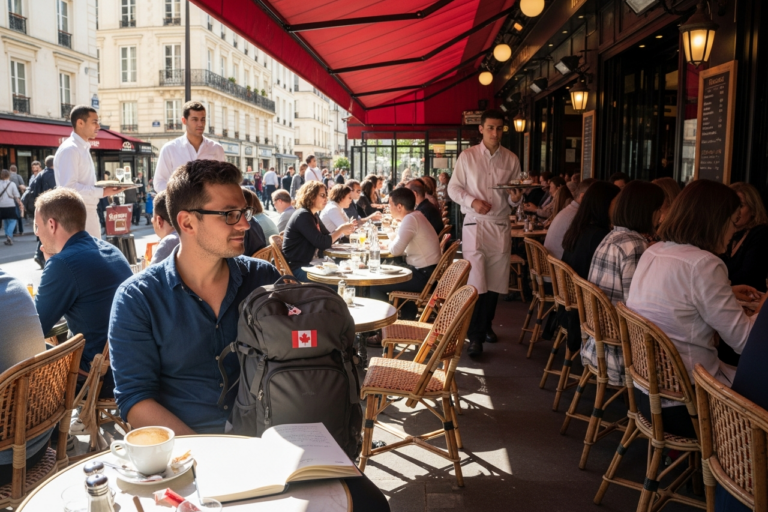
French meal times are an important part of French culture. Lunch and dinner are usually served later than in Canada.
-
French people see meals as a time to be with others. They like to take their time and enjoy both their food and the talk.
-
A typical French breakfast is light. You will often find a pastry and a hot drink.
-
Lunch happens at set times, usually from 12 p.m. to 2 p.m. It is the biggest meal of the day.
-
Snacking is not common. But there is an afternoon sweet treat called “le goûter.” This is a favourite, mostly for children.
-
Dinner is slow and relaxed. It almost never starts before 8 p.m.
Introduction
Welcome to the fun world of French culture! If you are from Canada and want to know about eating in France, you will enjoy this. There is more to food in France than just having a meal. Each meal is special. People love to eat at certain times and be together at the table. French eating habits are an interesting part of their life. This complete guide will share with you the usual meal times. You will learn how to join in breakfast, lunch, and dinner like a local.
Understanding the French Approach to Mealtime
In France, food is a big part of life. It’s not just something to keep you going. For the French people, eating well is part of who they are. They care about good food and enjoy meals together. You can see this in the way they eat. Each meal is a time to slow down, spend time with people, and sit with quality food.
In Canada, many people rush their meals, but things are different in France. The French make it a point to sit down and take their time when they eat. Lunch is often the most important meal of the day. It is a big meal that helps them feel good until they have dinner, which is often later at night. It is easy to see that mealtimes matter to French people, and their way of eating is not always the same as what most of us are used to in Canada. French cuisine makes their mealtimes special and important, and that’s a big difference.
Why Mealtimes Matter in French Culture
In French culture, mealtime is an important part of the day. People use this time to talk and enjoy good food together. It isn’t just about eating quick while you go from place to place. When families and friends sit together at a table, every meal can feel like a special occasion. This helps make their bonds stronger.
There is also a key rule about eating. People are expected to always sit at a table for a meal. You won’t see many walk and snack at the same time. You should keep your wrists on the tabletop, not down in your lap. The meal usually has a set order, with an entrée first and then the main course. This shows the respect French people have for good food.
Lunch is often called the most important meal of the day in France. Many take a long lunch break. People enjoy this time and do not rush to eat at a desk. Taking time at the table is part of French culture. It lets everyone slow down, share, and enjoy their food and each other’s company. This makes every meal feel special.
Comparing French and Canadian Eating Habits
When you look at how us folks in Canada eat compared to people in France, you see some clear differences. Here, in Canada, the biggest meal for many is dinner, and we usually have it at about 6 p.m. In France, lunch is often the main meal, and most people eat dinner much later. It can be after 8 p.m. before they even sit down to eat.
This change in the time of day also shows up in how quick or slow people eat. In Canada, you see people grabbing food fast, not spending too much time at the table. But in France, they like to take their time. For them, having a calm, relaxed meal is really important. You will not see many people in France eating while they are on the go. That is more of a North American thing, where lots of us eat while we are working or going somewhere. The idea of sticking to set meal times is a big deal in French life.
You might see that there are other parts of the world too, where the time for dinner is not the same. In Germany, dinner can be early, but in Spain, people eat even later than in France. In France, they have found a way of eating that fits their routine. When it comes to meals there, the time of day is not just a small note—it is something people stick to every day.
The Classic French Breakfast (Le Petit Déjeuner)
The French breakfast, also called “le petit déjeuner,” is a small and sweet way to start the day. This first meal of the day is not heavy like some North American breakfasts. The french breakfast is meant to be quick but nice, so you feel good before you begin all you have to do.
A typical French breakfast does not have eggs and bacon. You can often find a fresh pastry or a piece of baguette with jam, and a hot drink to go with it. The breakfast table is all about enjoying simple things. Here is what you can expect at the breakfast table in France.
Typical Breakfast Foods and Drinks
An authentic French breakfast is simple and makes you feel happy. The focus is on good baked goods and a drink. You don’t usually see many salty foods at this meal. The French like to start the day with something sweet.
The main choice is fresh pastries from the bakery. Think of a flaky croissant that is soft or a pain au chocolat with chocolate inside. French toast, which they call pain perdu, was made in France, but people eat it more as a dessert or for a special day, not every day at breakfast. Most of the time, you just have a cup of coffee, some tea, or hot chocolate.
Here are some items you will often see at an authentic French breakfast:
-
Croissants or pastries like pain aux raisins.
-
A piece of baguette with butter and jam.
-
A bowl of café au lait, which is coffee with milk.
-
Hot chocolate, which is popular for children.
-
Yogurt or some fruit.
Breakfast Timing and French Morning Rituals
In France, people have breakfast between 7 a.m. and 9 a.m. on weekdays. The time of day for eating comes from work and school schedules. This is the same as in Canada. But the way the french people eat breakfast is much faster. It is all about getting a simple and good meal before they go out.
Most french people eat their standard breakfast in their own kitchen. This is often a quiet time before the busy day starts. Many like to have just coffee and a tartine, which is a piece of baguette with butter and jam. The breakfast table is set up for what you need and not for long meals and talks, especially on weekdays.
During the weekends, the meal may last longer, but it is still a light one. The main idea is not to have a big spread but to enjoy a nice pastry bought from a local shop. For a french family, this small meal is still an important part of their day.
Lunch in France: More Than a Midday Break
Lunch in France is taken very seriously. The hours for lunch, from noon to 2 p.m., are followed all over the country. This is not about having just a quick bite at your desk. For most, it means a real, sit-down meal, and it is often the main meal of the day.
For french people, taking a break in the middle of the day matters a lot. It is something they value. Many places to eat have a very affordable prix fixe menu. It includes an appetizer, a main course, and sometimes a sweet dish at the end. This time is not just to eat but also to relax, talk with others, and enjoy some good food before getting back to work.
What’s on the Table for a French Lunch?
A normal French lunch, called the “formule du midi” or “prix fixe” menu, is planned out and makes you feel full. You start with a small dish, or “entrée,” like a simple green salad or a warm bowl of french onion soup.
The main dish, known as “plat principal,” comes next. This part of the lunch is the biggest and usually has meat, chicken, or sometimes a fishier affair. It comes with vegetables or potatoes. The meal always has bread, and you often get a slice of rustic pain de campagne with it. When you finish the main dish, you could get a choice from a variety of cheeses or a simple sweet at the end.
A French lunch menu might have:
-
Starter (Entrée): A simple salad, pâté, or soup.
-
Main Dish (Plat): Steak frites, coq au vin, or a fish dish.
-
Cheese Course (Fromage): A selection of local cheeses.
-
Dessert: Crème brûlée, mousse au chocolat, or a fruit tart.
-
Coffee (Café): An espresso to finish the meal.
Lunch Hours at Schools, Workplaces, and at Home
Across France, the period between the hours of noon and 2 p.m. is sacred for lunch. In workplaces, employees are generally given a break of at least an hour, and many businesses, especially outside of large cities, close down completely during this time. This allows people to go home for lunch or enjoy a relaxed meal at a local bistro.
French schools also provide a long lunch break, often up to two hours. This gives children time to eat a full, multi-course meal, either at the school canteen or by going home. It’s a stark contrast to the shorter lunch periods common in other countries. Even at home, families who gather for lunch will take their time, making it a proper pause in the day rather than a rushed necessity. Restaurants cater to this with special prices on their lunch menus.
|
Location |
Typical Lunch Break Duration |
|---|---|
|
Workplace |
1 to 2 hours |
|
School |
1.5 to 2 hours |
|
Restaurant |
Businesses close from 12-2pm |
Snacks and “Le Goûter”: The Sweet Afternoon Pause
The French are known for not eating much between meals. But, there is one snack time they all love. It is called “le goûter.” This snack time is part of the French love for routine. It usually happens at about 4 p.m. People know it as la pause d’après-midi. It is the afternoon break and a good time to get some energy before dinner.
This snack time is not about eating without thinking. Le goûter is a special snack and is part of the culture in France. It is mostly for kids who come home after school. But, some adults with a sweet side take part, too. Their snack time is a way to keep meals fun and balanced. That is just one more way the French love routine.
What Is Le Goûter and Who Enjoys It?
“Le goûter” is a much-loved French snack time in the afternoon. The french people see it as a sweet treat for “les enfants” or the kids. When school ends at about 4 or 4:30 p.m., they get this snack. It is there to give them a little bit of energy before the late dinner in France, and it is a tradition that is part of daily life.
While the french people start this habit as children, many take it with them as they get older. Grown-ups may also have something sweet, like sweet pain au chocolat or thin pancakes, along with a coffee or tea. The food for le goûter is usually sweet. You can think of a piece of chocolate, sweet pain au chocolat, some yogurt, a piece of fruit, or thin pancakes—especially when there is something special to celebrate.
Because of this tradition, kids and grown-ups who join in often do not snack much at other times of the day in France. This planned snack in the late afternoon keeps people from reaching for food all the time. So, it helps the french people to be ready for dinner and not spoil their appetite.
Other Common Snack Times and Customs
In France, people do not have snack time as much as you see in other places. Most people stick to the three main meals each day. This means they try not to eat food between those meals. People in France often think if you eat snacks during the day, you will not want to eat when the next meal comes. So, eating while walking or on the train is not a common thing here.
But, there is another time when people get together and eat something small. It is called the “apéritif” or “apéro.” This is when people enjoy a drink and some small food before dinner. Friends or family join in too. This is more about being together and less about stopping hunger. This usually happens around 6 or 7 at night.
In recent years, younger people might change these snack time habits a bit. But still, the old way is strong for most people.
-
Le Goûter: This is the main, widely-accepted snack time.
-
L’Apéritif: This is about drinks and snacks before dinner in a group.
-
Morning Coffee Break: Some people have a coffee with a small biscuit, but it does not fill you up.
Dinner in France: The Main Event of the Day
For many people, dinner in France is the best social time of the day. While lunch can be the biggest meal, the evening mealtime is when families and friends come together to relax and talk after a long day. People do not rush through this meal. It often does not start before 8 p.m.
This is a time to enjoy french cuisine, no matter if the dish is simple or if it is a big get-together on the weekend. Dinner may be lighter than lunch, but it is still an important meal of the day. People use this time to be with each other and have good conversation around the table.
Dinner Dishes and Course Structure
A regular French dinner, especially when people have guests or on a weekend, often has more than one part, like at lunch. But the food for dinner can be lighter. The meal most often starts with an “entrée,” which is a starter. After that comes the “plat principal.” This is the main course.
In a family’s country kitchen on a normal weekday, dinner can be more simple. It might be soup, a quiche, or a big salad. But in most cases, people still sit down and eat these with others, going from one dish to the next. After the main course, people may get a plate of cheese before dessert. For each dish, they might get new plates.
Here’s a complete guide to what a usual dinner looks like in France:
-
Apéritif: Drinks before dinner and some small snacks.
-
Entrée: Light starter, such as a soup or a small salad.
-
Plat Principal: This is the main course. It is often meat or fish with some vegetables.
-
Fromage: Cheese with bread, served before dessert.
-
Dessert: Something sweet at the end, like fruit, yogurt, or a pastry.
Typical Dinner Times Across France
Dinner in France happens later than in Canada. Most people in France don’t eat their evening meal until about 8 p.m. or sometimes even 9 p.m. This time of day leaves room for the “apéritif.” It lets families come together and get ready for a nice, slow meal.
The time can change a bit depending on where people are. In the north of France, dinner might start a little earlier, around 7:30 or 8 p.m. In the south of France, you will often see dinner start as late as 9:30 or 10 p.m., especially in summer when the heat in this part of the country is strong.
People in France usually stick closely to these meal times because that is their way. There can still be some give on a special occasion. For things like parties or when it is a big event, dinner might start much later and keep going into the night. Still, most of the year, in any part of the country, people will have dinner late in the evening.
Regional Variations in French Meal Schedules
In France, most people follow the same meal times, but each part of the country can have its own habits. Local ways of life, weather, and history can change when people eat in one area compared to another.
For example, people who live in the warm south eat at different times than those in the cool north. In Paris and in the villages of southwestern France, you will notice small changes in when meals happen. These differences help show the different styles across the country. Now, let’s take a closer look at these habits.
Northern vs. Southern Eating Times
One of the most noticeable regional differences in French meal times is between the north and the south. In the northern regions, including Paris, people tend to eat on a slightly earlier schedule. Dinner might begin around 7:30 p.m. or 8 p.m., which is still late by Canadian standards but early for France.
In contrast, life in the south of France moves at a more relaxed pace, and meal times reflect this. Here, lunch might be a long, leisurely affair, and dinner is often pushed back to 9 p.m. or even later, especially during the warmer months. This allows residents to enjoy the cooler evening temperatures.
The time of year also plays a role. Summer days mean later sunsets and later meals across the country, but the effect is most pronounced in the south. This pattern is similar to other Mediterranean parts of the world.
|
Region |
Typical Dinner Time |
Influence |
|---|---|---|
|
Northern France |
7:30 PM – 8:30 PM |
Cooler climate, more urban work schedules |
|
Southern France |
8:30 PM – 9:30 PM+ |
Warmer climate, slower pace of life |
Urban and Rural Differences in Daily Meals
Besides the north-south difference, you can also see a change between how people eat in large cities compared to rural places. In large cities like Paris, things move fast. The French still care about meal breaks, but lunch often happens at a bistro with work friends and not at home. People in the city can pick from many restaurants, but some still love to cook in their own kitchen.
In rural areas, old ways are stronger. The middle of the day is when people have their main meal, and it is often cooked in a country kitchen. People use food from local markets and neighborhood bakeries. It is also normal for businesses to close for up to two hours at lunch so everyone can get home to eat.
Even though city life can make things a bit more flexible, people still care a lot about sit-down meals in both cities and rural places. How things happen may change, but the biggest idea stays the same. No matter if people live in a busy big place or a quiet town, this does not change.
Conclusion
To sum it up, taking part in French mealtimes is about more than the food. It is a chance to learn about the culture and why they enjoy every moment. Breakfast goes slowly, and then there is “le goûter,” a special snack time. Each meal gives you a way to see how people in France live. When you try out these customs, you’ll see why eating together is so important and how it brings people closer. No matter if you sit for a quick lunch or a long dinner with many plates, trying the French way can make your meals better. Next time you eat, pause to enjoy the culture and the feeling of being together at the table. Bon appétit!
Frequently Asked Questions
How long do main meals typically last in France?
Meals are important for french people. They often take a long time to eat, especially lunch and dinner. Lunch can last one to two hours. Dinner with more courses may take two or even three hours. The french people like to use this time to talk, enjoy good quality food, and not feel rushed.
Is it common for French people to snack between meals?
Most of the time, no. The French love having their meals at regular times, so they do not snack much. The big exception is “le goûter.” This is a sweet snack time in the afternoon, around 4 p.m., mostly for children. Kids often have things like a pain au chocolat, some fruit, or even yogurt at this time. Other than this, snack time is not a big thing in France.
Are meal times in France flexible or strictly observed?
Most french people eat their meals at set times. This is part of their way of life. Restaurants in the streets of paris and in a country kitchen will serve food only during set hours. If there is a special occasion, there might be some change. But most of the time, french people stick to the usual time of day for eating.