Key Highlights
Here’s a quick look at what you need to know about Ethiopian meal times:
-
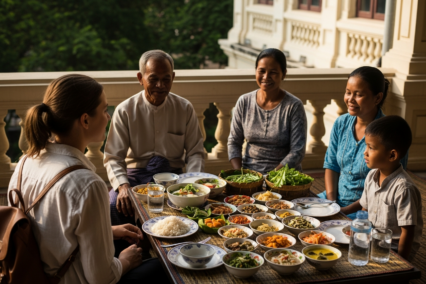
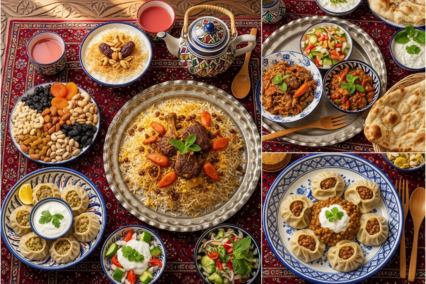
Ethiopian meals are very social. People eat from one big platter together.
-
Breakfast is often eaten early, between 7 and 9 a.m. Lunch is the main meal, and it comes around 1 to 3 p.m.
-
Dinner is not as heavy. People enjoy it between 7 and 9 p.m.
-
Sharing food is important, and so is gursha. This means feeding someone else by hand. It is a key part of an Ethiopian meal.
-
The Ethiopian coffee ceremony is a big part of the meal, and people often enjoy it after eating.
-
In cities like Addis Ababa, meal times might be different from those in the countryside. That’s because work and the way people live in addis can change the schedule.
Introduction
Are you planning to visit Ethiopia or want to learn more about its lively culture? Knowing when people eat in Ethiopia is as important as knowing what to eat. Ethiopian cuisine is well known for its tasty dishes and rich spices. Meals in Ethiopia are more than food. They bring people together and are rooted in tradition. This guide shows the daily eating habits in Ethiopia to help you feel comfortable and welcome with its cuisine and customs.
Typical Ethiopian Meal Times Across the Day
In Ethiopia, people see meal times as a big part of life, not just as set hours to eat. Eating is often a social event for everyone. A usual Ethiopian meal comes on a large communal plate. This shows how important sharing and doing things together is for Ethiopians. It does not matter if you are in the busy city of Addis Ababa or in a small, quiet place. You will see people gather around food. The way people eat together is a main part of the culture in Ethiopia.
Most Ethiopians eat three meals a day. These meals have their own times and they are not always the same as meal times in Canada. Lunch, for example, can be the biggest and most important meal for the day. Breakfast and dinner in Ethiopia also have their own special foods and customs.
Morning Meals: Timing and Etiquette
Breakfast in Ethiopia is called kurs. It is usually eaten between 7 a.m. and 9 a.m. This meal gives people the energy they need for the day. One common breakfast dish is firfir. It has shredded pieces of injera mixed with a spicy sauce. Injera is a sourdough flatbread made from teff. A hearty porridge is also popular in the morning.
When eating Ethiopian food, using the right hand is important. People use pieces of injera to pick up stews and salads from the platter. Using the left hand while eating is not polite.
Eating with your hands from a shared plate is a big part of the Ethiopian dining experience. It helps everyone feel closer and makes breakfast more than just a meal. This way, everyone gets to enjoy the meal together.
Lunch Traditions and Midday Eating Habits
Lunch, or misa, is the main meal of the Ethiopian day. People usually have it between 1 p.m. and 3 p.m. In places like Addis, you see office workers leave to eat a big meal. In the countryside, families get together for the largest meal of the day. Lunch is a lively social time. It helps bring everyone together and makes the community strong.
At lunch, you find different stews, called wat, in the centre of the table. These are served on a large communal plate with injera underneath. Here are some loved Ethiopian lunch foods:
-
Doro Wat: This is a spicy chicken stew. Many people say doro wat is the national dish.
-
Misir Wat: This is a red lentil stew that is full of flavour.
-
Kitfo: This dish is minced raw beef mixed with spices.
Something special about Ethiopian lunch is the gursha. With gursha, you pick up a piece of food and feed someone else with your hand. This is a sign of friendship and respect. You will see this at the table, and it shows how much sharing means in Ethiopian culture and how important hospitality is.
Evening Meals: Dinner Schedules in Ethiopia
Dinner in Ethiopia, called irat, is a lighter meal than lunch. People eat it between 7 p.m. and 9 p.m. After the day, families sit down together. The meal is simple and helps everyone relax. The main idea is to spend good time together, not to have a big feast.
The dinner menu often has leftovers from lunch. It also includes smaller amounts of the same dishes. You might see a spicy stew, vegetable sides, or lighter meat dishes. The food brings comfort, and the flavours are familiar. People eat what is easy and fun, not a lot of fancy meals. Sometimes you will see doro wat. But at dinner, it is served in a small way.
Some people drink tej, a traditional Ethiopian honey wine, with the evening meal. This drink is sweet and strong. It gives dinner a special feeling. Families share stories. They enjoy the warm spices found in Ethiopian cuisine. It is a nice way to finish the day together.
Rural vs. Urban: Differences in Eating Hours
Life moves at a different pace in Ethiopia’s busy cities and its quiet countryside. You can see this in how people eat during the day. In big places like Addis Ababa, people often work the usual 9-to-5 day. This set work time means people will eat lunch at a certain time and have dinner later in the evening.
But in the small towns and country parts of Ethiopia, when you eat depends more on work in the fields and the times that the sun goes up or goes down. People might finish their work and then eat. This makes a different day plan compared to how people do things in Addis or another big city. We’ll take a closer look at how meal times change from one place to another.
Daily Life and Scheduling in the Countryside
In rural Ethiopia, the day is shaped by farm work. People plan their meals to fit around time in the fields. Most start work before it gets light, so breakfast is early and simple. It gives you energy for the morning. This meal is often porridge made with barley or other grains.
Lunch is the biggest meal. The family comes together when the sun is hottest to enjoy food and a rest from work. They eat meals that are easy and filling, made with things from their own farms. Dinner is served after work ends, usually just after sunset.
Food here mostly comes from what people grow. Lots of meals use grains, legumes, and vegetables. Gomen (collard greens) is a common dish. Many recipes are vegan. This is because of the crop choices and the fasting rules of the Ethiopian Orthodox Church.
Urban Meal Patterns and Modern Influences
In Ethiopia’s urban centres, particularly in Addis Ababa, modern life has shaped new eating habits. The structure of the workday, with set office hours, means meal times are more rigid compared to the countryside. Lunch is often taken during a designated midday break, while dinner is eaten later in the evening after returning home from work.
This urban shift has also introduced a wider variety of dining options. Cafes and restaurants are abundant, offering everything from traditional meat dishes served with pieces of injera to international cuisine. This gives city dwellers more choices and flexibility in their daily meals. A growing number of people grab a quick bite at a cafe or have a business lunch, reflecting a faster pace of life.
Here is a simple comparison of typical meal times:
|
Meal |
Urban (e.g., Addis Ababa) |
Rural Countryside |
|---|---|---|
|
Breakfast |
7:00 AM – 9:00 AM |
6:00 AM – 8:00 AM |
|
Lunch |
12:30 PM – 2:30 PM |
1:00 PM – 3:00 PM |
|
Dinner |
8:00 PM – 10:00 PM |
7:00 PM – 8:00 PM |
Staple Foods Eaten at Breakfast, Lunch, and Dinner
At the center of most Ethiopian meals, you will find injera. This is the national dish of Ethiopia. Injera is a soft and spongy flatbread that has a little bit of a sour taste. It is made from teff flour, which comes from a small grain that has a lot of nutrients. People use injera as both the plate and utensil. You use it to pick up different Ethiopian stews and dishes that sit on top.
Ethiopian dishes stand out because they have vibrant tastes. The spices in Ethiopian food make it very special. Berbere is maybe the most well-known spice blend. It is a red and spicy mix. Berbere is made of chili powder and other spices. You will see this mix in a lot of the foods people eat in Ethiopia for breakfast, lunch, or dinner.
If you want to try ethiopian stews or other dishes, you will see that injera, teff, and berbere are a big part of the meal.
Popular Ethiopian Breakfast Dishes
Starting your day with a tasty and filling meal is common in Ethiopia. Breakfast foods there are made to be both great to eat and to give energy for the day. Most people in Canada will pick cereal or toast in the morning, but an Ethiopian breakfast is much different. You get new and fun tastes and textures.
One food many people like is firfir. It uses injera left from before. The injera gets torn into small pieces and mixed with a spicy sauce called berbere. This makes the dish both savoury and filling. Another breakfast you can find is genfo. This is a thick porridge made from barley or wheat flour. Genfo is often served with a spoon of spiced butter and chili powder in the middle.
Here are a few main foods you may see at breakfast:
-
Chechebsa: Flatbread that is shredded, then lightly fried with spiced butter and berbere.
-
Fatira: A thin, crispy kind of pastry. It’s often topped with eggs and honey.
-
Kinche: Cracked wheat made into a porridge like oatmeal. People often choose it for a simple and healthy start to the day. Many meals can also be made as vegan dishes.
Midday Favourites: Lunch Specialties
Lunch is the main meal in Ethiopian cooking. It brings a wide mix of rich and tasty food. The most important part of lunch is the wat. The wat is a group of slow-cooked stews. These stews are key to Ethiopian cuisine. They use lots of spices, like berbere, to get their bold flavour.
For lunch, you often see a meal called yetsom beyaynetu during fasting days. On other days, people call it a mixed platter. This meal shows off the different tastes and textures of Ethiopian food. You get a mix of meat dishes and veggie choices. They are set up nicely on a big piece of injera. Everyone shares as a group. There might be spicy beef stew for the ones who like heat. There can also be lighter lentil dishes for those who want mild food. There is something for everyone.
Some lunch dishes you have to try are:
-
Doro Wat: This is a well-known spicy chicken stew with hard-boiled eggs.
-
Siga Wat: This is a filling and spicy beef stew.
-
Shiro Wat: A creamy stew made from powdered chickpeas or broad beans. It is a favourite for vegetarians.
-
Atkilt Wat: A lighter stew made with cabbage, potatoes, and carrots.
Ethiopian food brings together stews, spices, and injera for a unique meal. The flavours come out strong, and the dishes
Dinner Plates: What’s on the Table after Sunset
As the evening comes in Ethiopia, dinner is a calm and lighter meal compared to lunch. The national dish of Ethiopia, injera, is still on the table. The dishes served with injera are usually more simple. This is a good time for families to come together and share the foods they know and love.
Dinner can be made from the lunch leftovers, so nothing tasty gets thrown away. Sometimes people make small bowls of different wats instead. If there is a special night or if guests come, something like tibs may be made. This is a dish with small pieces of lamb or beef, cooked with onions and peppers. It is a nice savoury dish.
Many times, people drink Ethiopian honey wine with their meal. This drink is called tej and brings some sweetness to the table. People enjoy both vegan stews and small plates of meat at night. They still use pieces of injera to pick up the food. It is always a part of how Ethiopian food is shared. Even at the end of the day, this way of eating brings everyone together.
Cultural and Religious Influences on Meal Times
Religion is a big part of daily life for many people in Ethiopia. Because of this, eating habits in the country follow certain rules. Many orthodox christians in Ethiopia are part of the Ethiopian Orthodox Tewahedo Church. They have a lot of fasting days during the year. This fasting has a strong effect on what people eat and the time they eat.
When people are fasting, orthodox christians stay away from all animal products. This means they do not eat any kind of meat, dairy, or eggs. Because of this, there is a wide range of vegan food in Ethiopia. The rules for fasting also decide when meals will be eaten. For long fasting periods like Lent, the normal time people eat changes, and their meals are planned differently because of fasting.
How Ethiopian Orthodox Traditions Shape Eating Schedules
The calendar of the Ethiopian Orthodox Tewahedo Church has many fasts, and these play a big part in how people plan their meals. For people who are orthodox christians in Ethiopia, fasting is common. Most ethiopian christians fast almost 250 days every year. They do this on every Wednesday and Friday, as well as on some other days. This practice really changes when and what they eat all across the country.
When they are fasting, people do not eat their first meal early. Many orthodox christians wait until later in the day to eat their first food. It can be as late as 3 p.m., so they only have one or two meals each day, in the late afternoon and at night.
Fasting has given Ethiopia a rich and tasty vegan cuisine. Many cooks in restaurants and at home know how to make great food using no animal products. If you travel in Ethiopia, you will see that vegan food is easy to find, especially on fasting days like Friday and Wednesday.
Ramadan, Lent, and the Impact of Fasting
Major religious events, like Lent for Orthodox Christians and Ramadan for Muslims, change how people in Ethiopia eat. During these long times of fasting, the daily routine is not the same for millions. People move away from having three meals each day. Instead, they eat only at certain times.
For Ethiopian Orthodox Christians, fasting is not just for Lent. It is something they do often as part of their faith. This changes what food is sold and made in Ethiopia.
-
Wednesdays and Fridays: Each week on these two days, Orthodox Christians in Ethiopia do not eat animal products.
-
Lent (Hudade or Tsome Digua): This is the longest fast. It lasts for 55 days before Easter. Most people have only one meal a day and they eat it in the afternoon.
-
Other Fasts: There are other times during the year when fasting is done by Orthodox Christians. Each fast has its own rules.
Muslims in Ethiopia also have important food rules during the holy month of Ramadan. They do not eat or drink from sunrise to sunset. Food is taken before the sun comes up (suhoor) and when it goes down (iftar). These ways show how faith and food go together in Ethiopia.
Conclusion
To sum up, knowing when and how people eat in Ethiopia helps you see the country’s lively culture and daily life. From early day breakfasts to big meals at night, every meal has tradition and meaning. You might have injera and lentils at lunch or sit for a coffee ceremony in the afternoon. These ways of eating show you the mix of foods in Ethiopian cuisine and the strong sense of community in Ethiopian life. As you look at meal times, you start to see how people in the city and people in the country have different food habits and eating schedules. So, if you want to enjoy Ethiopian cuisine or try it with friends, think about the culture behind each meal. If you need help or want to know more about these food traditions, you can ask for a free consultation and learn how to add them to your own dining!
Frequently Asked Questions
What is the significance of coffee ceremonies during meals?
The coffee ceremony is an important social event in Ethiopia. People usually do this after a main meal. It is a way to ask friends and family to sit, talk, and drink coffee together. The coffee beans get roasted until they smell good, then brewed over charcoal. The coffee is poured into small cups for everyone. Sometimes, people add spices like cardamom to the coffee. This simple act shows warmth and friendship. It also helps keep the good feeling going after eating together.
Are snacks common between meals in Ethiopia?
In Ethiopia, people usually have big meals where they sit down together. But they also enjoy light snacks. Some common light snacks are kolo, which is roasted barley, and popcorn. Sometimes, they eat fresh fruit, too. These snacks are simple and not meant to be a big deal. The snacks help you hang on till the next meal like breakfast, lunch, or dinner. They are not an important part of the day, but just something nice to eat in between.
Do Ethiopians change meal times during special occasions or festivals?
Yes, the food and meal times do change a lot during the festivals and other special days. On holidays such as Easter or New Year, people make special dishes that you do not get to eat every day. There is a lot of time spent to get these meals ready, and families like to enjoy the food together for many hours. There is a big spread of meals, lots of tej (honey wine), and people like to share food happily using gursha.