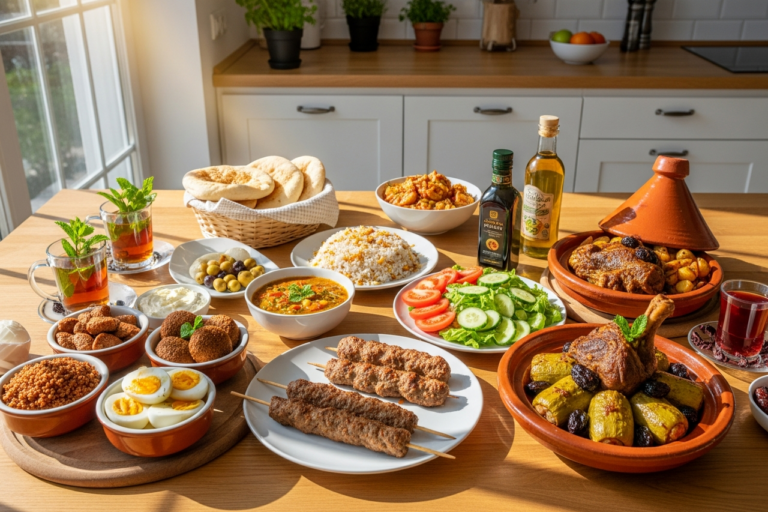
Key Highlights
-
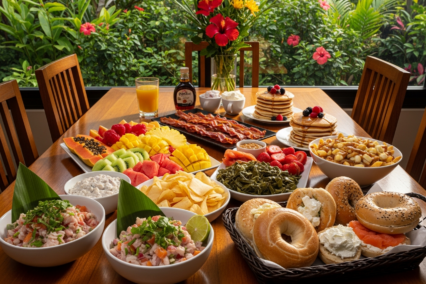
Egyptian meals are a big part of each day. The main meal of the day is lunch, and the family will often get together for it.
-
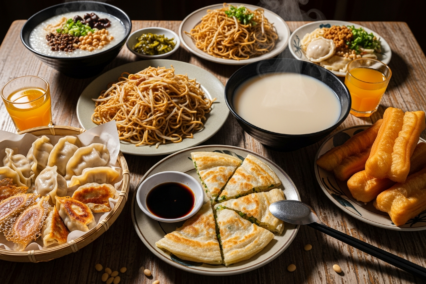
People in Egypt eat breakfast early. Items like ful medames and baladi bread are common at this time.
-
Lunch is the main meal of the day. It is eaten later in the afternoon, often between 2 PM and 5 PM.
-
Dinner is a lighter meal. It usually takes place late at night.
-
Street food is popular for when people want a fast bite between meals.
-
Egyptian cuisine is good and has many different dishes. Meal times are strongly tied to family and social customs.
Introduction
Welcome to the lively world of Egyptian food! If you are from Canada and thinking about a trip, you will find egyptian cuisine very special. Egyptian food is not just something people eat, it is a big part of daily life for most of them. Knowing when and what people in Egypt eat can help you set your daily plans, and it can also let you enjoy your trip more. This guide will show you meal schedules, so you can eat egyptian food like the locals do in Egypt.
Understanding Egyptian Meal Culture
Egyptian food culture is very important in Egypt today. From downtown Cairo to quiet villages, people feel meals are special. Eating together helps families connect, and the family table brings everyone close. It is where old ways are kept alive and people feel stronger bonds.
People in Egypt have always liked to eat together. This comes from ancient Egypt, and it still matters now. Cooking methods have changed over time, but sharing food is still a big deal. If you try local cuisine, you can see the country’s history and the friendly way people welcome others.
The Importance of Meals in Daily Egyptian Life
In Egypt, meals are a big part of daily life. They help set the flow of the day. Eating is not just about food. It is also about spending time with people. Every meal, from a fast breakfast to a slow dinner, has the own importance and special customs.
Special occasions often call for big dinners. These meals show off the best of egyptian cuisine. People use cooking methods that are handed down from their families. Making food is seen as a way to show care and love. So, whenever people sit down together, the moment becomes something good to remember.
Breakfast is eaten early, from 7 AM to 10 AM. Lunch comes next and is usually the main meal, eaten between 2 PM and 5 PM. Dinner is a lighter meal and happens late, after 8 PM. These times may change, but they help set a general pattern for eating during the day.
Family Traditions and Social Gatherings Around Food
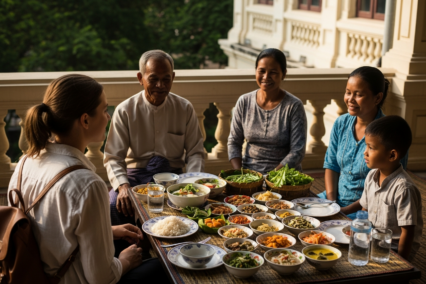
Family gatherings play a big part in life in Egypt. Food is always at the centre of these times. The main meal of the day often brings many family members together at the family table. It’s a time when people catch up, share stories, and enjoy good home-cooked food.
People work together on food preparation for these gatherings. Each person may help with the meal in some way. This feeling of togetherness is seen outside the home too. Even when friends meet up, they often go to busy street stalls and share snacks.
Most days start early. Breakfast is usually served between 7 AM and 10 AM. This first meal starts off the day and shows how food and family go hand-in-hand.
Overview of Typical Egyptian Meal Times
Egyptian meal times may not be what you’re used to in Canada. People there start the day with a light Egyptian breakfast. The main meal of the day comes in the afternoon. At night, dinner is lighter and eaten later.
The way Egyptian meals are spread out fits both the workday and the weather. People take a good break halfway through the day to eat. It helps to know about this daily pattern before you enjoy Egyptian cuisine and take part in local routines. Here is a look at when each meal usually happens.
Standard Breakfast, Lunch, and Dinner Hours
The timing of meals in Egypt follows a distinct pattern that might surprise you. The meal of the day is not dinner, but lunch. This main meal of the day is a large, social affair that takes place in the afternoon.
An Egyptian breakfast gets the day started, but it’s lunch that holds the most importance. Dinner is often a lighter, more casual affair eaten much later in the evening. This structure allows families and friends to gather for the most significant meal when the workday is winding down.
To help you plan, here is a general guide to meal times across Egypt, which showcases the importance of lunch in Egyptian cuisine.
|
Meal |
Typical Time |
|---|---|
|
Breakfast |
7:00 AM – 10:00 AM |
|
Lunch |
2:00 PM – 5:00 PM |
|
Dinner |
8:00 PM – 11:00 PM |
Variations in Urban and Rural Areas
Yes, you will see that meal schedules can change between big cities and more rural places. In busy cities like Cairo, life moves fast. This can shape when people have egyptian meals during the day. People working in offices might eat lunch a bit later in the day. Also, people often eat dinner late because there is a lively nightlife.
But in the countryside, people stick to old habits. The day often starts early because many people work on the land. So, breakfast is eaten when the sun comes up. The main meal of the day may happen a little earlier in the afternoon than in big cities.
Still, the main idea stays the same everywhere. Lunch is always the main meal of the day and is the biggest meal. Wherever you go in Egypt, that midday meal is a very important part of the day.
Breakfast in Egypt
An Egyptian breakfast is a good way to start the day. It is simple, full of flavour, and has been around for many years. A big part of this meal is ful medames. Ful medames is made with slow-cooked fava beans, spices, and sometimes a little olive oil on top.
People usually eat it with hot, fresh baladi bread. At breakfast, you may also find Egyptian falafel, or ta’ameya, on the table. This meal is not fancy, but it is filling. It will give you all the energy you need to go out and have a good day.
What Time Egyptians Start Their Day
Egyptians usually begin the day quite early. The first meal, called an Egyptian breakfast, is most often eaten from 7 AM to 10 AM. This helps people eat before they go to work or school. In busy places like downtown Cairo, you will find food carts and small shops full of activity during these hours.
Food preparation for breakfast is simple. It most often focuses on dishes you can make fast or get ready before. Many families have breakfast together before everyone heads out for the day.
For a lot of people, this egyptian breakfast is an important way to start the day. It gives the energy you need for a good morning and helps you feel ready for all the things to come, until the big lunch later in the afternoon.
Common Breakfast Foods and Beverages
Egyptian cuisine has some well-known foods you can eat for your first meal of the day. One of the best known is ful medames. This dish is made with fava beans that are cooked slowly until soft. They get mashed and mixed with cumin, garlic, lemon juice, and lots of olive oil on top.
People almost always eat ful medames with baladi bread. This is a thick, whole-wheat bread that is great for scooping up your food. Another food people like is ta’ameya. It is known as Egyptian falafel. It is pretty much the same as regular falafel, but is made with fava beans instead of chickpeas. This gives it a lighter and softer taste.
Along with the food, people drink strong black tea. The tea is usually sweet and comes in a small glass. This whole mix gives you a classic Egyptian breakfast. You will spot this meal in many homes around the country.
-
Ful Medames: Soft fava beans that are cooked a long time, mixed with spices and a splash of olive oil on top.
-
Ta’ameya (Egyptian Falafel): Patties that are fried and made from fava beans.
-
Baladi Bread: Simple and thick flatbread made from whole wheat.
-
Black Tea: This is the main hot drink people have in the morning. Most of the time, people enjoy it sweet.
Lunch Traditions: The Main Meal of the Day
In Egyptian culture, lunch is more than just a break in the middle of the day. It is the main meal of the day. Lunch is big and important and the family often comes together for it. The food served shows the heart of egyptian cuisine, with a lot of flavours and different ingredients.
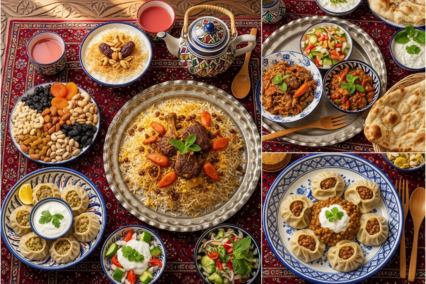
People eat slow-cooked meats and vegetables that are stuffed with a mixture of rice and herbs. The table looks great with these dishes. You will see top picks like grape leaves stuffed with rice and many other unique foods that really give you a taste of egypt. Lunch is also a time when you relax and connect with the others around you.
Typical Lunch Hours in Egypt
Most Egyptians eat their main meal of the day, lunch, in the mid to late afternoon. This meal is often between 2 PM and 5 PM. It might feel late compared to what people are used to in Canada, where lunch is closer to noon. But in Egypt, this time fits with how their day goes.
Having lunch later lets the work day slow down. Many shops and offices close for a bit in the afternoon. This gives people time to go home and share the main meal of the day with their families. So, lunch isn’t just about food—it is a time for people to come together.
If you visit Egypt, try to change your plans around these later lunch hours. Restaurants are busy at this time and offer lots of energy. You will get to taste egyptian cuisine at its best with other people. Having a late lunch lets you enjoy egyptian meals the way locals do.
Popular Midday Dishes and Sides
People usually don’t eat lunch right at noon, but the midday meal is always full of tasty and flavorful dishes. One dish many people love is Mahshi. This is when you take vegetables and stuff them with a mixture of rice that has different seasonings. You can use grape leaves, cabbage, zucchini, or bell peppers for this. The stuffed vegetables cook slow in a warm, tasty tomato sauce.
There is also Molokhia. This is a special soup that uses jute leaves, cut into small pieces. The soup has a texture people remember and talk about. Molokhia is normally served with rice and chicken, or sometimes rabbit. For a lot of Egyptians, these dishes remind them of home and are a kind of comfort food.
You will usually have these main dishes with some sides, so you always get a filling and balanced meal. Here are some of the usual foods served at lunch:
-
Koshari: This is a well-known plate that has rice, lentils, macaroni, and chickpeas. Everything is topped with a spicy tomato sauce and crispy fried onions.
-
Fattah: This dish gives you layers of bread, rice, and meat, most often lamb or beef. It’s all covered in a tomato sauce that gets a kick from garlic and vinegar.
-
Molokhia: This is a green soup made with jute leaves, served beside rice.
-
Mahshi: This meal is when you stuff things like
Dinner and Evening Meals
Dinner in Egypt usually comes after a big lunch, and it’s a lighter meal. People often eat it late in the evening. It gives families another time to meet at the family table, but it’s not as formal as lunch.
With dinner, the focus is on simple ingredients and dishes that are easy to make. Often, you get leftovers from lunch or light things like cheese, yogurt, and bread. On special occasions, Egyptian cuisine can bring out tasty desserts. One of the favourites is umm ali.
When Egyptian Families Gather for Dinner
Egyptian families often eat dinner much later at night. The usual dinner time is between 8 PM and 11 PM. The reason for this late dinner is that many people in Egypt have a big, late lunch.
Dinner is often more calm and easygoing than lunch. Lunch is the main meal of the day and can include a lot of family members. For dinner, you may see just the immediate family at the family table. This meal gives everyone time to sit together, talk, and relax at the end of the day.
This way of eating shows how egyptian meals fit into daily life. There is a strong focus on being with others and taking things slow. As a guest, you will notice that restaurants and cafes stay busy late into the night. They are open to match these dinner times. It is a big part of egyptian cuisine and family gatherings.
Light vs. Hearty Dinners and Social Customs
Most weeknight dinners in Egypt are light, as people usually have a big lunch. These dinners often include simple things like yogurt, cheese, eggs, or a salad. This is very different from the big, multi-course lunches many people have.
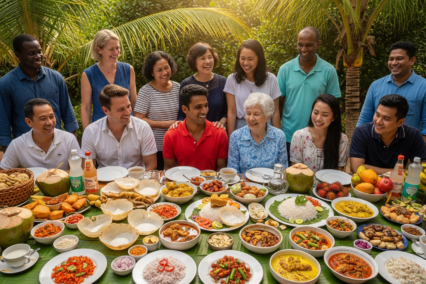
But when there is a special occasion or when people have guests over, dinner can be much larger. You may find big rice dishes, grilled meat, and many different salads. These dinners are a lot like a party lunch. Such meals can go on for hours because being together is just as important as the egyptian food. To end the night, people often enjoy a sweet from egyptian cuisine, like umm ali.
The time a meal takes can change:
-
Typical Family Dinners: They are short, about 30 to 45 minutes.
-
Lunch Gatherings: They might last from one hour up to three hours, usually on weekends or holidays.
-
Festive Dinners: These can go on for hours. People eat, talk, and enjoy many courses together.
Snack Times and Light Bites in Egypt
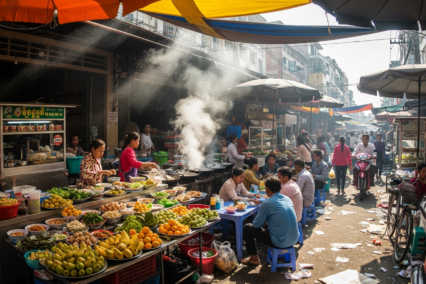
Between your main meals, there is always time for a snack in Egypt. The street food in the country is lively. You can see many street vendors who sell a lot of options if you want a quick bite. They have everything. You will find savoury pastries and sweet treats.
Here, you get famous street food. Try an Egyptian falafel, also called ta’ameya, or you can go for a simple ful sandwich. Having a snack is an easy and good way to feel sure between meals and to see the real life in Egypt.
Typical Snack Hours and What’s Served
Yes, people in Egypt do snack as part of their daily routine. There are no set times for snacks, but it is common to get a quick bite in the late morning, which is a few hours after breakfast, or in the early evening before dinner. Street food carts and cafes are favourite spots for street food or something small to eat.
The snacks you find in Egypt are both tasty and different. In winter, some people have a warm piece of sweet potato from a street vendor. In summer, others like a glass of sugar cane juice with a little lemon juice mixed in. It is all about getting something that tastes good and is easy to eat as you go about your day.
Snacking is a good way for you to try many flavours. Here are some of the popular choices people go for in Egypt:
-
Egyptian Falafel (Ta’ameya) Sandwich: This is a well-liked and filling quick bite found all over.
-
Sweet Potato: Roasted sweet potatoes offered by street vendors are especially common in the cold months.
-
Tea and Coffee: Cafes are full, and many people have black tea or Turkish coffee at different times of day.
Popular Street Food for Quick Eats
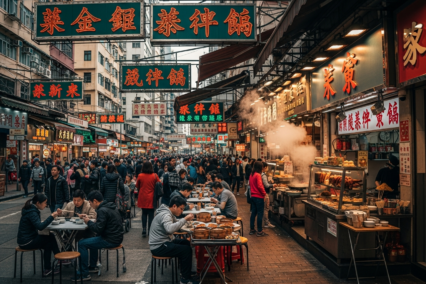
The streets of Cairo and other cities in Egypt are great places for people who love food. There are many street vendors there. The food they sell is tasty, not expensive, and good when you need a fast meal. A lot of these dishes have been around for a long time, and people still eat them every day.
When you walk through the streets of Cairo, you can smell food cooking on carts. You will find everything from sandwiches made with ful medames to hot food, just cooked and crispy. You will get something that hits just what you want to eat. Much of this food comes in baladi bread, which is a local bread.
Here are some street foods you should try:
-
Koshari: This is in many small shops. It is a mix made of pasta, rice, and lentils, and is one of the most loved dishes in Egypt.
-
Ful Medames Sandwich: This is a simple sandwich made with mashed fava beans and pita bread.
-
Hawawshi: This is minced meat with spices that is baked in baladi bread. It is cooked until it becomes crispy.
-
Baba Ghanoush: This is an eggplant dip with a smoky taste, and you eat it with bread.
Fava beans, ful medames, baladi bread, and smoky eggplant dip are just a few foods you can try from the many street vendors in the streets of Cairo. These tasty dishes are
How Religious and Cultural Practices Influence Meal Times
Religion and cultural traditions shape the way people in Egypt eat and spend time together at the table. The month of Ramadan is the strongest example of this. During this holy time, millions of Muslims change their daily eating routine. People wait all day to eat after sunset, and the month of Ramadan brings families together when they break their fast.
Special occasions and big festivals have their own food customs. People prepare lots of food and make certain dishes just for these festivals. These moments show how food, faith, and community are tied to each other. You can even see new kinds of street food out during these times. Food preparation becomes an important part of celebrating with family and friends.
Ramadan and Its Impact on Eating Schedules
The month of Ramadan is the biggest and most clear example of how people’s faith changes when and what they eat in Egypt. During this month, people who follow Islam do not eat or drink anything, not even water, from sunrise to sunset.
The usual way of eating is turned upside down. People break their fast when the sun goes down with a meal called Iftar. This is a happy time. Many get together with their family and friends at the family table. Iftar starts with eating dates and drinking water, then there is a big meal. The best egyptian cuisine is on the table. Later, before the sun comes up, there is one more meal called Suhoor. People eat this meal to get enough food for the next day of fasting.
In the month of ramadan, life in Egypt changes a lot. When night comes, the streets fill with people who are shopping, eating, and meeting others. There are special drinks in this month too. Qamar al-Din, which is made from apricots, and hibiscus tea, which is known as the national drink of egypt, are both very popular.
Other Cultural or Religious Events Affecting Meals
Other than Ramadan, there are more religious and cultural events that shape how people eat. Coptic Christians, who are a big part of the people in Egypt, have fasting times before Christmas and Easter. During this time, they don’t eat any animal products. This is one reason why there are many vegan meals in egyptian cuisine.
Weddings, new babies, and special occasions like Eid al-Fitr and Eid al-Adha are all times to have big meals. People enjoy rich food during these days. Some meals, like roast lamb or hamam mahshi, which is pigeon with rice or freekeh, are enjoyed at these events but not every day. Spices, such as bay leaves, are used to make these dishes taste special.
Even on public holidays that are not about religion, food plays a big part. These days bring modern egyptians closer to custom and practice, with some going all the way back to ancient egypt. This shows that food is a big part of life in the country.
Beginner’s Guide: Navigating Meal Times as a Canadian Visitor
As a visitor from Canada, getting used to Egyptian meal times can be a fun part of the trip. No matter if you are seeing old temples, taking Nile cruises, or just resting in Sharm El Sheikh, knowing when the people have their meals will help make your time better. The local meal schedule gives you a real taste of Egypt.
This guide has the main tips you need to help you enjoy meals like you have done this before. You will learn about when people eat and how they act at the table. With this, you can eat well at restaurants or in someone’s home and really see how nice people are in the Middle East.
What You’ll Need to Get Started (Etiquette, Local Tips, Timing)
To really get into Egyptian food culture, there are a few things you should know. The first thing is how the meal of the day works. People eat lunch a lot later there, and dinner is even later in the day. You should try to change your eating times so you can eat at the same time as everyone else.
There are a few simple eating customs to keep in mind. Use your right hand when eating, especially for foods you pick up with your hands. It is a sign of respect to take food or drink when someone offers it, since being kind to guests is very important in this culture. Tourists should stick to bottled water while in Egypt.
If you follow local ways of doing things, you will enjoy your meal of the day much more. Start with these tips:
-
Plan for a late lunch: This is the main meal of the day in Egypt, so try not to eat too much before it.
-
Be open to sharing: In Egyptian food culture, meals often come in big shared dishes.
-
Use your right hand: This is something everyone does with Egyptian food.
-
Accept invitations: If a local asks you to join them for a meal, it means a lot. Say yes if you can.
Step-by-Step Guide to Enjoying Meals in Egypt
Are you ready to try some Egyptian food? If you follow a simple guide, you can get the most out of every meal. It helps to know when to eat and what to order, no matter if you get a quick bite at a street store or sit down at a family table.
To have a great time, you need to be open to new things and try to be curious. Food preparation and the way people eat are a big part of life in Egypt. When you join in, you find the best way to connect with the people and learn about their home.
This guide will help you at each step, from planning out when to eat based on the usual Egyptian meal times, to trying new dishes without worry. Get ready to enjoy your time and find your new favourite meal!
Step 1: Planning Your Day Around Local Meal Times
The first thing to do if you want to try the local cuisine is to get used to a different meal time. In Canada, you may be used to your main meal in the evening. But in Egypt, lunch is the meal of the day, and it is served in the late afternoon. So, plan your activities with this in mind.
Start your day with a light breakfast. This way, you will still be hungry for lunch, which is a bigger meal. You can go to a museum or join a tour in the morning. Then, eat lunch between 2 PM and 5 PM. Many local people also eat around this time.
If you follow the same routine local people do, you will find that restaurants are more lively and fun. You’ll also have a better chance to try Egyptian cuisine as it is supposed to be enjoyed. You get to eat dishes with cumin and bay leaves and other fresh spices right when they are at their best.
Step 2: Dining at Local Restaurants and Cafés
Once you have changed your schedule, it is a good time to try the local food. You can go past the busy tourist places and look for restaurants or cafés that the people living there like. In downtown Cairo, there are many spots where you can get real Egyptian food.
If the menu is in Arabic or the workers do not speak much English, do not worry. You can just point at a meal that looks good. It works for most people. The busy places are a sign the food will be good and fresh. Many top dishes are made with simple ingredients, but there is a lot of flavour in them.
When eating out, keep in mind the service might be slower than what we expect. The people often take their time to eat, not hurrying through their meals. Sit down, relax, and enjoy being there. At many small places, you may have to sit with other people at the same table. This is a nice way to see how locals live.
Step 3: Joining Family or Community Meals
If you get the chance to be invited into someone’s home for a meal, say yes. This is the best way to try Egyptian cuisine and feel the true warmth of the people. Family gatherings mean a lot in the culture, and being welcomed is a sign of friendship.
When you arrive as a guest, your host will likely tell you to eat more. This is very common. Try some of what’s on the table. Don’t be afraid to get another helping, especially of dishes like grape leaves. If you leave a small bit of food on your plate when you finish, it shows you are full and happy.
These meals, mainly on special occasions, are often more detailed and made with plenty of care. Be sure to thank your host many times for the good food. This time spent will stand out. It will help you get a real feel for local life and culture through egyptian cuisine, family gatherings, and tasty dishes like grape leaves.
Step 4: Trying Snacks and Street Foods at the Right Times
The last thing you should do on your food journey is enjoy street food. People like to snack, and street vendors always have some of the best and most real food. These small bites are good for when you get a bit hungry in between meals.
You can find street vendors selling tasty street food in the late morning or early evening. These are good times for people to grab a snack fast. Don’t be scared to try something new. Maybe go for a quick sandwich or a cold drink. Street food is a big part of daily food life for many people.
Here are a few tips on how to enjoy street food in a good and safe way:
-
Late Morning: It’s a great time to have a strong snack. Try an Egyptian falafel sandwich when you want something in between main meals.
-
Afternoon: When it gets hot, have some sugar cane juice. A bit of lemon juice can make it taste really good.
-
Evening: After the sun starts to go down, look out for a street vendor selling roasted sweet potatoes or corn on the cob.
Street food that’s made fresh can taste amazing, and there is a street vendor snack for everyone out there.
Conclusion
To sum up, knowing about meal times in Egypt can help you enjoy the food there, especially if you are a visitor from Canada. Eating together with family means a lot, and there are some special ways that meals are shared. Trying the food and joining these customs will make your time in Egypt better. Listen to when people have breakfast, lunch, and dinner. You should also watch for local snacks and any religious habits that people follow. This can help you enjoy the food scene in Egypt with no trouble.
When you set up your trip, try to learn about these ways of eating and enjoy the great tastes that Egypt brings. If you want to find out more about the food and culture, feel free to ask for a free meeting to help plan your trip and enjoy your stay.
Frequently Asked Questions
Do restaurants in Egypt serve food all day or only at meal times?
Most places to eat in Egypt have set times for meals. The kitchens are busiest during lunch, which is the main meal of the day, from 2 to 5 PM. Dinner time gets busy between 8 and 11 PM. Some hotels that get visitors from around the world, and places for tourists, may serve food all day. But, if you get hungry at other times, your best choice is to try street food or a small spot where the locals go.
Are there differences in meal schedules between cities and countryside?
Yes, there are some small differences. In big cities, life is fast. People might eat lunch and dinner later. In rural places, life is linked to farming. The day often starts early. People here may eat an Egyptian breakfast and their main meal of the day earlier than those in big cities.
How long do meals typically last in Egypt?
The time people spend eating egyptian meals is not always the same. When a family in Egypt sits down for dinner, it can be short. But, lunch with friends or family often takes much longer. It can go for one to three hours. In egyptian food culture, people like to sit together at the family table and talk while they eat. This means that meals are not rushed most of the time, especially when there are guests.
Can Canadians easily adapt to Egyptian meal times?
Yes, a Canadian visitor can get used to it with a bit of flexibility. The big thing is the lunch. It’s common for people to have their main meal of the day later in the afternoon, and it is much larger. If you plan your day and visits around this later lunch, it works well. Just follow some simple rules while you are eating, and you will find it easy to enjoy both the local cuisine and the meal of the day routine.