Key Highlights
Here are the key takeaways about eating habits in Denmark:
-
Danish meal times follow a set routine. People in Denmark have breakfast between 6 and 9 a.m., eat lunch around noon, and have their evening meal at 6 p.m.
-
For breakfast, Danes often eat something light. This might be rye bread, oats, or pastries. Lunch is usually a packed meal.
-
The evening meal is the main hot meal of the day. Many people in Denmark like dishes with a lot of pork.
-
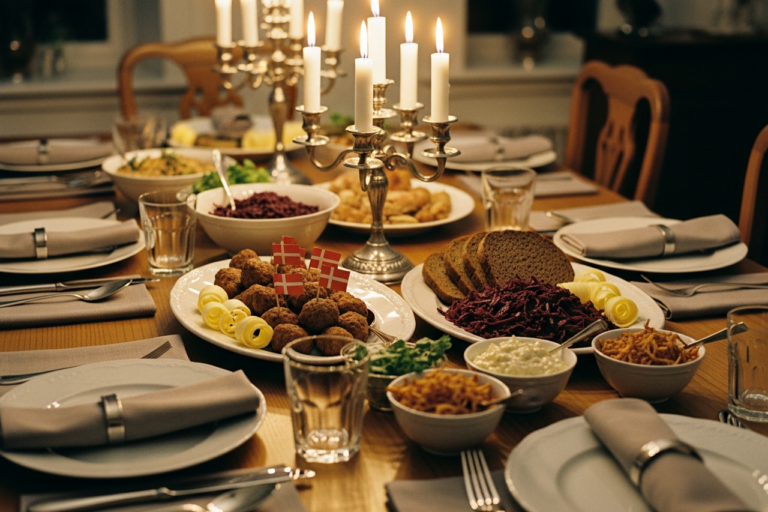
Smørrebrød is a key lunch food. It is an open-faced sandwich made from rye bread with various toppings.
-
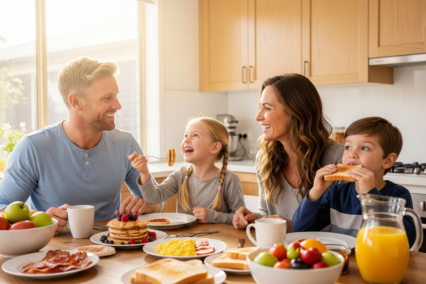
Danes usually eat their evening meal earlier than people in other European countries. They often eat at home with family.
-
Danes enjoy traditional foods, but in bigger cities, you will also find more international dishes being served.
Introduction
Are you thinking about visiting Denmark and want to know more about the local customs? Knowing when people eat can make your trip more interesting. In Denmark, just like in other nordic countries, the day follows a special eating pattern. Some of the meal times might feel early if you are Canadian. This guide will show you what the day looks like, starting from the first coffee in the morning up to the evening meal. You will get to eat like the danes while you are in Denmark.
Understanding Danish Meal Times
In Denmark, people have meal times that are a regular part of the day. Most Danes follow these set times. Breakfast is eaten early. Lunch comes at midday. Dinner is almost always at 6 p.m. This regular way of eating gives the day its beat, both for families and for jobs.
When you look at Denmark and compare it to how people in Canada eat, you may see that lunch and dinner are a bit early in Denmark. Let’s look more at when each meal happens in Denmark and why these times are important.
Typical Breakfast Hours in Denmark
Breakfast in Denmark, or “morgenmad,” is most often eaten at home between 6 a.m. and 9 a.m. on weekdays. Danes like to keep the morning meal simple. For many people, it is an important way to start the day. Most do not go out to eat for breakfast, so they have it at their tables before leaving for work or school. On weekends, breakfast may be more relaxed, but you will not see many people eating out for breakfast in Denmark, unlike in Canada.
Typical foods you will find for breakfast include bread, like white bread or small rolls. People often top these with cold cuts, cheese, or maybe jam. A bowl of oats or muesli with yogurt or milk is also a favourite for many. Even though pastries, like “wienerbrød,” are well-known from Denmark, you will find people mostly eat them on weekends or special days instead of every day.
To drink, coffee is very popular in Denmark. Some people have fruit juice, tea, or milk too. The goal is to have a meal that is easy to put together and nourishing. This sets a calm and steady tone for the rest of the day.
Standard Lunch Timing and Its Cultural Significance
Lunchtime in Denmark, called “frokost,” is usually around noon. People in Denmark, or Danes, eat lunch early compared to some other places. You might need some time to get used to it if you are used to eating later. Many people and kids have their lunch break at this time, so there is a common stop in the day. Having lunch early breaks up the work time and gives you energy for the afternoon.
A lot of Danes bring a “madpakke,” which is their packed lunch. It almost always includes smørrebrød, which are open sandwiches made with buttered rye bread. People make these at home with different toppings—you might see cold cuts, liver pâté, or cheese on top. If your workplace has a cafeteria, you might find hot food or a salad bar there. But, the packed smørrebrød is still something many people have every day.
This meal in the middle of the day is quick and not meant to be a social event. People in Denmark care about being efficient and having good, simple food while they work.
Common Dinner Times and Evening Eating Habits
Dinner in Denmark, called “aftensmad,” is usually at 6 p.m. for most people. This early dinner time is the main part of family life in Denmark. It helps everyone come together at the table after work and school. In some other places, people might eat the evening meal later, maybe at 8 or 9 p.m. But in Denmark, 6 p.m. is a time many families agree on.
The hot meal at this hour is often the main one in the day. A traditional Danish dinner has a lot of pork as the meat, along with boiled potatoes and gravy. You can also find seafood and fish at the table. Many Danes like to eat this meal at home, not out, especially on weeknights.
When Danes invite friends over for dinner parties, the dinner time can be a little later. But the 6 p.m. dinner is still the norm for families. These meals are warm and big, filled with comfort food. They give people a sense of being together. For groups, some people choose a buffet, where you can take what you like.
Comparing Danish Meal Routines to Canadian Habits
If you travel from Canada to Denmark, you will see some clear changes in when people eat. In Canada, dinner times can be more flexible, and people often eat later in the evening. People in Denmark like to eat dinner at 6 p.m., and they keep to this routine. This early dinner habit is very different from what most people are used to in North America.
This isn’t just about Canada and Denmark. It also shows how customs in Denmark match how people live in the rest of Europe. Here, you can see the main ways eating times are different in Denmark. You can also see how the Danes’ schedule compares to other places in Europe that are close by.
Differences between Danish and Canadian Meal Schedules
When you compare the daily meal schedules of Denmark and Canada, the most noticeable difference is the timing of the evening meal. In Canada, dinner can be anytime from 6 p.m. to 8 p.m. or even later, depending on work schedules and social plans. In Denmark, dinner is consistently at 6 p.m. for most families.
Lunchtimes are also a point of contrast. While both countries have a midday lunch, the Danish “frokost” is strictly around noon. Canadians often have more flexibility, with lunch breaks that can be earlier or later. Breakfast timings are more similar, though the types of food consumed can differ significantly.
Here’s a simple breakdown of the typical meal times:
|
Meal |
Denmark |
Canada |
|---|---|---|
|
Breakfast |
6:00 a.m. – 9:00 a.m. |
7:00 a.m. – 9:00 a.m. |
|
Lunch |
12:00 p.m. |
12:00 p.m. – 2:00 p.m. |
|
Dinner |
6:00 p.m. |
6:00 p.m. – 8:00 p.m. |
This table shows that while breakfast and lunch are somewhat aligned, the Danish dinner schedule is notably earlier and more rigid than what is common in Canada.
How Danish Meal Times Align with the Rest of Europe
Danish meal times are usually earlier than meal times in many other places in Europe. People in Denmark often eat sooner than people in the Netherlands or Germany. These countries do have early evening meals too, but they may not have dinner as early or as often as Denmark. For example, in both Germany and the Netherlands, people may have dinner somewhere between 6 p.m. and 7 p.m.
Things are different if you go to southern Europe. In countries like Spain, Portugal, or Italy, people start their evening meal much later. In Spain, the evening meal can be as late as 9 p.m., or even 10 p.m. The same goes for Italy and Greece, where dinner usually begins at 8 p.m. or sometimes 9 p.m.
France is in the middle. Dinner in France often starts around 8 p.m. In Ireland, meal times are much closer to those in Denmark. People in Denmark eat early, and this makes them a country that starts dinner sooner than most of Europe. Denmark shares this mealtime habit with its Nordic neighbours.
What Danes Eat at Each Meal
Food is not just about a schedule in Denmark. It is a big part of Danish life. So, what do Danes usually eat for breakfast, lunch, and dinner? Many of the meals start with just a few things that people always have, and rye bread is one of them. Rye bread is a big part of what Danes eat, and it shows up in many meals.
At breakfast, you may see some simple spreads. Lunch often includes open-faced sandwiches that look special, and dinner is often a big, warm meal. Danish food keeps old ways but is also tasty. You will find famous danish pastries and many types of toppings for their well-loved smørrebrød. Let’s look at the foods Danes eat during the day. People use rye bread, danish pastries, and various toppings. You will see these in their meals with many kinds of toppings and good-tasting pastries.
Traditional Danish Breakfast Foods
A traditional Danish breakfast is very simple and easy. It does not have a lot of fancy things like other brunches you might see. The main thing here is bread. People often use white bread or rolls, but rye bread is also a favorite for many.
These breads often have a few different toppings on top. You may see butter, some mild white cheese, jam, or thin slices of cold cuts. There is one thing that is known to be very Danish. It is bread with cheese and some strawberry jam. Some people also like to have oats that they mix with milk or some yogurt. This is a fast and simple way to start the day.
Even though Danish pastries are popular in many places, people in Denmark save pastries for weekends or special times. On a normal day, you will usually see these at breakfast:
-
Slices of bread with cheese or jam
-
A bowl of oats or muesli with yogurt or milk
-
Hard-boiled eggs
-
Fresh berries or other fruit
-
Coffee, tea, or fruit juice
Popular Lunch Dishes Like Smørrebrød
For lunch, one of the top Danish foods to try is smørrebrød. This isn’t just a plain sandwich. It is a Danish open-faced bread snack built on a slice of buttered rye bread. You get to enjoy as many toppings as you like on it, and people often love how nice all the toppings look. It is a common choice for the Danish lunchbox and is seen as a real classic.
The toppings, which people call “pålæg,” can be both simple or more fancy. Many people like to use cold cuts such as ham, or liver pâté with pickled beets. Slices of roast beef are common too. Fish is big in Denmark as well, so you might find pickled herring, smoked salmon, or a fried fish fillet on top. Some also like to add creamy cheese and plenty of veggie toppings.
Here are some well-known smørrebrød toppings:
-
Pickled herring with onions
-
Liver pâté with bacon and mushrooms
-
Smoked salmon with dill and lemon
-
Roast beef with remoulade and crispy onions
-
Egg and shrimp with mayonnaise
Classic Danish Dinner Plates and Social Settings
Dinner is the main hot meal in Denmark, and it means a lot to the people there. Danes often have hearty food, and pork is on the menu very often. People in Denmark eat a lot of pork. For an evening meal, you will usually see one main protein with potatoes and a vegetable on the plate. Gravy, called “brown sauce,” is also served and is seen as important.
Fish and shellfish are also big parts of any traditional Danish dish. Cod, salmon, and shrimp are chosen many times. The evening meal is usually made and shared at home. This shows how much family time matters to most Danes. Eating out happens, but for them, a home-cooked hot meal is still more special. When people get together for a party, there might be a buffet. This lets everyone try different specialities.
A classic Danish evening meal might be:
-
Pork roast with boiled potatoes and gravy
-
Frikadeller (Danish meatballs) with cabbage
-
Fried fish with potatoes and remoulade
-
For dessert, people might have something simple like rice pudding or a fruit salad.
Regional and Seasonal Variations in Denmark’s Eating Times
While there are some main rules for when people eat in Denmark, these can change based on where you are or what time of year it is. Life in busy Copenhagen can move at a different speed than it does in small towns, so the way people eat is not always the same.
Holidays and changes in seasons also bring their own food traditions and meal times. The Danes have special foods and set meal hours for things like summer parties and Christmas in December. There are many ways meal times can change across Denmark and during the year.
Meal Time Differences from Copenhagen to Rural Areas
In Denmark, you will see that meal routines can be a bit different if you are in Copenhagen compared to the quieter life in the countryside. In Copenhagen, life is busy, and a lot of people live there. You can see more of what is new because there are people from many places. While lots of folks still eat dinner at 6 p.m.—which is the usual dinner time—you can find many places in the city that let you eat later. They do this so tourists and many young people who live in the city can eat when they want.
But in the quieter country areas, people stick closer to the old meal times. The 6 p.m. dinner time is still a big part of life in these places. People spend more time at home, and most eat together at this hour. You will not find as many places to have a late meal in these smaller towns because a lot of what people do is at home.
Still, the basic way people eat stays mostly the same all across Denmark. No matter if you are in Copenhagen or out in the country, folks eat lunch and dinner on the early side. This is seen as a normal part of life everywhere in Denmark.
Special Eating Times During Holidays and Festivals
Danish holidays and festivals often bring out special foods and can change when people eat. During these times, the usual meal schedule is relaxed so people can enjoy big meals and time with family or friends. Christmas, called “Jul,” is a good example in December. The Christmas Eve dinner is an important event. It is often a big meal with many dishes that can go late into the night.
At Easter, families come together for long lunches. These sometimes last for hours and have a buffet with traditional food like herring, ham, and eggs. When summer comes, there are new celebrations with food. The first batch of Danish white asparagus is a big deal and is celebrated at many local festivals centred around fresh foods of the season.
On Bornholm, you may see food festivals that highlight the specialities of the area. Some special events, like oyster festivals, also change the usual mealtimes. All these holidays and festivals let people step outside their normal meal routines and turn eating into something everyone does together.
Conclusion
In short, knowing when and how people eat in Denmark lets you see more about Danish culture and the everyday life there. The usual breakfast, lunch, and dinner times show a good mix of taking care of your body and socializing. When you look at Danish meal habits and compare them with what people do in Canada, you can notice what makes each country special when it comes to food and eating. If you plan to go to Denmark or just want to learn more about its food ways, learning about these habits can make your stay or meal times better. If you have questions or want special tips for your next trip, you can reach out!
Frequently Asked Questions
Is dining out for dinner common in Denmark?
Danes will eat out sometimes, but most will be at home for dinner, especially during the weekdays. The 6 p.m. dinner time is a big tradition for the family. But you can find street food and high-end restaurants in the cities. A buffet is a good choice when there is a big group.
Do meal times in Denmark change on weekends?
Yes, meal times are often more laid-back on weekends. The daily routine may not be as tight, but old habits still stick around. A lot of people like to head out for brunch in the city. There, you can take your time and enjoy pastries and treats you would not usually see in a weekday cafeteria.
How do Danish meal times influence daily lifestyle?
In Copenhagen, people eat meals at set times each day. This, helps them keep a good balance between family and work. They often have dinner early. This gives families more time together in the evening. The way people eat meals in Copenhagen helps them get their work done and enjoy time at home. That is why meal times are an important part of life for many in Denmark.