Key Highlights
-
Croatian meal culture is all about sharing good food and taking time to eat with family and friends. People treat dining like a social event.
-
Lunch is the main meal of the day for many Croatian people. They enjoy it in the early afternoon. This is not like the typical Canadian meal schedule.
-
Dinner is lighter. Most people have it later in the evening, often after 8 PM.
-
Croatian cuisine changes by region. In Dalmatia, there is a lot of fresh seafood to enjoy, while in Slavonia, people make tasty stews.
-
Try some special dishes like black risotto made with cuttlefish ink, and make sure to have the good local olive oil.
-
Having coffee in the afternoon is a big deal in Croatia. People call it “kava.” This is a nice time to get together, chat, and eat pastries.
Introduction
Are you getting ready for a trip to Croatia and want to try great Croatian food? From the lively markets in Zagreb to places to eat along the Dalmatian coast, croatian cuisine will take you on a tasty trip. But if you want to eat like people who live there, you should know more about how they eat and when they have meals. This guide will tell you about meal times and manners at the table in Croatia, so you can enjoy every minute and each bite as you explore croatian cuisine.
Overview of Croatian Meal Culture
Croatian cuisine has many great dishes. The food here shows the country’s different landscapes and past. On the coast, you get Mediterranean tastes. People there use a lot of fresh fish and vegetables. In other areas inland, the meals are heavier and fill you up. These come from Central Europe.
All over the country, people care a lot about using good ingredients in what they cook. From wild asparagus in Istria to Pag cheese, the focus is on fresh and top-quality foods. You might drink a glass of Plavac Mali red wine or eat a meal made at home. In every part of Croatia, eating is important and brings people together. There is something special about croatian food that everyone should try. This goes from wild asparagus to famous pag cheese to rich red wine. Now, let’s look at what makes croatian dining stand out.
The Importance of Shared Meals in Croatia
In Croatia, the main meal of the day is a big deal. It’s not just about eating. It brings people together, and helps families and friends grow closer. This is very different from how things usually are in Canada, where lunch is often a quick break and not a big event. In Croatia, the main meal of the day takes time. People share food and enjoy being with each other.
This way of eating with others shapes how people in Croatia plan their day. Croatians like to sit for long meals, often having many plates one after another. This happens a lot on weekends. People talk, laugh, and drink wine without rushing. It’s not just about the food; it’s about being with the people you care about.
For Croatians, eating together is very important. It is a special time built around the good food, the land, and the sea. It means a lot to gather, celebrate, and give thanks for what you have. If you go to Croatia, it’s good to join in. Take your time with the main meal of the day. It’s one of the best ways to really get to know Croatian life and the people there.
Social Etiquette at the Table
When you get invited to a Croatian home or go out to eat, you will see some nice customs. People in Croatia are known for being warm and open, and the host wants to make sure you eat well. It is normal to be given a shot of rakija, which is a strong fruit brandy, as a welcome before the meal starts.
It’s common for the table to have local ham, or pršut, cheese, and olives as appetizers before the main food comes out. This is a big part of the Croatian way to show a guest they care. Here are a few things you should remember about how to act:
-
Always take the drink or food when someone gives it to you. That shows you are thankful.
-
Eat and drink slowly, because the meal might last a long time and can have many parts.
-
You should keep your hands on the table during the meal, and not put them in your lap.
-
If you are giving out drinks around the table, start by filling the glasses of others before you pour your own.
Let the cook know you think the food is good! Many dishes get a little bit of local olive oil right on top at the end, and saying you like the food is always the nice thing to do.
Typical Croatian Meal Times
Knowing the daily routine of Croatian meals can help you plan what you want to eat and when to go out for food during your visit. In Croatia, people usually eat three meals a day. The time they have these meals and how big each meal is may not match what you do at home. People in Croatia start with a light breakfast, then have lunch as the most important meal of the day, and they normally eat dinner later in the evening.
Bread is common, and tasty spreads like ajvar often show up with meals. Now, let’s look at when Croatians eat breakfast, lunch, and dinner, and see how those times might change during the week and on weekends.
When Do Croatians Eat Breakfast, Lunch, and Dinner?
Breakfast in Croatia is usually a simple and quick affair, often consisting of pastries, bread with jam, or perhaps some yogurt. In some regions, a more substantial breakfast might include cottage cheese with sour cream or cold cuts and sausages. It’s eaten early to start the day.
Lunch, known as ručak, is the most important meal. It’s traditionally eaten between 1 PM and 4 PM and is a substantial, cooked meal. Dinner, or večera, is a lighter meal enjoyed much later in the evening, typically anytime from 8 PM onwards, and can sometimes be as late as 10 PM.
Here’s a simple breakdown of typical meal times:
|
Meal |
Typical Time |
Common Foods |
|---|---|---|
|
Breakfast |
7 AM – 9 AM |
Pastries, bread, jam, coffee, yogurt |
|
Lunch |
1 PM – 4 PM |
Cooked meat or fish, stews, potatoes, salads, soup |
|
Dinner |
8 PM – 10 PM |
Lighter fare, grilled fish, salads, cold cuts, cheese |
Weekday vs. Weekend Meal Schedules
While the way people eat in Croatia stays about the same, the speed and size of each meal can be very different on weekdays and weekends. From Monday to Friday, lunch is often fast, especially in cities like Zagreb where work is the main focus. Many people like “gableci,” which are cheap specials you can get at lunchtime.
But on the weekend, food starts to take center stage. Lunch can last for hours. Families and friends get together to eat, talk, and enjoy the day. These weekends often have bigger meals with more dishes and local favorites. For example:
-
A weekend lunch may begin with local prosciutto and pag cheese.
-
The main dish could be a slow-cooked roast or fresh fish from the grill, depending on where you are.
-
Dessert and coffee always come at the end, and you do not skip them.
This slow and easy way of eating is at the heart of Croatian life. People like to cook meals from special places, like those from the Hrvatsko Zagorje region. They make them with a lot of care. It turns an everyday meal into a happy memory.
Unique Mealtime Traditions in Croatia
In Croatia, people have special food customs that are always part of the day. These are more than just the big meals you eat. The habits matter as much as a dish of black risotto made with cuttlefish ink, or a slice of soparnik, which is a tasty pie with Swiss chard in it.
One of the best traditions is stopping for afternoon coffee. It’s a time to take a break and talk with others. There’s also the habit of eating late into the night. People in Croatia stay up, eat slowly, and enjoy those warm evenings. We’re going to look at both these habits that make life sweet and food in Croatia even better.
The Popular Afternoon Coffee Break (Kava)
The Croatian coffee break, called kava, is a big part of daily life. This is not just a quick stop for coffee to go. It’s the time in the day when people slow down and relax. In the late afternoon, you can see that cafes start to fill up. There will be friends, family, and coworkers, all sitting together. They might stay with one cup for an hour or even longer.
People do this for the social part more than the coffee. It is a time to chat, watch people who walk by, and to take a break from their busy day. The coffee often comes with something small and sweet.
-
A slice of cake or some croatian pastries are often served on the side.
-
Bread with jam can be a nice simple treat.
-
When it is summer, you might get some fresh figs with your coffee.
Trying the kava style will help you feel like you fit in with the locals in Croatia. Choose a sunny table in a cafe, order your coffee, and take some time to enjoy where you are. Sharing coffee this way is a key part of the Croatian daily routine.
Late-Night Dining and Snacking Habits
Yes, eating later at night is common in Croatia. This is true, especially in the summer when it gets warm. People often start dinner after 8 PM, and sometimes meals last late into the night. Many restaurants in coastal towns stay open late. The feeling in these places gets even more lively after the sun goes down.
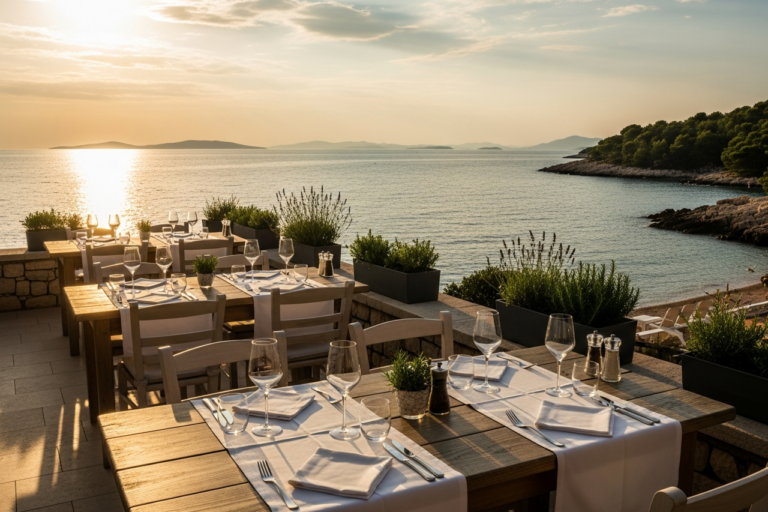
Late-night dining in Croatia is really focused on fresh seafood. You will find many grills in restaurants all over, where they cook the day’s catch right away. There will be things like squid, octopus, and different kinds of fish. For many people, sitting by the sea and eating a simple, grilled seafood dish is a big part of what makes a real Croatian meal.
If you want to try something that is really special, look for places that serve peka. This is a classic Croatian dish. Peka is meat, often lamb or veal, or even octopus that is cooked slow under a metal dome with embers piling on top. The dish takes a long time to make, so you often need to ask for it ahead of time. Many people think this is perfect for a long and easy meal with friends at night.
Conclusion
To sum up, knowing about meal times in Croatia will make your food experience even better when you visit this country. Croatians care a lot about eating together, and they have strong dining manners. They enjoy things like a slow breakfast, a special afternoon coffee, and eating late at night. Every part of this shows the local culture and the way people live there. If you adjust what you expect and join in with these customs, you will eat tasty food and also make good memories with local people. So, if you want to plan a trip or just want to know more about Croatian dining, keep this in mind! Enjoy your meals in Croatia!
Frequently Asked Questions
Do restaurant hours in Croatia match local meal times?
Yes, most of the time it is like that. In Croatia, restaurants match their hours to when people eat. You will see that most places open for lunch from noon to 4 PM. Then they open again for dinner from 6 PM and stay open late, especially in Zagreb and in cities by the coast that have many people visiting.
How long do meals usually last in Croatia?
In croatian cuisine, people see meals as a social time, not something to rush. On busy weekdays, lunch can be quick. But on weekends or at a nice dinner, it often lasts two or three hours. People want to enjoy the food, the wine, and being together. It’s not about hurrying, but about taking time with others, croatian style.
Are there regional differences in meal times across Croatia?
While the overall routine stays the same, there can be small changes depending on where you are. In coastal places like Istria and Dalmatia, people may have dinner later so they can enjoy the cool evenings. But in inland spots, for example in Slavonia or near Zagreb, meal times often follow a more typical European schedule.