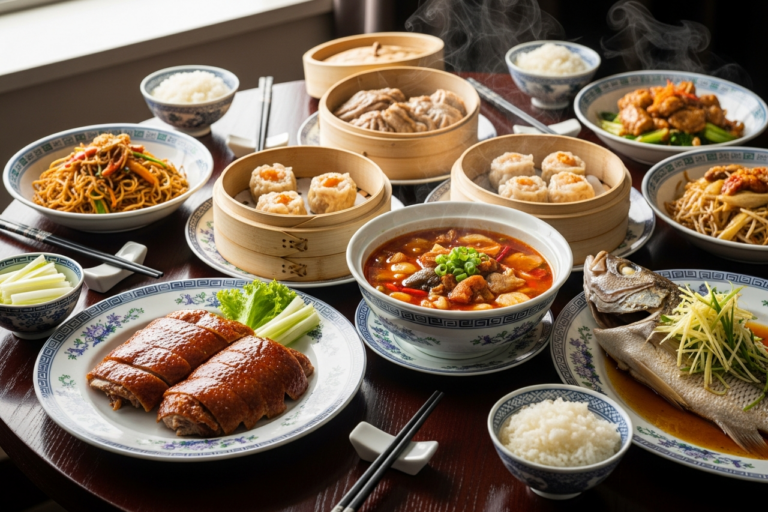
Key Highlights
-
Breakfast in China is eaten early. It is often between 7:00 AM and 9:00 AM. This helps people who need to go to work or have school.
-
Lunch in china is a quick meal. It is between 11:30 AM and 2:00 PM. Many people go to restaurants around noon, so it’s busiest then.
-
Dinner is the most important meal of the day. In china, people eat it earlier than in Canada. Dinner time is usually from 5:00 PM to 8:00 PM.
-
Meal timing is not always the same everywhere. In china, people in rural areas or in the south may eat at different times. Cities in the south may have dinner later than places in the north.
-
Traditional chinese medicine also affects mealtimes. People say eating dinner early is good for digestion and health.
-
On weekends or holidays, mealtimes are more relaxed. Families often get together for meals. There are also more social events on these days.
Introduction
If you are planning to go to China, you will want to try the food, because that is a great way to learn about the local lifestyle. But in China, it is not only about what people eat. The time when they eat is important too. When you know about meal timing in China, you start to understand chinese culture and how people there live each day. This guide will be of help for you as a Canadian traveller, so you don’t miss any chinese food or dining experience. You will be able to enjoy chinese food at the best time and be a part of the local routine. Get ready to enjoy china and time your appetite with the local schedules!
Understanding Meal Times in China: What Canadians Should Know
For Canadians going to China, it is good to get used to the mealtimes there. If you want a real experience with Chinese people and the great food, you need to eat when they do. Many small stalls and local spots do not stay open all day. They follow a set schedule. You may show up at 3:30 PM for lunch, but find that many places in China are closed for their afternoon break. Also, some breakfast foods run out early in the day, so it is best to go in the morning.
If you know about these mealtime habits, it will help you avoid a long wait or missing out on some popular foods. You can enjoy your meals with many Chinese people. The usual mealtimes are breakfast from 7:00 AM to 9:00 AM, lunch from 11:30 AM to 2:00 PM, and dinner between 5:00 PM and 8:00 PM. When you eat at these times, you can try the vibrant food scene in China, and see how locals do it.
Typical Chinese Breakfast Hours and Morning Meals
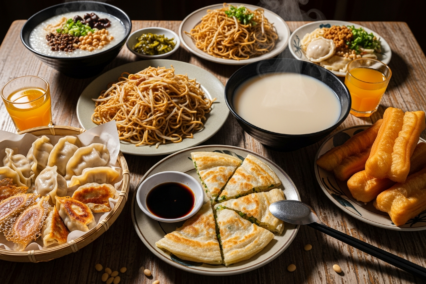
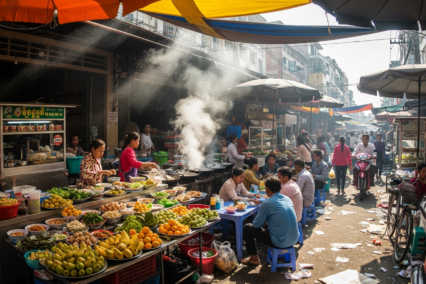
Breakfast in China starts early and is all about being fast and useful. Most people eat between 7:00 AM and 9:00 AM. Since they need to get to work or school, they eat this meal fast, and often pick something to eat as they go. You can see breakfast stalls full of people during this time. They sell out of their best food by 9:30 AM.
If you want to get a real chinese breakfast, it’s a good idea to wake up early. There are many tasty choices that help give people lots of energy for the start of the day.
Some top breakfast foods are dough sticks called youtiao, buns (baozi) filled with meat or veggies, and soft rice porridge. These foods are simple. Still, these dishes are full of flavour and are loved by many. If you want to understand China and the way people live there, you should for sure try these.
Lunch Traditions: When and What to Expect
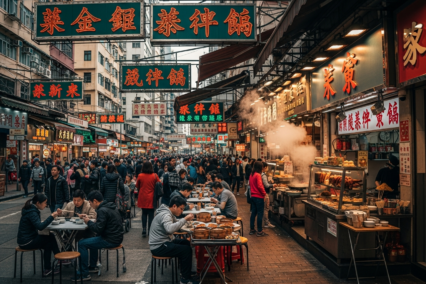
In China, lunchtime typically runs from 11:30 AM to 2:00 PM. This is an essential meal that refuels everyone for the second half of the day. Restaurants, small stalls, and workplace canteens are at their busiest between 12:00 PM and 1:30 PM, as office workers and students rush to eat. Diners often look for quick, filling, and nutritious options.
While the meal is important, it’s usually eaten quickly so people can have a short nap or rest before returning to their duties. You’ll find many places close after 2:00 PM to prepare for the dinner service, so timing is everything.
Common lunch foods cater to this need for speed and substance. Here are some typical options you might find:
|
Food Item |
Description |
|---|---|
|
Rice with side dishes |
A standard set meal with rice, meat, and vegetables. |
|
Dumplings (jiaozi) |
Boiled or pan-fried dumplings, often served with vinegar. |
|
Noodle dishes |
A huge variety, from beef noodles to spicy Sichuan noodles. |
|
Stir-fries |
A balanced and quick option of meat and vegetables with rice. |
Dinner Timing in China and Why It’s Earlier Than in Canada
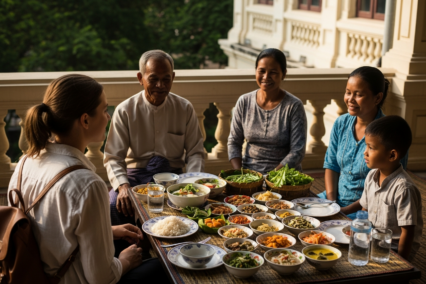
Dinnertime in China usually starts at 5:00 PM and ends at 8:00 PM. To many people in Canada, this can feel early. In China, this meal is the most important meal of the day. At this time, families get together after work and school to share the meal. Breakfast and lunch move fast, but Chinese dinner is slower and brings everyone together.
This way of having dinner early comes from beliefs in Traditional Chinese Medicine. People there say it is good for digestion if you eat before it gets late. When you eat late, it can be hard on your body and may make your sleep worse.
For office workers and all families, sitting down to an early dinner shows the day of work is over. It also starts a quiet night to relax. This cultural habit helps with your body’s rhythm. The early meal can be good for your health, and it fits in with a lifestyle that values balance, health, and well-being.
How Culture and Lifestyle Influence Chinese Mealtimes
Chinese culture connects food with health and spending time with others. This link is strong and has an effect on when people eat. In chinese traditions, like Traditional Chinese Medicine (TCM), people believe you should line up your meal times with the body’s own clock to help digestion and live a long life. It is said that your metabolism works best early in the day, so the morning is the best time to have a big meal.
People also learn from this that dinner should be light and eaten earlier in the evening. This way, your body can rest and digest during the night. You can see these ideas in the everyday lives of many in China. For many chinese, meal timing is not just something you do by habit. It is something you think about to help keep your body in good shape, and to feel more balanced and happy.
Urban vs. Rural Differences in Meal Schedules
While the mealtimes in China usually follow a standard pattern, you will see that there are different habits in rural areas and in urban areas. In rural areas, people often eat dinner earlier. This is true for farmers, too, because they work when the sun is up. So, after their work is finished for the day, they have dinner together.
In big urban areas like Shanghai, Beijing, and Guangzhou, life moves faster. People in these cities sometimes eat dinner a bit later. In the south of China, in cities like Guangzhou where the weather is warmer, people also tend to eat later compared to cities in the north.
For example, families in Northeast China may have their dinner at about 5:30 PM, especially during winter months. But in southern areas, people often start dinner around 7:00 PM. This shows how people in different parts of the country have their own ways of doing things.
Effects of Weekends, Holidays, and Family Gatherings on Mealtimes
On weekends and holidays, the normal weekday mealtimes can change a lot. The focus is on relaxing with family and friends, so people often eat at different times. Lunch can be a longer and bigger meal. Dinner might go late into the night.
Family means a lot in Chinese culture. Sharing food is one way for Chinese people to feel close. It could be a special meal made by grandma or a big dinner for a festival. The main thing is to be together. This is even more true during big holidays like Chinese New Year or the Mid-Autumn Festival.
During these times, there is a different way of enjoying food.
-
Restaurants are full because of happy gatherings.
-
The night markets and snack streets are busy, with lots of fresh food until late at night.
-
These times show that for Chinese people, meals are about being with others, not just eating.
Conclusion
To sum up, knowing about meal time traditions in China can really make your dining time better, whether you are visiting or living there. In China, when people eat can be different because of culture and how people live. This can change from busy cities to small towns. Canadians might see that breakfast is light, while lunch is often the biggest meal. Dinner can also be served earlier than in Canada. If you follow these chinese customs, it will help you connect with local people. You will also get more from your time eating in china. While you try new food on your trip, you can also look for a food tour. A tour will help you taste real chinese dishes and learn more about this great cooking style.
Frequently Asked Questions
Do Chinese meal times change because of modern work or school routines?
Yes, modern life does have an effect. Many chinese people still follow usual meal timing. But in urban areas, some office workers might have their lunch or dinner a bit later because of work. Even with that change, most chinese stick to an early breakfast, lunch around midday, and dinner in the evening. This routine is common for a lot of people in China.
What foods are commonly served at each meal in China?
For breakfast, there are things like steamed buns, porridge, and soy milk. Lunch is quick but will fill you up. People usually eat noodles, dumplings, or rice sets then. Dinner is the biggest meal of day. There are many shared dishes. These have meat, vegetables, and soup, and come with rice.
Is there a special etiquette Canadians should know during Chinese meals?
Yes, there are some things you should do. Wait until the host starts to eat. Use serving chopsticks when you take food from shared plates. Never put your chopsticks standing up in a bowl of rice. People say this brings bad luck. When you follow these rules, you show respect for chinese culture and the other diners at the table.