

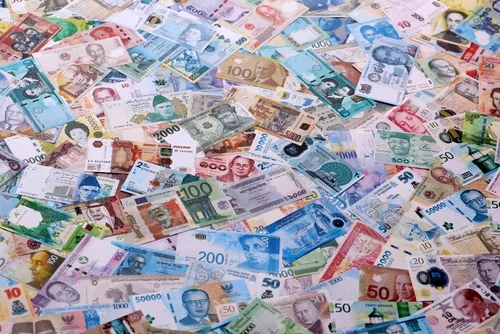
What makes a currency note beautiful?
The world’s most beautiful currency notes tend to be small pieces of polymer or paper that capture a country’s landscape, history, and people in a design a few centimetres wide. The International Bank Note Society (IBNS) considers artistic merit, imaginative design, use of colour, contrast, balance, and the effective integration of modern security features when selecting its annual Banknote of the Year. Some notes here are paper, others polymer. Australia issued the world’s first polymer banknote in 1988 and later became the first country to convert its full banknote series to polymer, rolling out the series between 1992 and 1996.
TL;DR — the world’s most beautiful currency notes at a glance
Here are some of the world’s most beautiful currency notes, based on IBNS recognition and design significance:
- Switzerland’s Swiss franc has twice won the IBNS Banknote of the Year award for its sculptural ‘hands’ series, designed by Manuela Pfrunder.
- Canada’s polymer 10-dollar note, honouring Viola Desmond, won the IBNS award in 2018.
- Australia issued the world’s first polymer banknote in 1988 and later became the first country to convert its full series to polymer; its $5 note is being redesigned around the theme ‘Connection to Country’.
- The Philippines’ 1,000-peso note won the IBNS award in 2022 — the Philippines is one of Australia’s biggest remittance corridors.
- Mexico has won the IBNS award twice recently, in 2020 and 2021, for its 100- and 50-peso notes.

Award-winning currency notes: IBNS Banknote of the Year winners
Each year, IBNS members nominate and vote on the world’s best-designed new banknote, considering artistic merit alongside imaginative design, colour, contrast, balance, and modern security features. The award has gone to a wide mix of countries over the past decade and a half, from Kazakhstan and Uganda to Switzerland, Canada, Mexico, Bermuda, and Curaçao and Sint Maarten.
The table below includes confirmed IBNS Banknote of the Year winners through 2025, the latest result available at the time of writing.
| Year | Country | Note |
| 2025 | Curaçao and Sint Maarten | 200-gulden note |
| 2024 | Bermuda | $5 note |
| 2023 | Eastern Caribbean Central Bank | $2 note |
| 2022 | Philippines | 1,000-peso note |
| 2021 | Mexico | 50-peso note |
| 2020 | Mexico | 100-peso note |
| 2019 | Aruba | 100-florin note |
| 2018 | Canada | 10-dollar note |
| 2017 | Switzerland | 10-franc note |
| 2016 | Switzerland | 50-franc note |
| 2015 | New Zealand | 5-dollar note |
| 2014 | Trinidad & Tobago | 50-dollar note |
| 2013 | Kazakhstan | 1,000-tenge note |
| 2012 | Kazakhstan | 5,000-tenge note |
| 2011 | Kazakhstan | 10,000-tenge note |
| 2010 | Uganda | 50,000-shilling note |
The world’s most beautiful currency notes
From here, we’ve picked notes for their design recognition, cultural texture, or relevance to the countries Remitly customers in Australia most often send money to and from. For more on the marks printed on the world’s currencies, see Remitly’s guide to currency symbols.
Swiss franc — Switzerland and Liechtenstein
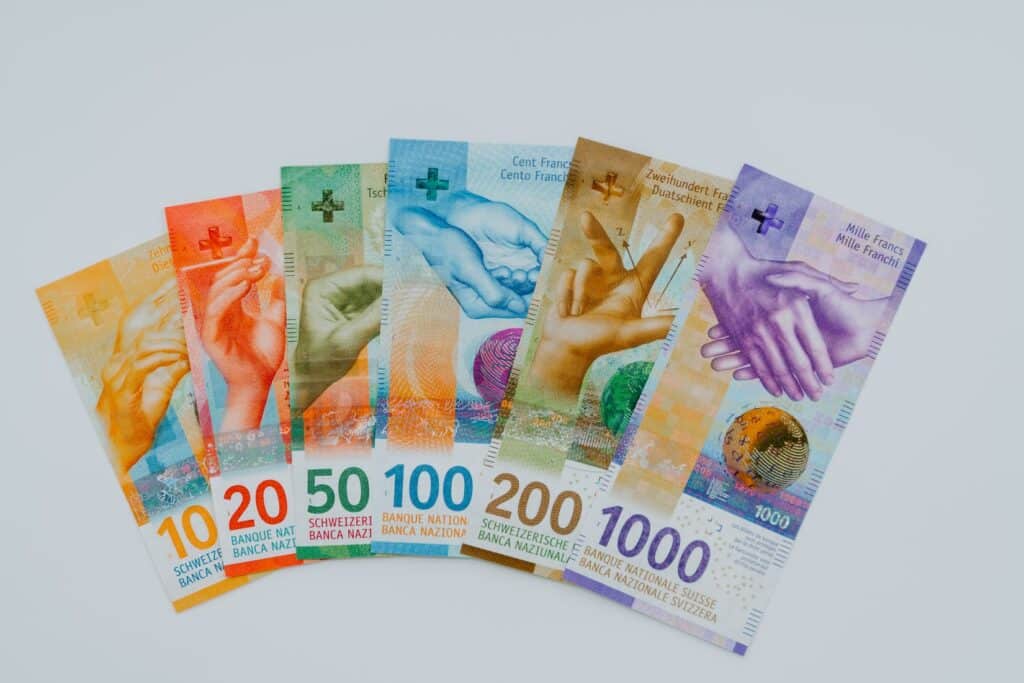
The multiple award-winning Swiss franc is the national currency of Switzerland and Liechtenstein. Its latest series features hands in various gestures, designed by Swiss artist Manuela Pfrunder — the 10-franc note depicts a pair of hands conducting time with a baton. The series has twice taken the IBNS Banknote of the Year title, with the 50-franc note winning in 2016 and the 10-franc note in 2017.
Canadian dollar

The International Bank Note Society recognised Canada’s 10-dollar bill in 2018. The note carries a social justice theme, depicting civil rights activist Viola Desmond and the Canadian Museum for Human Rights in a vertical format. Canada began introducing its polymer banknote series in 2011. Australia made the move earlier, issuing the world’s first polymer banknote in 1988 and becoming the first country to convert its full series to polymer between 1992 and 1996.
Australian dollar
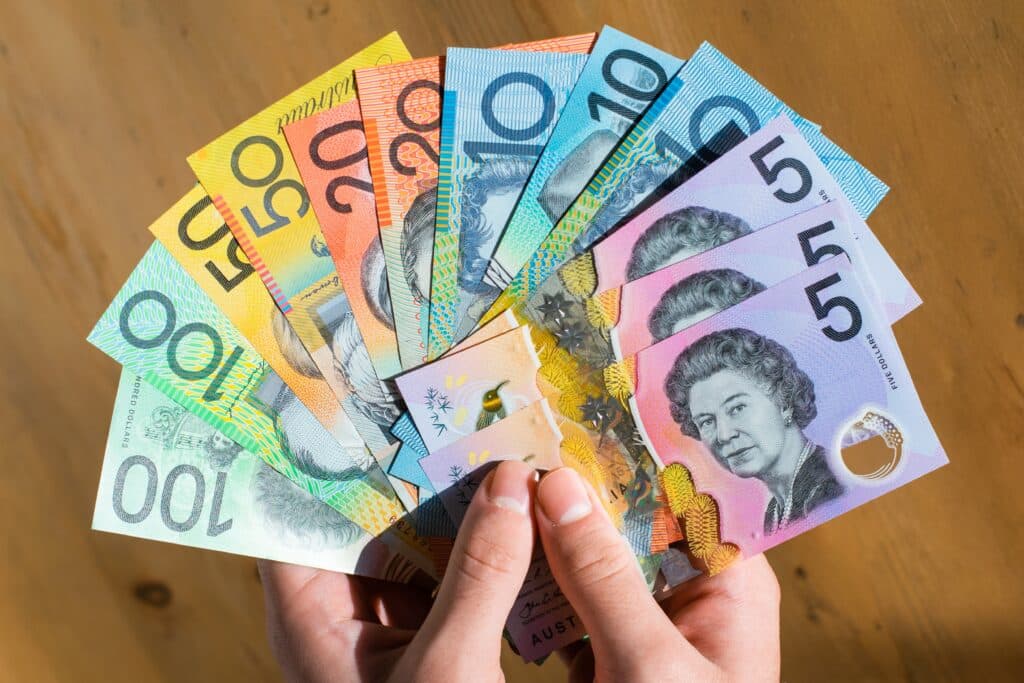
Australia’s banknotes were the world’s first full series to be converted to polymer. The RBA and CSIRO developed the technology behind Australia’s first polymer banknote, issued in 1988, and the full polymer series was rolled out between 1992 and 1996. The $10 pictures poets Banjo Paterson and Dame Mary Gilmore; the $20, Mary Reibey and Reverend John Flynn; the $50, David Unaipon and Edith Cowan; and the $100, Dame Nellie Melba and Sir John Monash. Security features like clear polymer windows help you spot fake Australian banknotes. The RBA is redesigning the $5 note to celebrate Aboriginal and Torres Strait Islander cultures. In 2025, it selected ‘Connection to Country’ as the theme for the new design, although no release date has been announced.
Indian rupee

The rupee has a history stretching back centuries and has remained India’s currency after independence in 1947. Today’s colourful Mahatma Gandhi (New) Series was introduced in 2016, with denominations in colours including lavender, magenta, and fluorescent blue and designs featuring Mahatma Gandhi alongside cultural landmarks such as the Konark Sun Temple. In May 2023, the Reserve Bank of India began withdrawing the ₹2,000 note, though it remains legal tender. India is also one of Australia’s biggest remittance corridors, making these colourful notes familiar to many Australian families.
Philippine peso

The Philippine peso is a new addition to this list: the polymer ₱1,000 note won the IBNS Banknote of the Year award outright in 2022. Its front features the Philippine eagle and sampaguita, while the reverse depicts Tubbataha Reefs Natural Park, a South Sea pearl, and T’nalak weave design. The Philippines is also one of the top corridors for money sent from Australia, so this note is a familiar one for many Filipino-Australian families.
Mexican peso
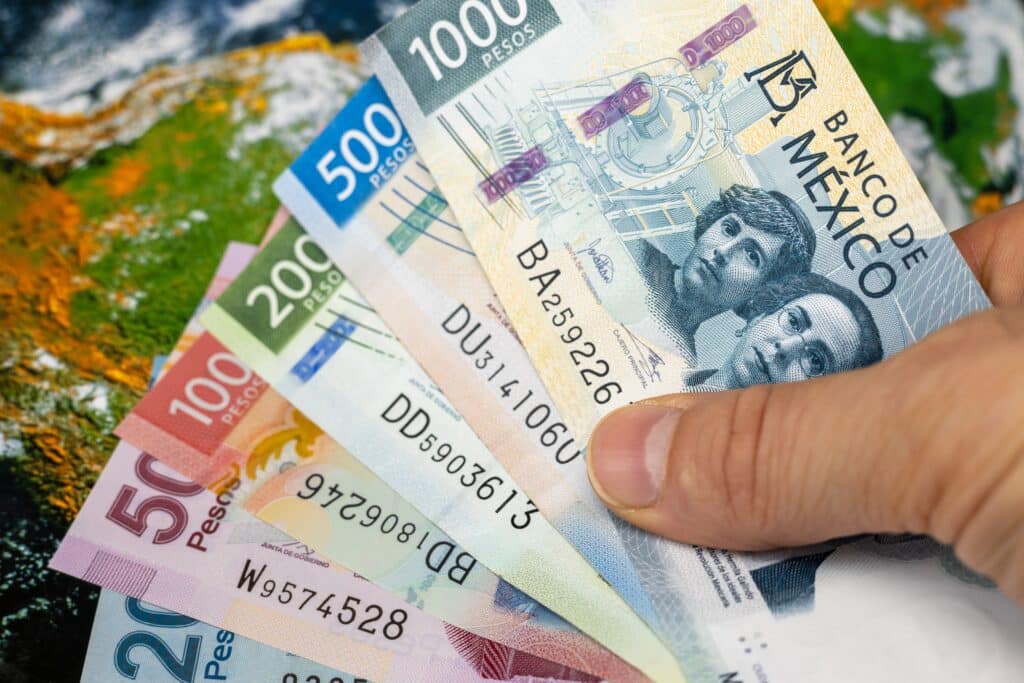
The Mexican peso was once the benchmark for all North American currencies, and its latest series depicts important figures and periods from Mexican history. In 2018, the 500-peso bill was nominated for the IBNS Bank Note of the Year Award; it lost to Canada, but still deserves recognition, with Benito Juárez on the front and grey whales on the reverse. Mexico has since won the award outright twice, with the 100-peso note taking the title in 2020 and the 50-peso note in 2021.
Brazilian real
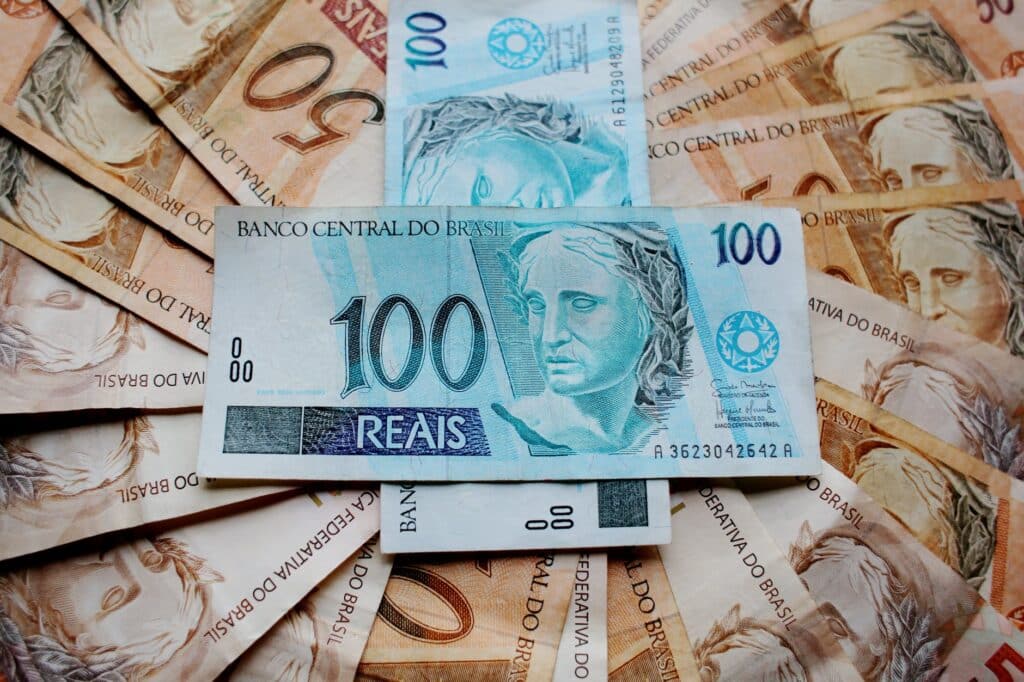
The Brazilian real features the personification of its country, the Efígie da República, on the obverse, and notable fauna — the great egret, jaguar, and golden lion tamarin — on the reverse. Brazil’s newest banknote, featuring the maned wolf, joined the series in 2020. Brazil has led Latin America’s move to digital payments since launching its instant Pix system in November 2020.
South African rand

In the South African Reserve Bank‘s words, “Banknotes serve not only as a medium of payment, but are a window on the country, its people, heritage, and culture.” The rand comes in five denominations, each featuring one of Africa’s Big Five: a rhinoceros on the R10, an elephant on the R20, a lion on the R50, a buffalo on the R100, and a leopard on the R200, with every note carrying a portrait of Nelson Mandela on its obverse.
Nigerian naira
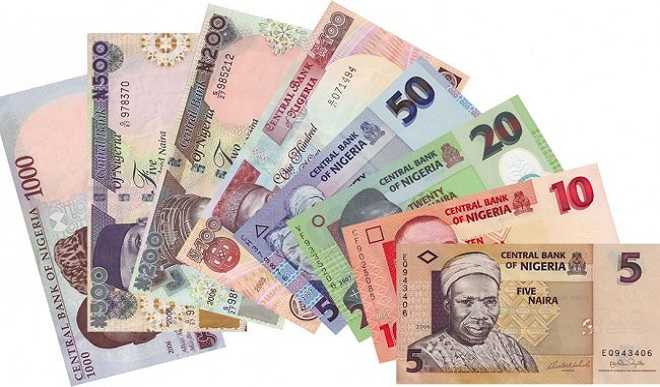
The Nigerian naira is notable for featuring the signature of a woman — Priscilla Ekwere Eleje, the Central Bank of Nigeria‘s first female Director of Currency Operations. The Central Bank redesigned the ₦200, ₦500, and ₦1,000 notes in late 2022, and both old and new versions have circulated together since, following legal disputes over the changeover.
Ugandan shilling
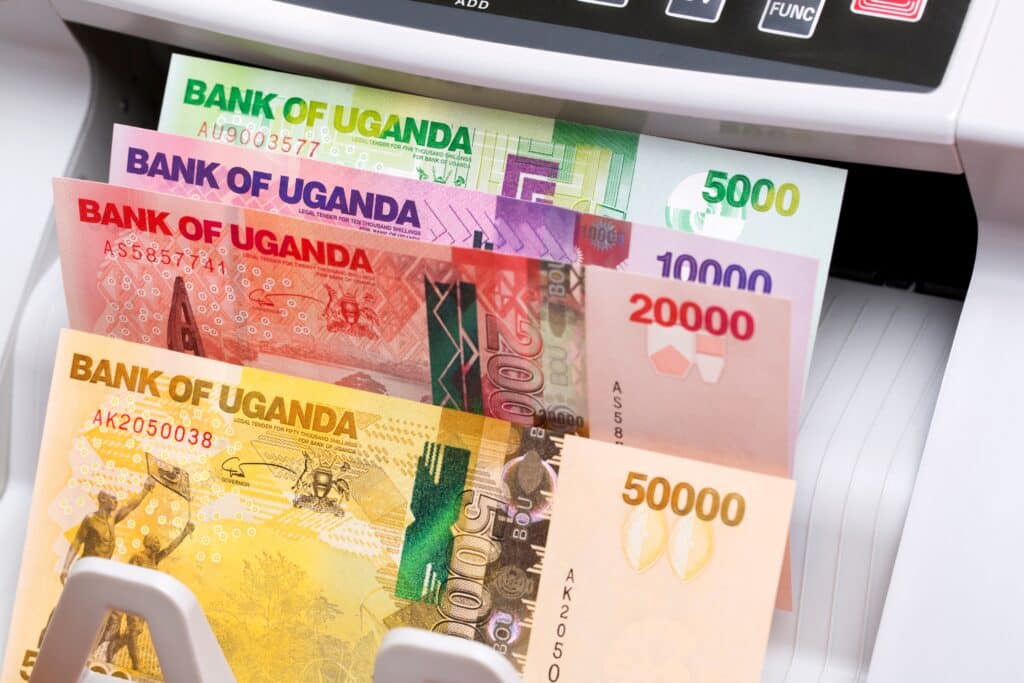
Uganda’s 50,000-shilling note from its 2010 banknote series won the IBNS Banknote of the Year award that year. Uganda’s notes feature national heritage, cultural imagery, and landmarks, including the Independence Monument.
Honduran lempira
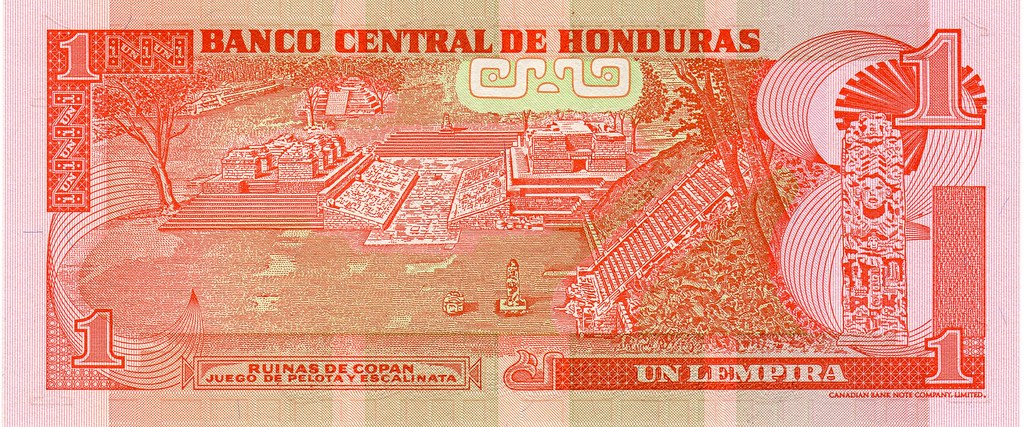
Named after the 16th-century ruler of Honduras’ Lenca people, the Honduran lempira honours national heroes and places in its designs. Lempira himself appears on the one-lempira note; the reverse shows the Mayan ball game pelota and the ruins of Copán.
Malaysian ringgit
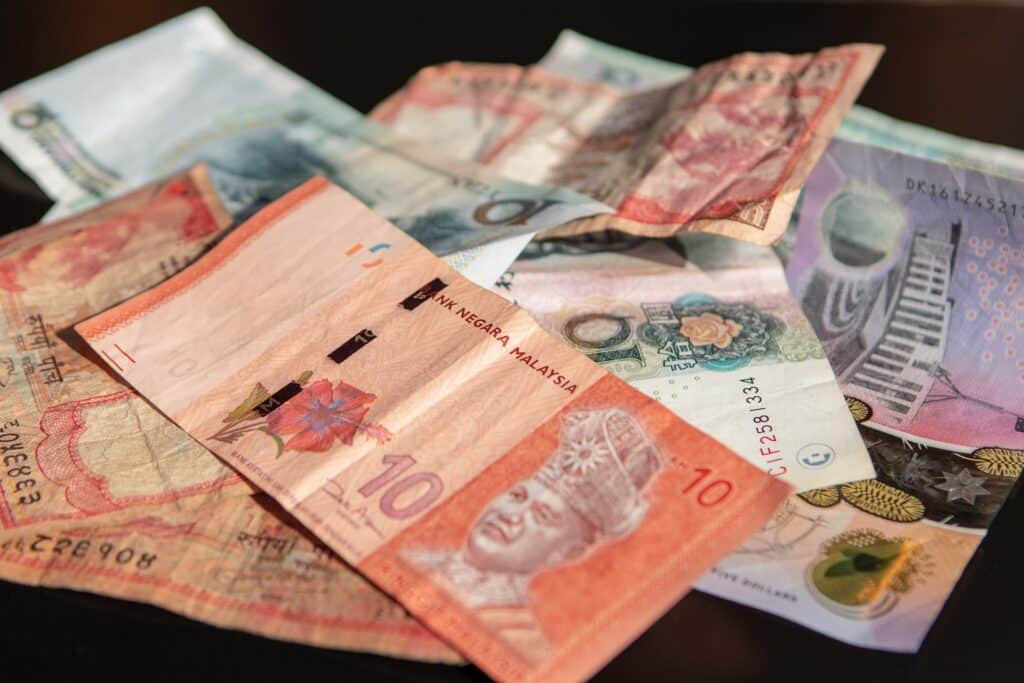
Malaysia’s ringgit notes lean on bold colour-coding to tell denominations apart at a glance, each built around a distinct hue alongside national landmarks and motifs. It sits alongside several Southeast Asian currencies gaining prominence as remittance corridors grow.
Argentine peso
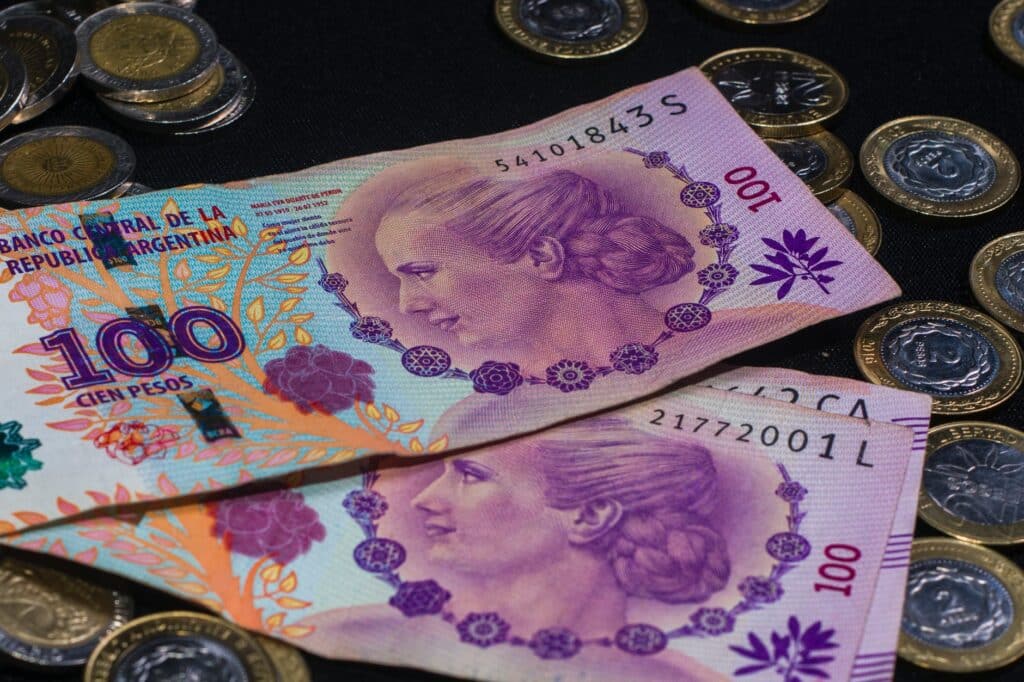
The Argentine peso’s 2016–2018 series features birds, mammals, and natural landmarks. Its 1,000-peso note, centred on the national bird, the Rufous hornero, was a contender for the IBNS award in 2017. Argentina has since introduced considerably higher-value notes, including 2,000- and 10,000-peso bills, to keep pace with sustained inflation.
New Zealand dollar
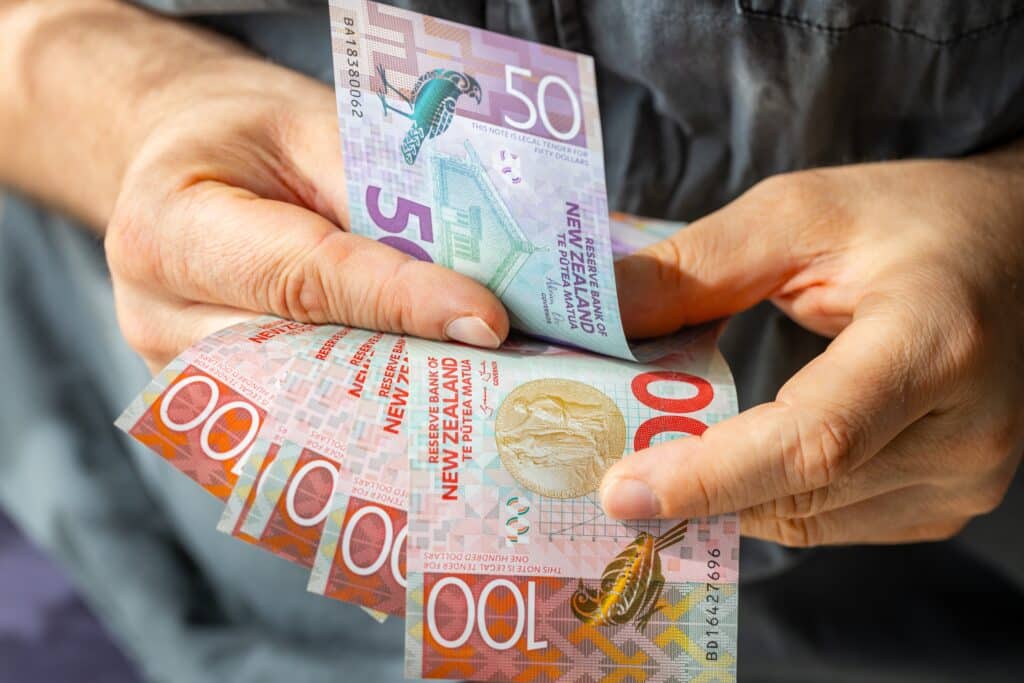
New Zealand’s dollar notes celebrate the country’s history and natural beauty and have been printed on polymer since the 1990s. The $5 note features Sir Edmund Hillary, who, alongside Tenzing Norgay, became one of the first two people confirmed to reach the summit of Mount Everest in 1953 and won the IBNS award in 2015. The $10 honours suffrage campaigner Kate Sheppard. The $20 note features Queen Elizabeth II; existing notes remain legal tender and are not being withdrawn early simply because the sovereign has changed.
Euro
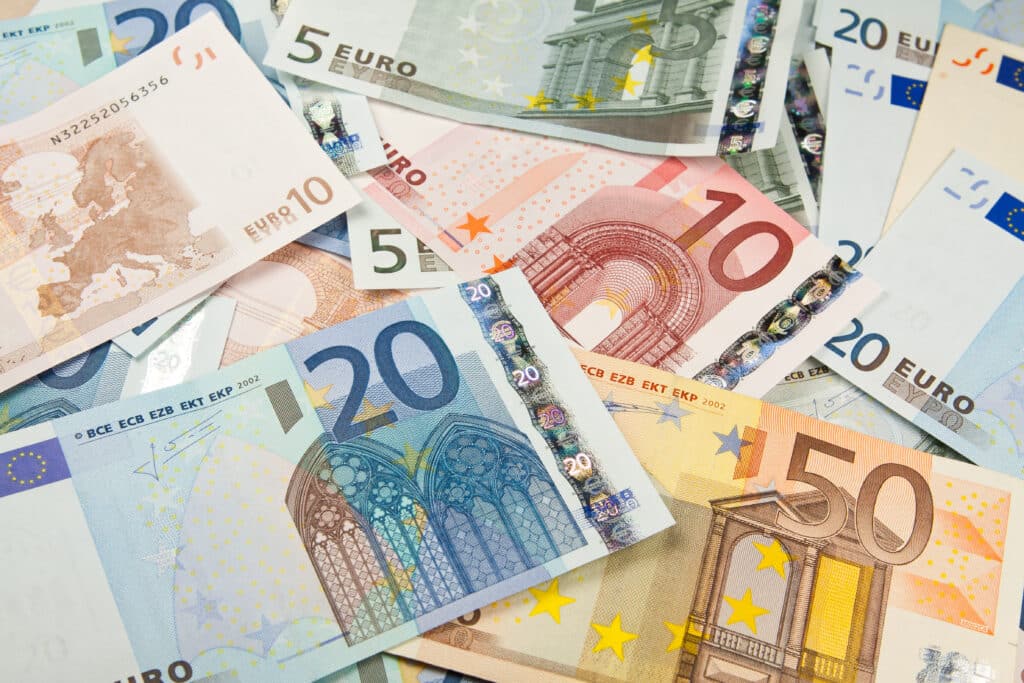
The euro’s Europa series depicts a different period of European architecture per denomination, from classical columns on smaller notes to steel-and-glass design on the largest. Used by 21 EU member states since Bulgaria adopted the euro on 1 January 2026, it’s the world’s second most-traded currency. The European Central Bank is developing a new generation of euro banknotes. In July 2026, it revealed 10 shortlisted design proposals based on the themes ‘European culture’ and ‘Rivers and birds’, with a final design decision expected around the end of 2026. New notes would still take several years to enter circulation.
Maldivian rufiyaa
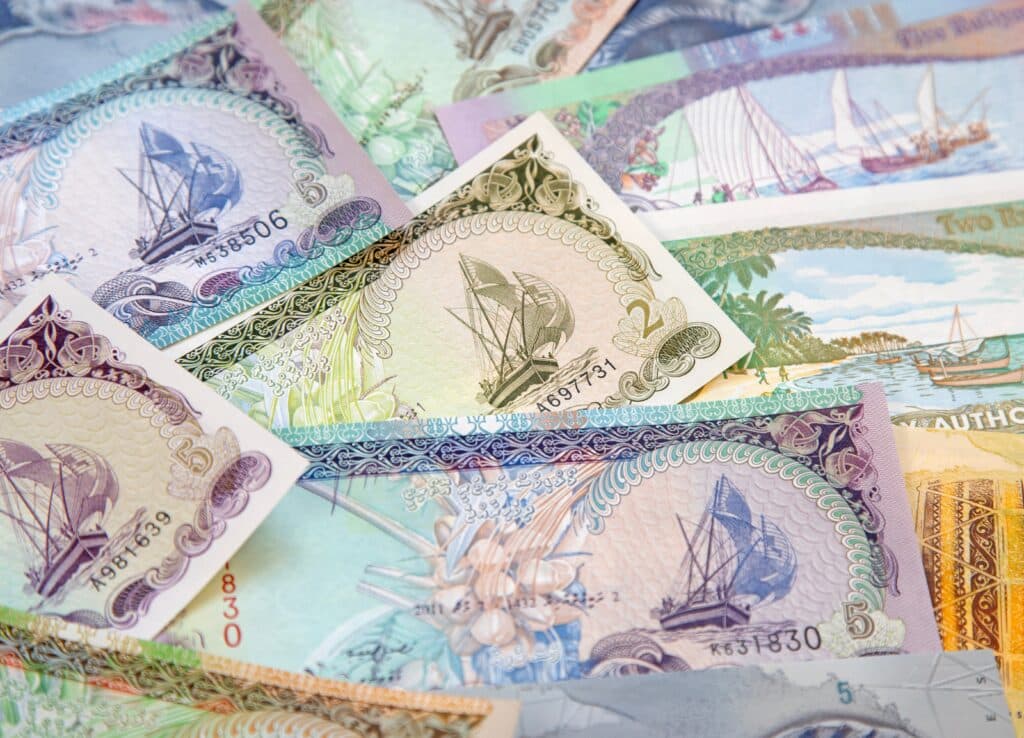
The Maldivian rufiyaa is printed on durable polymer and captures island life with depictions of marine creatures, traditional dhoni fishing boats, and sea turtles. Its colourful designs, featuring fish, coral, and everyday Maldivian motifs, are among the most visually striking of any currency.
Icelandic króna
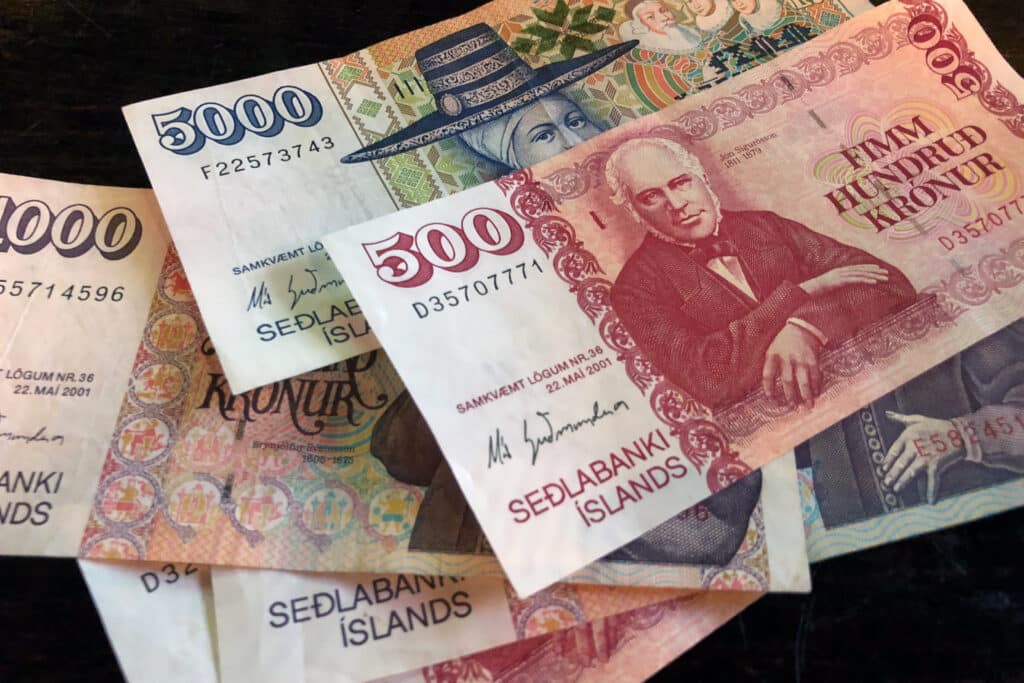
Iceland’s banknotes focus heavily on historical figures and cultural heritage. The 500-króna note honours independence leader Jón Sigurðsson, while the 5,000-króna note features Ragnheiður Jónsdóttir and imagery connected with embroidery and Icelandic textile traditions. Iceland’s notes are printed on cotton-based paper rather than polymer.
Cook Islands dollar
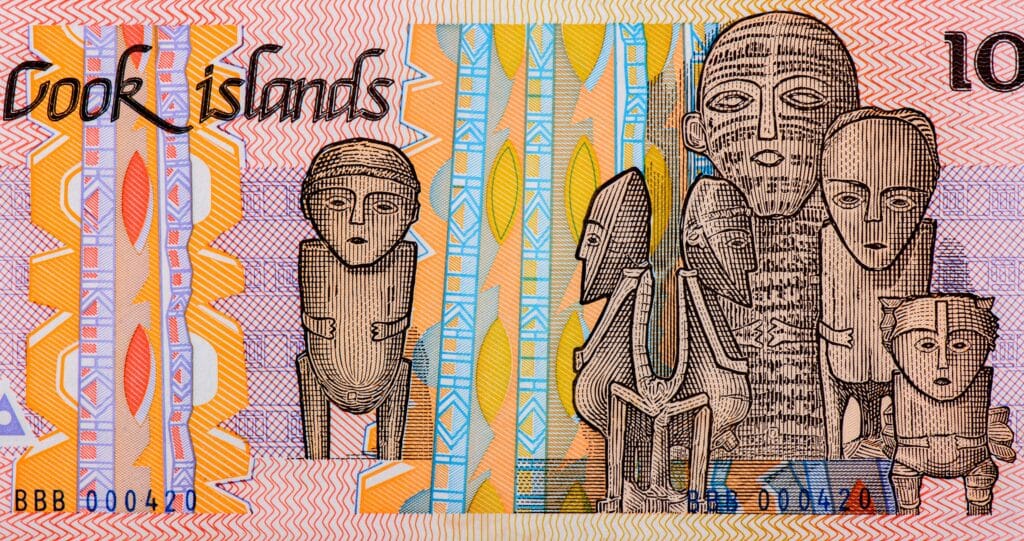
Although the Cook Islands use the New Zealand dollar as their main currency, they also issue their own banknotes, legal tender only locally, with vibrant designs drawing on marine life and Polynesian symbols. The islands keep close cultural and family ties with Australia and New Zealand, and their notes are prized by collectors in both.
Hong Kong dollar
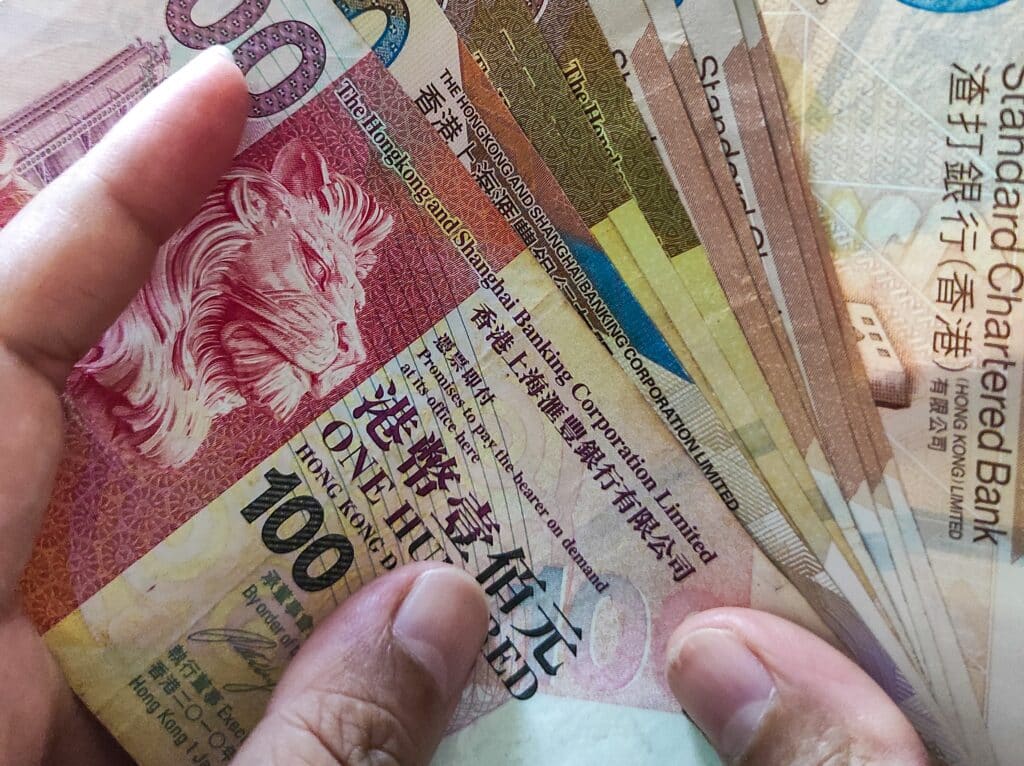
Most Hong Kong banknotes are issued by three commercial banks: HSBC, Standard Chartered, and Bank of China (Hong Kong), each with its own style. The HK$10 note is issued by the Hong Kong SAR Government. Designs blend Eastern and Western influences, with security features including holographic elements and tactile features for visually impaired users.
Costa Rican colón
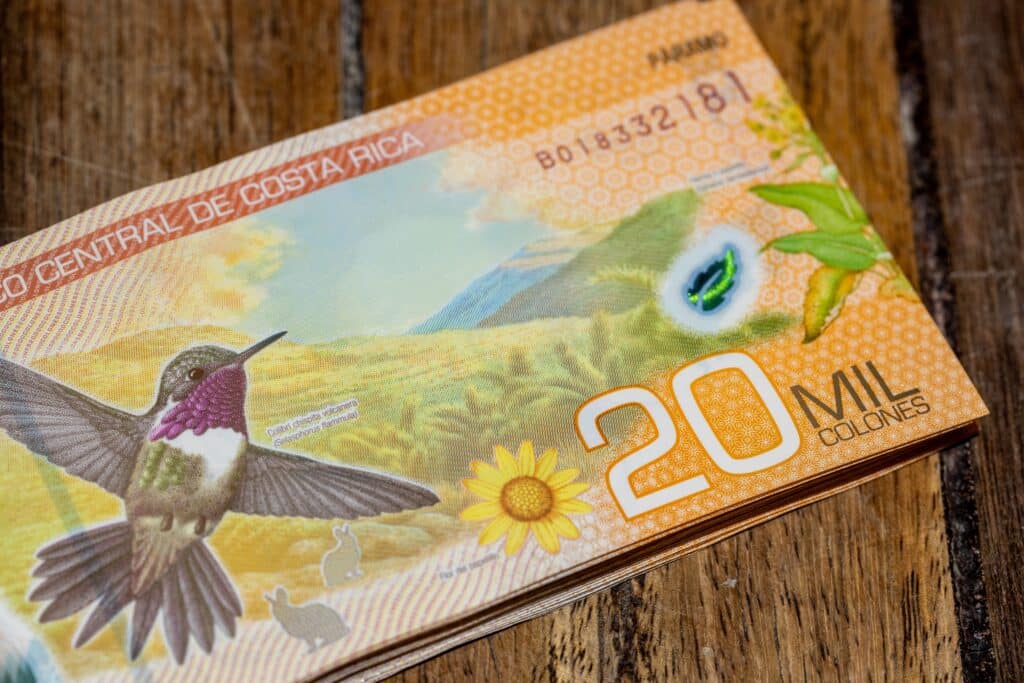
Costa Rica’s colón is a vibrant celebration of the country’s biodiversity, with intricate designs depicting jaguars, sloths, and hummingbirds alongside important national figures. The bold use of colour makes it one of the most visually appealing currencies in Latin America.
Frequently asked questions
What is the world’s most beautiful currency note?
There’s no single official answer, but the Swiss franc is widely praised for its sculptural ‘hands’ series, which has twice won the IBNS Banknote of the Year award. Australia’s polymer notes and the Philippines’ 1,000-peso note are also frequent favourites.
What is the IBNS Banknote of the Year award?
It’s an annual IBNS award recognising the world’s best-designed new banknote. Members consider artistic merit, imaginative design, use of colour, contrast, balance, and the effective integration of modern security features. Past winners range from Kazakhstan and Uganda to Switzerland, Canada, Bermuda, and Curaçao and Sint Maarten.
Is the Australian dollar considered a beautifully designed currency?
Yes. Australia’s polymer notes pair portraits of notable Australians with sophisticated security features and clear polymer windows. Australia issued the world’s first polymer banknote in 1988 and became the first country to convert its full banknote series to polymer, with the full series rolled out between 1992 and 1996.
Which country has won the IBNS award the most times?
Among the winners listed here, Kazakhstan has the most, with three consecutive IBNS Banknote of the Year awards from 2011 to 2013. Switzerland won in 2016 and 2017, while Mexico won in 2020 and 2021.
What criteria are used to judge beautiful banknotes?
IBNS members consider artistic merit, imaginative design, use of colour, contrast, general balance, and how effectively modern security features are integrated into the note.
Which countries print their banknotes on polymer?
Australia, New Zealand, the Maldives, and Canada are among the countries that use polymer for some or all banknotes. Australia issued the world’s first polymer banknote in 1988 and completed the world’s first full polymer series in 1996. Polymer resists moisture and can last longer in circulation than traditional paper substrates.
Which currencies are currently being redesigned?
Australia’s $5 note is being redesigned to celebrate Aboriginal and Torres Strait Islander cultures. In 2025, the RBA selected ‘Connection to Country’ as the theme, although no release date has been announced. The European Central Bank is also developing a new generation of euro banknotes and revealed shortlisted designs in July 2026.
Banknotes as portable national identity
A country’s banknotes are one of the few pieces of national identity that travel freely, carrying a piece of who made them into pockets and cash counters far from home. When you send money with Remitly, some of that same currency reaches loved ones in India, the Philippines, and more than 170 other countries.
- The Swiss franc’s ‘hands’ series has won the IBNS Banknote of the Year award twice, in 2016 and 2017.
- Australia issued the world’s first polymer banknote in 1988 and became the first country to convert its full banknote series to polymer between 1992 and 1996. Its $5 note is being redesigned around the theme ‘Connection to Country’, celebrating Aboriginal and Torres Strait Islander cultures.
- The Philippines’ polymer 1,000-peso note won the IBNS award in 2022. Its front features the Philippine eagle and sampaguita, while the reverse depicts Tubbataha Reefs Natural Park, a South Sea pearl, and T’nalak weave design.
- Mexico has won the IBNS award twice recently, with its 100-peso note winning in 2020 and its 50-peso note in 2021.
India, the Philippines, Mexico, and Nigeria carry particular significance for Remitly‘s Australian customers, given how often money moves through these corridors.
Last reviewed: September 2026
While some countries keep their currency design simple, some nations can call their banknotes and coins everyday works of art. Here at Remitly, we’re experts in international money transfers, and we’re taking a closer look at some beautiful world currencies our customers use. They send money to loved ones who pick up cash as depicted in these photos—or who receive money on debit cards, in mobile wallets, and in bank accounts. Whatever the method, the currency itself remains a powerful symbol of national identity.



