Quick answer: Thai Pongal is a four-day Tamil harvest festival celebrated in mid-January by Tamil and Sri Lankan communities across Australia. Families mark the occasion by cooking sweet pongal rice, drawing kolam designs at their doorsteps, and gathering with loved ones to give thanks for a successful harvest. In Australia, the festival has grown into a vibrant cultural celebration, with community events held in cities like Sydney, Melbourne, and Perth.
For many Tamil and Sri Lankan families living in Australia, mid-January means more than the start of a new year. It’s a time to pause, give thanks, and reconnect with traditions passed down through generations. Thai Pongal, one of the most significant festivals in the Tamil calendar, brings communities together across the country to celebrate the harvest season with food, colour, and gratitude.
Whether you’re new to the festival or have celebrated it your whole life, this guide walks through what Thai Pongal means, how it’s observed in Australia, and why it continues to hold such deep cultural significance for the Tamil diaspora.

What does Thai Pongal celebrate?
Thai Pongal is a harvest festival that gives thanks to the sun, nature, and farm animals for a bountiful crop. The word “pongal” means “to boil over,” referring to the overflowing pot of rice cooked during the celebration as a symbol of abundance and prosperity. The festival typically falls in mid-January, marking the end of the harvest season in Tamil Nadu and the start of the Tamil solar calendar month of Thai.
Traditionally celebrated over four days, each day of Thai Pongal has its own purpose:
- Bhogi Pongal – The first day, dedicated to discarding old belongings and welcoming new beginnings.
- Thai Pongal – The main day, when families cook sweet pongal rice and offer thanks to the sun god, Surya.
- Mattu Pongal – A day to honour cattle and farm animals for their role in agriculture.
- Kaanum Pongal – The final day, focused on family gatherings and strengthening community bonds.
How is Thai Pongal celebrated by Tamil and Sri Lankan Australians?
Australia is home to a growing Tamil and Sri Lankan community, and Thai Pongal has become a meaningful cultural touchpoint for families far from their countries of origin. While the scale of celebrations in Australia may differ from those in Tamil Nadu or Sri Lanka, the core traditions remain the same.
Cooking sweet pongal rice
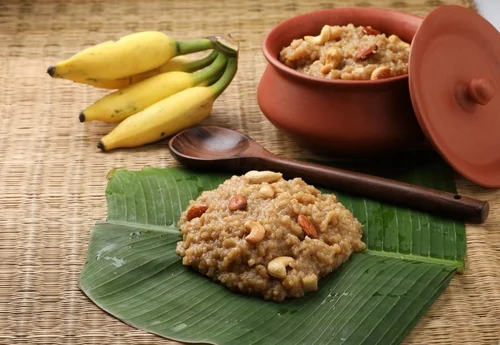
At the heart of the festival is the preparation of sweet pongal, a dish made from freshly harvested rice, jaggery, milk, and ghee, often garnished with cashews and raisins. Families traditionally cook the rice in a clay pot until it boils over, symbolising prosperity for the year ahead. In Australian kitchens, many families adapt the recipe using locally available ingredients while preserving the ritual’s symbolic meaning.
Drawing kolam designs
Kolam, intricate geometric patterns drawn using rice flour, are created at the entrance of homes to welcome prosperity and ward off negative energy. In Australian suburbs with strong Tamil communities, it’s common to see these colourful designs appearing on doorsteps throughout January, a quiet but striking marker of cultural continuity.
Community celebrations across Australian cities
Cities including Sydney, Melbourne, and Perth host community-organised Thai Pongal events, bringing together Tamil cultural associations, temples, and local organisations. These gatherings often include traditional music, dance performances, and communal meals, giving younger generations of Tamil Australians a chance to experience the festival alongside their families.

Why does Thai Pongal matter for the Tamil diaspora in Australia?
For many Tamil and Sri Lankan Australians, Thai Pongal is more than a seasonal celebration. It’s a way to stay connected to cultural identity while building a life in a new country. Festivals like this one offer a sense of continuity, a reminder of home, and an opportunity to pass down traditions to children growing up thousands of kilometres from where those customs began.
This is a familiar experience for immigrant communities everywhere. Staying connected to culture, family, and tradition remains one of the most grounding parts of life abroad. Whether it’s cooking a family recipe, celebrating a festival, or simply calling loved ones to share the day’s events, these moments matter.
How can families celebrate Thai Pongal while living abroad?
Celebrating Thai Pongal in Australia doesn’t require replicating every tradition exactly as it’s done in Tamil Nadu or Sri Lanka. Many families find meaningful ways to adapt the festival to their circumstances:
- Cook together as a family. Preparing sweet pongal rice is often a shared activity, making it a good opportunity to teach children about the significance of the dish.
- Connect with local Tamil associations. Community groups across Australia frequently organise Thai Pongal events, offering a chance to celebrate alongside others who share the same traditions.
- Share the celebration with family overseas. Many families use video calls to include relatives in Sri Lanka or India in the day’s festivities, even from a distance.
- Pass down the stories behind the traditions. Explaining the meaning behind kolam designs or the significance of thanking Surya helps keep the cultural context alive for younger generations.
Keeping cultural connections strong, wherever you live
Thai Pongal is a reminder of how deeply culture and family remain intertwined, no matter where life takes you. For Tamil and Sri Lankan Australians, the festival offers a chance to honour tradition, give thanks, and strengthen ties with both local community and family overseas.
As Australia’s Tamil and Sri Lankan communities continue to grow, celebrations like Thai Pongal will likely become even more visible across the country, a welcome sign of the rich cultural diversity that shapes modern Australian life.

Frequently asked questions
When is Thai Pongal celebrated?
Thai Pongal is celebrated over four days in mid-January each year, marking the start of the Tamil month of Thai and the end of the harvest season.
What is the significance of sweet pongal rice?
Sweet pongal rice is cooked until it boils over the pot, symbolising abundance and prosperity for the year ahead. It’s traditionally offered as thanks to the sun god, Surya.
What are kolam designs used for?
Kolam are decorative patterns drawn with rice flour at the entrance of homes. They’re believed to welcome prosperity and positive energy into the household.
How is Thai Pongal celebrated differently in Australia compared to Tamil Nadu?
While the core traditions, cooking sweet pongal, drawing kolam, and honouring the harvest, remain consistent, celebrations in Australia often centre around community events organised by Tamil cultural associations in cities like Sydney, Melbourne, and Perth, alongside family gatherings at home.
Is Thai Pongal only celebrated by Tamil communities?
Thai Pongal is primarily a Tamil festival, but it’s also celebrated by Sri Lankan communities, particularly those of Tamil heritage, both in Sri Lanka and across the diaspora, including in Australia.