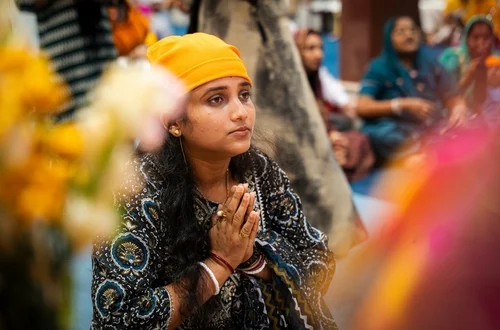
Quick answer: Guru Nanak Gurpurab, the birth anniversary of Sikhism’s founder, Guru Nanak Dev Ji, is one of the most significant festivals for Sikhs worldwide. In Australia, the occasion is marked with nagar kirtan processions, continuous prayer readings at gurdwaras, and community langar meals that are open to everyone, reflecting the growing size and visibility of Australia’s Sikh community.
Every November, gurdwaras across Australia fill with music, prayer, and the smell of warm food cooked for thousands. Guru Nanak Gurpurab honors the birth of Guru Nanak Dev Ji, the first of Sikhism’s ten Gurus, and it remains the most widely observed festival in the Sikh calendar. For Australia’s Sikh community, which has grown substantially over the past two decades through migration from Punjab and other parts of India, the celebration has become a visible and cherished part of the country’s multicultural life.
Understanding how this holiday is observed offers a window into the values that shape Sikh culture: devotion, service, and generosity toward others, regardless of background.

When Is Guru Nanak Gurpurab Celebrated in Australia?
Guru Nanak Gurpurab follows the lunar calendar, so the date shifts each year, typically falling in November. Celebrations often begin days in advance with an Akhand Path, a continuous, uninterrupted reading of the Guru Granth Sahib, Sikhism’s central religious scripture, that takes 48 hours to complete. The main day of celebration is marked by processions and larger community gatherings, with many families treating it as a multi-day occasion rather than a single event.
What Happens During a Nagar Kirtan Procession?
A nagar kirtan is a devotional procession that moves through city streets, led by five people dressed as the Panj Pyare, representing the five beloved ones in Sikh history. Participants sing hymns, play traditional instruments, and carry the Guru Granth Sahib on a decorated float.
In cities with established Sikh populations, such as Melbourne, Sydney, and Perth, nagar kirtans draw large crowds and often include local council support, road closures, and media coverage. These processions are not closed religious events. Members of the public are welcome to watch, and many non-Sikh Australians join in or stop to learn more about the tradition as it passes through their neighborhoods.
Why Is the Gurdwara Central to Gurpurab Celebrations?
The gurdwara, meaning “doorway to the Guru,” is the Sikh place of worship and the focal point of Gurpurab festivities. On the day itself, gurdwaras hold extended prayer services, kirtan (devotional singing), and katha (scriptural discourse explaining the teachings of Guru Nanak).
Beyond the religious program, gurdwaras serve as community hubs where generations connect. Older members pass down stories and traditions to younger Sikh Australians, many of whom were born and raised in Australia and are experiencing their heritage through these gatherings.

What Role Does Langar Play in the Celebration?
Langar, the community kitchen tradition, is one of Sikhism’s most distinctive and enduring practices. Volunteers prepare and serve a free vegetarian meal to anyone who attends, regardless of religion, background, or status. The principle behind langar is equality: everyone sits together on the floor and eats the same food, removing any sense of hierarchy.
During Gurpurab, langar halls at Australian gurdwaras can serve thousands of meals over a single weekend, prepared entirely by volunteers. This spirit of seva, or selfless service, is considered one of the core teachings Guru Nanak Dev Ji preached: that devotion to a higher purpose should be expressed through practical acts of care for others.
How Has Australia’s Sikh Community Grown?
Sikh migration to Australia dates back more than a century, with early arrivals working in agriculture and hawking trades in the late 1800s. However, the community has expanded significantly since the early 2000s, driven by skilled migration, international student enrollments, and family reunification.
According to the Australian Bureau of Statistics 2021 Census, Sikhism was recorded as one of the fastest-growing religions in Australia over the preceding decade. This growth is visible in the increasing number of gurdwaras built across suburban and regional areas, as well as the scale of public Gurpurab celebrations, which now rank among the larger cultural and religious events on local community calendars in cities with sizeable Sikh populations.
Why Does Gurpurab Matter Beyond the Sikh Community?
For many Australians, Gurpurab offers a chance to witness a tradition built around generosity and inclusion. The open invitation to join langar, regardless of faith, reflects values that resonate broadly: hospitality, community care, and respect across cultural lines.
For Sikh families living far from relatives in Punjab or elsewhere, Gurpurab also carries personal weight. It is a time when community bonds in Australia substitute, in part, for the extended family networks left behind, and when staying connected to loved ones overseas, whether through a phone call, a shared recipe, or sending support home, feels especially meaningful.

Making the Most of Gurpurab Wherever You Are
Guru Nanak Gurpurab is a celebration rooted in devotion, humility, and service to others, values that have carried Sikh communities across generations and continents. In Australia, these traditions have found a welcoming home, growing year after year alongside the community that carries them forward.
Whether you’re observing Gurpurab yourself or learning about it for the first time, the celebration is a reminder that cultural heritage thrives when it’s shared openly, not kept behind closed doors.
Frequently Asked Questions
What is Guru Nanak Gurpurab?
Guru Nanak Gurpurab is the Sikh festival celebrating the birth anniversary of Guru Nanak Dev Ji, the founder of Sikhism. It is observed with prayer, processions, and community service.
When does Guru Nanak Gurpurab take place in Australia?
The date follows the lunar calendar and typically falls in November. Celebrations often span several days, beginning with continuous prayer readings before culminating in processions and community events.
Is the public welcome to attend Gurpurab celebrations in Australia?
Yes. Nagar kirtan processions take place on public streets, and langar meals at gurdwaras are open to everyone, regardless of religion or background.
What is langar, and why is it significant?
Langar is a free community meal served at gurdwaras, prepared and distributed by volunteers. It reflects the Sikh principle of equality, as all attendees eat the same food, seated together, without distinction.
How large is the Sikh community in Australia?
Sikhism has been identified as one of the fastest-growing religions in Australia over the past decade, according to the 2021 Census, with growth concentrated in cities such as Melbourne, Sydney, and Perth.