Quick answer: Undas, also known as All Saints’ and All Souls’ Day, is a two-day Filipino tradition observed on November 1 and 2, when families visit cemeteries to clean graves, light candles, and gather with relatives. For Filipino-Australians, it’s also one of the year’s biggest occasions for sending money home to help cover grave upkeep, food, candles, and travel costs for family members in the Philippines.
For many Filipino-Australians, Undas isn’t just a date on the calendar. It’s a reminder of home, family, and the traditions that shaped their upbringing, even when they’re thousands of kilometres away from the cemeteries where their grandparents and great-grandparents are laid to rest. Australia is one of the top five destination countries for Filipino migration, and this community remains deeply connected to the customs observed back home.
This guide explains what Undas involves, why it matters so much to Filipino-Australians, and what to know if you’re planning to send money home to support family during this period.

What is Undas, and why do Filipinos observe it?
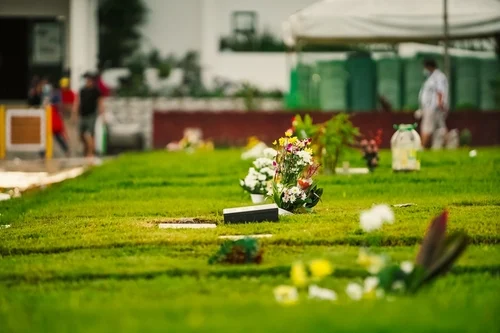
Undas is the Filipino term for All Saints’ Day (November 1) and All Souls’ Day (November 2). Across the Philippines, families travel—sometimes long distances—to visit the graves of loved ones. They clean headstones, repaint tombs, and decorate graves with flowers and candles. Many families stay at the cemetery for hours, sharing meals and stories, treating the day as a reunion with both the living and the dead.
It’s a occasion built around presence—showing up, cleaning up, and sitting with memory. For overseas Filipinos who can’t be there in person, that absence is often felt strongly during this specific week of the year.
Why does Undas matter so much to Filipino-Australians?
The Philippines is consistently ranked among the top five source countries for migration to Australia, and Filipino-Australians make up a significant and steadily growing community. Many still have parents, siblings, or extended family living in the Philippines, and Undas is one of the moments in the calendar year when that distance feels most pronounced.
Because so many Filipino-Australians can’t travel home for the holiday itself, supporting the occasion financially becomes a meaningful way to participate from afar. It’s common for relatives abroad to fund:
- Grave cleaning and repainting
- Candles and flowers
- Food for family gatherings at the cemetery or at home
- Domestic travel costs for relatives making their way to provincial hometowns
This is why Undas is widely recognised as one of the clearest money-sending peaks of the Philippine calendar year. It sits alongside other major occasions, like Christmas, as a time when overseas Filipinos are more likely to send funds home than during an average month.

What should I know about sending money home for Undas?
If you’re planning to send money to family in the Philippines around this time, a few practical considerations are worth keeping in mind.
Are banks open on All Saints’ Day in the Philippines?
All Saints’ Day (November 1) is a regular public holiday in the Philippines, and All Souls’ Day (November 2) is a special non-working day in many years. This means Philippine banks are typically closed on November 1, and may operate reduced hours or remain closed on November 2, depending on the official holiday schedule for that year.
Bank closures can affect how quickly a transfer reaches a recipient’s bank account, particularly if the transfer relies on standard banking hours to process. If timing matters, it’s worth sending funds a few days ahead of the holiday period rather than waiting until November 1 itself.
Do money transfer services operate differently during Undas?
Many money transfer providers continue operating during Philippine public holidays, even when banks are closed, since transfers can often be picked up in cash at partner locations or loaded onto mobile wallets outside standard banking hours. However, processing times can vary depending on the provider and the delivery method chosen, so it’s worth checking expected delivery windows in advance if the funds are needed by a specific date, such as before the family travels to the cemetery.

When is the best time to send money for Undas?
Because Undas creates a genuine spike in demand for both grave-related expenses and travel costs, sending funds earlier in the week—rather than on November 1 itself—gives your family more flexibility. It also avoids any delays tied to holiday closures or increased transaction volumes across providers during peak periods.
A tradition that travels, even when people can’t
Undas endures for Filipino-Australians because it isn’t really about location. It’s about the acts of remembrance and family that anchor the day, no matter which country you’re observing it from. A cleaned headstone, a lit candle, a shared meal at the cemetery. These stay meaningful whether you’re standing in front of the grave or supporting the moment from across the world.
Understanding the practical side of the holiday, including how bank closures and transfer timing can affect your plans, helps ensure that support reaches home when it’s needed most.

FAQ
What is Undas?
Undas is the Filipino observance of All Saints’ Day (November 1) and All Souls’ Day (November 2), when families visit cemeteries to clean graves, light candles, and spend time together honouring both living and deceased relatives.
Why is Undas significant for Filipino-Australians?
The Philippines is one of the top five source countries for migration to Australia, and many Filipino-Australians retain close family ties back home. Undas is a period when those living abroad often provide financial support for grave maintenance, food, candles, and family travel, even when they can’t attend in person.
Are Philippine banks closed for Undas?
November 1 is typically a regular public holiday in the Philippines, meaning banks are usually closed. November 2 is often designated a special non-working day, which can mean reduced hours or closures depending on the year’s official holiday schedule.
When should I send money home for Undas?
Sending funds a few days before November 1 is generally recommended, since bank closures and increased transaction volumes during the holiday period can affect how quickly money is received.
What expenses do Filipino-Australians typically support during Undas?
Common expenses include grave cleaning and repainting, candles and flowers, food for family gatherings, and domestic travel costs for relatives visiting provincial hometowns.