Quick answer: The Double Ninth Festival, also known as Chongyang Festival or Seniors’ Day, falls on October 18, 2026. This traditional Chinese holiday honours older generations through hill-climbing, chrysanthemum viewing, and family gatherings. For Chinese-Australian families, it’s a meaningful reminder to check in with parents and grandparents, whether that’s a phone call home or arranging support for relatives overseas.
Every year on the ninth day of the ninth lunar month, families across China and within Chinese diaspora communities pause to honour their elders. The Double Ninth Festival, known as Chongyang Jie in Mandarin, carries centuries of tradition behind it, yet its modern meaning has evolved into something simple and universal: taking time to appreciate the older people in our lives.
For Australia’s large and growing Chinese-Australian community, this festival offers a natural moment to reconnect with parents and grandparents, whether they live down the road in Melbourne or across the world in Guangzhou. This guide covers when the festival falls in 2026, what traditions to expect, and practical considerations if you’re planning to send support to elderly relatives during this time.
When is the Double Ninth Festival in 2026?
The Double Ninth Festival falls on October 18, 2026. Because the date is tied to the lunar calendar rather than the Gregorian calendar most of us use day-to-day, the festival shifts each year on Western calendars, typically landing sometime in October.
The “double nine” in the name comes from the date itself: the ninth day of the ninth lunar month. In Chinese numerology, the number nine is associated with yang energy and longevity, which is part of why this day became closely linked with honouring older generations.
What is the history behind the Double Ninth Festival?
The Double Ninth Festival has roots stretching back over 1,700 years, with early references appearing during the Han Dynasty. Historically, the festival was associated with warding off misfortune. Families would climb to higher ground, drink chrysanthemum wine, and carry sprigs of cornus (a plant believed to have protective properties) to avoid bad luck and ill health.
Over time, the meaning of the festival shifted. In 1989, China officially designated the day as “Senior’s Day,” formally connecting the ancient customs to a modern purpose: respecting and caring for the elderly. Today, it’s recognised as China’s official Elders’ Day, a designation that reflects both tradition and contemporary values around ageing and family responsibility.
How do people celebrate Double Ninth Festival today?
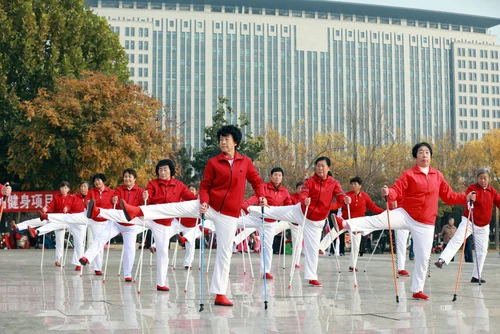
Traditional customs are still widely practised, particularly in mainland China, though the emphasis has shifted toward family connection rather than superstition.
Hill-climbing. Families and friends head outdoors to climb hills or mountains, a practice believed to bring good fortune. In cities without natural hills nearby, people often climb towers or tall buildings instead.
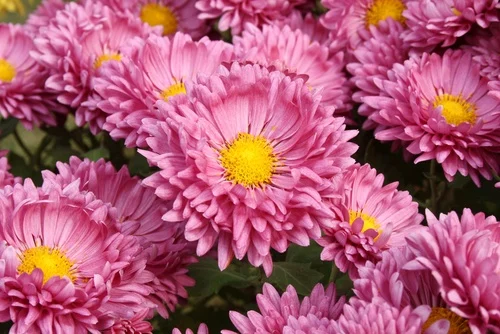
Chrysanthemum viewing. Autumn is peak chrysanthemum season in China, and the flower holds a special place in Double Ninth traditions. Public gardens hold chrysanthemum displays, and drinking chrysanthemum tea or wine remains a popular custom.
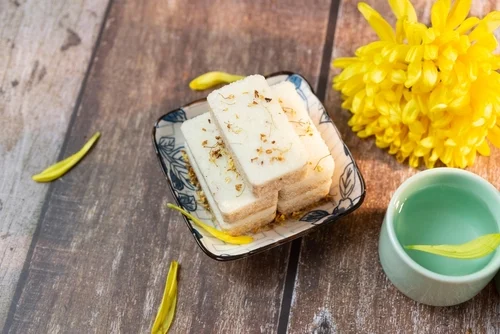
Eating Chongyang cake. This layered, sticky rice cake is traditionally eaten on the festival, often topped with dates, nuts, or dried fruit. The Chinese word for cake, “gao,” sounds similar to the word for “high,” symbolising the wish for continued progress and success.
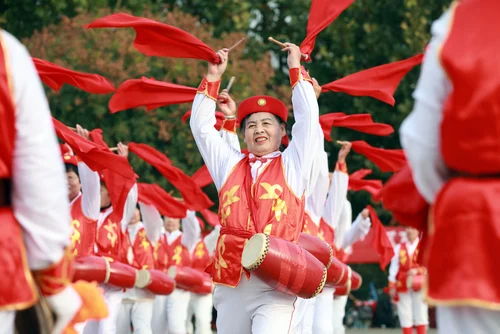
Visiting and honouring elders. This is where the festival’s modern identity truly shines. Many people use the day to visit ageing parents and grandparents, prepare a meal together, or simply spend quality time as a family. In cases where families live apart, phone calls and video chats have become a common way to mark the occasion.
Why is the Double Ninth Festival significant for Chinese-Australian families?
Australia is home to one of the largest Chinese diaspora communities outside Asia, and many Chinese-Australian families maintain close ties with relatives still living in China or elsewhere overseas. For these families, the Double Ninth Festival serves as a yearly prompt: an occasion to reach out, check in, and show appreciation for parents and grandparents, regardless of the distance between them.
For those with elderly relatives living independently, whether in Australia or abroad, this can also be a moment to consider practical forms of support. That might mean a phone call to see how they’re doing, arranging a visit, or providing financial assistance to help cover expenses.
Do banks operate normally on the Double Ninth Festival?
In Australia, the Double Ninth Festival is not a public holiday, so banks, businesses, and financial institutions operate as usual. If you’re planning to send money to family in Australia around this time, you shouldn’t expect any disruption to standard banking hours or services.
The situation can differ in China, however. While the Double Ninth Festival is not a nationwide public holiday there either (unlike the Mid-Autumn or Spring Festival), some regional observances or reduced staffing at smaller branches may occur, particularly in areas with strong local traditions tied to the day. If you’re sending funds to relatives in China around October 18, it’s worth confirming with your provider whether processing times could be affected, especially if the date falls near a weekend.
What’s the best way to support elderly relatives during the festival?
If distance keeps you from celebrating in person, there are still meaningful ways to mark the occasion:
- Schedule a call or video chat. A simple conversation goes a long way, especially for elderly relatives who may feel isolated.
- Send a thoughtful gift. Traditional items like chrysanthemum tea, health supplements, or a Chongyang cake can be a warm gesture, even from afar.
- Provide financial support. For many families, sending money is a practical way to help cover medical costs, daily expenses, or simply provide a bit of extra comfort.
- Plan ahead for banking cut-offs. If you’re sending funds internationally around the festival date, checking processing times in advance can help avoid unexpected delays, particularly if local businesses have adjusted hours.

Keeping the tradition alive, wherever you are
The Double Ninth Festival is a reminder that honouring our elders doesn’t require grand gestures. A phone call, a shared meal, or a small act of support can carry the same weight as a mountain hike or a cup of chrysanthemum tea. For Chinese-Australian families balancing tradition with distance, October 18, 2026 is a fitting day to pause and reconnect with the people who shaped who we are.
Frequently Asked Questions
When does the Double Ninth Festival fall in 2026?
The Double Ninth Festival falls on October 18, 2026, corresponding to the ninth day of the ninth month in the Chinese lunar calendar.
Is the Double Ninth Festival a public holiday in Australia?
No. The Double Ninth Festival is not an official public holiday in Australia, so banks, schools, and businesses operate on their normal schedules.
What is another name for the Double Ninth Festival?
The festival is also known as Chongyang Festival and, since 1989, has been officially recognised in China as Seniors’ Day or Elders’ Day.
What foods are traditionally eaten during the festival?
Chongyang cake, a layered sticky rice cake often topped with dates or nuts, is the most traditional food associated with the festival. Chrysanthemum tea and chrysanthemum wine are also popular.
How can I celebrate the Double Ninth Festival if I live far from family?
A phone or video call, sending a care package, or providing financial support to elderly relatives are all meaningful ways to observe the festival across distances.