Quick answer: Simbang Gabi is a nine-day novena of dawn Masses held from 16–24 December, and Filipino Australians continue the tradition in parishes across the country during the Christmas season. Despite the distance from the Philippines, communities in cities like Sydney, Melbourne, Brisbane, and Perth adapt Mass times, bring traditional food, and gather as extended family to preserve this centuries-old custom.
For Filipino families living in Australia, December brings a familiar rhythm that stretches back generations: the nine consecutive dawn Masses known as Simbang Gabi. Translated loosely as “night Mass” in Tagalog, this tradition dates to the Spanish colonial era in the Philippines, when Masses were held before sunrise so farmers and labourers could attend before starting their workday. Today, the custom has travelled well beyond Philippine shores, and Australian parishes with significant Filipino congregations have found ways to keep it thriving.
Simbang Gabi isn’t simply a religious observance. It’s a cultural anchor. For Filipino Australians, many of whom moved far from extended family and familiar surroundings, the nine-day novena offers a chance to reconnect with community, faith, and heritage all at once. Understanding how this tradition has adapted to Australian life reveals something broader about how migrant communities preserve identity while building new lives abroad.

What is Simbang Gabi and when is it celebrated?
Simbang Gabi refers to a novena of Masses celebrated over nine consecutive days, running from 16 December through to 24 December, Christmas Eve. In the Philippines, these Masses traditionally begin as early as 4am, giving the tradition its other name, Misa de Gallo, or “Mass of the Rooster,” a nod to the early hour and the rural origins of the custom.
The nine-day structure reflects the Catholic tradition of the novena, a prayer practice involving nine days of devotion. Completing all nine Masses is considered significant, and many Filipino Catholics make a point of attending every single one, treating the final Mass on Christmas Eve as the culmination of the novena.
How do Filipino Australians adapt Simbang Gabi to local parish schedules?
Holding Mass at 4am works in a tropical climate where mornings are cooler and commuting patterns differ. In Australia, parishes have had to find practical compromises. Many churches with sizeable Filipino congregations, particularly in Sydney’s western suburbs, Melbourne’s inner north, and parts of Brisbane and Perth, schedule Simbang Gabi Masses in the early evening rather than before dawn.
This shift makes the tradition accessible to working families and children who have school commitments the next morning, while still preserving the spirit of nine consecutive days of communal worship. Some parishes also offer early morning options for parishioners who want to experience the Mass closer to its original form, giving the community flexibility depending on their circumstances.
Choose an evening Mass if your family includes school-aged children or early-shift workers who can’t manage a 4am start. Choose an early morning option if preserving the original rhythm of the tradition matters more to your household than convenience.
Why does this tradition matter to Filipino communities abroad?
For many Filipino Australians, Simbang Gabi carries weight well beyond its religious significance. It’s one of the few traditions that brings together entire extended families and sometimes whole parish communities in a shared ritual that spans more than a week. In a country where Filipino migrants may be geographically scattered from siblings, parents, or childhood friends, the nine-day novena becomes a structured reason to gather, pray, and socialise together.
Attending all nine Masses is also seen by many as an act of devotion and discipline. Completing the novena is sometimes tied to the granting of a wish or prayer, a belief passed down through generations, which adds a personal and spiritual dimension that goes beyond ritual attendance.

What role does food play in Australian Simbang Gabi celebrations?
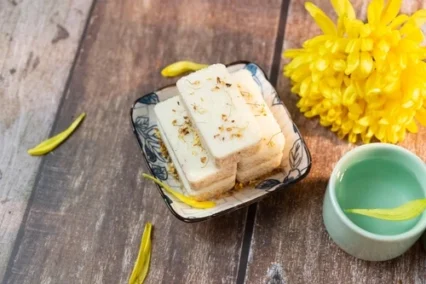
Food is inseparable from Simbang Gabi, both in the Philippines and in Australia. After each Mass, parishioners traditionally gather to share snacks and breakfast items before heading to work or school. In the Philippines, this includes puto bumbong (a purple glutinous rice cake steamed in bamboo tubes) and bibingka (a coconut rice cake cooked over charcoal), both sold by vendors stationed outside churches.
Australian parishes have found creative ways to recreate this experience. Community groups and local Filipino bakeries often supply puto bumbong and bibingka for sale after Mass, and parish halls frequently host informal gatherings where families share homemade dishes. These post-Mass meals have become just as central to the Australian version of the tradition as the liturgy itself, offering a sensory connection to home through taste and smell that’s hard to replicate any other way.
How has Simbang Gabi grown within Australian Catholic parishes?
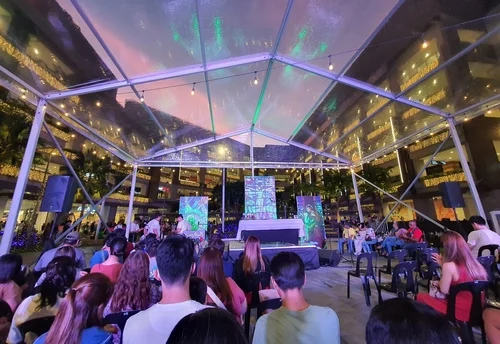
As the Filipino Australian population has grown, so too has the visibility of Simbang Gabi within mainstream parish life. Many churches now actively promote the novena to their wider congregations, not just Filipino parishioners, recognising it as a meaningful addition to the broader Advent season. Some parishes decorate with parols, the star-shaped Filipino Christmas lanterns, and incorporate Filipino hymns and readings into the liturgy.
This growing integration reflects a wider pattern seen across multicultural Australia, where migrant traditions gradually become woven into local community calendars rather than existing solely within their own cultural enclaves.
Keeping tradition alive across generations and distance
Simbang Gabi in Australia is a reminder that traditions don’t need to be practised exactly as they were back home to remain meaningful. Filipino Australian communities have shown that adapting a centuries-old custom to a new setting, whether that means shifting Mass times, sourcing traditional food locally, or welcoming non-Filipino parishioners into the celebration, doesn’t dilute its significance. If anything, it strengthens it, creating a version of the tradition that belongs as much to Australia as it does to the Philippines.
For families navigating life across two countries, moments like these matter. Whether it’s gathering for a dawn Mass, sending remittances home for the holidays, or simply staying connected across time zones, the small rituals that bridge distance often carry the most meaning.

Frequently asked questions
What is Simbang Gabi?
Simbang Gabi is a nine-day novena of Masses celebrated by Filipino Catholics from 16–24 December, traditionally held before dawn and culminating on Christmas Eve.
Why is Simbang Gabi held in the evening in Australia instead of dawn?
Many Australian parishes shift Simbang Gabi Masses to the evening to accommodate working families and school schedules, since the traditional pre-dawn timing is less practical outside the Philippines.
Do you have to attend all nine Masses to participate?
No, there’s no requirement to attend every Mass, though many devotees aim to complete all nine as an act of devotion, a practice some believe is tied to having a wish or prayer granted.
What food is traditionally eaten during Simbang Gabi?
Puto bumbong and bibingka, both rice-based cakes, are the most traditional foods served after Mass, and Filipino communities in Australia often source or make these locally to recreate the experience.
Is Simbang Gabi only for Filipino Catholics?
While it originates from Filipino Catholic tradition, many Australian parishes welcome all parishioners to join the Masses and celebrations, and the custom has increasingly become part of broader multicultural parish life.