Key Highlights
-
Omani wedding traditions mix faith, family, and good times all across Oman.
-
The wedding ceremony in Oman is set by Islamic customs, prayer, and the marriage contract.
-
Close family and the whole community often join in at every step.
-
The Malka is the day for the formal proposal and agreement before the wedding day.
-
Henna on the bride’s hands brings beauty, joy, and carries religious significance.
-
Music, attire, and the Omani wedding feast show warm hospitality and are a big part of Omani culture.
Introduction
Omani weddings give people from Australia a good look at the culture in the Middle East. Oman is on the south-eastern side of the Arabian Peninsula. Here, you will see quiet places in the desert, nice beaches, and strong religious ways. Omani weddings are more than something between a couple. They bring families close and show what is important for the whole community. Everyone can feel the shared happiness at these events. If you want to know how love, trust in faith, and old ways mix together, Omani weddings show you the heart of it in a way that is easy to remember.
Understanding Omani Wedding Traditions: An Overview for Australians
For people in Australia, Omani wedding traditions can seem a little like ones they know, but also a bit different. The main parts are all about faith, showing respect, and bringing two families together. In Oman, things often begin before the actual wedding day. There is a time for getting engaged, giving blessings, and close family helps with planning everything together.
What happens in a traditional wedding in Oman? There are a few main parts. These include the formal proposal, the Malka, henna parties, and then the marriage ceremony that follows Islamic ways. In Omani culture, a wedding is more than just for the two people getting married. The whole community is there to give help and support. In the next parts, you will see just how families and the whole community come together to share the joy in Oman.
The Role of Family and Community in Omani Weddings
In Oman, marriage is not just about two people. It is often seen as a bond between the bride’s family and the groom’s family. Both families play a big part in making plans, welcoming guests, and making sure to honour the couple. With this strong family focus, the event feels warm and strong.
You can see how the whole community is also part of the celebration. Wedding gatherings can be bigger than a private party, as the whole community gets to take part in the happiness. Hospitality is important, and guests are treated with care, food, and respect. This shows a lot about what life in Oman is like.
These big celebrations show values like loyalty, belonging, and care. Close family step in to help the bride and groom as they go into a new part of life. Neighbours and other relatives are there for support too. In this way, the wedding turns into a proud and happy moment for all.
Core Cultural Values Reflected in Wedding Celebrations
Omani culture puts a big focus on keeping dignity, showing kindness, and keeping peace in the group. You see this during weddings. From when people get there, they are looked after well. There are dates, coffee, perfume, and careful hosting. This shows that being a good host is more than just good manners in omani culture. It is a part of who they are.
The islamic faith also has a big part in these events. Marriage in oman is seen as very important. There is prayer and talk about what each person has to do. The omani way is not just about having a showy party. There are many customs that bring attention to having blessings, showing respect, and sharing the work that comes with marriage. This brings something extra and makes the day more meaningful.
There is also a big arabic sense of being together with others. Elders in the family, friends, and many other people all come. The celebration is one where everyone feels they belong, not just the person getting married. It balances joy and meaning in a way that many australians might remember for a long time. Hospitality, omani culture, perfume, and all these deep values come together for a special day.
Omani Engagement Traditions and the Malka Ceremony
Before the wedding day, there are engagement traditions in Oman that help lead to marriage. One big moment is the formal proposal. This is when both families talk about the match and start to plan for the future. At this stage, families are respectful, and both sides work to agree on everything.
The Malka is another key step before the wedding day in Oman. It means both sides have agreed, and it connects to the marriage contract. In simple words, the Malka makes the relationship official before the big party. To get a clearer view, you can look at the process one step at a time.
Step-by-Step Guide to the Malka (Engagement Ceremony)
The Malka is the part of the wedding when the path to marriage gets confirmed. It starts with the groom’s proposal and then talks between the two families. These talks help to make sure all expectations are clear, open, and respectful. This is not just a simple chat. It is done in a proper and formal way.
Key parts of the Malka are:
-
Families make a verbal agreement when they accept the groom’s formal proposal.
-
The families talk about things like the dowry and other steps needed for the wedding.
-
The marriage contract gets planned out, so everyone knows the commitment is real.
For people in Australia, the easiest way to know what Malka means is to think of it as a serious family-backed engagement. It stands out because it means something in both legal and religious ways. It is not as big or loud as the wedding day, but there is great meaning in it. It lays the ground for all the wedding day traditions that happen later.
Pre-Wedding Rituals and Customs Unique to Oman
In Oman, the time before a wedding is calmer and feels closer. These pre-wedding rituals help people get ready for the main day. Engagement customs like the Malka are all about two people saying yes, both families giving their support, and starting the proper steps towards marriage. When you get to the wedding day, the focus turns to the ceremony and a big party with everyone.
One well-known part is the henna night. At this event, women draw henna on the bride’s hands with careful, real detail. These pretty patterns are tied to good luck, hope, and happy times ahead. Some say they also bring fertility. The party feels warm and busy, with songs, the smell of perfume, and everyone sharing advice.
These special parties are more than just fun. They are important for religious reasons too. They help the bride get ready in her heart and in front of her friends and family for married life. It is good for Australians to see this: in Oman, the time before the wedding is about getting ready and showing commitment. The wedding day is when everyone sees the couple join as one, and this follows with joy and big celebrations.
The Main Wedding Day: Ceremony Structure and Rituals
The wedding day in Oman mixes faith and a planned party. The main part of the Omani wedding ceremony is signing the marriage contract. An imam leads this, and it follows Islamic law. That way, the wedding stays about faith, what people should do, and the right way to start a life as a married couple.
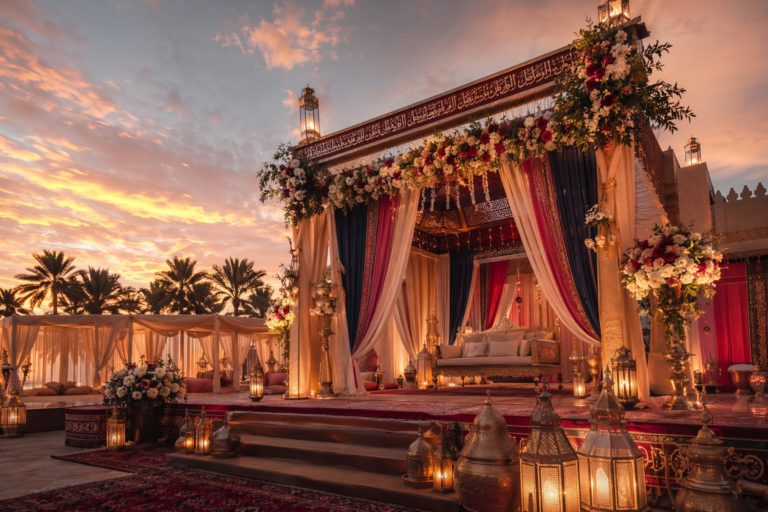
The rest of the day can take place at a mosque, a wedding hall, a resort, or any other venue the families pick. A wedding planner might help organise things, sort out the decorations, and look after the guests, especially at more modern weddings. Even so, the religious side is always the key focus, as the next part will show.
Incorporating Islamic Customs into Omani Weddings
Islamic customs are part of Omani weddings right from the start. In these weddings, the marriage is seen as a serious bond under Islamic law, not just a social matter. This is the reason why there are prayers, a lawful agreement, and talks about what the couple’s duties are to each other. The setting for the ceremony might be simple, but the meaning behind it is strong.
An imam often leads or watches over the formal parts. The imam’s speech shares religious guidance and tells the couple of their marital duties. Prayer and the recitation help set the mood, so the event feels like a sacred time, not just a show.
Many times, verses from the Quran, like the first chapter of the Quran, will be said to give blessing and create a special feeling. It does not matter if it all happens in a mosque or in some other approved place—the union is always based in faith.
Key Traditional Wedding Rituals Practised Across Oman
Across Oman, several rituals appear again and again, even when families add modern touches. The key traditional wedding rituals in Oman include the Malka, henna gatherings, prayer-led ceremonies, and the signing of the marriage contract. These old customs help connect the couple to family history and shared values.
Some visible traditions also carry cultural symbolism. Men’s formal dress may include daggers as a sign of honour and heritage. Guests are commonly welcomed with coffee, dates, and a sweet treat, showing the importance of generosity and respect.
|
Ritual |
Meaning in Omani wedding traditions |
|---|---|
|
Malka |
Formal engagement step that confirms the union before the wedding |
|
Henna night |
Pre-wedding gathering where the bride’s hands are decorated |
|
Signing of the marriage contract |
Legal and religious confirmation of the marriage |
|
Traditional attire with daggers |
Symbol of heritage, honour, and identity |
|
Serving coffee, dates, and sweet treat |
Expression of hospitality and welcome |
Special Elements: Attire, Music, and Cuisine
Besides the ceremony, Omani weddings stand out because of their many rich and memorable details. The attire, music, and the food like an Omani wedding feast all show identity, joy, and also status. They are always picked with care, but they still look and feel elegant, not too much or over the top.
At these weddings, you might see people in clothes with careful embroidery. You could hear a live band playing with traditional instruments. The Omani wedding feast is famous for being generous and good. All these things together show what real hospitality is in Omani weddings. If you want to know what makes them special, the next parts will look at each one, step by step.
Traditional Bridal Wear and Men’s Attire in Oman
Traditional wedding clothes in Oman show modesty and have fine detail. The style is graceful and clear. Brides often choose gowns that flow, taking after the look of an abaya. Many of these dresses use silk, satin, or chiffon. You can see gold or silver embroidery in the gowns to give depth. This embroidery brings life to the look without making it feel too heavy. Some brides pick ivory for their dress. Others like to use bright colours, at least in the early events before the big day.
You may notice the bride’s hands with skillful henna. This art of henna becomes part of her whole look. Jewellery, perfume, and the right fabric choices all come together. All this effort gives her a neat and special look. The real beauty in Oman’s traditional wedding is how it blends its past with a touch of new style.
For men, what they wear is also packed with meaning. The groom usually wears a classic dishdasha, sometimes with a kumma or a mussar. At some weddings, you will see a ceremonial dagger. This dagger sits by his outfit as a sign of Oman’s old ways. At some big wedding parties now, the groom might later put on a Western suit.
Music, Dance, and Entertainment at Omani Weddings
Music is key at Omani weddings. People use the oud and the tabla to add warmth and keep a good beat at and they bring a sense of local feel to the whole party. These instruments really help everyone feel the culture and they can make even the biggest place feel close and special.
Dance and movement often come from the music. At these weddings, guests might take part in fun group dancing and the energy will grow a lot as time goes by. At special parties before the wedding, like henna nights, people use songs and lots of laughter to make a small, cosy mood. But, at the main event, things can feel much larger and even more bold.
Modern omani weddings tend to have a mix of old and new fun. You can get a live band after the traditional music, usually at hotels or in bigger places. This is a way to show that while omani weddings have music and dance deep in the culture, there’s space for a mix of the old and what’s new too.
Popular Foods and Traditional Feasts at Wedding Celebrations
Food is one of the clearest ways to show welcome at an Omani wedding. At first, guests get dates, cardamom coffee, and rosewater. This starts the mood and shows the hospitality to come. It helps to make everyone feel they belong.
The Omani wedding feast is both big and filling. There is often rice, lamb, grilled fish, and desserts made with saffron. The meals are for sharing, which brings people together and adds to the feeling of the day. For Australians, the omani wedding feast is not just a side note. It holds real meaning and is at the heart of the event.
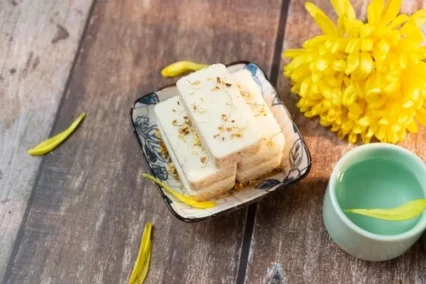
The sweet treat is what many people remember best. Omani halwa is loved by many and given to guests as a special delight. It is rich, smells good, and brings in flavours from the area. It finishes the meal with a taste that feels like home and shows real hospitality.
Conclusion
Omani wedding traditions are full of life and have many customs. These weddings show strong family bonds and involve a lot of people from the community. There are many special ways people come together to celebrate. If you are an Australian, learning about omani wedding traditions can give you a richer view of the world. It can also help you connect better with omani culture. You may want to know more because you are going to an omani wedding, or you are just curious about omani weddings. Taking time to get into these lovely traditions can be fun and give you a lot to think about. If you want to know more or want help being part of these ceremonies, feel free to get in touch for details. Your visit into omani weddings and all they have to give is right here, ready for you.
Frequently Asked Questions
Are there regional differences in Omani wedding traditions?
Yes, there are some differences in parts of Oman when it comes to wedding ceremony settings, style, and what people like. In Oman, people from the coast, mountains, or desert may make these events look or feel different. Still, old customs are a big part of Omani culture. No matter where you are, faith, family, and hospitality are at the heart of these weddings. These things link people from all over the country.
How have modern trends influenced Omani weddings?
New trends have changed how Omanis get ready for and hold weddings. Today, some families choose a wedding planner, book a wedding hall or a resort, and have a live band and modern look. But the old ways are still a big part of the day. These ways help couples start a new life together without letting go of their culture.
Can foreigners attend or participate in Omani weddings?
Foreigners can go to Omani weddings if they get an invite, like at a resort or a spot for destination weddings. Hospitality is very important at Omani weddings. So, people who come to the venue are usually welcomed with open arms. What female guests and others are expected to do can change, depending on the family, where the party is, or the kind of Omani weddings being held.