Quick answer: The Mid-Autumn Festival in 2026 falls on Wednesday, 2 September. It is one of the most important traditional celebrations in Chinese, Vietnamese, and many other Asian cultures—marked by family reunions, mooncakes, lanterns, and the full moon. Public events across Australia may be held on the surrounding weekend.
Each year, when the brightest full moon of autumn rises, millions of people across Asia and in communities around the world gather with family, share food, and look up at the same sky. The Mid-Autumn Festival is one of the most beloved traditional celebrations in Chinese culture and is observed in various forms across Vietnam, South Korea, Japan, and beyond.
In Australia, it is a living, growing part of community life. From the lantern festivals of Sydney’s Chinatown to community gatherings in Melbourne’s inner suburbs, the festival has found a genuine home in Australia’s multicultural cities. For Chinese-Australians, Vietnamese-Australians, and many other Asian-Australian families, it carries deep personal significance—a moment to reconnect, share food, and honour tradition.
This guide explains what the Mid-Autumn Festival is, why it matters, and how it is celebrated. It also covers the 2026 date, the foods and rituals associated with the occasion, and where Australians in major cities can experience it for themselves. Whether you are celebrating for the first time or returning to a tradition you have known your whole life, this guide is written for you.

When Is the Mid-Autumn Festival in 2026?
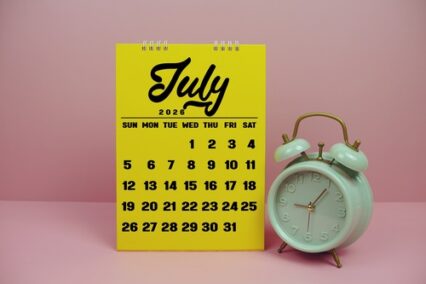
The Mid-Autumn Festival in 2026 falls on Wednesday, 2 September.
The festival is observed on the 15th day of the eighth month of the traditional Chinese lunisolar calendar. Because the lunisolar calendar does not align neatly with the Gregorian calendar used in everyday Australian life, the festival’s date shifts from year to year—falling anywhere between early September and early October.
The 15th day of the eighth lunar month is chosen because it marks the point when the moon is at its fullest and brightest. That full moon is central to everything the festival represents.
In Australia, community events and public celebrations often take place on the nearest weekend rather than on the festival date itself, which makes it easier for families and visitors to attend. If you are planning to go to an organised event in your city, check the event organiser’s schedule rather than assuming festivities will occur on 2 September specifically.

Mid-Autumn Festival 2026 Quick Facts
| Detail | Information |
| 2026 date | Wednesday, 2 September 2026 |
| Traditional calendar date | 15th day of the 8th lunar month |
| Common names | Mid-Autumn Festival, Moon Festival, Mooncake Festival; Tết Trung Thu (Vietnamese); Zhōngqiū Jié (Mandarin) |
| Major themes | Family reunion, harvest, gratitude, the full moon |
| Typical foods | Mooncakes, pomelo, taro, seasonal fruit, tea |
| Common activities | Gathering with family, admiring the moon, carrying lanterns, giving gifts, sharing meals |
What Is the Mid-Autumn Festival?
The Mid-Autumn Festival has been observed in China for well over a thousand years, with roots reaching back to ancient harvest celebrations and rituals connected to the moon.
During the Tang Dynasty (618–907 CE), moon-gazing became a refined cultural practice among the imperial court and the educated class. By the Song Dynasty (960–1279 CE), the festival had spread more broadly across Chinese society and taken on the character of a popular public celebration. Mooncakes, family meals, and the exchange of gifts all became established traditions over this period.
At its heart, the Mid-Autumn Festival is a celebration of harvest and abundance. The full moon of the eighth lunar month marks the end of the summer growing season and a time of gratitude for what the land has provided. It is also, fundamentally, a festival of reunion. The full moon—round, whole, and complete—became a powerful symbol for families coming together, and for those separated by distance to think of one another beneath the same bright sky.
The festival is not exclusive to Chinese culture. Vietnam, South Korea, Japan, and several other East and Southeast Asian countries observe related celebrations at the same time of year, each with their own distinct traditions and meanings.

Why Is the Moon Important During the Mid-Autumn Festival?
The full moon holds deep symbolic meaning throughout Chinese culture and in many other Asian traditions. Its roundness represents completeness and wholeness. Its brightness on the night of the festival, when it rises at its highest and fullest, makes it a natural focal point for gathering outdoors and reflecting.
The moon’s connection to reunion is perhaps the most resonant symbolism during the festival. Families who can be together gather to admire it; families separated by distance—whether by geography, migration, or circumstance—take comfort in the knowledge that they are looking at the same moon. This idea has particular meaning for diaspora communities, including many Chinese-Australians and Vietnamese-Australians whose extended families live across different countries.
The moon is also associated with prosperity, femininity, and the cycles of nature. In many traditional East Asian belief systems, the moon governs the rhythms of agriculture, the tides, and human life. Honouring the moon at the height of its brightness is, in that sense, an act of gratitude for the natural world.

The Story of Chang’e and the Moon
No retelling of the Mid-Autumn Festival is complete without mention of Chang’e, the Moon Goddess who is one of the most enduring figures in Chinese mythology.
There are multiple versions of the Chang’e legend, and they vary considerably across different sources and regions. The most widely known version goes something like this:
Long ago, there were ten suns in the sky, scorching the earth and threatening all life. A skilled archer named Hou Yi shot down nine of the suns, saving humanity. As a reward, he was given the elixir of immortality. Chang’e, his wife, drank the elixir—some versions say accidentally, others say deliberately—and floated up to the moon, where she has lived ever since.
A companion figure in the lunar mythology is the Jade Rabbit, who is said to live on the moon with Chang’e, perpetually pounding herbs with a mortar and pestle. The Jade Rabbit appears frequently in festival imagery and is a beloved figure in children’s stories and decorations.
These legends are cultural stories that have been retold and adapted over many centuries. They are not historical accounts, and different families and communities may know quite different versions. What connects them is the image of Chang’e looking down from the moon—and of people on Earth looking up at her light.

How Is the Mid-Autumn Festival Celebrated?
Family Gatherings
Spending time with family is the emotional centre of the Mid-Autumn Festival. For many families, it is one of the most important reunions of the year—comparable in significance to Christmas or Lunar New Year for those who observe them. Extended families come together for shared meals, conversation, and the simple act of being in one another’s company.
Admiring the Full Moon
Moon-gazing is one of the oldest and most peaceful traditions of the festival. Families and friends gather outdoors—in gardens, parks, or on balconies—to watch the moon rise and appreciate its light. Some communities hold formal moon-viewing gatherings, while others simply step outside after dinner.
Lighting and Carrying Lanterns
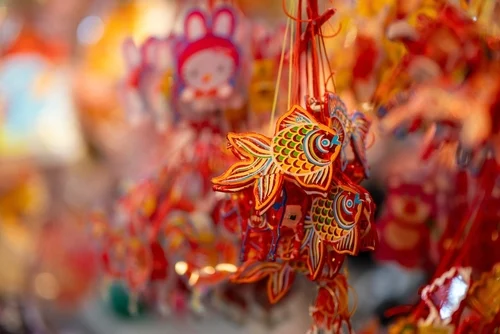
Lanterns are one of the most visually striking elements of the Mid-Autumn Festival. Children carry them through the streets, parks fill with lantern displays, and communities organise illuminated processions. Traditional lanterns were made from paper stretched over bamboo frames, often shaped like animals or flowers. Contemporary lanterns range from battery-powered plastic versions for young children to spectacular large-scale installations at public festivals.
Giving Gifts
Mooncakes are the most common gift exchanged during the festival, typically presented in ornate gift boxes. Other gifts—fruit, tea, and specialty foods—are also given, particularly to older relatives, teachers, and business associates. The presentation of a gift matters: packaging is often elaborate, and the act of giving reflects care and respect.
Eating Together
Sharing food is central to the festival in much the same way it is central to most important cultural celebrations. A family meal brings everyone to the table, and the foods served carry symbolic weight—mooncakes for reunion, pomelo for prosperity, taro for togetherness.

Mooncakes: The Food Most Associated With the Mid-Autumn Festival
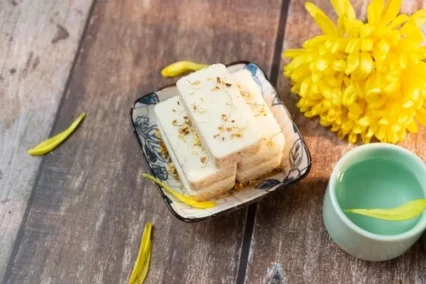
Mooncakes are round or rectangular pastries that have become the defining food of the Mid-Autumn Festival. They are typically dense and rich, with a thin pastry crust encasing a sweet filling. A whole salted egg yolk is often embedded in the centre, representing the full moon.
Common mooncake fillings include:
- Lotus seed paste – sweet, smooth, and considered a classic filling
- Red bean paste – slightly earthier and less sweet than lotus paste
- Mixed nuts and seeds – a denser, textured filling common in Cantonese tradition
- Salted egg yolk – often paired with lotus or red bean paste; the yolk gives a savoury contrast
- Contemporary flavours – in recent years, bakeries in China, Hong Kong, and Australia have introduced fillings such as custard, matcha, chocolate, durian, and ice cream
Mooncake traditions vary considerably by region. Cantonese-style mooncakes are the most widely recognised in Australia, but Shanghainese, Suzhou, and other regional styles have their own distinct pastry and filling traditions. Vietnamese mooncakes (bánh trung thu) also differ in style—some have flaky pastry rather than a baked crust, and fillings may include mung bean, taro, or other ingredients.
For Australians buying mooncakes for the first time, here is what to know:
- Mooncakes typically appear in Asian supermarkets, Chinese and Vietnamese bakeries, and some department stores four to six weeks before the festival. In 2026, expect them in shops from late July or early August.
- They are sold individually and in gift boxes, usually containing four to eight mooncakes. A gift box is the traditional way to give them; buying individual mooncakes works well if you want to try a few flavours first.
- Check the filling and the presence of egg yolk before purchasing—people have strong preferences, and salted egg yolk is not to everyone’s taste.
- Mooncakes are rich and filling. One is usually enough for a serving, and they are best shared.

Other Foods Eaten During the Mid-Autumn Festival
Mooncakes may attract the most attention, but the Mid-Autumn Festival table holds more than one dish.
Pomelo (a large citrus fruit similar to grapefruit) is strongly associated with the festival in Chinese tradition. Its name in Cantonese sounds similar to words for protection and blessing, and its round shape echoes the symbolism of the full moon. Pomelos appear in supermarkets and Asian grocers in the lead-up to the festival.
Taro is eaten in various forms during the festival, particularly in southern China. Taro cakes, steamed taro, or taro-based desserts may be served as part of a family meal.
Seasonal fruit is often placed on the table as an offering or shared after dinner. Grapes, star fruit, and persimmons are all common depending on the family’s regional background.
Tea plays an important role in the mid-autumn celebration, both as a beverage to balance the richness of mooncakes and as part of the broader culture of sharing and hospitality. Pu-erh, oolong, and jasmine teas are commonly served.
What appears on any particular table depends on the family’s background, regional tradition, and personal preference. These are general tendencies, not universal rules.

Mid-Autumn Festival in Australia
Australia is home to one of the largest Chinese-heritage populations outside of Asia, as well as significant Vietnamese, Malaysian, Singaporean, and other Asian-Australian communities. The Mid-Autumn Festival is observed across the country—in family homes, community halls, restaurants, cultural centres, and public parks.
In cities with established Chinatown precincts—most notably Sydney and Melbourne—the festival has a visible public presence. Lantern displays, cultural performances, market stalls, and community events bring thousands of people together each year. Outer suburbs with large Chinese or Vietnamese populations often hold their own neighbourhood celebrations.
Shopping centres in areas with significant Asian-Australian communities typically stock mooncakes in the weeks leading up to the festival, and some hold small in-store events or displays. Restaurants offer special menus, and community organisations—including Buddhist temples, cultural associations, and language schools—may host their own gatherings.
What makes Mid-Autumn Festival in Australia distinctive is the way it sits within a multicultural context. Celebrations often bring together people from multiple Asian backgrounds, and many events are explicitly open to the broader community. The festival has become part of the shared cultural fabric of cities like Sydney, Melbourne, and Brisbane—something many non-Asian Australians attend and enjoy each year.

Where to Celebrate Mid-Autumn Festival 2026 in Australia
Important note on 2026 event listings: Many councils and cultural organisations confirm their 2026 programs in the months closer to the festival. The information below reflects what is typically available in each city and points you towards the right organisations to check for official 2026 announcements. Do not rely solely on this guide for specific dates and times—always verify with the official event organiser before you travel.
Sydney
Sydney has some of Australia’s most established Mid-Autumn Festival events, centred on Dixon Street in Haymarket (Chinatown) and surrounding areas. The City of Sydney Council typically organises lantern displays and cultural performances in Chinatown, and the Lunar New Year and Mid-Autumn festivals are both significant in the council’s cultural events calendar.
Where to look for 2026 Sydney events:
- City of Sydney Events
- Chinatown Sydney social media pages
- Sydney Living Museums cultural program
Sydney events typically include lantern displays, lion dances, food stalls, and free outdoor entertainment. They are well-suited to families with children. Public transport to Chinatown is straightforward via Town Hall station on the T1, T2, T3, T4, and T8 lines.
Melbourne
Melbourne’s Chinatown on Little Bourke Street is one of the oldest in the world, and the surrounding Swanston Street precinct hosts regular cultural events throughout the year. The City of Melbourne and local cultural organisations typically mark the Mid-Autumn Festival with public celebrations.
Where to look for 2026 Melbourne events:
- City of Melbourne What’s On
- Chinese Museum Melbourne
- Multicultural Arts Victoria
Suburbs including Box Hill, Glen Waverley, and Footscray—all areas with large Chinese and Vietnamese communities—may also hold local celebrations. Check with local councils and community centres for neighbourhood events.
Brisbane
Brisbane’s Chinatown Mall in Fortitude Valley is the traditional hub for Chinese-Australian cultural events in Queensland. The City of Brisbane and community organisations typically mark the Mid-Autumn Festival with lantern displays and cultural activities.
Where to look for 2026 Brisbane events:
- Brisbane City Council Events
- Fortitude Valley Chinatown precinct
- Queensland Chinese Chamber of Commerce

Perth
Perth has a substantial Chinese-Australian community, and the Northbridge area hosts many of the city’s multicultural events. The City of Perth and community organisations have historically marked the Mid-Autumn Festival with public celebrations.
Where to look for 2026 Perth events:
- City of Perth Events
- Northbridge Piazza program
- Chinese community organisations in WA
Adelaide
Adelaide’s Chinatown on Gouger Street is a popular dining and cultural precinct. The City of Adelaide and local organisations mark various Asian cultural celebrations throughout the year.
Where to look for 2026 Adelaide events:
- City of Adelaide What’s On
- Adelaide Chinatown precinct
- South Australian Chinese community organisations
Canberra and Other Australian Cities
Canberra’s multicultural community celebrates a range of Asian festivals, and the ACT Government’s cultural events program often includes Mid-Autumn Festival activities. Darwin, Cairns, and regional cities with Vietnamese and Chinese communities may also hold local celebrations.
Where to look:
- Visit Canberra Events
- Local council websites in your area
- Community organisations and cultural associations

Vietnamese Mid-Autumn Festival Traditions in Australia
In Vietnamese tradition, the Mid-Autumn Festival is known as Tết Trung Thu and carries distinct cultural meanings and practices—particularly for children.
Tết Trung Thu is sometimes called the Children’s Festival in Vietnam, where it is an occasion to celebrate children with special lanterns, gifts, and activities. Historically, after the busy harvest season, parents had more time to spend with their children, and the festival became associated with family, particularly the bond between parents and children.
Vietnamese Mid-Autumn Festival traditions include:
- Children carrying lanterns in processions, often star-shaped or shaped like fish, butterflies, and other animals
- Lion and dragon dances, performed in streets and community spaces
- Family meals bringing extended families together
- Mooncakes (bánh trung thu), which in Vietnamese tradition often have flaky pastry and may include fillings such as mung bean, lotus, or durian
In Australian cities with significant Vietnamese communities—including Cabramatta in Sydney, Springvale in Melbourne, and Inala in Brisbane—Tết Trung Thu events are held each year, often organised by Vietnamese community associations, Buddhist temples, and cultural groups.
Vietnamese and Chinese Mid-Autumn celebrations share the timing, the moon symbolism, and many of the same foods. But they are distinct cultural traditions with their own histories, meanings, and practices. It is worth recognising both, rather than treating them as interchangeable.

How to Celebrate Mid-Autumn Festival at Home in Australia
You do not need to attend a large public event to mark the Mid-Autumn Festival. Here are seven practical ways to celebrate at home, whether you are reconnecting with a family tradition or exploring the festival for the first time.
- Share mooncakes with family or friends. Buy a small selection of different flavours and try them together over tea. Start with classic lotus paste or red bean before moving on to contemporary varieties.
- Organise an evening meal. Gather the people important to you for a home-cooked dinner. The menu does not need to be elaborate—the act of sitting together is what matters.
- Drink Chinese or Vietnamese tea. A pot of oolong, jasmine, or pu-erh tea pairs beautifully with mooncakes and creates a sense of occasion.
- Make lanterns with children. Simple paper lantern kits are available from craft stores and Asian specialty shops. Making them together is a meaningful activity for families with young children.
- Learn about the legends. Read the story of Chang’e and the Moon to children, or explore it yourself. There are many beautifully illustrated versions available from libraries and bookshops.
- Go outside to view the moon. On the night of 2 September 2026, the moon will be at its fullest. Find a clear spot—a balcony, a garden, or a local park—and take a few minutes to look up.
- Attend a local community celebration. Many community events are free and open to everyone. Attending is one of the best ways to understand the festival beyond what any article can convey.
If you are participating in the festival for the first time, approach it with genuine curiosity and respect. Ask questions, listen to the people around you, and appreciate that you are sharing in something that carries deep personal meaning for many families.

Where to Buy Mooncakes in Australia
Mooncakes are more widely available in Australia than they were even a decade ago. Here is where to look:
- Asian supermarkets – The most reliable source. Chains such as Asian Grocery, Jinfeng, and Woolworths Asian-section stores (in relevant areas) typically stock a range of mooncakes in the weeks before the festival.
- Chinese and Vietnamese bakeries – Often the best place to find freshly made, high-quality mooncakes. Many bakeries produce their own house varieties.
- Specialty food retailers – Some specialty food and gift stores stock premium or imported mooncakes in elegant gift packaging.
- Department stores – David Jones and Myer locations in areas with significant Asian communities sometimes carry gift-boxed mooncakes during the festival season.
- Online retailers – Some Australian-based retailers sell mooncakes online for delivery. Check delivery times carefully given the product’s shelf life.
- Restaurants – Many Chinese and Vietnamese restaurants sell mooncakes for takeaway in the lead-up to the festival.
Mooncakes from established bakeries tend to appear four to six weeks before the festival, which means late July to early August in 2026. Demand can outpace supply for popular varieties, so it is worth shopping early if you have a preference.

Tips for Attending a Mid-Autumn Festival Event in Australia
Arrive early. Popular events in Sydney and Melbourne draw large crowds. Arriving 30 to 45 minutes before the main program starts gives you time to find a good spot and explore market stalls before they sell out.
Use public transport. Most large festival events are held in inner-city precincts well-served by trains and buses. Parking is limited and expensive near Chinatown areas in Sydney and Melbourne.
Bring the kids. Mid-Autumn Festival events are family-friendly. Children’s activities—lantern-making, lion dance performances, and craft stalls—are common features. Bring a pram if needed; most festival areas are accessible.
Dress for the evening. Spring evenings in Australia can be cool, particularly in Melbourne, Canberra, and at higher elevations. Bring a light jacket or layer up.
Expect queues at food stalls. Popular food vendors run out of stock. If there is a particular food you want to try, get there early.
Be considerate with photography. Festival events are visually spectacular and great to photograph. However, be respectful during performances and ceremonies—put away your phone when appropriate, and always ask before taking close-up photos of individuals, particularly children.
Respect cultural performances. Lion dances, dragon dances, and traditional performances carry cultural and sometimes spiritual significance. Watch attentively and follow the lead of the audience around you.
Check details before you travel. Event programs, times, and locations change. Always confirm current information with the official event organiser before making travel plans.

Mid-Autumn Festival 2026 FAQs
When is the Mid-Autumn Festival in 2026?
The Mid-Autumn Festival in 2026 falls on Wednesday, 2 September. Public events in Australian cities may be held on the nearest weekend—check official event listings for specific dates.
Is the Mid-Autumn Festival a public holiday in Australia?
No. The Mid-Autumn Festival is not a public holiday in any Australian state or territory. It is a cultural celebration observed within communities, and most people attend events or gather with family outside of work hours.
Is the Mid-Autumn Festival the same as Chinese New Year?
No. These are two completely different festivals. Chinese New Year (Lunar New Year) falls in January or February and marks the start of a new year in the lunisolar calendar. The Mid-Autumn Festival falls in August or September and celebrates the harvest and the full moon. They share some cultural elements—family gatherings, special foods, and community events—but they have distinct traditions, histories, and meanings.
Why do people eat mooncakes during the Mid-Autumn Festival?
Mooncakes are associated with reunion and the full moon. Their round shape mirrors the full moon, symbolising wholeness and family togetherness. Sharing mooncakes with family or giving them as gifts is a way of expressing care and connection during the festival. The tradition of gifting mooncakes has been traced back to the Song Dynasty.
Can anyone celebrate the Mid-Autumn Festival?
Yes. Community events across Australia are generally open to people of all backgrounds, and organisers welcome visitors who want to learn about and enjoy the festival. The most important thing is to approach the occasion with genuine respect and curiosity—attend to experience and understand, not just to consume or photograph.
Where can I celebrate the Mid-Autumn Festival in Australia?
Sydney, Melbourne, Brisbane, Perth, and Adelaide all hold community events and lantern festivals each year. Chinatown precincts are the most established gathering points in Sydney and Melbourne. Suburbs with significant Chinese or Vietnamese communities often hold their own neighbourhood celebrations. See the city-by-city section above, and check official council and community organisation websites for confirmed 2026 events.
Celebrating Mid-Autumn Festival 2026 in Australia
The Mid-Autumn Festival is, at its core, about the same things that bring people together everywhere: family, food, gratitude, and the simple pleasure of sitting together under an open sky.
For Chinese-Australians and Vietnamese-Australians, it connects them to home and heritage—a thread running between generations and across oceans. For Australians encountering the festival for the first time, it is a genuine opportunity to understand something meaningful about the communities that make up this country.
Whether you plan to attend a lantern festival in Chinatown, share mooncakes with friends, or simply step outside on the night of 2 September to watch the moon rise, there is something in this festival for everyone.
One final practical reminder: event programs, locations, and opening times can and do change. Before you make plans to travel to any event, check the official website or social media pages of the organiser for the most current information.
How we researched this guide: This article was developed using information from cultural organisations, community event histories, and publicly available sources on Chinese and Vietnamese cultural traditions. Event information is based on historically recurring festivals and directs readers to official sources for 2026 confirmation. Readers should verify all event details directly with organisers before attending.