Key Highlights
-
Kenyan wedding traditions often mix church ceremonies with cultural acts and lots of family help.
-
A Kenyan wedding may kick off much later than you plan, which can matter if you do event planning.
-
Dowry negotiations and the bride price can sometimes happen on the day of the ceremony.
-
The bride’s family and the groom’s family both help shape what happens on the big day.
-
Music, dance, and acts full of meaning help show the couple’s new life together.
-
Community values stay at the heart of things, even at modern city weddings.
Introduction
If you are an Australian who wants to know more about wedding traditions in Kenya, you should know that these celebrations can be very different from what you are used to back home. A kenyan wedding often puts family, elders, and their wedding customs at the heart of the day. For an international tourist, this can be surprising, touching, and sometimes a bit confusing. But once you get the hang of how they do things, you will see why kenyan wedding traditions are such a big part of the culture, and how they help people feel like they belong. A kenyan heritage experience shows that these weddings mean a lot to everyone there.
Overview of Kenyan Wedding Traditions for Australians
Many kenyan marriages mix a formal ceremony with family traditions. In the story behind this article, there was a Christian service with vows and advice from the pastor, a lot like many church weddings. But on this day, the whole event was not just about the church.
What stands out in cultural weddings the most is the part played by the bride’s family and their ethnic group. People often see long waits, big public celebrations, singing, dancing, and talking about the dowry that can go on up to the last minute. All of this together makes kenyan marriages feel full of layers, close, and very tied to culture.
The Role of Culture and Community in Kenyan Marriages
In many Kenyan marriages, the bride’s family and the groom’s family do more than just show up. The families help set how the day goes. They give advice, say yes to choices, and can change the mood of the celebration. For Australians, knowing this is the right knowledge to have before going to a wedding like this.
At one wedding, the source says, male family members from the bride’s side locked the bride behind a gate and waited until there was more dowry agreed. That may sound over the top, but it’s a good example of how strong the old cultural ceremonies can be on the wedding day. Elders and family do not just fade into the background.
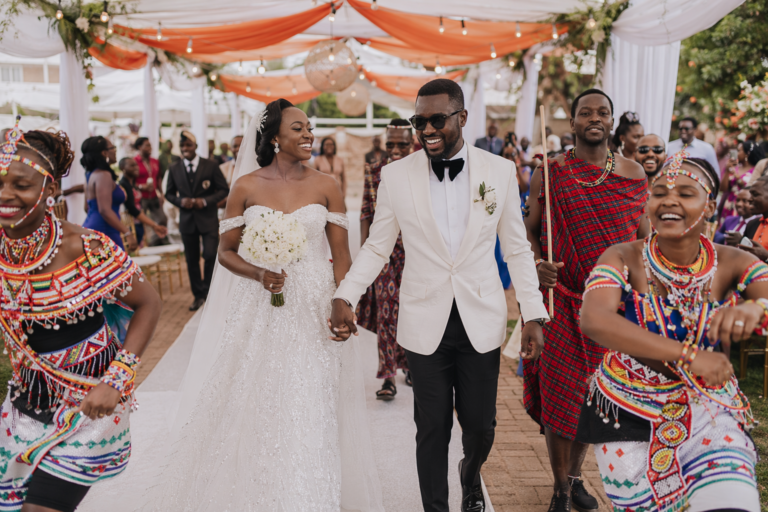
Also, the whole celebration is about groups of people coming together. The two families sing and dance and make the wedding reception lively. Even things like a bed brought in with singing and special wedding sounds, show just how much marriage, family, and a couple moving into a new part of life, mean to everyone.
[bride’s family], [groom’s family], [wedding reception], [right knowledge], [kenyan marriages], [cultural ceremonies]
Key Differences Between Kenyan and Australian Wedding Customs
If you are used to how things go in Australia, you might be surprised at just how much timing can change. People say weddings set for 10AM often don’t start until well after 2PM. This change really affects guests, vendors, and basic event management in a big way.
There’s also a clear difference in the part that big family groups and wedding traditions play. In Australia, it’s common for couples to handle the flow themselves. In Kenya, it is often the relatives or elders who get the last word, especially when there are old wedding traditions in play. This does shape the ideas about who wears what for cultural wedding attire, how people take part, and the order of things during the day.
-
Start times may be treated more loosely than in Australia.
-
Dowry talks can still go on during the big day.
-
Family might sing or dance during the event.
-
Important wedding traditions and symbolic customs stay strong, even when new or own customs are used in the city.
These small things will shape wedding traditions and event management in their own way.
Understanding the Dowry Tradition in Kenya
For many people in Australia, one of the biggest things they notice is how important dowry negotiations are. In the stories, these talks did not always finish early. Sometimes they would still be talking right up to the wedding. The bride price could even be what holds things up for a long time.
So, the payment of dowry is not just a small thing. It can be one of the main steps in the whole wedding. The bride’s family might ask for cash or goods again, even right before she goes to the ceremony. This makes the exchange a real rite passage in the wedding.
How Dowry is Negotiated and Presented
The source account shows dowry negotiations as active, family-led, and sometimes tense. In one case, male relatives from the bride’s family kept the bride hidden inside a locked compound. Their aim was simple: more cash and in-kind items from the groom family before the wedding could proceed.
That means paying of the bride price may happen in stages, not always as one settled exchange. Earlier talks can exist, yet some relatives may still push for more on the day. From an outsider’s view, this can look sudden. Within the wedding setting, it reflects the authority of family.
|
Community or setting |
What the compiled information supports |
|---|---|
|
General Kenyan wedding |
Dowry negotiations may continue close to the ceremony. |
|
Bride’s family role |
Male relatives may hold firm until terms are accepted. |
|
Groom family role |
The groom family may need to meet added requests in cash and kind. |
|
Presentation style |
The bride may be released only after agreement is reached. |
Cultural Significance of Dowry in Kenyan Families
Dowry is about more than just money. It is seen as a crucial aspect of an African wedding tradition because it shows that marriage is about two families, not just two people. The bride’s family often want the dowry to be sorted out before the public part of the wedding starts.
When you look at it like this, the custom is about leaving the bride’s family home and going into a new life together. The bride can wait near her bride’s mother house or another family area, but that break in time means something. It is a way for everyone to see that the marriage is started through family recognition.
For Australians, it is all about respect. You might not need to do this practice, but you can still understand why it matters. In many weddings, dowry helps the families welcome the couple into their new life and take on their new responsibilities.
Distinctive Wedding Customs Among Kenyan Communities
A Kenyan wedding does not follow just one way of doing things. Kenya is full of diverse tradition, and what happens at a wedding can change a lot. It depends on the ethnic group, what the family wants, and if the day is more church-like or very traditional. This is good for Australians to know, as they might think there is a standard type.
Even if we have only a few examples, it is easy to see that there is not just one list of cultural wedding ideas that suits every couple. What comes up often, though, is respect for family authority, lots of music, important acts that stand for something, and showing respect for elders. In the next parts, we talk about how communities are talked about within all this wide mix.
Maasai, Kikuyu, and Luo Wedding Rituals
The source does not give a clear step-by-step guide for rituals in each group, so you should not think that every family will do things the same way. But, when people talk about the maasai community, a kikuyu cultural wedding, or about weddings in luo land, they usually talk about events shaped by who the people are, what families say, and what is seen as normal custom.
There is something that stays the same in all stories—relatives, elders, and what they do in public matter. No matter if it is in the Rift Valley, Nairobi, or another place, women elders and other family members can do things that keep what is important to the community.
-
Family being a part of things is big here.
-
There will be song, dance, and loud ululations at important times.
-
There are actions that mean a lot, not just the formal vows.
-
Sometimes, plans change if family still need to sort out what is expected in the culture.
Unique Aspects of Nubian Wedding Celebrations
The information here does not talk about the exact Nubian wedding rites in detail. So, people in Australia should not think all weddings follow the same steps. What you can see is this: Kenyan communities, with the nubian community as one, want to keep their customs in weddings. These customs are important and help make the wedding feel different from just a church service.
When you look at it, event planners and guests need to be ready for celebration styles that feel more about everyone together and have more meaning than what you might know from Western weddings. There can be traditional festivals, special things used for decorations like sisal baskets and cowrie shells, and a lot more group involvement. Couples may live in the city, but they still hold on to these traditions as it matters to them.
-
Community identity may shape the whole event.
-
Decorative traditions can be seen everywhere, from sisal baskets to cowrie shells in these settings.
-
Family performance may be part of the celebration.
-
Guests should stay open-minded and show respect for local customs.
Conclusion
To sum up, knowing about wedding traditions in Kenya can help you better enjoy the culture and your time as an Australian guest at a Kenyan wedding. The bright rituals of groups like the Maasai and Kikuyu show story and history. Things like dowry negotiations are also a big part of the day. Each part of the tradition means a lot to the people there. When you go along with these local ways at a Kenyan wedding, you show respect for the couple and their families. It helps bring the two cultures closer, too. If you get a chance to go, try to find out more about the wedding traditions. This helps you get involved and feel the happiness on the day. Take part in the fun. Celebrate love in Kenya as we come together and share in the joy.
Frequently Asked Questions
What is the “missing bride” tradition in Kenyan weddings?
In a kenyan wedding, sometimes the bride’s family hides her until they get more dowry. This is a part of kenyan wedding traditions and works as a kind of rite passage for marriage deals. For guests and event planning, this is why there can be long delays before the ceremony starts.
How are music and dance integrated into Kenyan wedding festivities?
Music and dance were a big part of the ceremony and the wedding reception. Family and friends got up in groups to sing, dance, and help celebrate the couple. The happy wedding procession feeling stayed strong during the whole event. You could hear ululations and see special displays that gave the day a real buzz, more than what you get from decorations alone.
Do Kenyan family traditions play a big part in weddings?
Yes. In many Kenyan marriages, the groom family and bride’s family help guide big choices, the timing, and the cultural ceremonies. The account also shows that relatives, including women elders or clan elders, still have a lot of say. Their help means tradition is still at the heart, even with modern urban weddings.