Quick answer: Navratri and Dussehra (Vijayadashami) are among the most widely celebrated festivals for Indian nationals living in the UAE. In 2026, the nine nights of Navratri are expected to fall around mid-to-late October, closing with Dussehra shortly after. Dubai, Sharjah, and Abu Dhabi typically host large-scale garba and dandiya nights, while temples in Bur Dubai and Jebel Ali hold daily pujas throughout the festival.
Indian nationals form the largest expatriate community in the UAE, and Navratri reflects just how deeply that community’s traditions have taken root here. For nine nights, dance floors across the country fill with colour, rhythm, and devotion as families and friends come together to honour the goddess Durga. The celebrations build toward Dussehra, also known as Vijayadashami, which marks the triumphant close of the festival.
If you’re planning to join the festivities, send gifts home, or simply want to understand what the season involves, this guide covers the dates, the events worth knowing about, and a few practical considerations around banking during the holiday period.
What is Navratri and why is it celebrated?
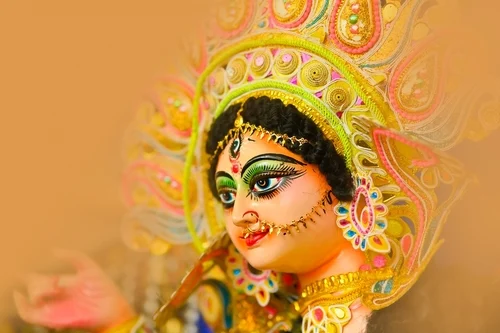
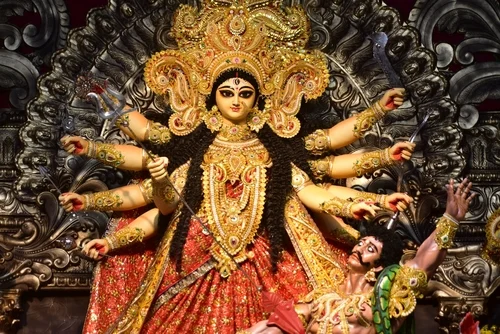
Navratri, meaning “nine nights,” is a Hindu festival dedicated to the goddess Durga and her many forms. Each night is traditionally associated with a different aspect of the goddess, and devotees mark the occasion with prayer, fasting, music, and dance. The festival concludes with Dussehra, which celebrates the victory of good over evil, most commonly represented by the triumph of Lord Rama over the demon king Ravana.
For the Indian diaspora in the UAE, Navratri is as much a cultural touchstone as a religious one. It’s an opportunity to reconnect with heritage, gather as a community, and pass traditions on to children growing up abroad.
When is Navratri and Dussehra in 2026?
Navratri follows the Hindu lunisolar calendar, so exact dates shift slightly each year. Based on the typical pattern, Navratri 2026 is expected to fall in October, with Dussehra following shortly after the ninth night. Because official dates are usually confirmed closer to the time by religious authorities and community organisations, it’s worth checking with your local temple or community group nearer the date to confirm the precise schedule for garba nights and puja timings.
How is Navratri celebrated across the UAE?
Given the size of the Indian expatriate community, Navratri celebrations in the UAE rival those held in India in scale and energy.
Where can you find garba nights in Dubai, Sharjah, and Abu Dhabi?
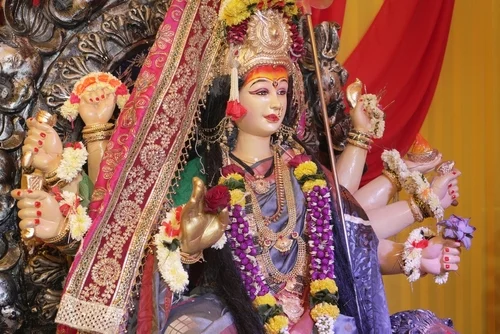
Large-scale garba and dandiya raas events take place across all three emirates during the nine nights. Community halls, sports clubs, and event venues in Dubai, Sharjah, and Abu Dhabi typically host organised nights featuring live music, traditional attire, and food stalls. These events draw thousands of attendees and are often organised by Indian cultural associations, making them accessible even to those new to the country.
Where are the main temple celebrations held?
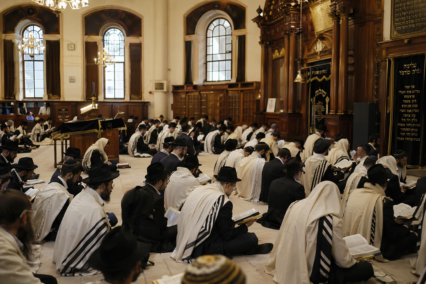
Hindu temples in Bur Dubai and Jebel Ali serve as focal points for religious observance during Navratri. Daily pujas are held throughout the nine nights, drawing devotees for prayer, offerings, and community gatherings. These temples are often at their busiest during this period, so arriving early is advisable if you plan to attend.
Why is Navratri linked to money transfers back home?
For many in the UAE’s Indian and Nepali communities, Navratri isn’t only a time of celebration in their adopted home. It’s also a period when families send money back to relatives in India and Nepal to cover the costs associated with the festival.
Common reasons for these seasonal transfers include:
- Puja costs: Contributing to the expenses of religious ceremonies and offerings held by family back home.
- New clothes: It’s customary to wear new outfits during Navratri and Dussehra, and many expatriates help fund these purchases for family members.
- Gifts: Exchanging gifts with relatives is a common part of the festival season.
- Family travel: Some family members travel to be with relatives during the celebrations, and travel costs are often shared or supported by those working abroad.
This pattern of remittances tends to increase in the weeks leading up to Navratri, reflecting the importance placed on ensuring loved ones back home can celebrate comfortably.

Are banks open in the UAE during Navratri and Dussehra?
Navratri and Dussehra aren’t public holidays in the UAE, which means UAE banks generally operate on their normal schedule during this period. This is worth keeping in mind if you’re planning to send money home for festival-related expenses, as you shouldn’t need to work around bank closures on the UAE side.
That said, if you’re sending funds to India or Nepal, it’s worth checking whether Dussehra falls on a public holiday in those countries, as banks and financial institutions there may have adjusted hours or closures around the festival. Planning transfers a few days in advance can help ensure funds arrive in time for any pre-festival preparations your family may be making.
Frequently Asked Questions
What is the difference between Navratri and Dussehra?
Navratri refers to the nine nights of worship dedicated to the goddess Durga, while Dussehra (also called Vijayadashami) is the tenth day that concludes the festival, marking the victory of good over evil.
Is Navratri a public holiday in the UAE?
No, Navratri and Dussehra are not official public holidays in the UAE. Banks, schools, and businesses typically operate as normal, though many community events and temple gatherings still take place in the evenings and on weekends.
Where can I celebrate Navratri in Dubai?
Numerous community halls, sports clubs, and event venues across Dubai host garba and dandiya nights during Navratri. These events are typically organised by Indian cultural associations and are open to the wider community.
Why do people send money home during Navratri?
Many expatriates send money to family in India and Nepal during Navratri to help cover festival-related costs, including puja expenses, new clothing, gifts, and family travel.
Should I send money home before or during Navratri?
Since banks in India and Nepal may have adjusted hours around Dussehra, it’s generally a good idea to plan transfers a few days ahead of the festival to make sure funds arrive in time for celebrations.
Planning ahead for the festival season
Navratri and Dussehra bring a distinct energy to the UAE each year, with garba floors, temple courtyards, and family homes all playing a part in the celebrations. Whether you’re attending your first dandiya night in Dubai or coordinating with family back home, a little planning around dates, venues, and any money you’re sending can help you enjoy the season without last-minute stress. Keep an eye on announcements from local temples and cultural associations closer to October 2026 for confirmed event dates and timings.