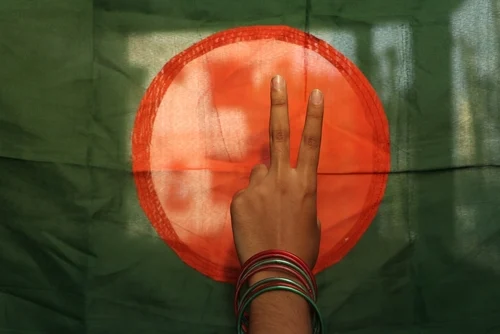
Quick answer: Victory Day, or Bijoy Dibos, falls on 16 December and marks Bangladesh’s independence following the 1971 Liberation War. In the United Arab Emirates, the day is observed by the country’s large Bangladeshi community through flag-raising ceremonies, cultural programmes, and gatherings that honour both national pride and the shared experience of living abroad.
Living far from home doesn’t mean letting go of the moments that matter. For the thousands of Bangladeshis who call the UAE home, Victory Day is one of those moments. It’s a date that carries deep historical weight and personal meaning, and every December, communities across Dubai, Abu Dhabi, and Sharjah come together to mark it in their own way.
This blog explores what Victory Day represents, why it holds such significance for Bangladeshi expatriates, and how the occasion is celebrated within the UAE. Whether you’re part of the community yourself or simply curious about the traditions that connect people to their roots, read on to learn more.

What is Bangladesh Victory Day and why is 16 December significant?
Victory Day, known locally as Bijoy Dibos, commemorates the end of the Bangladesh Liberation War in 1971. On this day, Bangladesh achieved independence after a nine-month conflict, becoming a sovereign nation. The date is one of the most important on the national calendar, standing alongside Independence Day as a symbol of resilience, sacrifice, and national identity.
For Bangladeshis, Victory Day isn’t just a historical anniversary. It’s a day of collective memory, honouring those who fought for freedom and reflecting on how far the nation has come since. Schools, government offices, and public spaces across Bangladesh close for the day, and the national flag is flown prominently in cities and villages alike.
Why does Victory Day matter to the Bangladeshi community in the UAE?
The UAE is home to one of the largest overseas Bangladeshi populations in the world. Many have built their careers, raised families, and put down roots in cities like Dubai and Abu Dhabi, while still holding on to the traditions that connect them to Bangladesh.
Victory Day offers a chance to reaffirm that connection. For first-generation expatriates, it’s an opportunity to pass down stories of national history to children who may have never lived in Bangladesh. For others, it’s simply a day to feel closer to home, surrounded by people who share the same heritage and understand what the date represents.
Community events also serve a practical purpose: they strengthen social bonds among expatriates who might otherwise feel isolated from family and familiar customs while living abroad.

How is Victory Day celebrated in the UAE?
Bangladeshi communities across the UAE mark Victory Day through a mix of formal and informal observances. Common traditions include:
- Flag-raising ceremonies: Community organisations and cultural associations often host ceremonies where the Bangladeshi flag is raised, accompanied by the national anthem.
- Cultural programmes: Events featuring traditional music, dance, and poetry recitals celebrate Bangladeshi heritage and keep cultural practices alive for younger generations.
- Community gatherings: Social clubs and expatriate associations organise dinners and get-togethers, giving families a chance to celebrate collectively.
- Embassy-hosted events: The Bangladesh Embassy and consulates in the UAE frequently host official functions, inviting community members to join in formal commemorations.
- Educational initiatives: Some organisations use the occasion to host talks or exhibitions on Bangladesh’s history, helping younger expatriates understand the significance of the day.
These events vary in scale, from small family gatherings to larger public celebrations, but they share a common thread: honouring a defining chapter in Bangladesh’s history while celebrating identity far from home.
What role do expatriate associations play in organising Victory Day events?
Bangladeshi expatriate associations are often the driving force behind Victory Day celebrations in the UAE. These organisations coordinate logistics, secure venues, and liaise with local authorities and embassy officials to ensure events run smoothly. They also act as a bridge between generations, encouraging younger community members born or raised in the UAE to participate in traditions that might otherwise feel distant.
Beyond Victory Day itself, these associations frequently organise events throughout the year, from cultural festivals to charitable initiatives, reflecting a broader commitment to maintaining community ties and supporting fellow expatriates.

Why does this matter for families living across borders?
For many expatriate families, days like Victory Day highlight a familiar reality: building a life abroad while staying connected to loved ones and traditions back home. Whether it’s through shared celebrations, phone calls with family in Bangladesh, or simply reflecting on a shared history, these moments of connection matter.
Observances like Victory Day remind us that distance doesn’t have to mean disconnection. Communities find ways to honour where they come from, even while building new lives elsewhere.
Frequently asked questions
When is Bangladesh Victory Day celebrated?
Victory Day is observed every year on 16 December, marking the anniversary of Bangladesh’s independence in 1971.
Is Victory Day a public holiday in the UAE?
Victory Day is not an official public holiday in the UAE, but it is widely observed by the Bangladeshi community through cultural events, embassy functions, and private gatherings.
How large is the Bangladeshi community in the UAE?
The UAE is home to a substantial Bangladeshi expatriate population, with communities well established in Dubai, Abu Dhabi, Sharjah, and other emirates.
What kinds of events take place on Victory Day in the UAE?
Common events include flag-raising ceremonies, cultural programmes featuring music and dance, embassy-hosted functions, and community dinners organised by expatriate associations.
Why is Victory Day important to Bangladeshi expatriates specifically?
For expatriates, Victory Day offers a chance to stay connected to national identity and history while living abroad, and to pass these traditions on to younger generations raised outside Bangladesh.
Celebrating heritage, wherever home may be
Victory Day is more than a date on the calendar. For the Bangladeshi community in the UAE, it’s a chance to honour history, strengthen community bonds, and keep traditions alive across generations. Whether through a formal ceremony or a quiet moment of reflection with family, the spirit of 16 December continues to resonate with those who carry Bangladesh’s story with them, wherever they call home.