

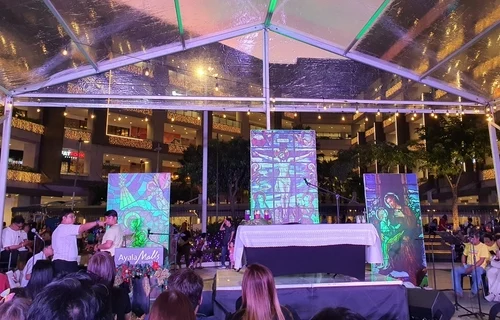
Quick answer: Simbang Gabi is a nine-day series of dawn Masses held from 16 to 24 December, rooted in Filipino Catholic tradition. In the UAE, the tradition is observed in parishes across the Emirates, drawing together the country’s large Filipino community for early morning worship, shared meals, and festive preparation ahead of Christmas.
For many Filipinos living and working abroad, December brings a familiar rhythm: the alarm clock rings before sunrise, and families and friends gather at church for the first of nine consecutive dawn Masses. This tradition, known as Simbang Gabi, has travelled far beyond the Philippines, and nowhere is that more visible than in the United Arab Emirates, home to one of the largest Filipino communities outside Southeast Asia.
Whether you’re new to this custom or simply curious about how it’s kept alive in the Gulf, this guide explains what Simbang Gabi is, why it matters, and how it unfolds in parishes across the UAE each December.
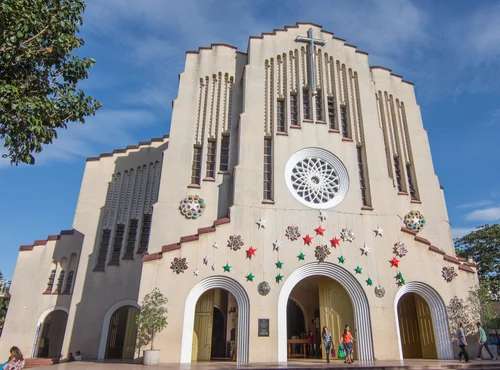
What does Simbang Gabi mean, and where does it come from?
Simbang Gabi translates roughly to “night Mass” in English, though it’s often referred to in English as “dawn Mass” because of the early hour at which it’s traditionally held. The custom dates back centuries to the Spanish colonial period in the Philippines, when Masses were scheduled before sunrise so farmers could attend before heading to work in the fields.
Over time, Simbang Gabi grew into one of the most cherished traditions in Filipino Catholic culture, marking the final stretch of Advent and building anticipation for Christmas Day. The nine-day novena of Masses, running from 16 to 24 December, culminates in the final dawn Mass on Christmas Eve, often followed by the Midnight Mass known as Misa de Gallo.
How is Simbang Gabi observed in the UAE?
The UAE is home to a substantial Filipino population, with many working across sectors such as healthcare, hospitality, construction, and business. For this community, Simbang Gabi offers a meaningful way to stay connected to home traditions while living thousands of miles away.
Catholic parishes across the Emirates—including churches in Abu Dhabi, Dubai, and Sharjah—host the nine-day series of dawn Masses each December. Because churches in the UAE often serve large, diverse congregations, Mass times are sometimes adjusted to accommodate shift workers and family schedules, while still preserving the spirit of early morning worship.
Attendees frequently arrive well before the service begins, dressed warmly against the Emirates’ cooler December mornings, and many stay afterwards to share food, catch up with friends, and enjoy the festive atmosphere building around them.
What happens during a typical Simbang Gabi Mass?
Each of the nine Masses follows a similar structure to a standard Catholic liturgy, with readings, hymns, and a homily, but with particular emphasis on themes of hope, waiting, and preparation for the birth of Christ. Churches are often decorated with Christmas lights, parols (star-shaped lanterns traditional in Filipino culture), and nativity displays.
In the UAE, parishes sometimes incorporate elements that reflect the multicultural nature of their congregations, while still honouring the Filipino roots of the tradition. Music plays a central role, with choirs frequently performing a mix of traditional Filipino Christmas carols and contemporary hymns.
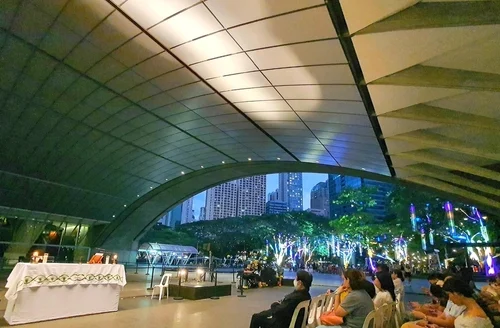
Why do people complete all nine Masses?
According to popular belief, completing all nine dawn Masses grants a wish or blessing to the devotee. While this isn’t official Catholic doctrine, it’s a widely held tradition that motivates many attendees to wake before dawn, day after day, for the full nine-day novena. For others, the appeal is less about superstition and more about discipline, devotion, and the sense of community that comes from gathering with fellow worshippers each morning.
Does food play a role in the Simbang Gabi tradition?
Yes. After each Mass, it’s common for parishioners to gather outside the church to enjoy traditional Filipino snacks and treats. Popular choices include bibingka (rice cake) and puto bumbong (purple rice cake), often sold by vendors just outside the church grounds. In the UAE, community groups and parish associations frequently organise similar food stalls, recreating a small taste of home for those attending.
Who typically attends Simbang Gabi in the UAE?
While Simbang Gabi is rooted in Filipino Catholic tradition, it’s not exclusive to any single group. Families, young professionals, and even members of other nationalities within the UAE’s diverse expatriate population have been known to join, drawn by the warmth of the celebration and the sense of togetherness it fosters during the Christmas season.
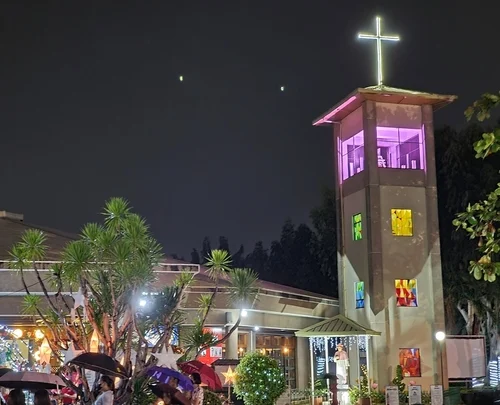
Why does this tradition matter so much to Filipinos living abroad?
For many overseas Filipinos, December can be a bittersweet month. It’s a time strongly associated with family gatherings, and being away from loved ones during the holidays isn’t always easy. Simbang Gabi offers a way to recreate a piece of home, providing both spiritual grounding and a sense of cultural continuity.
Communities often describe the tradition as a reminder that distance doesn’t have to mean disconnection. Gathering each dawn with familiar faces, familiar hymns, and familiar food helps maintain a thread back to the Philippines, even while building a life thousands of miles away.
Carrying tradition across borders
Simbang Gabi is a clear example of how cultural and religious traditions travel with communities as they move around the world. In the UAE, the nine-day dawn Masses have become a fixture of the December calendar for the Filipino community, offering structure, reflection, and connection during the lead-up to Christmas.
If you’re new to the UAE and curious about joining, local parishes typically publish Simbang Gabi schedules in early December. Checking with your nearest Catholic church is the easiest way to find Mass times and get involved in this long-standing tradition.
Frequently asked questions
When does Simbang Gabi take place?
Simbang Gabi runs for nine consecutive days, from 16 to 24 December, concluding on Christmas Eve.
Is Simbang Gabi only observed by Filipinos?
The tradition originates from Filipino Catholic culture, but people of other backgrounds often join, particularly in diverse countries such as the UAE.
What time are the Masses usually held?
Traditionally, Simbang Gabi Masses take place before sunrise, though in the UAE, some parishes adjust timing slightly to suit local work schedules while keeping the early-morning spirit intact.
Do you have to attend all nine Masses?
No, attendance isn’t compulsory. Many choose to attend all nine as a personal devotion or tradition, while others attend when they can.
Where can I find Simbang Gabi Mass times in the UAE?
Local Catholic parishes across Abu Dhabi, Dubai, and Sharjah typically publish their Simbang Gabi schedules in early December, so checking with your nearest church is the best way to plan your attendance.


