Quick answer: Pongal and Makar Sankranti are mid-January harvest festivals celebrated widely across the UAE’s Indian communities. Families mark the occasion with traditional sweets, kite-flying, and intricate kolam floor designs, bringing a slice of South Asian heritage to life in cities like Dubai, Abu Dhabi, and Sharjah.
For many families living far from home, festivals are a way to stay connected to tradition. In the UAE, where Indian expatriates make up one of the largest communities, mid-January brings a burst of colour, music, and celebration as Pongal and Makar Sankranti take over homes, temples, and community halls.
These harvest festivals might have ancient agricultural roots, but their meaning travels well beyond the fields. For UAE residents far from their hometowns in Tamil Nadu, Punjab, Gujarat, and beyond, these days are a chance to gather, cook, and keep tradition alive—even thousands of miles from home.
Here’s a closer look at how Pongal and Makar Sankranti are celebrated across the UAE, and why these festivals matter so much to the communities that observe them.

What Are Pongal and Makar Sankranti?
Pongal and Makar Sankranti are both harvest festivals observed in mid-January, typically falling between the 14th and 17th. While they share a season and a spirit of gratitude, each has its own regional identity.
Pongal is celebrated primarily by Tamil communities and marks the sun’s transition into the Capricorn zodiac sign, known as Makar Rashi. The name comes from the overflowing pot of rice dish—also called Pongal—cooked as part of the celebration. It’s a four-day festival, with each day carrying its own significance, from giving thanks to the Sun God to honouring cattle for their role in agriculture.
Makar Sankranti, observed across much of northern and western India, celebrates the same astronomical shift but with regional variations in name and custom. In Punjab, it overlaps with Lohri. In Gujarat, it’s known for spectacular kite festivals. In Maharashtra, families exchange sesame and jaggery sweets with the phrase “til gul ghya, god god bola,” meaning “accept this sweet and speak sweetly.”
Both festivals centre on themes of renewal, gratitude, and community—values that resonate strongly with expatriate families building new lives abroad.

How Does the UAE’s Indian Community Celebrate These Festivals?
The UAE is home to one of the largest Indian expatriate populations outside India, and that scale shows up clearly during festival season. Community associations, temples, and cultural centres across Dubai, Abu Dhabi, Sharjah, and Al Ain organise large public celebrations that draw thousands of attendees each year.
Traditional Sweets and Food

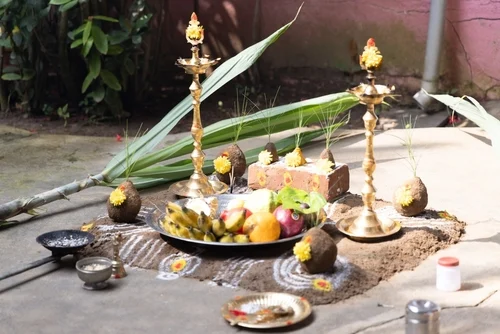
Food sits at the heart of both festivals. Families prepare Pongal, a dish of rice cooked with lentils, jaggery, and ghee, alongside sweets like til ladoo (sesame and jaggery balls) and sugarcane. In many UAE households, these dishes are shared with neighbours and colleagues regardless of their background, turning the festival into a moment of cultural exchange rather than a private affair.
Local Indian grocery stores and restaurants across the UAE often stock festival staples in the weeks leading up to the celebrations, making it easier for families to recreate recipes passed down through generations.
Kite-Flying Festivities

Kite-flying is one of the most visible Makar Sankranti traditions, particularly among Gujarati communities. In the UAE, open spaces like beaches, parks, and rooftops fill with colourful kites during the festival period. Some community groups organise dedicated kite-flying events, complete with music and food stalls, giving children and adults alike a chance to take part in a tradition that dates back generations.
Kolam Designs

Kolam—intricate geometric patterns drawn on the ground using rice flour or coloured powder—are a signature part of Pongal celebrations. Traditionally created at the entrance of homes to welcome prosperity, kolam designs have found their way into UAE communities too. Families decorate doorsteps and community spaces, while some cultural centres host kolam-making competitions as part of their festival programming.
Community Gatherings

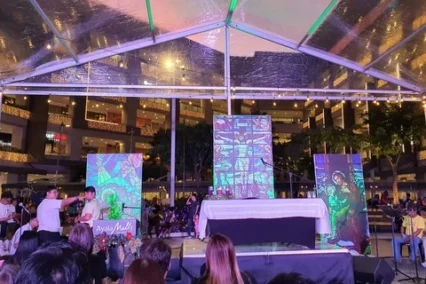
Beyond the home, cultural associations across the UAE host larger public events featuring traditional dance, music performances, and communal meals. These gatherings often double as a way for younger generations, many of whom were born and raised in the UAE, to connect with cultural traditions they might not otherwise experience firsthand.
Why Do These Festivals Matter So Much to Expatriate Communities?
For families living away from India, Pongal and Makar Sankranti offer more than a cultural tradition. They provide an anchor point in the calendar, a reason to gather, cook familiar food, and pass stories and customs on to children growing up in a different country.
These celebrations also strengthen community bonds. Many UAE-based Indian families rely on local associations and temples not just for religious or cultural events, but for a broader sense of belonging. Celebrating Pongal or Makar Sankranti together, often alongside neighbours and friends from other backgrounds, reflects the UAE’s wider reputation as a place where diverse cultures coexist and are genuinely celebrated.
For those separated from family back home, the festival season often comes with a desire to share in the celebration across borders too, whether that means sending festive sweets, gifts, or simply staying connected with loved ones during this meaningful time of year.

Celebrating Connection, Wherever You Are
Pongal and Makar Sankranti are a reminder that tradition doesn’t need to be left behind when you move abroad. Across the UAE, Indian communities have found ways to keep these harvest festivals alive, blending heritage with their new home.
Whether it’s the smell of fresh Pongal cooking in a Dubai kitchen, a kite dipping and diving over a Sharjah rooftop, or a carefully drawn kolam at someone’s front door, these traditions show how culture travels and grows, even thousands of miles from where it began.
Frequently Asked Questions
When do Pongal and Makar Sankranti take place?
Both festivals fall in mid-January, typically between the 14th and 17th, marking the sun’s movement into the Capricorn zodiac sign.
Who celebrates Pongal versus Makar Sankranti?
Pongal is primarily celebrated by Tamil communities, while Makar Sankranti is observed more broadly across northern and western India, including Punjab, Gujarat, and Maharashtra, often under different regional names.
What foods are traditionally eaten during these festivals?
Traditional foods include Pongal, a sweet or savoury rice dish, along with til ladoo (sesame and jaggery sweets), sugarcane, and other seasonal treats shared among family and friends.
Are these festivals widely celebrated in the UAE?
Yes. The UAE’s large Indian expatriate population means Pongal and Makar Sankranti are celebrated extensively, with community events, temple gatherings, and public kite-flying festivities taking place across cities like Dubai, Abu Dhabi, and Sharjah.
What is kolam and why is it important during Pongal?
Kolam is a decorative pattern drawn using rice flour or coloured powder, traditionally placed at the entrance of homes to welcome prosperity and mark the start of the harvest season.