Key Highlights
Here’s a quick look at what this guide covers:
-
In Nigeria, people have breakfast around 7-9 AM. They eat lunch from 12-3 PM and dinner between 7-9 PM.
-
A Nigerian food timetable can help with meal planning. It lets you save time and feel less stress.
-
Doing batch prep on weekends means you can cut down on cooking time during the week.
-
Some popular meals are beans pottage for lunch and stews like efo riro for dinner.
-
This article gives you a sample timetable for Nigerian food, so you can plan your meals each week.
Introduction
Welcome to Nigeria! If you come here for the first time, you will find that one great way to get to know the culture is by trying nigerian food. But when do people eat in nigeria? Knowing local mealtimes will help you enjoy your food more and have a good time. In a busy city like lagos or in quiet homes, meal schedules may be different. This guide tells you about the usual mealtimes and helps you know some tasty nigerian food. It will help you feel at home so you can enjoy every bite.
Understanding Traditional Meal Times in Nigeria
In Nigeria, meal times are a big part of life, but they can change from day to day. Most people plan their day around three meals. These are breakfast, lunch, and dinner. When these meals happen often depends on work, school, and how long it takes to make the food.
Many families like to use a food timetable. It helps them plan their day and what they will eat. Some people do batch prep on weekends to cut down cooking time during the week. This way, even if they are busy, their meals will be good and have a mix of what they need. Now, let’s talk about the main meal hours and how timetables in Nigeria can change.
Typical Hours for Nigerian Breakfast, Lunch, and Dinner
Navigating the mealtimes in Nigeria is quite straightforward. Breakfast is usually the first thing on the agenda, helping families get energized for the day ahead. Lunch is often the most flexible meal, eaten whenever there’s a break in work or school activities.
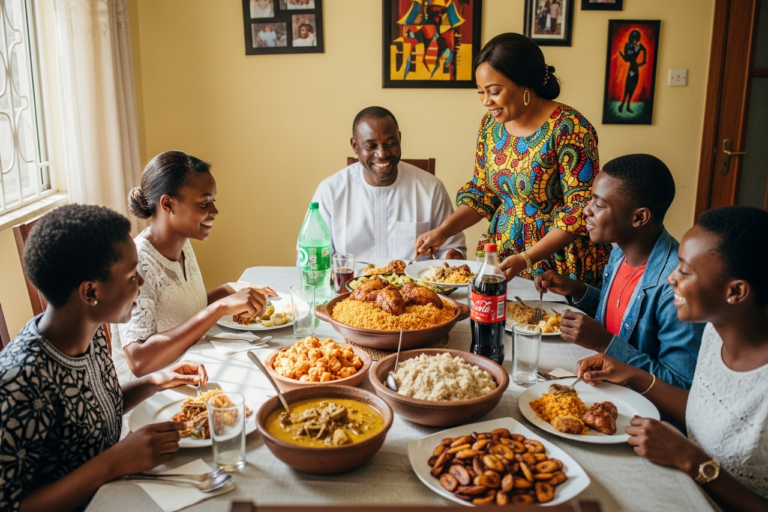
Dinner is typically a family affair, enjoyed together after the day’s tasks are complete. While some might have a lighter dinner, it is often a substantial meal. Many Nigerian families prefer to eat dinner between 7 PM and 9 PM. A helpful timetable can make planning these meals, from breakfast to a hearty beans pottage for lunch, much easier.
Here is a general guide to typical mealtimes:
|
Meal |
Typical Time Window |
|---|---|
|
Breakfast |
7:00 AM – 9:00 AM |
|
Lunch |
12:00 PM – 3:00 PM |
|
Dinner |
7:00 PM – 9:00 PM |
Differences in Meal Schedules Between Families and Students
Most families follow a regular meal schedule. But, a student’s daily timetable can be very different. Students often get busy with class times that change a lot. This means they need the meal plan to be more flexible and often quicker. Meal planning is good for students because they have to keep up with both studies and healthy eating. The goal is to make sure you do not spend all your time in the kitchen.
For students, having a simple meal plan can really help. Many people use foods that are fast to cook, like toast or oats. Some do their batch prep on the weekend, so eating during the week is easier. A good timetable helps you eat good food and still have enough time to study well.
Here are some of the ways students choose meals:
-
Quick Breakfasts: Most grab toast or oats to eat fast before classes in the morning.
-
Flexible Lunch: They eat lunch in between classes. Sometimes it is early, and sometimes it is late, all because of their class timetable.
-
Weekend Batch Prep: On Sunday, many cook stews or soups, so they will have healthy meals to use all week.
Popular Nigerian Foods at Each Mealtime
Nigerian food gives you many flavors to enjoy. People often eat certain dishes at different times of the day. For breakfast, some have something light and others choose a heavy meal. Lunch is usually big because it gives you the energy you need for the rest of your day. Dinner is warm and brings people together. It is common to have fufu with a thick soup or stew.
Most meals start with a starch like rice or yam. People then add a tasty stew or soup on top. You may see a colorful food platter on the table with fried plantain, stew, and some cooked veggies on the side. Efo riro is a spinach dish that many people love to have for dinner. It is a rich stew that goes well with many things. Up next, you will see a sample menu for a week. We will also talk about how what you eat can change with your age or where you live.
Sample Nigerian Weekly Food Timetable for Visitors
If you’re wondering what a week of eating in Nigeria could look like, having a sample food timetable is incredibly helpful. This meal plan mixes quick weekday options with more traditional dishes, giving you a taste of everything. For breakfast, you might find simple choices like toast with peanut butter or oats on a busy weekday morning.
Lunches often feature staples like the world-famous jollof rice or a comforting yam porridge. For dinner, you might enjoy spaghetti or a hearty stew. On weekends, you could try making akara (bean cakes) for a more traditional breakfast. Many resources, like blogs from creators such as Sisi Yemmie, offer detailed meal plans and even a downloadable Nigerian food timetable to make planning even easier.
Here’s a sample one-day meal plan to give you an idea:
|
Meal |
Sample Dish |
|---|---|
|
Breakfast |
Akara and Pap (Corn Porridge) |
|
Lunch |
Jollof Rice with Fried Plantain |
|
Dinner |
Beans Pottage |
How Meal Choices Vary Across Regions and Age Groups
Meal choices in Nigeria are very different from one place to another, and they change by age, too. What you might eat in the morning in one part of nigeria can be what someone eats for dinner in another part. People mostly eat what is easy to get where they live.
Kids and grown-ups also have different food needs. The meals for children in nigeria are simple. These meals do not have a lot of spice and are given early so kids can sleep well. For example, an adult can enjoy a stew that is hot and full of flavor, but a child may get a mild one.
All of this makes food in nigeria fun and interesting:
-
Regional Staples: People in the south like to eat plantain and yam. They eat these with a tasty stew.
-
Northern Diet: People living in the north eat more foods made from grain.
-
Children’s Meals: Kids in nigeria eat small meals. They eat more often and their food is easy to digest.
Conclusion
To sum up, knowing about meal times in Nigeria is helpful if you want to enjoy the food and culture. There are usual times for breakfast, lunch, and dinner, but meals can look different in every area. All this comes together to show how many ways people in Nigeria enjoy food. As you learn more about when people eat, you can also get to know their way of life and what they value. So, when you eat a big plate of jollof rice for lunch or have yam for dinner, you can see how important meals are for families and groups. Are you ready to try great food in Nigeria? Enjoy every bite you take!
Frequently Asked Questions
What factors influence meal timing in Nigerian households?
Many things can affect when people eat in Nigeria. These include when they go to work or school, traffic on the roads, and what each person likes. To help with busy days, many families use a food timetable, meal planning, and batch prep. This helps keep things on track with a good timetable for meals, even when life gets busy in Nigeria.
Are there special meal timetables for busy Nigerians?
Many people in Lagos and other busy cities in Nigeria make meal timetables. Weekday meals are simple and fast to put on the table. People save bigger meals for weekends. Batch prep is used by lots of people because it helps lower cooking time and keeps them on their timetable.
How do Nigerian meal times compare to those in the United States?
Nigerian mealtimes are a lot like those in the United States. People have three main meals each day. But, the meal plan and when people eat dinner can be different. Nigerians often have their big evening meal later than people in the US do. The meal plan also has different kinds of food.