Key Highlights
-
In India, meal times are not the same everywhere. Breakfast, lunch, and dinner can be at different times in each place. There are changes between towns, cities, and villages.
-
Many people in India have three main meals each day. They also love to enjoy a chai break in the evening.
-
In the past, Indians usually ate two main meals. Now, with new work hours and changes in the culture, things are not the same.
-
Indian food, like the flavor in their curries, is a big part of daily life and times when family get together.
-
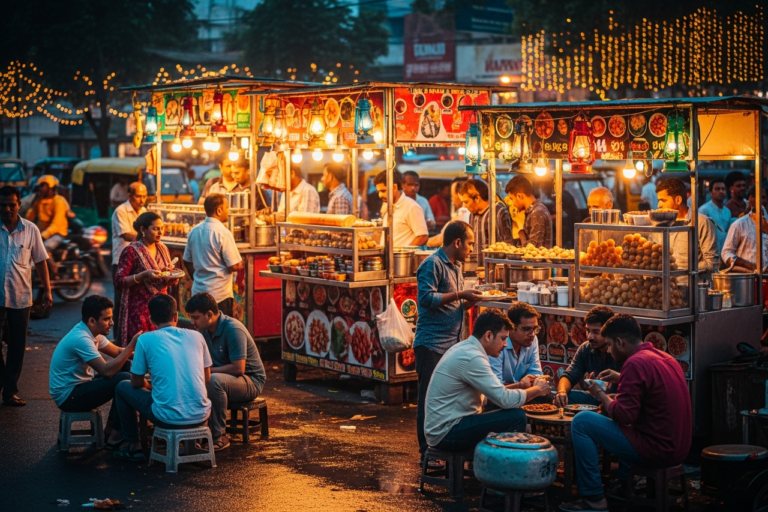
Dinner is often eaten late by many, especially in the cities. Because of long work hours, some will have dinner after 9 pm.
-
In India, there are big differences between places. For example, the meal times in North India may not be the same as in the South.
Introduction
Welcome to the flavorful world of India, where food is not just something people eat to keep going—it’s a big part of life! In every Indian household, meal times matter a lot and set the pace for the whole day. But have you ever thought about when people in India eat their meals? The answer is not so simple. People in big cities often eat at different times than those in quiet villages. In this post, you will learn about the many meal times people follow in india. You will get a look at the daily ways of life, from morning to night, all through the country.
Understanding Meal Times in India: An Overview
In India, people have meal times that are more like a guide than a strict plan. Most families have breakfast early, lunch in the middle of the day, and dinner later at night. Dinner can be very late, especially in big cities. But the exact times often change with where you live, your daily routine, and the weather. This makes it easier for all the day’s work, family, and social plans to fit in. Indian food is always important at any meal or gathering.
If we look back, meal times in India have changed over the years. In the past, many people in India only had two main Indian meals a day, with the first meal around noon. The idea to have breakfast early in the morning started to spread in the 1800s. This happened when work schedules changed and tea or coffee became popular, thanks in part to the British. Today, this new way of eating shows how modern life has changed the old ways for indian meals and meal times all over india.
Typical Meal Times for Breakfast, Lunch, and Dinner
In a typical Indian household, the day is structured around three main meals, though the exact times can be quite fluid. Daily life often dictates these schedules, with work and school playing a big part in when families sit down to eat.
Breakfast is usually the first meal, eaten sometime between 7 am and 10 am. Lunch follows in the early afternoon, typically between 12:30 pm and 2:30 pm. Dinner is the last of the main meals and is often enjoyed late in the evening, from 8 pm to as late as 10 pm. Here is a general guide to meal times:
|
Meal |
Typical Time Range |
|---|---|
|
Breakfast |
7:00 AM – 10:00 AM |
|
Lunch |
12:30 PM – 2:30 PM |
|
Dinner |
8:00 PM – 10:00 PM |
Number of Meals in an Average Indian Day
Many people have three main meals every day, but the number of meals in an average Indian household can be two to four. Most Indian homes often follow a routine with four meals. These meals are breakfast, lunch, evening chai with snacks, and dinner. This routine shows how much people value food and social time together.
Some experts in nutrition say that just two or two-and-a-half meals could be enough if someone does not move a lot during the day. This idea matches the old saying “do waqt ki roti,” which talks about having two meals in a day. The idea is to have two main meals and a small snack. This method helps with portion control and to handle your appetite.
The best number of meals for you will depend on things like your age, what you do every day, and what you want for your health. You can eat two big meals or go for three smaller meals with snacks. What matters most is to listen to your body and think about what you need.
Regional Variations in Indian Mealtime Habits
India is a big country, and there are many different cultures. Because of this, there is not just one time when people eat their meals. Mealtime can change a lot in different parts of India. What is a normal dinner time in one state can feel early or late if you go to another place. These changes show how local customs and the way people live can be so different.
In big cities like Bangalore, dieticians see that people eat in many different ways. This is because some people follow old traditions, and some follow new ways. But in states like Gujarat, people have their own special times for having Indian meals. These changes are not just about when to eat. They also change the kind of food people eat and how they eat with their families and friends.
North vs. South: Differences in Daily Meal Schedules
The way people eat in North India and South India is not the same. The meals and times they eat are shaped by things like weather, farming, and local habits that grew over the years.
In North India, people usually have big meals. They eat things like roti, which is made of wheat, along with creamy food full of spices. The day often starts with a big breakfast. Then comes a large lunch, and dinner is quite late. In Gujarat, even though it is in the west of India, the food is close to what you find in the north. Meals here use lots of spices and have meal items like the north.
South India is different. Meals are often lighter and use rice a lot. The times people eat can also change. This is how meal times go:
-
Breakfast: In the south, breakfast is usually eaten earlier than in north India.
-
Lunch: Lunch is the most important meal in both places, but what is served can be different.
-
Dinner: Many people in South India eat dinner earlier than people in the north. Some in the north may not eat dinner until after 9 pm.
india, spices, roti, gujarat
Urban vs. Rural: Distinct Eating Patterns Across India
The gap in lifestyle between big cities and rural areas in India makes people eat in different ways. In big cities, life goes fast. This makes meal times change and people often eat late. Long travel and busy work mean that dinner can be past 9 or 10 pm.
In rural places, life fits more with farming and daylight. People eat earlier, and dinner is close to sunset. Meals may be simple, with food from local farms. Eating is more relaxed and slow.
There are other changes in dining habits. Most people in India eat with their hands, but in big cities, using cutlery is seen more often. This happens mostly in restaurants and with young people. These differences show that the way we live shapes meal times, how we eat, and even if we use cutlery or not across India.
Influences Shaping When People Eat in India
When people eat in India is shaped by many things. It’s not just about when someone feels hungry. It’s also about culture, family, and how daily life moves. People in India often eat together. Meals are a big part of family time.
For many families, dinner comes at the end of the day. This is when everyone sits down after work and school. Dinner is often the most important time for people to be together. The next parts will talk about how old traditions and new ways mix to create the special mealtimes that shape daily life in India.
Cultural and Family Traditions Around Mealtimes
In India, mealtimes play a big part in family life and culture. People enjoy eating together, as it helps everyone connect and share. Many families sit down for at least one meal each day, most of the time it is dinner. This is when they talk, laugh, and feel close to each other. Food is a big way they show love, celebrate happy moments, and make each other feel better.
There are some differences in these food habits, depending on the part of the country. In the South of India, people often eat food served on a banana leaf. This tradition is seen as clean and is said to give a mild taste to the meal. In the North, it is hard to imagine a meal without roti. This type of flatbread is popular, and people use it to pick up curries that have a lot of spice.
Because sharing food is so important, it can sometimes make people eat too much. The colorful dishes and the joy of eating together can make it easy to lose track of how much you eat, so people may end up having more than they need.
The Impact of Modern Lifestyles and Work Schedules
Living in big cities has changed when people eat. Long work hours and spending a lot of time going to and from work have made meal times harder to stick to. More gig workers and people working in cities find it tough to fit in time for meals. This often means they eat dinner late or at odd times.
This is very different from how things used to be. In the past, people in India often finished eating the last meal before sunset. Now, for most people in big cities, that does not happen. Because modern jobs bring a lot of pressure, people might just grab lunch quickly at their work desk. Dinner for many can even be much later, after a long, busy day.
Here are some things that are clear about the way meal times have changed in India:
-
Many people working long hours in big cities now have dinner after 9 pm.
-
The old idea of eating before sunset mostly doesn’t happen in urban areas today.
-
These new meal times show how life has moved away from farming as people take on jobs in a fast and changing world.
Conclusion
To sum it up, learning about when people eat in India shows us how many different customs and ways of life are there. Meal times change from one area to another, and they also shift as people’s routines change. These meal times do not just show where people come from, they also show how the old ways and new ways of life mix together. In India, some like to start the day with a big breakfast, while others enjoy a late dinner with family. These habits help people connect with each other and bring out the many styles of life in India. When you know about meal times in India, you get to see more of the country’s lively culture. If you want to know more or have any questions, please ask!
Frequently Asked Questions
Why do many people in India eat dinner as late as 9pm?
In india, people have late dinners a lot, especially in cities. This is because many have long work hours and the trip back home takes time. For those in an indian household, dinner is often the meal when all come together. So, it is kept for the end of the day when everyone is back home.
How do Indian mealtimes compare to those in the United States?
Meal times in India, especially dinner, are later than in the United States. In the United States, people often have dinner around 6 or 7 pm. In India’s big cities, most people eat after 8 or 9 pm. Many people in India eat with their hands, while in the United States it is common to use cutlery.
What are some foods usually served at breakfast, lunch, and dinner in India?
Breakfast in India is different in each part of the country. In the south, people like to eat idli and dosa. In the north, they often have parathas. Lunch is a mix of rice or roti, dal, vegetables, and something from dairy, like yogurt. Dinner is a lot like lunch. It usually has curry with fresh spices, along with roti and some dairy products.