Quick answer: Dashain is Nepal’s most significant festival, a 15-day celebration centred on family reunion, the tika blessing from elders, and dakshina cash gifts. In 2026, the main celebrations are expected to fall in October, based on the Nepali lunar calendar. New Zealand’s growing Nepali community, concentrated heavily in Auckland, marks the occasion with family gatherings, temple visits, and a noticeable rise in money sent home to Nepal in the weeks beforehand.
For Nepalis living in New Zealand, Dashain isn’t just a date on the calendar. It’s the moment family group chats light up with photos of red tika smeared across foreheads, when Aucklanders search out fresh goat meat and marigold garlands, and when thousands of kilometres suddenly feel a little shorter. If you’re planning how to celebrate, wondering when the festival lands in 2026, or working out the best way to support family back home during this period, here’s what you need to know.

What is Dashain and why does it matter so much to Nepalis?
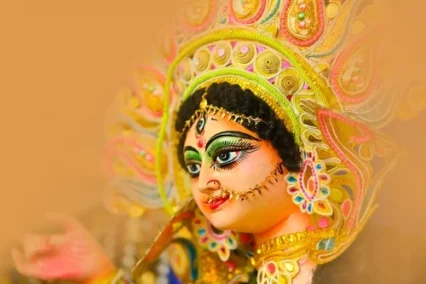
Dashain is the longest and most important festival in the Nepali calendar. Rooted in Hindu tradition, it celebrates the victory of the goddess Durga over the demon Mahishasura, symbolising the triumph of good over evil. But for most Nepalis, the religious significance sits alongside something equally powerful: the pull of family.
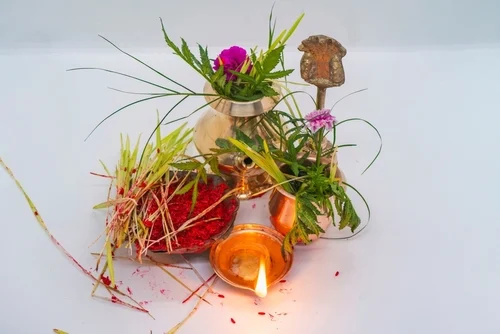
Dashain is when siblings, cousins, and extended relatives make the effort to reunite, no matter where in the world they’ve settled. Elders bless younger family members with tika (a mixture of rice, yoghurt, and vermilion) and jamara (barley shoots), along with dakshina, a small cash gift meant to carry blessings for prosperity in the year ahead.
When is Dashain 2026?
Dashain follows the lunar Bikram Sambat calendar, so its Gregorian dates shift each year. The festival traditionally spans 15 days, from Ghatasthapana (the ritual planting of barley seeds) through to Kojagrat Purnima, the final full moon celebration. The most significant day, Vijaya Dashami, when the tika ceremony takes place, is expected to fall in October 2026.
Because the exact dates depend on lunar calculations confirmed closer to the time, it’s worth checking an official Nepali calendar (patro) as the festival approaches to confirm the precise days for Ghatasthapana and Vijaya Dashami in 2026.

How is Dashain celebrated in New Zealand?
New Zealand’s Nepali population has grown rapidly over the past decade, with Auckland home to the largest and most active community. Dashain in Auckland looks a little different from Dashain in Kathmandu, but the heart of it remains the same.
Community halls and temples across Auckland host collective celebrations, often the weekend closest to Vijaya Dashami, so working families can attend. These gatherings typically include:
- Group tika ceremonies, where community elders bless younger attendees who may not have family nearby to perform the ritual
- Traditional food stalls serving Dashain staples like sel roti (a sweet, ring-shaped rice bread) and goat curry
- Cultural performances, including traditional dance and music
- Deusi-Bhailo gatherings, the folk singing tradition usually performed door-to-door in Nepal, adapted into community events in NZ
For many Nepali New Zealanders, this is also the time they connect with family back home, whether through video calls timed around the tika ceremony or by sending money to support celebrations happening thousands of kilometres away.

What do the 15 days of Dashain involve?
Dashain unfolds in distinct phases, each with its own rituals:
Days 1–9 (Ghatasthapana to Navami): The festival begins with the planting of barley seeds in a sacred vessel, which grow into the yellow jamara shoots used later in tika ceremonies. This period, known as Navaratri, involves daily worship of different forms of the goddess Durga.
Day 10 (Vijaya Dashami): The centrepiece of the festival. Elders apply tika and jamara to younger family members’ foreheads while offering blessings and dakshina. In larger families, this can take hours as everyone visits senior relatives in order of seniority.
Days 11–15: Celebrations continue with more visits to relatives, friends, and neighbours, each accompanied by tika, food, and gift-giving. The festival closes on Kojagrat Purnima, the full moon night, believed to be sacred to the goddess Lakshmi.
Dashain and money transfers: what New Zealand-based families should know
Dashain is one of the busiest periods of the year for money moving into Nepal. Family members abroad often send funds in the weeks leading up to the festival to help cover new clothes, festive food, travel costs for relatives returning to their home villages, and dakshina gifts passed down through the tika ceremony.
A few practical points are worth keeping in mind if you’re planning to send money to Nepal around Dashain:
Bank operating hours in Nepal change during the festival. Government offices and many banks in Nepal typically close for several days around Vijaya Dashami, with reduced hours in the lead-up and aftermath. If your family is expecting funds to cover specific festival expenses, it pays to send ahead of the main closure period rather than waiting until the last few days.
Processing times can be affected by public holidays. Even where digital transfer services operate normally, the recipient’s ability to access funds through a bank branch may be limited on public holidays. Confirm how your recipient plans to collect or access the funds, particularly if they’re relying on an in-branch cash pickup.
Demand spikes close to the festival. Because so many families send money at the same time, transfer services can experience higher volumes in the days immediately before Dashain. Sending earlier in the lead-up, rather than in the final 48 hours, can help avoid unnecessary delays.
Planning ahead doesn’t take away from the spontaneity of the season. If anything, it means the focus can stay where it belongs, on family, celebration, and connection, rather than on last-minute logistics.
Making the most of Dashain from New Zealand
Distance doesn’t have to diminish what Dashain represents. Whether you’re gathering with Auckland’s Nepali community for a group tika ceremony, video-calling grandparents for their blessing, or making sure funds reach home before the banks close for the holiday, the festival’s core meaning travels well: family, gratitude, and renewal.
If you’re new to celebrating Dashain in New Zealand, connecting with local Nepali community groups, many of which are active on social media and organise Auckland-based events each year, is one of the easiest ways to find celebrations near you and mark the festival surrounded by community, even far from home.
FAQ
When does Dashain 2026 start and end?
Dashain 2026 is expected to run for 15 days, beginning with Ghatasthapana and ending on Kojagrat Purnima, likely in October 2026. Exact dates depend on the lunar Bikram Sambat calendar and are confirmed closer to the festival, so checking an official Nepali calendar nearer the time is recommended.
Where can I celebrate Dashain in New Zealand?
Auckland hosts the largest Dashain celebrations in New Zealand, with community halls and temples organising group tika ceremonies, cultural performances, and traditional food stalls, typically on the weekend closest to Vijaya Dashami. Smaller Nepali communities in other cities also often organise local gatherings.
Are banks closed in Nepal during Dashain?
Yes, many banks and government offices in Nepal close for several days around Vijaya Dashami, with reduced operating hours in the days before and after. This can affect how quickly recipients can access funds sent from overseas, particularly for in-branch cash pickups.
What is dakshina and why is it given during Dashain?
Dakshina is a small cash gift given by elders to younger family members as part of the tika blessing ceremony during Vijaya Dashami. It’s considered a symbol of good fortune and prosperity for the year ahead, alongside the tika and jamara blessing.
When is the best time to send money to Nepal for Dashain?
Sending money in the weeks leading up to Dashain, rather than in the final few days, helps avoid delays caused by high demand and reduced bank operating hours around the public holiday period.