Quick answer: Navratri and Dussehra are among the most significant festivals for Hindu communities worldwide, marking nine nights of devotion to the goddess Durga before culminating in Dussehra (Vijayadashami). In 2026, the festival is expected to run from mid-to-late October, with Indian and Indo-Fijian communities across Auckland celebrating through garba nights, temple pujas, and family gatherings. Many households also use this time to send money home to support celebrations abroad.
Every spring and autumn, millions of Hindus around the world observe Navratri, a nine-night festival honouring the goddess Durga and her various forms. The celebration concludes with Dussehra, also known as Vijayadashami, which commemorates the triumph of good over evil.
For New Zealand’s Indian community, Navratri and Dussehra carry particular weight. India is New Zealand’s second-largest source of migrants, and the festival season brings a distinct energy to Auckland’s temples, community halls, and family homes. From garba dance nights to elaborate pujas, the celebrations reflect both tradition and the diaspora’s efforts to keep cultural practices alive far from home.
This guide covers when Navratri and Dussehra fall in 2026, what the festival means, how it’s celebrated in New Zealand, and a few practical considerations around money and banking during the season.
What do Navratri and Dussehra celebrate?
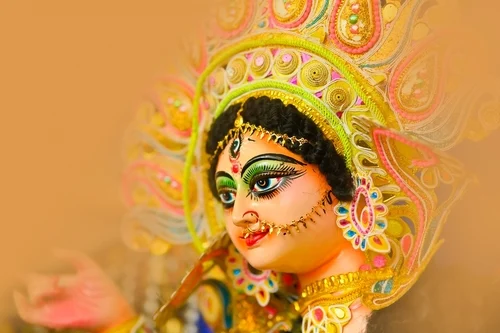
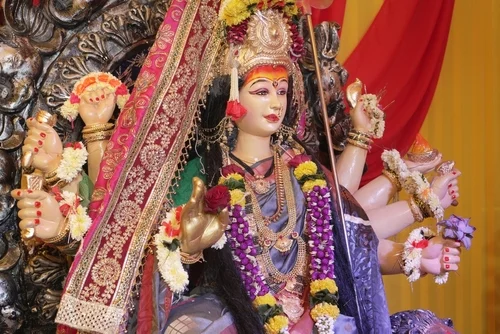
Navratri translates to “nine nights” in Sanskrit, and each night is dedicated to a different manifestation of the goddess Durga. The festival represents the victory of divine feminine power over darkness and negativity. Depending on the region and tradition, Navratri can be observed up to four times a year, but Sharad Navratri, which falls in autumn on the Gregorian calendar, is the most widely celebrated.
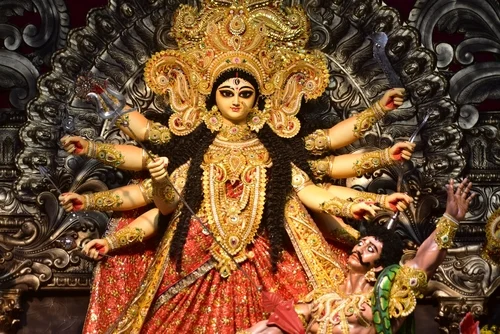
Dussehra, also called Vijayadashami, marks the tenth day and the festival’s climax. It celebrates the goddess Durga’s victory over the buffalo demon Mahishasura, as well as Lord Rama’s triumph over the demon king Ravana, as told in the Ramayana. In many parts of India, Dussehra is marked by the burning of effigies representing Ravana, symbolising the defeat of evil.
When is Navratri and Dussehra in 2026?
Navratri and Dussehra follow the Hindu lunisolar calendar, which means the exact dates shift each year relative to the Gregorian calendar. Based on current lunar calculations, Navratri 2026 is expected to begin around October 11 and run through October 19, with Dussehra falling on October 20, 2026.
Because these dates depend on regional Panchang (Hindu calendar) calculations, it’s worth checking with a local temple or community organisation closer to the date for exact timings, particularly if you’re planning specific pujas or events.
How is Navratri and Dussehra celebrated in New Zealand?
Auckland’s Indian and Indo-Fijian communities have built vibrant Navratri traditions that blend cultural heritage with New Zealand life. Garba nights, a traditional Gujarati dance performed in circles to live or recorded music, are among the most popular events during the festival. Community halls and temples across the city host these gatherings, often drawing hundreds of participants dressed in colourful traditional attire.
Temple pujas are another central part of the celebration. Families visit temples throughout the nine nights to offer prayers, and many host smaller pujas at home, complete with decorated altars, offerings, and readings from religious texts.
For many families, the festival also becomes a moment to connect with relatives in India and Fiji. Phone calls, video chats, and shared photos of celebrations help bridge the distance, while some families plan visits home around the festival period when possible.
What role does gift-giving play during the festival?
Gift-giving is a meaningful part of Navratri and Dussehra celebrations. Family members often exchange new clothes, sweets, and small gifts as part of the festivities. For households in New Zealand with family in India, this tradition frequently extends across borders, with money sent home to help cover the cost of clothing, gifts, and celebration expenses for relatives.
Money matters during Navratri and Dussehra
Festival season often brings added financial planning, particularly for families supporting celebrations in more than one country. Here are a few practical points worth keeping in mind.
Are banks open in New Zealand during Navratri and Dussehra?
Navratri and Dussehra aren’t public holidays in New Zealand, so banks, post offices, and most businesses operate on normal hours throughout the festival period. This means everyday banking services, including in-branch transactions, remain available as usual.
That said, it’s a different story in India, where Dussehra is a public holiday in many states. Banks and some businesses there may close or operate reduced hours on the day itself, which is worth factoring in if you’re coordinating time-sensitive transfers or payments with family.

Why do families send money home during this time?
Festival season tends to bring extra expenses, from new clothes and puja supplies to gifts and travel costs. For families with relatives in India, sending money ahead of Navratri and Dussehra helps ensure loved ones have what they need to celebrate comfortably. Planning transfers a few days in advance is generally a good idea, particularly around the Dussehra public holiday in India, when local banking hours may be affected.
Celebrate the season with family, near and far
Navratri and Dussehra offer a meaningful opportunity to reflect on tradition, community, and connection, whether you’re dancing at a garba night in Auckland or lighting a diya at home. For New Zealand’s Indian and Indo-Fijian communities, the festival is as much about honouring cultural roots as it is about strengthening bonds with family overseas.
If you’re planning to send support home for the celebrations, a little advance planning around banking hours and timing can help things go smoothly for everyone involved.
FAQ
When does Navratri 2026 start?
Navratri 2026 is expected to begin around October 11 and continue through October 19, based on current lunar calendar calculations. Exact dates can vary slightly by region, so it’s worth confirming with a local temple closer to the time.
What is the difference between Navratri and Dussehra?
Navratri refers to the nine nights of worship dedicated to the goddess Durga, while Dussehra (also called Vijayadashami) is the tenth day that marks the festival’s conclusion. Dussehra celebrates the victory of good over evil, commemorating both Durga’s defeat of the demon Mahishasura and Lord Rama’s victory over Ravana.
How is Navratri celebrated in Auckland?
Auckland’s Indian and Indo-Fijian communities celebrate Navratri with garba nights, temple pujas, and family gatherings. Community halls and temples across the city host dance events and religious ceremonies throughout the nine nights, drawing large crowds dressed in traditional attire.
Are New Zealand banks closed for Dussehra?
No. Dussehra isn’t a public holiday in New Zealand, so banks and businesses operate on their usual schedules. However, banks in parts of India may close or have reduced hours on Dussehra, since it’s a public holiday there.
Why do people send money to family in India during Navratri and Dussehra?
Many families send money home during this period to help cover festival-related costs, including new clothes, gifts, sweets, and puja supplies. It’s a common way for the diaspora to support relatives’ celebrations, even from a distance.