

TL;DR
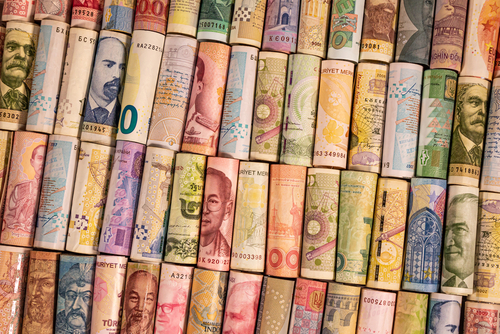
- The most beautiful currencies have a combination of strong visual design, cultural storytelling, craftsmanship, and innovative features. This guide uses those four traits to explore 20 notable banknotes from around the world.
- The 20 featured currencies reflect a wide range of national identities, with designs highlighting things like wildlife, landscapes, historical figures, architecture, cultural traditions, and environmental themes.
- New Zealand and Australia are highlighted as important examples of polymer banknote design, with features including see-through windows, tactile marks, and colourful imagery that combine usability with security.
- The IBNS Banknote of the Year provides one recognised benchmark for note design, with the International Bank Note Society evaluating circulating notes for design balance, cultural storytelling, and security features. The 2025 award went to the Curaçao and Sint Maarten 200-gulden note.
- You don’t need to be a collector to appreciate banknote design. Te Papa Tongarewa and the Reserve Bank of New Zealand offer resources for exploring note history and design, while travellers can compare notes and preserve interesting examples as souvenirs.
- Remember, “most beautiful” is subjective, so specific series, years, design elements, and official sources are more useful than unsupported superlatives when comparing currencies.

What makes a currency “beautiful” in 2026
The most beautiful currencies are banknotes celebrated for strong visual design, meaningful national symbols, and innovative features like polymer windows, colour-shifting inks, and fine microprint. Beauty reflects how well a note balances art, identity, readability, and security to turn everyday money into a small piece of collectible design.
This list combines banknotes recognised by the International Bank Note Society (IBNS) with widely admired modern series featured on the Remitly blog, chosen for their artistry and innovation. For Kiwis, it’s a fitting comparison since New Zealand and Australia were early adopters of polymer notes, and our own banknotes are often held up internationally as design benchmarks.
- Visual composition and colour
- Cultural storytelling and identity
- Innovation and security features
Four design traits shared by the most beautiful banknotes
- Visual composition and colour: Bold colour contrast and clean layouts make a note instantly recognisable. Look for consistent colour-coding across denominations. New Zealand’s Series 7 notes use a dominant colour for each denomination, with large, bold numerals and clearer backgrounds designed to improve readability.
- Cultural storytelling: National figures, landscapes, and wildlife tie a note to its country’s identity. The New Zealand dollar‘s use of Sir Edmund Hillary and the yellow-eyed penguin, or hoiho, is a good local example.
- Craft and print technique: Fine engraving and microprint add texture you can feel. Run a finger over a genuine note to check for raised ink. New Zealand notes use raised intaglio ink, microprinting, and detailed background patterns.
- Innovation and usability: Modern banknotes tend to combine design with security and accessibility. New Zealand’s polymer notes feature a large transparent holographic window, a colour-changing bird, a puzzle number, and raised denomination markings.
20 of the most beautiful currencies in the world (2026): quick profiles
Brazilian real (BRL)
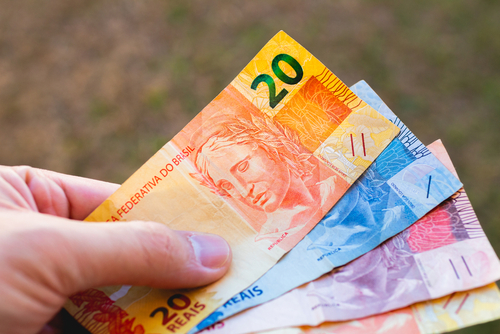
- Series/year: Second Family of the Real, with the family introduced progressively from 2010. The R$200 note was issued in 2020.
- Motifs: The R$200 features the Republic effigy on the front and a maned wolf (lobo-guará) on the back.
- Standout feature: Colour-changing denomination numerals, see-through registration elements, tactile markings, and fluorescent features are used across the family.
- National story: The wildlife imagery ties the real directly to Brazil’s biodiversity and natural heritage.
Ugandan shilling (UGX)
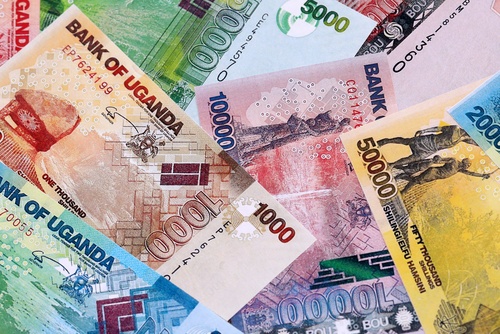
- Series/year: The 2010 banknote series, introduced in May 2010.
- Motifs: The series includes the Independence Monument, Bwindi rainforest, Uganda’s map and traditional basket patterns, with wildlife including mountain gorillas.
- Standout feature: The 2010 series incorporated advanced security features, including a foil strip, watermark, and SPARK colour-shifting technology.
- National story: The notes combine Uganda’s natural environment with independence, geography, and cultural lineage.
- IBNS: The UGX 50,000 note won IBNS Banknote of the Year 2010.
Malaysian ringgit (MYR)
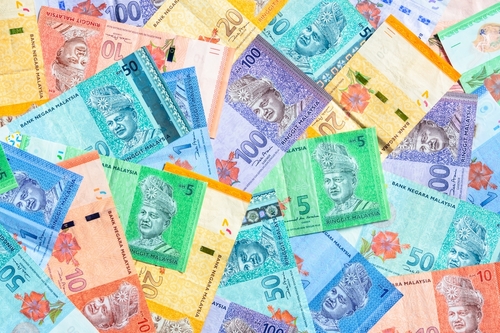
- Series/year: Fourth Series, themed “Distinctively Malaysia”, introduced progressively from 2009 to 2012.
- Motifs: Designs include Mount Kinabalu, the Mulu national park pinnacles, oil palm, biotechnology, turtles, the rhinoceros hornbill, and wau bulan.
- Standout feature: The series uses enhanced security features, including colour-shifting elements, clear windows, microprinting, and tactile features.
- National story: The designs deliberately connect Malaysia’s biodiversity, culture, heritage, economy, and traditional crafts.
Mexican peso (MXN)
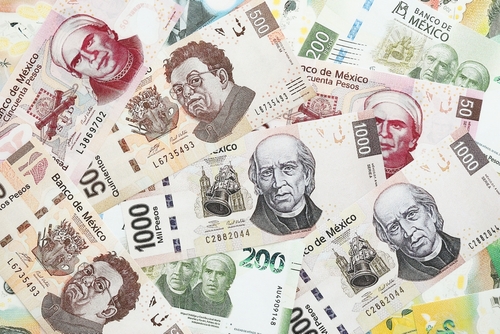
- Series/year: Familia G, introduced progressively from 2018 onwards. The $100 note entered circulation in 2020.
- Motifs: The $100 features Sor Juana Inés de la Cruz, the former Colegio de San Ildefonso, and the Monarch Butterfly Biosphere Reserve.
- Standout feature: The polymer note includes transparent windows, colour-changing elements, fluorescence, and tactile relief.
- National story: The design connects Mexico’s colonial literary history with its internationally recognised natural heritage.
South African rand (ZAR)
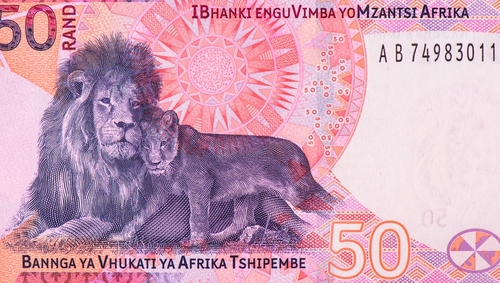
- Series/year: The current 2012 banknote series, with an upgraded family-themed version released in 2023, introduced to honour Nelson Mandela.
- Motifs: The front features Nelson Mandela, while the reverse denominations feature the Big Five: rhinoceros, elephant, lion, buffalo, and leopard.
- Standout feature: The series uses advanced security features alongside raised printing to help people with visual impairments.
- National story: Mandela represents democratic South Africa, while the Big Five connect the currency to the country’s wildlife and conservation identity.
Argentine peso (ARS)
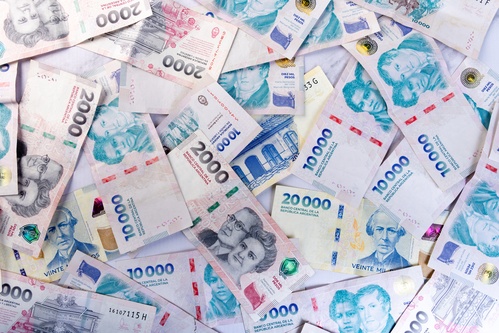
- Series/year: The “Animales autóctonos de Argentina” family began in 2016, although newer “Héroes y Heroínas de la Patria” notes have since been introduced.
- Motifs: Earlier notes feature native species including the yaguareté, southern right whale, guanaco, and hornero.
- Standout feature: The $1,000 hornero note uses a dynamic colour-changing ink element, security threads, and front-to-back registration.
- National story: The fauna series used native animals and regional ecosystems to represent Argentina’s natural diversity.
Indian rupee (INR)
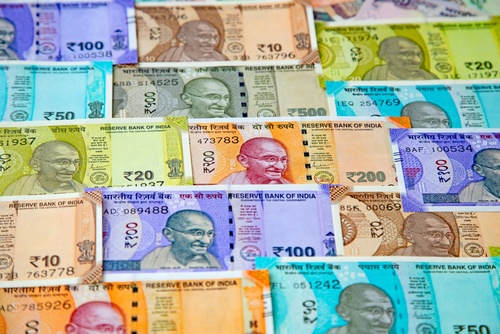
- Series/year: Mahatma Gandhi (New) Series, introduced from 2016.
- Motifs: Notes combine Mahatma Gandhi, the Ashoka Pillar, cultural landmarks, scientific achievements, and Swachh Bharat imagery.
- Standout feature: Depending on denomination, security features include colour-changing threads, latent images, watermarks, raised printing, microtext, and see-through registration.
- National story: The series was explicitly designed to highlight India’s cultural heritage and scientific achievements.
Nigerian naira (NGN)
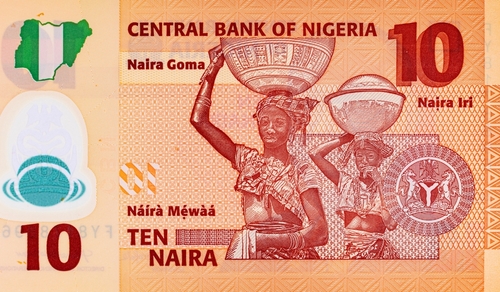
- Series/year: Current naira designs include notes from the existing circulation series, with denominations from ₦5 to ₦1,000.
- Motifs: The designs feature national figures, agricultural imagery, landmarks, and other symbols of Nigerian identity.
- Standout feature: Security features include raised printing, security threads, watermarks, UV-visible elements, and tactile features.
- National story: The imagery combines national history and people with agriculture and other aspects of Nigeria’s economy and identity.
Canadian dollar (CAD)
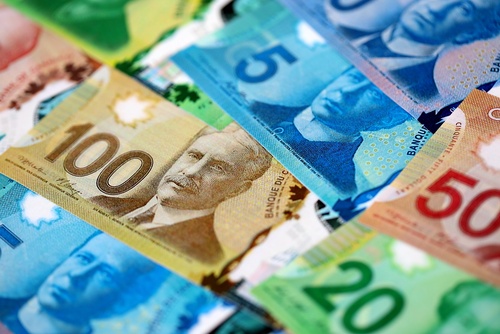
- Series/year: Frontiers series, issued progressively from 2011–2013.
- Motifs: The notes celebrate Canadian medical innovation, Arctic research, the Vimy Memorial, railway engineering, and space robotics.
- Standout feature: The polymer notes use transparent windows, metallic images, raised ink, and tactile features.
- National story: Each denomination was deliberately designed around a different Canadian achievement or aspect of national life.
- Traveller tip: The distinctive polymer construction also makes Canadian notes easy to identify beside paper currencies.
If you’re weighing the move, our guide to life in Canada covers everyday costs and banking for New Zealanders.
Swiss franc (CHF)
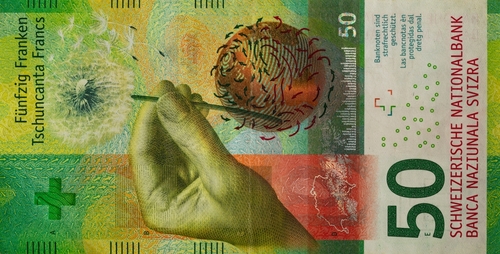
- Series/year: Ninth banknote series, introduced progressively between 2016 and 2019.
- Motifs: Rather than portraits, the series explores Swiss characteristics through time, light, wind, water, matter, and language, depending on denomination.
- Standout feature: The series integrates sophisticated security devices, including the globe, security strip, cross, and triangle.
- National story: The design deliberately moved away from famous people to show characteristics and activities considered distinctly Swiss.
Read our guide to living in Switzerland if you’re considering the move.
Honduran lempira (HNL)
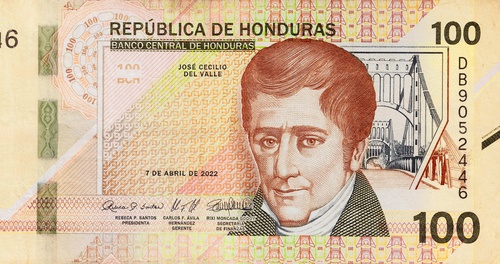
- Series/year: The current family has been expanded over time; the L200 note was approved in 2019 and entered circulation in 2021.
- Motifs: The new denomination was designed around the bicentennial of independence, education, and environmental conservation.
- Standout feature: Honduran notes incorporate multiple anti-counterfeiting elements and denomination-specific security features.
- National story: The designs connect national history and independence with education and environmental themes.
Australian dollar (AUD)
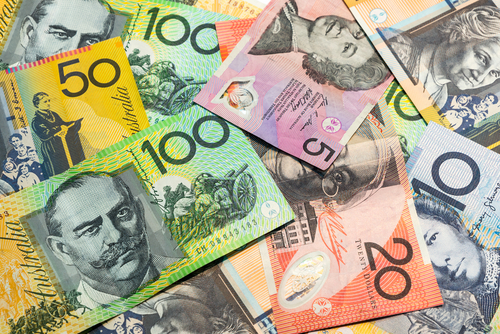
- Series/year: Next Generation Banknotes, introduced progressively from 2016 to 2020.
- Motifs: The notes feature Australians including Banjo Paterson, Mary Reibey, John Flynn, Edith Cowan, and Dame Nellie Melba, alongside native birds, wattles, and Australian landmarks.
- Standout feature: A top-to-bottom clear polymer window contains moving birds, colour effects, and denomination-specific dynamic elements.
- National story: The series links Australian people, landscapes, flora, fauna, history, and achievements in a single visual system.
New Zealand dollar (NZD)
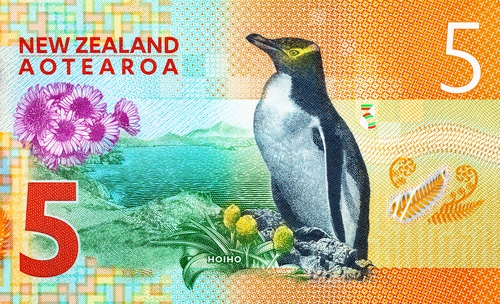
- Series/year: Series 7, first introduced in 2015, with the remaining denominations following in 2016.
- Motifs: Notes feature Sir Edmund Hillary and the hoiho, Kate Sheppard and the whio, Sir Apirana Ngata and the kōkako, and Lord Rutherford and the mohua, depending on denomination.
- Standout feature: The polymer notes use a large holographic window, colour-changing bird, puzzle number, and raised printing.
- National story: The designs combine notable New Zealanders with native wildlife and Māori-language elements, including Aotearoa and Te Pūtea Matua.
Why New Zealand and Australia lead in polymer banknote design
New Zealand and Australia were early adopters of polymer banknotes, using the material to combine longevity with sophisticated security and excellent visual design. New Zealand’s Series 7 uses a holographic window and colour-changing bird, and Australia’s Next Generation notes use clear windows that have multiple dynamic features.
Euro (EUR)
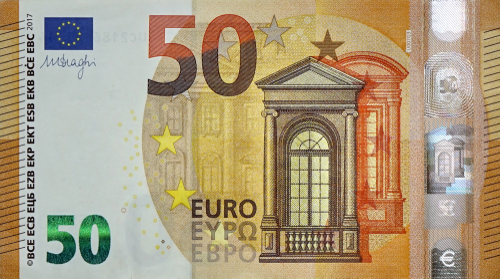
- Series/year: Europa series, introduced progressively from 2013 to 2019.
- Motifs: The notes use European architectural styles, windows and doorways, bridges, and the mythical Europa.
- Standout feature: Security features include the portrait hologram, portrait watermark, security thread, and colour-changing emerald number.
- National story: The “Ages and styles of Europe” theme presents European history through shared architectural language rather than individual national monuments.
- Traveller tip: Euro banknotes have the same designs throughout the euro area, unlike euro coins, which have national sides.
Maldivian rufiyaa (MVR)
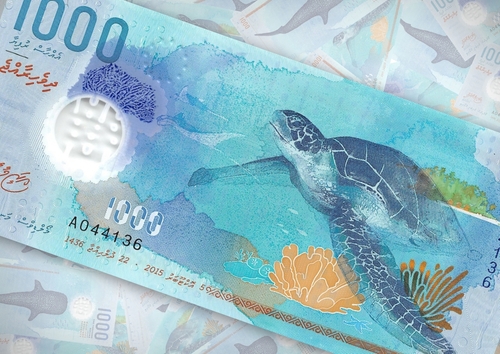
- Series/year: 2015 banknote series, including the polymer 1,000-rufiyaa note.
- Motifs: The 1,000 note features manta rays, a green turtle, coral, a resort, and a whale shark.
- Standout feature: The note uses a polymer substrate and SPARK security element.
- National story: Marine life and ocean imagery reflect the Maldives’ identity as an island nation surrounded by coral ecosystems.
- Collector tip: The whale-shark design makes the 1,000-rufiyaa note particularly distinctive among modern marine-themed banknotes.
Icelandic króna (ISK)
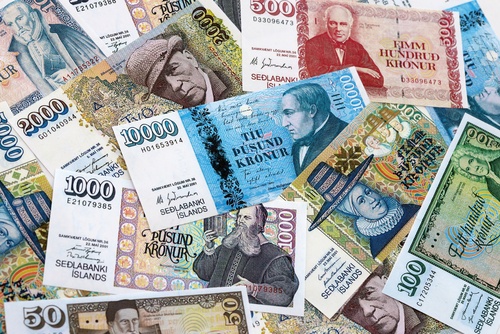
- Series/year: Current banknotes come from the series introduced in 1981, with later security upgrades.
- Motifs: The notes feature figures including Jónas Hallgrímsson and Ragnheiður Jónsdóttir, alongside Icelandic landscapes, flora, birds, and historic cultural imagery.
- Standout feature: The 10,000-króna note uses microtext, an electrotype watermark, optical security thread, fluorescence, and raised intaglio printing.
- National story: Iceland’s banknotes connect literature, independence, cultural history, and the country’s dramatic natural environment.
Cook Islands dollar (CKD)
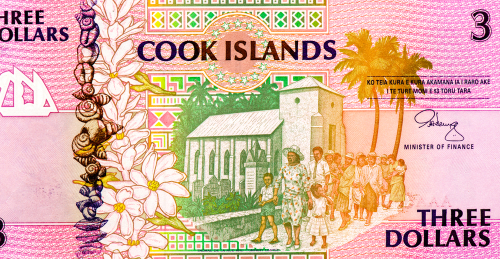
- Series/year: Historic Cook Islands banknotes were issued from 1987, with later notes withdrawn after the currency was abolished as a separate legal tender in 1995.
- Motifs: Historic designs drew on Polynesian culture, local environments, and island heritage.
- Standout feature: The notes are now primarily of numismatic and collecting interest, rather than everyday spending.
- National story: Their imagery reflects the Cook Islands’ Polynesian identity and self-governing history.
The Cook Islands now uses the New Zealand dollar (NZD) as its currency, so these historic notes are a collector’s item rather than something you’ll find in circulation today.
Hong Kong dollar (HKD)
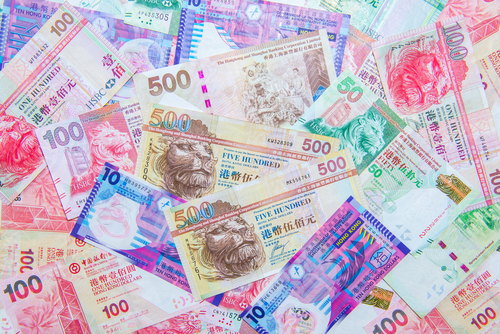
- Series/year: 2018 Series.
- Motifs: The five denominations highlight Hong Kong’s financial centre, UNESCO Global Geopark, Cantonese opera, butterflies, and dim sum and tea culture.
- Standout feature: Notes use dynamic shimmering patterns, windowed metallic threads, enhanced watermarks, fluorescent see-through elements, and tactile features.
- National story: The series portrays Hong Kong as both an international financial centre and a place with distinct natural and cultural traditions.
- Traveller tip: Three banks issue the notes, so the same denomination can have different visual artwork while following the common thematic framework.
Costa Rican colón (CRC)
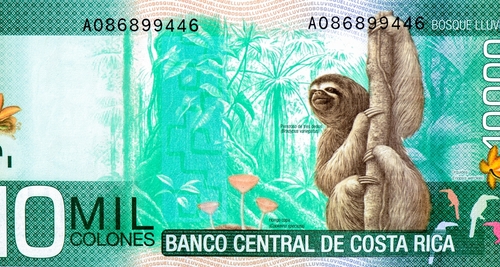
- Series/year: Costa Rica has introduced successive redesigns, including polymer notes and later updated series, so denomination-level dates should be used rather than treating all current notes as one series.
- Motifs: Designs highlight national figures, tropical forests, coral reefs, mangroves, wildlife, and native plants.
- Standout feature: Polymer denominations have used complex transparent windows, SPARK elements, and other optical effects.
- National story: Biodiversity is central to Costa Rica’s visual identity, with ecological imagery appearing alongside notable national figures.
Bermuda dollar (BMD), five-dollar note

- Series/year: $5 note introduced in 2024, printed on polymer.
- Motifs: The front features King Charles III, a blue marlin, dolphins, tuna, and flowers; the reverse shows butterflies, flora, Horseshoe Bay, and Somerset Bridge.
- Standout feature: The polymer Safeguard substrate is combined with the note’s vertical design and tactile features.
- National story: The imagery combines Bermuda’s monarchy, marine environment, landscape, and distinctive built heritage.
- IBNS: The $5 note won the 2024 IBNS Bank Note of the Year award.
IBNS Banknote of the Year: what it is and how it relates to this list
IBNS Banknote of the Year is an annual award from the International Bank Note Society, a global organisation of currency collectors and researchers. Members nominate notes that are already in circulation, then vote on design balance, cultural storytelling, and security features. The winning note sets a benchmark other issuing banks are measured against.
The 2025 award went to the Curaçao and Sint Maarten 200-gulden note, recognised by the IBNS for its layered design and security detailing.
| Award | Run by | What it measures | Verify at |
| IBNS Banknote of the Year | International Bank Note Society | Design balance, cultural storytelling, and security features of circulating notes | theibns.org |
A Kiwi’s guide to enjoying banknote design
- Where to look: Te Papa Tongarewa and the Reserve Bank of New Zealand‘s education pages both cover banknote history and design.
- Handling notes politely: Treat foreign notes the way you would a ticket or ID, keeping them flat and dry, and avoid folding one you plan to keep as a memento.
- Comparing designs on the go: photograph notes before you spend them, and it’s worth reading up on paying in local currency before you travel.
FAQs about the most beautiful currencies in the world
What are the most beautiful currencies in the world?
The most beautiful currencies are the banknotes that combine strong visual design, national storytelling, and reliable security features. The list ranges from International Bank Note Society (IBNS) award winners to widely admired series like the New Zealand dollar and Swiss franc, chosen for how well they balance art, identity, and usability.
How do experts judge whether a banknote is beautiful?
Judges typically weigh visual composition and colour, cultural storytelling, craft and print technique, and innovation, like polymer substrates or tactile marks. The International Bank Note Society applies similar criteria when choosing its annual Banknote of the Year.
Why are polymer banknotes considered well designed?
Polymer notes resist moisture and general wear-and-tear better than paper, and their smooth surface helps offer clear colour printing and see-through security windows. New Zealand and Australia were early adopters, and both currencies are often cited as polymer design benchmarks.
What is IBNS Banknote of the Year?
It’s an annual award from the International Bank Note Society recognising the circulating banknote judged the best for design, storytelling, and security. Members nominate and vote on their eligible notes. The 2025 award went to the Curaçao and Sint Maarten 200-gulden note.
Are all euro banknotes the same across Europe?
Yes, euro banknotes share one design across the eurozone, unlike euro coins, which carry country-specific images on one side. Each euro note denomination represents a different era of European architecture, alongside shared security features like holograms and watermarks.
Key takeaways
- What determines beauty in banknote design comes down to visual composition, storytelling, craft, and innovation.
- IBNS Banknote of the Year highlights circulating notes with standout design and security, most recently the Curaçao and Sint Maarten 200-gulden note.
- New Zealand and Australia’s polymer notes remain international benchmarks for durability and design.
- Specific series names and years matter more than vague superlatives when comparing notes.
- Central bank and IBNS websites are the most reliable places to check current designs.
Banknotes as portable design and culture
The most beautiful currencies show how a small piece of paper or plastic can carry a country’s identity, from Brazil’s wildlife to New Zealand’s own polymer notes. For a closer look, the International Bank Note Society and individual central banks publish detailed galleries of current and past designs online.
Every note on this list has crossed a border at some point. Remitly helps people do the same with their money, wherever home is.
Last reviewed: November 2026