Key Highlights
-
Switzerland gives you a good quality of life. There is beautiful scenery and many outdoor activities to do. But, the cost of living is high.
-
The country is famous for being efficient. Its public transport is reliable, and its systems at offices are well done.
-
Kiwi expats have to sort out visa rules and get mandatory health insurance when they arrive.
-
Swiss cities are lively. Yet, Swiss culture is usually more quiet and people keep to themselves more, and that can be very different from how things are in New Zealand.
-
You have to learn one of the national languages if you want to fit in well and make friends with local people.
Introduction
Are you thinking about moving from New Zealand to the Swiss Alps? This move can give you a good quality of life. You will get to see amazing views and live in a new home. At the same time, you will step into the swiss culture. Be ready for a new way to live and a high cost of living. This guide will help you know what to look out for. It will show you the steps you need to take. It will also help you settle in and try new things, like eating fondue. Are you ready to learn what life in Switzerland can be like?
Living in Switzerland: Key Things New Zealanders Need to Know
For Kiwis who want to live in Europe, Switzerland is a great pick. The country gives you a high quality of life and beautiful places to see. But expat life in Switzerland is about more than just taking walks in the mountains and tasting chocolate. You also need to think about getting Swiss residency and dealing with higher living expenses than what you are used to at home.
It is important to learn about the local way of life to settle in well. People in Switzerland like things to be organised and follow rules, so be ready for that. Changing how you do things is part of the adventure. Here are the main things you should know before you move.
1. Navigating Swiss Visa and Residency Requirements
The first thing you need to do before heading to Switzerland is get the right Swiss visa and residence permits. If you are a foreign national from New Zealand, you have to apply for a visa before you travel for work or a longer stay. The process is known to be strict and you do need to be patient. You will be asked to show your reason for moving, for example a job contract or a letter showing you got into a university.
When you get to Switzerland, you will have to register with your local cantonal authority so you can get a Swiss residence permit. For this, you must show you have enough money to support yourself. At first, you will probably get a temporary permit. You will need to renew this permit from time to time.
If you live in Switzerland for a number of years, usually ten years in a row for most foreign nationals, you may be able to get a permanent residence permit (C permit). This gives you more rights in the country and is a big step towards being settled there for good.
2. Finding Accommodation in Swiss Cities and Countryside
Finding a new home in Switzerland can be hard, mainly in swiss cities such as Zurich and Geneva. These are known to be two of the most expensive cities the world. It is tough to find a place, as the rental market is very busy. About 60% of people there rent their homes. You need to get ready for a full check of your application.
Most homes are kept at a high standard. If you want a place in the city center or a house in a quiet town, you will see that the buildings are in good shape. The good quality means the cost is high. Be ready to pay a deposit, which could be about three months’ rent.
When you look for your new home, here are some things that can help:
-
Start to look for a place well before you move.
-
Get all the papers you need, like your residence permit and proof you earn money, before you start your search.
-
You might use a rental agent, but you will need to pay more for their service.
-
Be open to trying smaller towns and not just big city centres; you may find more options there.
3. Understanding the Cost of Living Compared to New Zealand
There’s no sugar-coating it: Switzerland is one of the most expensive countries in the world. The cost of living will likely be a significant adjustment for Kiwis. While the high standard of living is a major drawcard, your daily expenses for groceries, dining out, and entertainment will be considerably higher than in New Zealand.
Your living expenses will be driven largely by rent, mandatory health insurance, and transport. Be mindful of additional charges that can pop up, such as import fees for online shopping, which can make it tricky to buy items from outside the country.
Here’s a general comparison to give you an idea, though prices vary significantly between cities:
|
Expense Item |
Switzerland (Approx. NZD) |
New Zealand (Approx. NZD) |
|---|---|---|
|
Rent (1-bed city centre) |
$3,000 – $4,500 / month |
$1,800 – $2,500 / month |
|
Basic Groceries (weekly) |
$150 – $250 |
$100 – $180 |
|
Restaurant Meal (mid-range) |
$50 – $80 per person |
$30 – $50 per person |
|
Public Transport Pass (monthly) |
$100 – $150 |
$150 – $200 |
4. Getting Around: Public Transport and Owning a Car
One of the real joys of living in Switzerland is the reliable public transport system. The trains, trams, and buses are always on time. With this network, you get easy access to almost every part of the country— from major cities to small villages in the Alps. Many expats say they have no need for a car.
Owning a car is an option, but it costs a lot because you have to pay for registration, insurance, and parking. This can be a real hassle, especially in busy towns. For most people, using public transport gives the chance to get out and about in a way that is simple, stress-free, and often cheaper. It is a good way for daily trips and even for fun weekends.
To get the best out of public transport:
-
Invest in a half-fare or annual travelcard (GA) to save money.
-
Download the SBB mobile app so you can see up-to-date times and buy tickets.
-
Remember, trains and buses leave right on time.
-
Take in the views on the train rides—they really are something special!
5. Opening a Bank Account and Managing Finances
Opening a Swiss bank account should be one of the first things you do when you arrive. You will need it for your pay, for rent, and for many other things in your day-to-day life. The setup is quite simple, but you must show the right papers. These can include your address proof, your ID, and your permit to live in Switzerland.
The country is well-known around the world for its financial services. There are many banks you can pick from. Take your time to check each bank’s account fees. Some banks have yearly fees. It is also important to look after your money. The living costs here are high, and you have to pay a lot for your insurance costs like health, home, and other cover.
It is important that you keep your money matters in good shape. You may have to show you have enough money, or sufficient financial resources, for different paperwork and registration. Right from the start, it is wise to set up your banking and budgeting well to make your move easier. If things seem tricky, getting help from a money expert can be a good idea when you deal with the Swiss system.
6. Swiss Healthcare System for Kiwis
Switzerland runs a universal healthcare system, but it works in a different way than what you may see in New Zealand. The system is not funded by taxes. Instead, you have to pay your own health insurance premiums. Because of this, getting Swiss health insurance is not just helpful—it’s something you must do by law.
Everyone living in the country must get mandatory health insurance within three months of coming to Switzerland. Many government-approved, non-profit companies offer this basic health insurance. The plan takes care of a lot of healthcare needs. However, there is a deductible and you will have to pay some costs too.
There is also the choice to get private health insurance. This can pay for extra things, like going to the dentist or having your own room in a hospital. It is important to look at all health insurance providers carefully. You should compare them to find a good plan that works for you and meets your budget, because premiums can be very different.
7. Adapting to Swiss Work Culture and Employment Laws
The Swiss business culture is quite formal. People in Switzerland value being on time and getting things done well. Meetings usually have a clear plan and everyone follows the agenda. Swiss workers like to keep talk open and say what they mean. They also keep their work life and personal life apart. This is not the same as in New Zealand, where work can feel more laid back and friendly.
Swiss salaries are some of the highest in the world. But the cost of living is high too, so your money does not always go as far as you think. Work laws in Switzerland are strong and give a lot of support to workers. This includes rules about how long you can work each day and what you get for maternity leave. Being on time in Swiss business culture matters a lot and shows respect.
If you want to set up your own business there, the process is quite clear, as long as you are a Swiss resident. For many people, getting used to how things work in Swiss offices is important if you want to do well at work and feel settled in the country.
8. Language Barriers and Tips to Learn Swiss German or French
Switzerland is home to four national languages. These are German, French, Italian, and Romansh. While you will find that people in big cities speak very good English, it is good to learn the local language spoken in your area. Using the local language will help you feel part of the community. This also makes daily life much less stressful.
The German you hear in Switzerland may not sound the same as the German you learned at school. People here speak Swiss German, which is made up of many different ways of speaking. It is quite different from Standard German. Swiss French has its own words and phrases, too. This may seem hard at first, but the local people like it when you try to use their language.
Here are some tips to help you:
-
Enrol in a language course as soon as you arrive.
-
Practise speaking at local shops and cafes.
-
Watch local TV and listen to the radio.
-
Find a language exchange partner to practise with.
9. The School System: Options for Kiwi Families
For Kiwi expat families, the Swiss education system gives you some great choices. The public state schools do not cost anything, and the quality is very high. Most Swiss kids go to these schools. Teaching is done in the local language of the area, so it is a good way for your kids to fit in and become good at the language.
But, a lot of expat families go for private international schools instead, especially if their kids are older or if they will not stay in Switzerland long. International schools usually teach in English and offer courses like the International Baccalaureate, which first came from Switzerland.
It is not easy to get into international schools, and they can cost a lot. It is best to start looking up schools and to apply early. No matter if you pick public or private, the education system in Switzerland has a high standard. Your children will get some of the best schooling in the world, which can help them in the future.
10. Social Etiquette and Building Friendships with Locals
It is important to learn about Swiss social etiquette if you want to fit into Swiss society. Swiss people care about being polite, keeping things private, and having order. They may not be as openly friendly as people in New Zealand. At first, swiss culture might seem more reserved and quiet. It often takes time to become good swiss friends with someone, but as time goes by, these friendships become strong and last a long time.
It can be hard to make friends with swiss people because they often have close friends from when they were kids. This does not mean they are not friendly. It is just that swiss culture is different from what you may know. Many expats say their first real friends are usually other internationals who want to get to know someone, too.
If you want to get to know swiss people and make friends, there are some ways to help, such as:
-
Always be on time for social events.
-
Try to learn some basic greetings in the local language.
-
Join clubs or groups in your area that match your hobbies.
-
Follow the rules and keep the noise down in your apartment building.
These tips will help you build good relationships in swiss society.
11. Dealing with Homesickness and Staying Connected to NZ
Moving to a new country can be exciting, but it’s quite normal to feel homesick too. Being away from your home country, friends, and family is hard. The time difference makes it tough to call them whenever you want. You also miss the things, ways, and traditions you are used to back in New Zealand.
The good news is that with today’s technology, you can stay connected more easily. You can do video calls, send messages, and share photos. These all help you feel close to the people who matter, even if you are far away. It is also important to make new friends and find support in Switzerland. This will help you feel better about your new place and the people around you.
Here are a few ideas to make things easier:
-
Schedule regular video calls with family and friends back home.
-
Find a local source for Kiwi comfort foods or have them sent over.
-
Join New Zealand or ANZAC expat groups in Switzerland.
-
Plan trips back home, giving you something to look forward to.
12. Shopping, Groceries and What to Expect in Swiss Stores
Your weekly food shop in Switzerland will feel very different. Food prices are high, and the shops focus on fresh, local, and in-season items. Swiss stores are easy to use, but you may notice there are not as many international foods as you might get back home.
You need to know about the shopping hours, as well. Most shops in Switzerland close early in the evening, and they do not open at all on Sundays. So, you have to plan ahead to make sure you have what you need for the whole weekend. Doing the shopping on Sunday is not an option here.
Keeping track of your daily expenses for shopping and food is important for your budget. You will also see that there are additional charges for things like plastic bags. Because of this, it is normal to bring your own bags for shopping. You can try shopping online, but remember that if you order from outside Switzerland, you might pay high import fees.
13. How to Make the Most of Swiss Outdoors and Nature
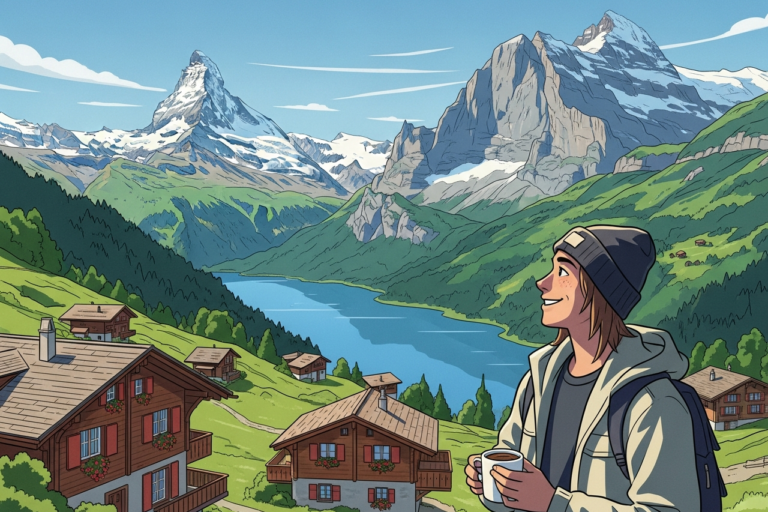
One of the best things about living in Switzerland is how easy it is to get out into nature. The country is heaven for people who love outdoor activities. You can visit places like Lake Geneva or the high alpine peaks. There is amazing scenery all around, and you can reach it by train. Having this easy access to the outdoors makes life in Switzerland really good.
There is something for everyone, whether you like hiking, skiing, mountain biking, or swimming in lakes with crystal-clear water. The trails and places for fun are looked after really well. This makes it easy and safe for people to enjoy the outdoors. Getting active and spending time in these spaces is a good way to keep fit, feel relaxed, and see how beautiful your new home is.
To begin your outdoor adventures:
-
Explore thousands of marked hiking trails all over the country.
-
Swim in clean lakes during the summer months.
-
In winter, ski or snowboard on well-known slopes.
-
Take a boat ride on lakes like Lucerne or Brienz.
Enjoy this great quality of life and easy access to natural beauty. If you want a good year and like being outside, Switzerland is a great choice.
14. Popular Hobbies and Weekend Activities in Switzerland
Swiss life is all about being outside and taking part in cultural events through the year. On weekends, people get into nature no matter what time of year it is. In the summer, many like to go hiking, ride bikes, and swim. These things are a big part of swiss culture. When winter comes, the country is covered with snow. Skiing and snowboarding take over as the main outdoor activities.
There is more to everyday life than just being outdoors. Many local festivals, markets, and concerts help shape swiss life too. Every region has special traditions and ways to celebrate. Going to these cultural events is a good way for people to get to know swiss culture or to meet others. There are also first-class museums and art galleries in many towns.
Popular weekend activities be:
-
Hiking in the Alps or Jura mountains.
-
Visiting a farmers’ market for local produce and cheese.
-
Looking around old towns and castles.
-
Going to a local ‘fest’ to enjoy music, food, and old customs.
15. Understanding Swiss Rules, Regulations and Quiet Hours
Switzerland is known for its high standard of living. This is because the people in swiss society value order and like to follow the rules. If you are new there, you will see that there are rules for almost everything. For example, you need to sort out your recycling. There are even rules for how much noise you can make in your apartment.
One rule that often surprises people who move here is the quiet hours. Most of the time, you cannot make loud noises like vacuuming, turning up your music, or doing laundry at some times. This is usually during lunch, after 10 p.m., and all day on Sundays. It is very important to follow these rules if you want to get on well with your neighbours.
These rules may feel a bit strict when you first get to Switzerland. But this way of living helps the swiss society run smoothly and keeps things calm. If you take time to learn and follow both written and unwritten rules, you will fit in better. Also, you will show respect for local people and their culture. The high standard of living here depends a lot on these things.
16. Food Culture: Swiss Cuisine vs New Zealand Tastes
Get ready for something new for your taste buds. Swiss cuisine is filling, tasty, and comes from German, French, and Italian food traditions. There is a lot more than cheese and chocolate, but these two are found everywhere. Some top dishes like fondue, raclette, and rösti are things you have to try.
If you compare Swiss food to what you eat in New Zealand, you will see the food is richer. There is also more dairy and many potatoes. People use a lot of local and fresh food, and Kiwis will like that. Meat will cost a lot more, and that might surprise you. Your daily expenses from eating out or shopping for meals will be a big part of your total living expenses in Switzerland.
What to try in Swiss cuisine:
-
Fondue: Melted cheese in a shared pot. You dip bread into it.
-
Rösti: A crispy, fried potato pancake. It is often a side dish.
-
Zürcher Geschnetzeltes: Sliced veal cooked with a creamy mushroom sauce.
-
A huge variety of local cheeses and artisan breads.
17. Cultural Shocks and Surprises for New Zealanders
Moving from easy-going New Zealand to Switzerland, where there are many rules, can be a big change. Swiss people tend to be more quiet and formal than Kiwis. The way they speak is often direct, which might come off as rude, but it’s just how they talk here. Many people notice this when they start their expat life in Switzerland.
One of the biggest things to get used to is how everything in swiss society runs on structure and order. People in Switzerland care a lot about being on time, following rules, and making sure things are in their right place. For example, you might find it odd that there are strict quiet hours on Sundays, and the recycling system has a lot of steps. At first, these things can be a bit shocking.
Common cultural shocks for Kiwis include:
-
Swiss people can be quite formal when you first meet them.
-
Almost every shop and business is closed on Sundays.
-
Almost everything is pretty expensive.
-
There is a strong feeling that you must follow the rules and not ask why.
18. Joining Expat Communities and Making Friends
Making friends with people who live in Switzerland can take some time, but the major cities really do have lively and friendly expat communities. It can help so much to meet others who are also going through expat life. This gives you comfort, new friends, and tips you can use day to day. These groups can be found in places like Zurich, Geneva, and Bern.
For expat families, the people in these networks can be very helpful. They can help you find playgroups, swap info about schools, and set up family-friendly events. Many people get their first friends and feel more at home through these groups.
Ways to connect with expat communities:
-
Join Facebook groups for expats in your city or region.
-
Go to events put together by groups like InterNations.
-
Get to know people through work or your children’s school.
-
Find Kiwi or ANZAC-specific groups for a touch of home.
19. Dealing with Bureaucracy: Tips for Smooth Settling-In
Dealing with Swiss bureaucracy can take up a lot of your time, especially when you first move in. There is a lot you need to do, like getting your Swiss residency permit and giving your address. You will fill out many forms. The system does work well and things can move fast at times, but it is very strict. If you forget a paper or miss a date, you could see long waits before you can settle in.
The best way to make this go well is to plan ahead and stay calm. Be ready and keep all key papers in one place. Make some copies too. Be sure to watch for dates and do not let them pass. If you have any questions, do not hold back. It is good to ask, but always do this in a nice way.
Tips for tackling bureaucracy:
-
Keep good records of any letters and all the papers you have sent or got.
-
Come on time for every booking at the office.
-
Bring translated copies of papers if they say you need them.
-
If you get stuck or feel lost, do not wait to get some professional advice.
20. Long-Term Living: Citizenship and Permanent Residency Options
If you find that you like the high standard of living in Switzerland and want to stay for the long term, you should know what your choices are for getting a permanent residence permit or citizenship. After living in the country for many years in a row, you might be able to apply for a permanent residence permit. This is called a C Permit.
The C Permit gives you most of the same rights as people who have Swiss citizenship, but you still can’t vote. This permit gives more safety and makes many parts of life easier. Getting Swiss citizenship takes more time and is harder. For most people who are not from the EU, you must live there for at least 10 years, speak one of the national languages well, and show that you fit in with Swiss society.
Getting citizenship is a big step. It is not the same everywhere, as each canton has their own way. The process has interviews and tests to make sure you have become part of the country for real. For many who take this route, it is the last step to making Switzerland their true long-term home.
Conclusion
To sum up, living in Switzerland can be a great thing for people from New Zealand. There are amazing views, a lot of new things to see, and many chances to try new things. It can be hard to move at first, but learning about how Swiss people do things, handling rules, and joining in with life there can help you feel at home. Try to talk to both other expats and locals, as they can really help you along the way. If you want to start your own Swiss story, you can get in touch for a free chat to find out how to get the most out of living in this lovely place.
Frequently Asked Questions
Is Switzerland expensive for New Zealanders compared to home?
Yes, the cost of living is much higher. Switzerland is one of the most expensive countries in the world. In Swiss cities, your daily expenses for rent, food, and transport will be more than what you pay in New Zealand. You need to be careful with your budget to manage your living expenses well.
How hard is it to adapt to Swiss lifestyle and culture?
Getting used to Swiss culture can be hard at first. The people in Swiss society often keep to themselves and follow the rules. This is different from New Zealand, so it may feel strange when you first arrive. Still, if you take your time and try to learn about the way things work there, you can fit in well. A lot of people find they get to like their new life once they understand the local customs.
What are the main challenges New Zealand expats face in Switzerland?
The big challenges for people who want to get Swiss residency are dealing with the layers of paperwork from the government, facing the high cost of living, and getting used to a more quiet and reserved culture. For foreign nationals, settling in can take time. Making friends who live there needs patience and you need to make an effort.
What is the healthcare process for Kiwis living in Switzerland?
When you move, you have three months to set up mandatory health insurance. Switzerland does not use a tax-funded system like New Zealand. Its universal healthcare system means you need to buy a basic Swiss health insurance plan from a private company. Insurance costs are high, so you need to allow for this in your budget.