What Is Public Transport in the UK?
Public transport in the UK covers the trains, buses, trams and underground systems connecting towns and cities across England, Scotland, Wales and Northern Ireland. Contactless payment is widely available on urban public transport, particularly buses and city networks, but availability varies by operator and route. For many longer rail journeys, you’ll still need to buy a ticket in advance or before boarding. Buses remain the most-used mode: there were 3.7 billion local bus journeys in England in the year to March 2025, while Great Britain’s rail network recorded 1.73 billion passenger journeys over the same period.
If you’re new to the UK, or simply new to getting around without a car, this guide walks through each mode, how to pay, ways to save money, and what public transport in the UK looks like in some of the country’s largest cities. At Remitly, we know that settling into a new routine takes time, and working out how to get around is often one of the first things to figure out.
At a Glance
- Modes: national and local trains, buses, the London Underground, trams and metros in several cities, coaches, and a handful of ferry routes.
- Payment: contactless bank cards and phones work on many services; travel cards like Oyster, Swift and the Bee Network app cover specific cities.
- Costs: a £3 cap applies to eligible single bus fares in England outside London until the end of 2026, falling to £2 from January 2027; train fares vary a lot by time of day and how far ahead you book.
- Discounts: most railcards cut about a third off train fares (the 16-17 Saver gives 50%) for groups including young people, students, families, older and disabled passengers.
- Top tip: booking train tickets in advance and travelling outside peak hours are usually the two easiest ways to bring your costs down.

Types of Public Transport Available in the UK
The UK transportation network is one of the most extensive in Europe, though how it works and how much it costs vary a lot between cities and rural areas. Here’s what’s actually available, mode by mode.
National Rail and Long-Distance Trains

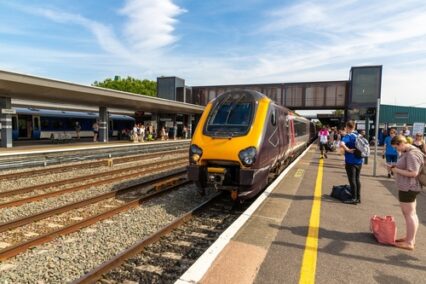
National Rail is the collective system covering most passenger rail services across Great Britain, run by a mix of train operating companies rather than a single national carrier. London also has TfL-operated services including the Underground, the Elizabeth line and London Overground, with different ticketing arrangements applying across parts of the network. Fares generally fall into three types: Advance tickets, tied to a specific service and able to offer substantial savings, though availability is limited and the cheapest quotas may sell out; Off-Peak tickets, valid outside the busiest commuting hours; and Anytime tickets, the most flexible and usually the most expensive. Long-distance rail travel in the UK can be costly, particularly for Anytime fares booked close to departure.
Ownership is changing. Several operators, including South Western Railway, c2c, Greater Anglia, West Midlands Trains and Govia Thameslink Railway, have already moved into public ownership as the government works toward creating Great British Railways, a single body intended to simplify fares and ticketing across the network. Full rollout is still underway, so day-to-day travel currently looks much the same as before.
Local Buses

Local buses run in almost every town and city, though frequency and reliability vary a great deal, with services generally far more frequent in urban areas than in rural ones. Most buses accept contactless card or mobile payment as you board, so you can tap in without needing exact change or a paper ticket.
A £3 cap applies to eligible single bus fares in England outside London until the end of 2026. From 1 January 2027, the maximum fare will fall to £2 on participating services for the rest of 2027. Scotland and Wales run their own concessionary schemes rather than following the same cap, so it’s worth checking your local operator’s website for the current fare in your area.
Underground, Metro, and Light Rail Systems

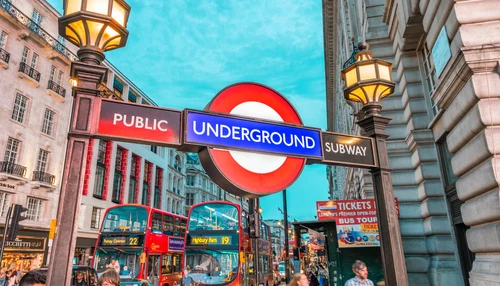
Several UK cities run their own underground, metro or light rail networks alongside National Rail and buses. London has the Underground (the Tube), the DLR and the Elizabeth line; Glasgow has the Subway; Newcastle and the wider Tyne & Wear area have the Metro; and Liverpool’s Merseyrail connects the city region by suburban rail.
Tram and light rail networks operate in Manchester (Metrolink), Birmingham and the West Midlands (West Midlands Metro), Nottingham (NET), Sheffield (Supertram), Edinburgh (Edinburgh Trams) and Blackpool, home to Britain’s oldest tramway.
Coaches

Coaches are often one of the cheapest ways to travel between UK cities, particularly when booked ahead. National Express and Megabus both run extensive networks connecting most major towns, while FlixBus operates coach routes across the UK and into Europe. Journeys typically take longer than the equivalent train route, so coaches suit travellers who’d rather save money than time. If you’re weighing up the cheapest way to travel between UK cities, a coach is usually worth comparing against an Advance rail fare before you book.
Ferries and Other Modes

Ferries fill in the gaps that trains, buses, and roads can’t reach. Caledonian MacBrayne operates lifeline routes connecting the Scottish mainland to islands including Skye, Mull and the Outer Hebrides. Stena Line runs sailings between Great Britain and Northern Ireland, including the Cairnryan–Belfast crossing, alongside connections to the Republic of Ireland, useful if you’re continuing your journey to Belfast or Dublin by sea rather than by air.
How to Pay for Public Transport in the UK

Paying for public transport in the UK is usually straightforward, though the details differ from city to city.
- Tap a contactless bank card or phone wallet at the reader when you board a bus, tram or Tube, and tap out again if the system requires it, using the same card each time, since mixing cards can result in an incorrect or higher charge.
- Check whether your city has its own travel card: London’s system is called Oyster, the West Midlands uses the Swift card, and Greater Manchester’s Bee Network offers integrated ticketing options across buses and trams, with some tickets also covering local rail.
- If you’re travelling from overseas, confirm your bank card supports contactless payments abroad, and check for any foreign transaction fees before relying on it day to day.
- For longer train journeys, book through the operator’s website, the National Rail Enquiries app or Trainline. Booking earlier often gives you access to a wider choice of lower-priced Advance fares, though prices don’t rise on a fixed schedule.
Some contactless systems, including Transport for London, automatically cap eligible pay-as-you-go spending at daily or weekly limits. Capping isn’t universal, so check the rules for the network you’re using.
How to Save Money on Public Transport in the UK
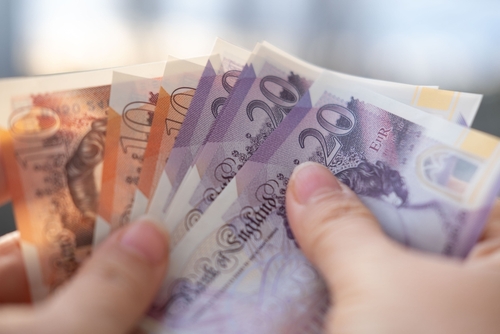
Public transport in the UK isn’t cheap, particularly for longer rail journeys, but there are practical ways to bring your costs down.
Most Railcards offer around one-third off eligible train fares, while the 16-17 Saver gives 50% off most rail travel. Several are available depending on your circumstances:
- 16-17 Saver – for travellers aged 16 to 17
- 16-25 Railcard – for young people aged 16 to 25, and mature students
- 26-30 Railcard – for adults in their late twenties
- Senior Railcard – for anyone 60 or over
- Disabled Persons Railcard – for the holder and one travelling companion
- Family & Friends Railcard – for groups travelling with children
- Two Together Railcard – for two people who often travel as a pair
- Veterans Railcard – for armed forces veterans and their families
- Network Railcard – for discounted travel across London and the South East
Booking Advance tickets as early as you can, and travelling Off-Peak rather than at Anytime, both bring fares down considerably on longer journeys, since Anytime tickets exist mainly for flexibility rather than value.
On buses, the £3 fare cap already covers eligible single journeys in England outside London (falling to £2 from January 2027), and concessionary passes are available for older and disabled passengers, though the exact age and eligibility rules differ between England, Scotland, Wales and Northern Ireland, so it’s worth checking with your local transport authority. Students may also find discounted travel passes through their college or university, and the cheapest way to save on day-to-day budgeting is usually a combination of a railcard, an Off-Peak fare, and a local bus pass rather than any single ticket type.
Getting Around Major UK Cities

Transport quality varies significantly between UK cities. What holds true in London rarely holds in a smaller city, and vice versa, so here’s what to expect in some of the places you’re most likely to be living in or visiting.
London has by far the most extensive network, combining the London Underground, buses, the DLR, the Elizabeth line, London Overground and river services. The Hopper fare lets you make unlimited bus and tram journeys within one hour of first touching in for the price of a single fare, and the Night Tube runs on the Central, Jubilee, Northern, Piccadilly and Victoria lines through Friday and Saturday nights. Santander Cycles, London’s docked bike-hire scheme, offers another way to get around the centre. Step-free access has improved across the network but still varies by station, so it’s worth checking accessibility for London’s main train stations before you travel if this matters to you.
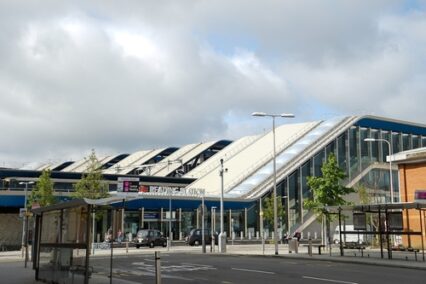
Greater Manchester has been consolidating its buses, trams and some local rail services under the single Bee Network brand, with the eventual aim of covering the whole region under one ticketing system. The Metrolink tram network connects the city centre to the wider region, and Manchester’s train stations serve longer-distance rail journeys.
Birmingham and the wider West Midlands are served by the West Midlands Metro tram line alongside local buses and Birmingham’s train stations. Ticketing across operators isn’t fully unified, so the Swift smartcard is usually the easiest way to keep costs down if you’re travelling regularly across different buses and trams.
Edinburgh’s compact centre is easy to cover on foot, with Lothian Buses and Edinburgh Trams covering the rest of the city and out towards the airport.
Glasgow is served by ScotRail, a network of bus operators including First Glasgow and McGill’s, and the Glasgow Subway, Scotland’s only underground network, operated by Strathclyde Partnership for Transport (SPT).
Leeds relies on an extensive bus network alongside regional rail connections, though unlike some comparable English cities, it doesn’t yet have its own tram or underground system.
Bristol’s public transport runs mainly on buses, supplemented by regional rail links and a well-used network of cycle routes across the city.
Cardiff is served by Transport for Wales rail services and local buses, with the Cardiff Bay area connected to the city centre by both.
Belfast’s public transport is run by Translink, covering local Metro buses, regional Ulsterbus services and NI Railways trains across Northern Ireland.
How to Plan a Public Transport Journey in the UK

A handful of apps cover most of what you’ll need to plan a journey, whether you’re going two stops or two hundred miles.
- Google Maps – live directions across most transport modes, in most towns and cities
- Citymapper – detailed, multi-modal journey planning in many of the UK’s largest cities
- National Rail Enquiries – official train times, live departures and disruption updates
- Trainline – search and book train and some coach tickets across operators in one place
- Omio – compares train, coach and flight options for longer journeys
- TfL Go – Transport for London’s own app, useful for step-free routes and live Tube status
- Traveline – covers rural and smaller bus routes that don’t always appear in other journey planners
If you’re travelling somewhere without frequent services, Traveline or your local operator’s own app is usually more reliable than a general journey planner.
Frequently Asked Questions About Public Transport in the UK
What’s the cheapest way to travel between UK cities?
Coaches are often one of the cheapest options, especially with National Express, Megabus or FlixBus if you book ahead. Advance train tickets can come close in price on some routes, so it’s worth comparing both before you travel, particularly if you’re flexible about which day or time you go.
How do I pay for public transport in the UK?
Most buses, trams and the London Underground accept contactless bank cards or a phone wallet, so you simply tap in as you board. Longer train journeys are usually booked in advance through an operator’s website, Trainline or the National Rail Enquiries app rather than paid for by tapping in.
What is an Oyster card, and do I need one?
Oyster is London’s rewritable travel card for pay-as-you-go journeys across buses, the Tube, the DLR and more. For standard adult pay-as-you-go travel, Oyster usually isn’t necessary if you have a suitable contactless card, since comparable fares and caps apply. Oyster can still be useful if you need certain Railcard discounts or prefer to preload credit.
Are there discounts or railcards for public transport?
Most Railcards cut about a third off train fares for groups including young people, students, families, over-60s and disabled passengers, though the 16-17 Saver gives 50% off. Buses carry a separate £3 fare cap outside London, and concessionary passes for older or disabled passengers exist too, though eligibility rules differ across England, Scotland, Wales and Northern Ireland.
Is UK public transport accessible for disabled passengers?
Accessibility has improved over time, though it still varies by station, stop and city, and many Underground and rail stations lack step-free access. The Disabled Persons Railcard offers a third off fares for the holder and a companion, and apps like TfL Go can help you check step-free routes before you travel.
Does public transport work the same way in Scotland, Wales and Northern Ireland?
Not entirely. ScotRail operates most domestic rail services within Scotland, while Transport for Wales operates the main domestic rail network in Wales, though other operators also run cross-border and long-distance services. Northern Ireland’s buses and trains both run under Translink. Each nation has its own fares, passes and concessionary schemes rather than following England’s rules.

Key Takeaways: Public Transport in the UK
Getting around the UK without a car is genuinely workable in most cities, even if costs and coverage vary more than you might expect between somewhere like London and somewhere like Leeds. Buses, trains, trams and a handful of ferries connect most of the country; contactless payment now covers the majority of journeys, and a little planning around railcards and Off-Peak fares goes a long way.
- Buses are the most-used mode in England, with 3.7 billion journeys in the year to March 2025.
- A £3 cap applies to eligible single bus fares in England outside London until the end of 2026, falling to £2 from January 2027.
- Railcards can cut about a third off most train fares for eligible groups.
- Travel cards like Oyster, Swift and the Bee Network app simplify journeys in specific cities.
- Booking train tickets in advance and travelling Off-Peak are two of the most reliable ways to save.
If you’re moving to the UK, getting comfortable with public transport is one of the more manageable parts of settling in, and it’s worth budgeting it in alongside rent and other regular costs as you get set up.
This guide draws on data from the Department for Transport, the Office of Rail and Road, and official operator and government sources, cross-checked in September 2026.
Last reviewed: September 2026