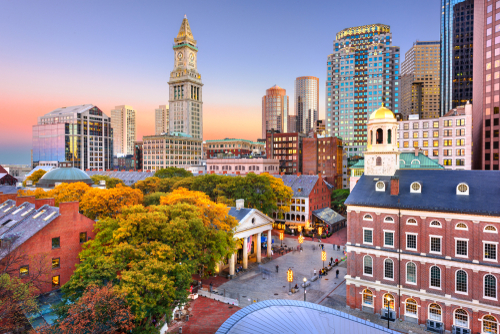
Visiting the United States often means renting a car and navigating massive, multi-lane highways. For British travellers accustomed to strolling to the local shops or hopping on a reliable train, the sheer scale of American cities can feel overwhelming. Fortunately, Boston offers a very different experience.
Boston is widely considered the most European city in the United States. Its winding streets, historic brick buildings, and compact layout make it feel wonderfully familiar to anyone used to wandering through London or Edinburgh. You do not need a vehicle to enjoy a holiday here. In fact, driving in Boston is notoriously stressful and parking is very expensive.
If you want to know whether you can explore a US city without hiring a car, the quick verdict for Boston is a resounding yes. You can comfortably rely on your own two feet and the local public transport system. This guide will help you plan your itinerary, choose the right neighbourhood, and navigate the city with ease.
Is Boston One of America’s Most Walkable Cities?
Boston consistently ranks at the top of national walkability indexes. The city’s geography and history play a major role in this.
Unlike most American cities built on rigid grid systems, Boston grew organically over centuries. The streets follow the natural curves of the original peninsula. This historic street layout creates a highly pedestrian-friendly environment filled with shortcuts, pedestrian crossings, and scenic pathways.
The city centre is also incredibly compact. You can walk across the main downtown area in less than an hour. The local government has invested heavily in pedestrian infrastructure, ensuring pavements are wide and green spaces are accessible. You will find that navigating Boston on foot is not just possible, but highly encouraged.
Best Areas for Walking in Boston
Choosing the right neighbourhood to base yourself in will make your car-free trip much smoother. Here are the best areas for exploring on foot.
Back Bay
Back Bay is famous for its beautiful Victorian brownstone homes and tree-lined streets. It is exceptionally flat and easy to navigate. You will find excellent shopping along Newbury Street and stunning views by the Charles River.
Beacon Hill
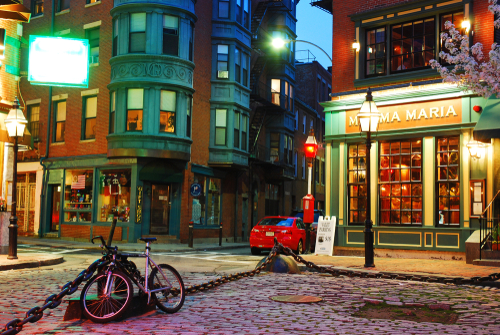
This is one of the oldest and most picturesque neighbourhoods in the city. Beacon Hill is famous for its steep, narrow streets and gas-lit cobblestone paths. While the hills will give your legs a good workout, the historic architecture makes every step worthwhile.
North End
Often referred to as Boston’s Little Italy, the North End is a dense, bustling neighbourhood. It is completely pedestrian-friendly. The narrow streets are packed with cafes, bakeries, and historic sites. You can easily spend an afternoon walking from one pastry shop to the next.
Downtown Boston
Downtown is the commercial heart of the city. It is very pedestrianised, especially around the Downtown Crossing area. Staying here puts you right in the middle of the action, with immediate access to major transport hubs and historic landmarks.
Cambridge
Located just across the Charles River, Cambridge is technically a separate city, but it feels like an extension of Boston. Home to major universities, it features highly walkable squares, leafy university campuses, and plenty of pedestrian-friendly cafes.
Can You Visit Boston Without a Car?
You absolutely can visit Boston without a car. The city offers excellent public transport options to support your walking itinerary.
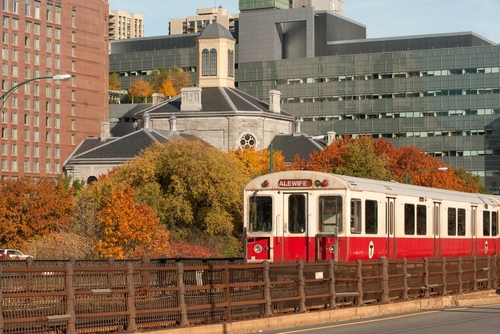
The Massachusetts Bay Transportation Authority (MBTA) runs the local transport network. Locals simply call it the “T”. This underground and overground rail system connects all the major neighbourhoods. It is affordable, easy to use, and very reliable.
Walking between attractions is often faster than taking a taxi due to heavy traffic. You will find that many major historical sites are clustered closely together.
Airport transfers are also straightforward. Boston Logan International Airport is located very close to the city centre. You can take the Silver Line bus or the Blue Line underground train directly from the airport to downtown Boston for a few dollars. There is no need to pay for an expensive private transfer.
Top Attractions Within Walking Distance
Boston’s history is best experienced on foot. Here are some top sites you can easily walk to.
Freedom Trail
The Freedom Trail is a 2.5-mile red brick path that winds through the city. It connects 16 historically significant sites. Walking this trail is the best way to understand Boston’s role in the American Revolution.
Boston Common
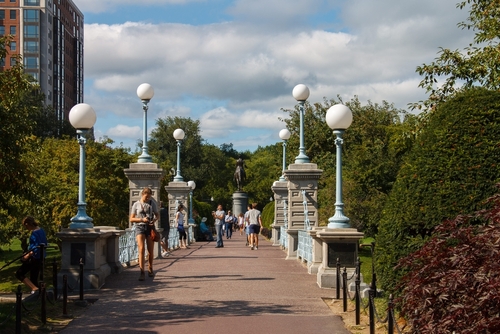
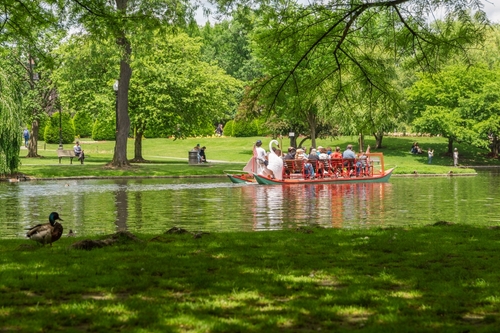
Boston Common is the oldest public park in the United States. It sits right in the middle of the city. You can walk through the beautiful Public Garden next door and take a ride on the famous Swan Boats.
Quincy Market
Located near the waterfront, Quincy Market is a historic market complex. It is a fantastic place to grab lunch. The entire area is pedestrianised, making it a safe and relaxed place to wander.
Harvard University
Take the Red Line train to Harvard Square in Cambridge. The university campus is beautiful and completely walkable. You can join a student-led walking tour to learn about the history of this prestigious institution.

Weather and Seasonal Walking Advice
Boston experiences four distinct seasons, which will impact your walking plans.
Winter brings freezing temperatures, snow, and ice. Pavements can become slippery. If you visit between December and March, pack warm layers and waterproof walking boots with good grip.
Summer can be very hot and humid, especially in July and August. Plan your longest walks for the early morning or late afternoon. Carry a water bottle and take advantage of the shade in the city’s many parks.
The best seasons for walking are spring and autumn. May brings mild temperatures and blooming flowers, while October offers crisp air and spectacular autumn foliage. These months provide the most comfortable walking conditions.
Best Hotels for Car-Free Travellers
When booking accommodation, look for hotels near a “T” station. Staying in Back Bay, Downtown, or the Seaport District will serve you best.
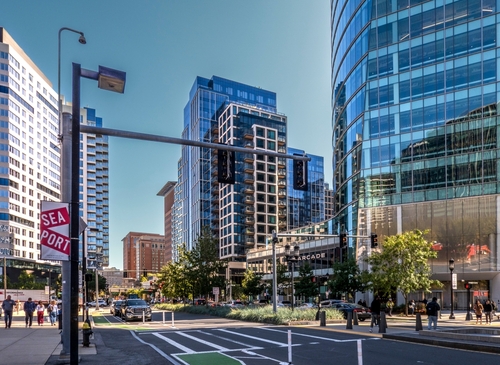
Hotels in Back Bay offer easy access to the Green Line and the Orange Line. Downtown hotels put you within walking distance of the airport connections and the Freedom Trail. The Seaport District is slightly newer but features excellent pedestrian pathways along the waterfront.
We recommend checking the exact distance to the nearest underground station before you book. This simple step will save you from dragging heavy luggage across town.
Frequently Asked Questions (FAQs)
Is Boston safe to walk around at night?
Yes, central Boston is generally very safe for pedestrians at night. Neighbourhoods like Back Bay, Beacon Hill, and the North End are well-lit and busy. Always practice standard travel safety and stay aware of your surroundings.
Do I need to buy a transport pass?
If you plan to use the underground frequently, purchasing a 7-day MBTA pass is a smart choice. It offers unlimited travel on the underground and local buses, making it very cost-effective.
Are the pavements accessible for buggies and wheelchairs?
Most of central Boston is highly accessible. However, historic areas like Beacon Hill have steep inclines, uneven brick pavements, and narrow paths that can be challenging to navigate.
Planning Your Car-Free American Holiday
Boston is an ideal destination for British tourists who prefer walking cities. It offers a rare blend of American culture and European accessibility. You can comfortably leave the driving behind, save money on car hire, and experience the city’s rich history at your own pace.