Arriving in an American city and expecting a network like the London Underground can lead to a quick reality check. Public transport in the US varies massively depending on where you land. Some cities offer exceptional transit networks. Others rely almost entirely on cars.
Understanding these differences helps you avoid confusion, save money, and plan realistic travel times. This guide explains what to expect, how to get around, and when public transport works well during your American trip.
If you are a UK traveller visiting cities like New York, Los Angeles, or Chicago for the first time, this guide is for you. Based on real travel experience across multiple US cities, we focus on the practical differences between the UK and US systems. We cover both major cities with extensive networks and less connected areas where you might need alternative plans.
Is Public Transport Good in the US?
The short answer is that it depends entirely on your location. Public transport is excellent in a few major cities, decent in others, and very limited in many parts of the country.
As a simple rule, if you are visiting a major, densely populated city, the public transport system will likely be highly usable. If you are staying in a smaller city or the suburbs, you will probably need a car.
Key Differences Between the UK and the US
Setting the right expectations early will make your trip much smoother. The US system operates very differently from what you might be used to back home.
First, there is no single nationwide network like National Rail. US cities operate their transit systems completely independently. Because of this, ticketing systems vary widely from one state to the next. Distance also matters significantly more. American cities are larger and more spread out than UK cities. Finally, car culture remains dominant in many areas, meaning public transport is sometimes treated as a secondary option.
Types of Public Transport in the US
Navigating American cities means understanding the different modes of transport available. Here is a breakdown of what you will find.
Subways and Metro Systems
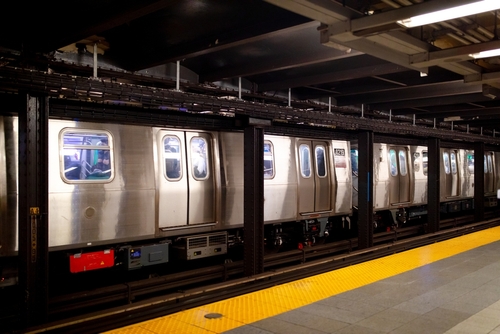
These are found primarily in major cities. They operate similarly to the London Underground, providing frequent service in dense urban areas.
You will typically find them in large, densely populated cities like New York, Boston, and Washington D.C. The routes are often simple to follow, though they may have fewer intersecting lines than London. Some systems run 24 hours a day, while others close late at night.
Buses
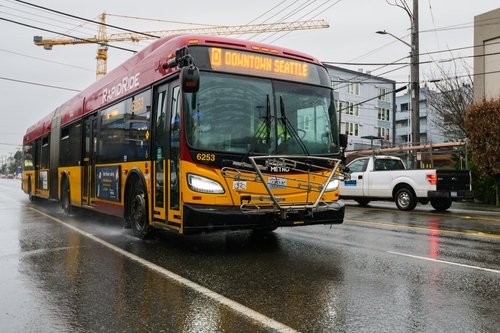
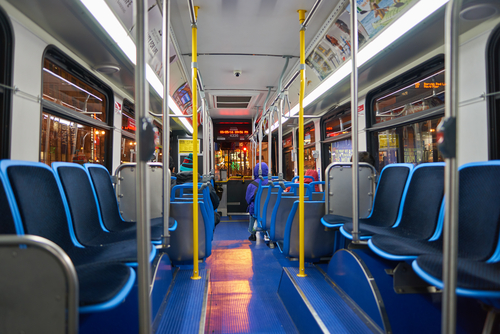
Buses remain the most common form of public transport across the US. They offer wide coverage and are generally very affordable.
However, they can be slower and less predictable than trains. Navigating local bus routes can feel confusing if you do not plan ahead. Using live tracking apps on your phone is essential for checking routes and arrival times.
Commuter Trains
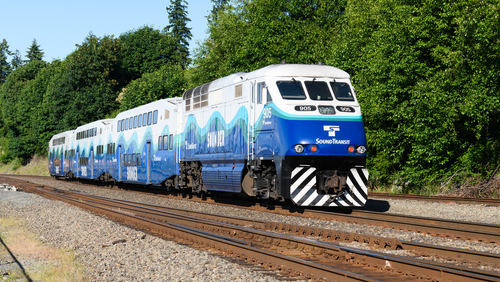
Commuter trains connect city centres to surrounding suburbs or nearby towns. They feel more similar to UK regional rail services. You will find them highly useful for day trips or travelling directly into a downtown area from the outskirts. Keep in mind that they often run less frequently than UK trains, especially outside of peak commuting hours.
Trams and Light Rail
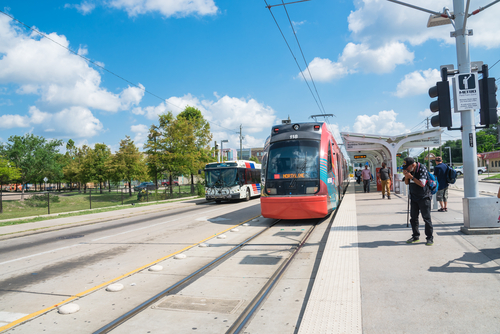
You will find trams and light rail systems in specific cities, such as San Francisco, Seattle, or Portland. They are typically used for short urban routes, airport connections, or moving around downtown loops.
Long-Distance Trains
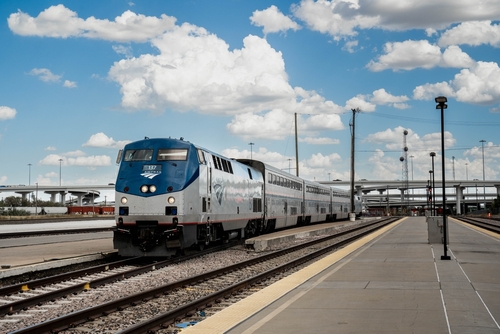
Long-distance train travel is available through Amtrak, but it is not always the most practical choice. These trains are often slower and less frequent than UK intercity trains. They are generally better suited for scenic journeys across the country rather than quick travel between destinations.
Paying for Public Transport
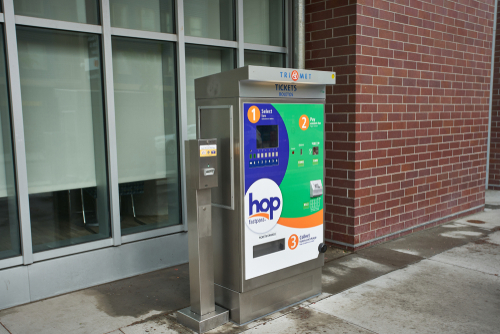
There is no universal ticketing system in the US. Each city manages its own fares. You will encounter several common payment methods during your travels.
Many cities now accept contactless card payments directly at the turnstile. Others require you to download a specific mobile app to buy digital tickets. In some places, you will need to purchase a reloadable travel card from a station machine. Paper tickets are still used in certain regions, particularly for commuter trains.
Always check the local system requirements before you travel. Do not assume your UK contactless card will work everywhere, as some older systems only accept local travel cards or exact cash.
How to Plan Your Journeys
Mapping apps on your smartphone are essential in the US. They provide real-time updates, route planning, and delay notifications.
Expect longer travel times than you might initially assume. Because American cities are heavily spread out, you may also need to do more walking between transit stops than you would in the UK.
When Public Transport Works Well
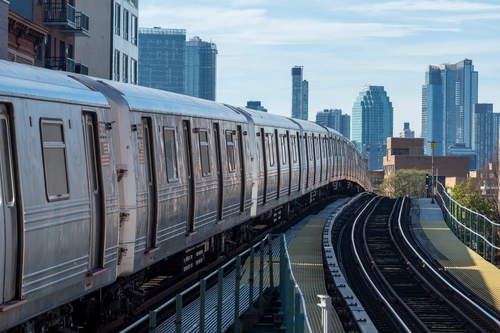
Public transport shines in dense city centres and tourist-heavy areas. If you are moving between major landmarks in a city like New York or Chicago, the local transit system is highly efficient. Airport-to-city rail links are also typically reliable and offer a great way to avoid sitting in highway traffic.
When Public Transport Falls Short
Transit systems become much less reliable in the suburbs and residential areas. Services often drop off late at night in many cities. In smaller towns and rural regions, public transport is often non-existent.
Do You Actually Need a Car?
Deciding whether to rent a car depends entirely on your itinerary.
You probably do not need a car if you are visiting a major city and staying centrally. In places like Manhattan or central Boston, having a car is actually a hindrance due to traffic and expensive parking.
You will definitely need a car if you are planning a road trip, visiting multiple smaller cities, or exploring national parks and rural areas.
Many travellers opt for a hybrid approach. You can rely on public transport while exploring a major city, and then rent a car for the portion of your trip that takes you out into the countryside.
Costs and Budgeting

Transport costs are generally similar to or slightly cheaper than UK urban transport. However, fares vary widely by city. Buying day passes or weekly unlimited travel cards often offers the best value if you plan on taking multiple trips each day.
Safety and Practical Tips
Most transit systems are safe, but staying aware of your surroundings is important. Travel during busier times where possible. Always keep a close eye on your belongings. You may notice that some stations and routes feel less maintained than what you are used to in the UK, but they remain functional and secure for millions of daily commuters.
Common Mistakes Brits Make
Many first-time visitors make a few standard errors. The biggest is assuming every city has a Tube-style system. Another common mistake is underestimating distances on a map. Failing to check the time of the last train or bus can also leave you stranded. Finally, relying entirely on public transport in heavily car-dependent areas, like Los Angeles or Texas, can lead to a frustrating experience.
Practical Tips from Experience
Always check your routes the night before you travel. Screenshot your directions in case you lose mobile signal underground. Allow extra time for connections, as transferring between different transport networks can take longer than expected. If you plan to rely heavily on public transport, make sure you book accommodation near central transit hubs.
Frequently Asked Questions (FAQs)
Can I use my contactless card everywhere?
No. While many major cities like New York and Chicago accept contactless bank cards at the gate, others require you to buy a local transit card or use a specific app. Always check the local transit authority’s website before your trip.
Is public transport safe in US cities?
Yes, millions of people use it safely every day. However, it is always wise to stay alert, keep your belongings secure, and stick to busy, well-lit areas, especially late at night.
Are there travel passes like in London?
Yes. Most major cities offer day passes, weekly passes, or reloadable smart cards similar to an Oyster card. These usually offer excellent value for tourists.
How reliable are buses?
Buses are great for coverage but can be delayed by heavy city traffic. Using a live-tracking app on your phone is the best way to ensure you are not waiting unnecessarily at a bus stop.
Can I get from the airport easily?
Most major international airports have dedicated rail or bus links to the city centre. These are often cheaper and sometimes faster than taking a taxi during rush hour.
Making the Most of Your US Travel Experience
Public transport in the US can be excellent, provided you are in the right places. Planning ahead and setting realistic expectations will make a huge difference to your trip. Do not assume UK-style coverage is the norm everywhere you go. In many cases, combining local public transport with occasional car rentals or ride-share apps will give you the best, most stress-free travel experience.