Key Highlights
Here are the key highlights of Iraqi wedding traditions:
-
In an Iraqi wedding, the families of the groom and the bride both take part in most of the plans and events. The way families help is at the heart of these wedding traditions.
-
Before the wedding, there is a big engagement party, called the Nishan, where families and friends come together. They also have a fun and happy henna party with music and henna art.
-
When it is time for the wedding ceremony, people often see a marriage contract get signed. There will be important moments full of religious and cultural meaning during this part.
-
After the celebrations, the couple will move into a new house. This step shows they are starting a new life together.
-
Meeting between families, called the Mashaiya, is an important first step. Family members talk and set up the main details and plans for the marriage.
These steps all help make an Iraqi wedding special, from the engagement party and henna party to the wedding ceremony and moving into a new house.
Introduction
Welcome to the world of Middle Eastern celebrations. When you live in Canada, looking at wedding traditions from other places is a good way to learn what they value and how they live. In this piece, we look into an Iraqi wedding. You will get to see the lively ways people in Iraq celebrate love and family. There are many rich customs that show how much family and friends matter there. The iraqi wedding is full of old rituals that go back years. They make the day special for everyone. The union of two people and two families becomes a big event, with many things to enjoy, and memories that last a long time.
Understanding the Foundations of Iraqi Wedding Traditions
The real heart of an Iraqi wedding is how close it is to family and community. In Iraq, it is much different from many Western weddings. Here, the groom’s family and the bride’s family are very much involved right from the start. The groom’s parents usually get things going. They help make sure the wedding is about two families coming together, not just two people.
This strong link to family is seen even more in rural areas. Out in those parts, people hold on to traditions in a big way. Involving family members makes sure that the couple has a good support from their community when they start their new life. Now, let’s see how these family ties and community support shape the Iraqi wedding process.
The Role of Family and Community in Marriage Arrangements
In Iraq, marriage is seen as a bond between two families, not just two people. The role of family members in planning a marriage is important and respected. Most times, the groom’s family shows interest in the bride. The groom can start this, or his parents may do it. After that, the groom’s family reaches out to the bride’s family and proposes marriage.
This tradition is strong in rural areas. The community is close, and family honour matters a lot for people in Iraqi culture. The first talks between the groom’s family and the bride’s family are very important. These talks deal with what both sides want, the couple’s future, and respect for everyone involved. This team approach helps start the marriage with understanding and help from both sides.
For a marriage to happen, both families must agree. This way of making decisions shows the community spirit in Iraq. Big life events, like weddings, are shared and celebrated by all. This binds everyone together and gives the couple a strong group of support for their future.
Religious and Regional Influences on Ceremonies
Religious influences are a big part of an Iraqi wedding. In most Muslim families, the Imam is there at the ceremony. He reads from the Quran and makes sure the marriage is set up by Islamic law. This is a main part of the event. It gives help and blessing to the couple as they start their life. The marriage contract gets signed during the wedding. This makes the bond legal and important by religious rules.
Where the wedding happens can change how it’s done. If the wedding is in Baghdad, there can be more new parts mixed in with old ways. In rural areas, families like to keep the old customs and do things like people did in the past. These differences show just how rich and wide Iraqi culture is.
The Arabic language is at the heart of all the rituals. Prayers, special blessings, and the big announcements are in Arabic. This helps bring all the religious and regional customs together. So, the ceremony feels truly Iraqi. It doesn’t matter if it happens in a fancy hall in the city or a home in the countryside.
Engagement Customs and Pre-Wedding Rituals
Before the wedding day, Iraqi couples and their families take part in some special pre-wedding moments. These traditions help make the engagement official and also let everyone get excited for the wedding. At first, these gatherings have some formality, but soon everyone is happy and the parties feel warm and fun with family and close friends.
The main events are the Nishan, which is an engagement party, and the henna party, which is very lively. Both are important times for the families to come together. These moments also let the community join in and celebrate with the couple. Let’s look more closely at these Iraqi traditions around the engagement party and the henna party.
Mashaiya – The First Family Meeting
One of the first big steps in an Iraqi marriage is the Mashaiya. This is the first time the two families meet in a formal way. The groom’s parents and elder family members go to visit the bride’s family. They ask her family if she can marry their son.
The Mashaiya is about respect between both families. The groom’s family tells why they are there, and the bride’s family can say yes to the offer. It is a key time that shows how the families will get along. This meeting forms a link between more than the couple; it is a moment for both families to join together.
When the bride’s family says yes, the celebrations start. This successful Mashaiya is the real start of the engagement. Planning picks up, and happy times follow. The first visit shows how much parental blessing and the agreement of all family members matter in the Iraqi marriage process.
Celebrating Nishan and Henna Nights
After the Mashaiya, the Nishan is when there is the official engagement party. The couple swaps rings. This is a big event with family and close friends. People come together with music, dancing, and good food. At this engagement party, the marriage contract can be talked about or even signed. This shows the couple is really making a commitment in front of the law and their community.
A few days before the wedding, there will be a henna party for the bride. This is just for women. There is lots of fun and laughing. It is a special time for the bride, her friends, and her female family members. The best part of the henna party is making beautiful henna designs on her hands and feet. People think henna will bring her luck and beauty.
The henna party is very bright and full of life. Some main things there are:
-
The bride wears a traditional outfit, which can be quite fancy.
-
There is singing and people dance to music that everyone knows.
-
Guests often get smaller henna designs too.
-
Sweets are shared with everyone to mark the bride’s last days as a single woman.
Key Events of the Traditional Iraqi Wedding Ceremony
The big event is the Iraqi wedding ceremony. On this day, the bride often wears a beautiful white dress, and the groom joins her. It is the day when they become husband and wife. People say it’s a grand and joyful event, with many deep rituals handed down from one year to the next. After the ceremony, the couple starts their life together on their wedding night.
From the start to the end, including the walk and reception, every part of an Iraqi wedding is full of joy and meaning. The whole day is for the couple to show their love in front of all people. It’s also a huge party for everyone in the community. Here’s what happens during this special day.
The Wedding Day Program and Main Rituals
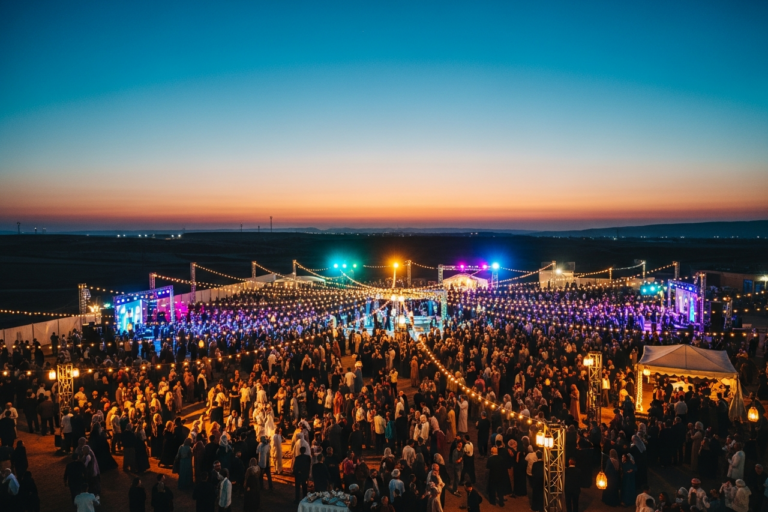
An Iraqi wedding day is a meticulously planned event, flowing from one meaningful ritual to the next. The day typically begins with preparations at the respective family homes. The main wedding ceremony usually takes place in the evening at a large hall, followed by a lively wedding reception filled with music, dancing, and feasting.
A significant moment is when the groom and his family go to the bride’s family home to escort her to the wedding venue. This procession, known as the Zaffa, is accompanied by music and dancing. After the reception, the newlyweds are escorted by a convoy of their family and friends to their new house, symbolizing the community’s support as they start their life together.
Here is a simplified flow of a typical Iraqi wedding day:
|
Event |
Description |
|---|---|
|
Bride’s Preparation |
The bride gets ready with her female family members and friends. |
|
The Zaffa |
The groom’s procession to the bride’s house to escort her to the venue. |
|
Wedding Ceremony |
The formal marriage rituals, including the signing of the contract. |
|
Wedding Reception |
A large celebration with food, music, and dancing. |
|
Escort to the New House |
Guests accompany the couple to their new home to wish them well. |
Sofreh Al Aghd and Its Symbolism in Iraqi Weddings
The Sofreh Al Aghd is mostly known in Persian culture. But now, you can also find it at some Iraqi weddings, especially where there is a mix of traditions. It is a lovely setup of important items that give good wishes for the couple’s new life. People place these items on a cloth on the floor or on a low table in front of the couple during the marriage contract ceremony.
Each thing on the Sofreh Al Aghd has its own meaning. For example, the mirror is there to show hope for a bright future. Candles are meant to bring energy and clear thinking. Honey stands for sweetness in their marriage. During the ceremony, the couple might dip a pinky in the honey and feed it to each other. They do this to hope for a sweet life together. This moment helps make the signing of the marriage contract special and meaningful.
These items, talked about in Arabic and blessed with religious prayers, share the best wishes for the couple’s life. The Sofreh Al Aghd is there to show dreams for things like having children, having enough money, and living with light and sweetness. It is a loving wish for the wedding night as well as all the days they will share after that, showing hope for the couple and their future together.
Conclusion
Looking at wedding traditions in Iraq shows lots of rich customs. These are often about family, friends, and what people care about in their culture. The things people do for engagement and on the wedding day are filled with feeling. Each part helps bring families together and remembers where they come from. When we get to know these wedding traditions, we see different ways people show love. We also see how strong community ties are in these special events. If you are making plans for your own wedding day, you can get ideas from these Iraqi customs. Every tradition says something about the people involved. Want to add some cultural things to your big day? You can ask for helpful tips to make it special!
Frequently Asked Questions
Are there differences between Kurdish and Arab Iraqi wedding traditions?
Yes, there are clear differences when it comes to kurdish and arab iraqi weddings. Both types of weddings are big on family and having a good time, but there are things that make them stand out. People dress in different ways, play different music, and have their own special steps for the day. These things show how most kurdish and arab groups have their own ways in iraq. So, if you go to a wedding in baghdad, it will feel different from one you find in a kurdish spot.
What is the typical wedding attire for Iraqi brides and grooms?
At a modern Iraqi wedding ceremony, the bride often wears a lovely white dress, much like what you see in Western weddings. During the party after the ceremony, she may switch into a few different colourful and fancy traditional outfits. The groom is usually in a smart, new suit, ready for his big day. This is what you might see at an Iraqi wedding.
How are food and drinks chosen for Iraqi wedding celebrations?
Food and drinks at an Iraqi wedding show the family’s warm welcome and generosity. At the wedding reception, you will see a big buffet filled with many Iraqi dishes. There are grilled meats, rice meals like biryani, and a lot of appetizers. In city weddings, people often have many food choices. In rural areas, the menu covers more local food that is special to that place.