Quick answer: Trinidad and Tobago Independence Day falls on August 31 each year, marking the nation’s independence from Britain in 1962. For Canadians, the date carries special significance—Trinidad’s carnival traditions directly shaped Toronto’s Caribbean Carnival (Caribana), one of the largest street festivals in North America.
Every August, hundreds of thousands of people line the streets of Toronto for a celebration of colour, steel pan music, and elaborate masquerade costumes. What many don’t realise is that this spectacle traces its roots directly to a small twin-island nation in the southern Caribbean. Trinidad and Tobago Independence Day is more than a national milestone for Trinidadians and Tobagonians—it’s the cultural thread connecting two countries separated by thousands of kilometres.
Here’s what the day means, how it’s celebrated, and why Canadians have more reason than most to pay attention.
What is Trinidad and Tobago Independence Day?
Trinidad and Tobago declared independence from Britain on August 31, 1962, becoming one of the first Caribbean nations to govern itself in the post-colonial era. The date marked the end of over 150 years of British rule and the beginning of a sovereign nation built on an extraordinarily diverse cultural foundation—African, Indian, Chinese, Syrian, and European influences had been woven together over centuries of colonial history.
In 2026, the country will mark 64 years of independence. Celebrations take place across both islands, with the capital, Port of Spain, hosting the largest events. Expect flag-raising ceremonies, military parades, live performances, street parties, and the kind of pan music that seems to make the humid August air vibrate.
What makes Trinidad and Tobago’s Independence Day culturally distinct?
Few national independence days carry as much artistic weight as Trinidad and Tobago’s. The nation is the birthplace of the steel pan—the only acoustic instrument invented in the 20th century—and home to one of the world’s most celebrated carnival traditions. Independence Day celebrations draw on all of it: soca and calypso music, elaborate mas (masquerade) costumes, and the communal energy that defines Trinbagonian culture.
The timing also matters. August 31 falls near the end of summer, when many Trinidadian and Tobagonian diaspora communities are already in a festive mood following the season’s various Caribbean cultural events. In Canada, that overlap is hard to miss.

Why does Trinidad and Tobago Independence Day matter to Canadians?
Canada is home to one of the largest Trinidadian and Tobagonian diaspora communities in the world, concentrated primarily in the Greater Toronto Area. That community didn’t just bring its people to Canada—it brought its culture, and that culture fundamentally shaped how Toronto celebrates.
Toronto’s Caribbean Carnival, commonly known as Caribana, was founded in 1967 by members of the Caribbean diaspora, many of them Trinidadian and Tobagonian. The festival was modelled directly on Trinidad’s carnival traditions: the mas bands, the steel pan competitions, the costumes, the road march format. Today, Caribbean Carnival attracts over one million visitors annually and generates an estimated $500 million in economic activity for the city, according to the Festival Management Committee.
That lineage makes Trinidad and Tobago’s independence not just a foreign holiday, but a story that belongs, in part, to Toronto.
How do Trinidadian and Tobagonian communities in Canada mark Independence Day?
Celebrations vary by city and community, but Toronto tends to be the centre of activity. Community organisations host cultural evenings, church services, and flag-raising events. Trinidadian restaurants see a surge in patrons looking for doubles, roti, and pelau. Social clubs and diaspora associations often hold formal dinners with live music.
For many families, August 31 is an occasion to call home, share photos, and remind younger Canadian-born generations of where their families came from. It’s a quieter celebration than Caribana, more intimate—but no less meaningful.

What are the main traditions of Trinidad and Tobago Independence Day?
Flag ceremonies and national symbols
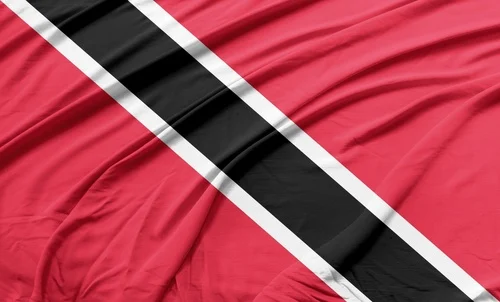
The national flag—red, black, and white—appears everywhere on Independence Day. The colours represent the earth’s fire and vitality (red), the dedication of the people (black), and purity and equality (white). Flag-raising ceremonies happen at schools, government buildings, and community centres, both in Trinidad and Tobago and abroad.
Steel pan and soca performances
Steel pan ensembles perform across both islands, with large concerts and informal street performances drawing crowds throughout the day. Soca—a high-energy musical genre born in Trinidad—dominates playlists, alongside calypso, which has historically served as a vehicle for political commentary and social observation.
Mas and costume culture
While the large-scale carnival mas bands are more associated with the February/March carnival season, Independence Day celebrations often include smaller costume displays and cultural showcases that honour the masquerade tradition.
How is Trinidad and Tobago Independence Day connected to Toronto’s Caribbean Carnival?
The connection is direct and well-documented. When Caribbean community leaders in Toronto founded Caribana in 1967 to celebrate Canada’s centennial, they drew explicitly on the structure and spirit of Trinidad’s carnival. The road march—a parade of costumed revellers following a truck with a live band—is a format lifted almost wholesale from Port of Spain. So are the mas camps, where costume sections are designed and built months in advance.
Over the decades, other Caribbean nations have contributed their own traditions to Toronto’s Caribbean Carnival. But the Trinidadian and Tobagonian foundation remains central. The steel pan stage, the calypso competitions, the soca music blasting from sound systems along Lakeshore Boulevard—all of it traces back to the same cultural well that Independence Day commemorates.
For Canadians attending Caribbean Carnival each summer, understanding Trinidad and Tobago Independence Day adds a layer of context that transforms a great party into a story about migration, resilience, and cultural continuity.

What to Know About Celebrating Trinidad and Tobago Independence Day in 2026
If you’re based in Canada and want to mark the occasion:
- Attend community events: Diaspora organisations in Toronto, Mississauga, and other GTA cities typically host Independence Day dinners and cultural evenings. Check community boards and Caribbean cultural organisations for listings closer to the date.
- Visit a Trinidadian restaurant: Food is central to any Caribbean celebration. Look for roti shops, curry houses, and Trinidadian bakeries for traditional dishes.
- Learn the history: A 64-year-old democracy with a rich multicultural identity, Trinidad and Tobago has a compelling national story. The University of the West Indies and the National Archives of Trinidad and Tobago both maintain accessible historical resources online.
- Share the connection: If you’ve attended Caribbean Carnival in Toronto, you’ve already participated in a tradition that Independence Day honours. That’s worth acknowledging.
The Legacy Runs Deeper Than a Single Day
Trinidad and Tobago Independence Day is a celebration of political sovereignty—but it’s also a reminder of how culture travels. The mas costumes, the steel pan, the soca, the communal spirit of carnival: all of it made the journey from Port of Spain to Toronto, and took root in Canadian soil.
Sixty-four years after independence, the cultural bond between Trinidad and Tobago and Canada remains vivid. Every August, two celebrations—one on August 31 in the Caribbean, one a few weeks earlier along Toronto’s waterfront—tell the same story from different ends of the same thread.

Frequently Asked Questions
When is Trinidad and Tobago Independence Day in 2026?
Trinidad and Tobago Independence Day falls on Monday, August 31, 2026. The date is consistent each year, as it marks the specific date of independence from Britain on August 31, 1962.
Why did Trinidad and Tobago become independent in 1962?
Trinidad and Tobago gained independence as part of a broader wave of decolonisation across the Caribbean and the wider British Empire following World War II. The country had been under British rule since 1802. Independence was achieved through negotiation rather than conflict, with Eric Williams serving as the nation’s first Prime Minister.
What is the connection between Trinidad’s carnival and Toronto’s Caribbean Carnival?
Toronto’s Caribbean Carnival, originally known as Caribana, was founded in 1967 by Caribbean diaspora members, many of Trinidadian and Tobagonian descent. The festival was deliberately modelled on Trinidad’s carnival traditions, including the road march format, masquerade costume bands, and steel pan performances. It remains one of the largest Caribbean cultural festivals in North America.
How large is the Trinidadian and Tobagonian community in Canada?
According to Statistics Canada’s 2021 Census, over 75,000 Canadians identified Trinidad and Tobago as their country of birth, with the majority concentrated in the Greater Toronto Area. When including Canadian-born descendants, the diaspora community is significantly larger.
Is Trinidad and Tobago Independence Day a public holiday in Canada?
No. August 31 is not a statutory holiday in Canada. However, Trinidadian and Tobagonian diaspora communities across the country—particularly in the Greater Toronto Area—hold cultural events, community gatherings, and celebrations to mark the occasion.
What is the significance of the Trinidad and Tobago flag?
The national flag features a red background with a black diagonal stripe bordered in white. Red represents the vitality and warmth of the sun and the courage of the people; black symbolises the strength and unity of the nation; and white represents the sea and purity. The flag was adopted on Independence Day, August 31, 1962.