

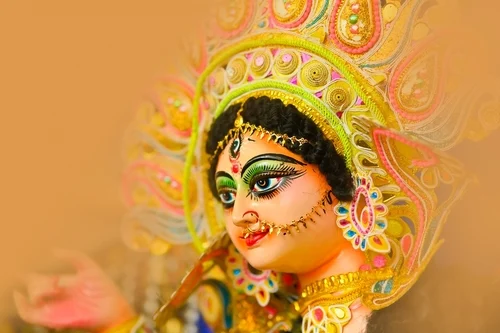
Quick answer: Navratri and Dussehra (Vijayadashami) are among the most widely celebrated Hindu festivals in Canada, with nine nights of worship honouring the goddess Durga followed by Dussehra, which marks the victory of good over evil. In 2026, celebrations are expected to run through October, with garba and dandiya nights filling community halls in Brampton, Surrey, Mississauga, and Calgary. The festival also opens Canada’s festive money-sending season, as families prepare to support loved ones abroad ahead of Diwali.
Every autumn, Canadian cities with large South Asian communities transform into hubs of colour, music, and devotion. Community centres book out months in advance, dance troupes rehearse their garba steps, and families start planning the traditional new outfits that mark each of the nine nights. This surge in celebration isn’t surprising: India is by far Canada’s largest source of new permanent residents, and that demographic shift has made Navratri and Dussehra fixtures on the Canadian festival calendar, not just niche cultural observances.
This guide covers what Navratri and Dussehra represent, when they’re expected to take place in 2026, where to find garba and dandiya events across the country, and what the festival season means for families sending money and gifts back home.
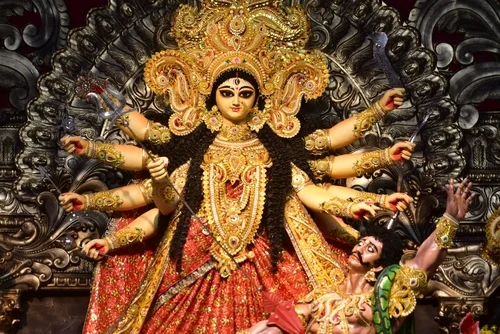
What are Navratri and Dussehra (Vijayadashami)?
Navratri, meaning “nine nights,” is a Hindu festival dedicated to the worship of the goddess Durga in her many forms. Each night is associated with a different aspect of the goddess, and observant families mark the period with prayer, fasting, and dance. The festival concludes with Dussehra, also known as Vijayadashami, which celebrates the triumph of good over evil, commemorated through the story of Lord Rama’s victory over the demon king Ravana.
In Canadian cities, the spiritual observance often runs alongside large-scale social celebrations. Garba and dandiya raas, two traditional Gujarati folk dances performed in circular formations with sticks or claps, have become the centrepiece of Navratri events across the country, drawing participants well beyond the Gujarati community.
When is Navratri and Dussehra in 2026?
Navratri dates follow the Hindu lunisolar calendar, so they shift each year relative to the Gregorian calendar. Based on typical lunar cycles, Sharad Navratri 2026 is expected to begin in mid-October, with Dussehra following approximately ten days later. Because exact dates depend on regional panchang (lunar calendar) calculations, community organizations and temples typically confirm final dates a few months ahead of the season.
Canadians planning to attend events or travel for the festival should check with local temples, cultural associations, or event organizers closer to the date, as garba nights are often scheduled around weekends rather than the exact lunar dates to accommodate work and school schedules.
Where can you find garba and dandiya events across Canada?
Community halls, banquet centres, and gurdwaras in cities with large Indian-Canadian populations host some of the country’s biggest Navratri celebrations. A few cities consistently stand out:
- Brampton, Ontario: Home to one of the largest South Asian populations in Canada, Brampton hosts multiple large-scale garba nights throughout Navratri, often organized by local Gujarati and Hindu associations.
- Surrey, British Columbia: Surrey’s community centres and banquet halls regularly host dandiya raas events that draw thousands of attendees over the nine nights.
- Mississauga, Ontario: Mississauga’s cultural halls and convention centres host ticketed garba events featuring live dhol players and professional decor.
- Calgary, Alberta: Calgary’s growing Indian-Canadian community has expanded its Navratri offerings in recent years, with multiple venues hosting nightly celebrations.
Tickets for popular garba nights in these cities often sell out weeks in advance, so early booking is worthwhile if you’re planning to attend a specific event.
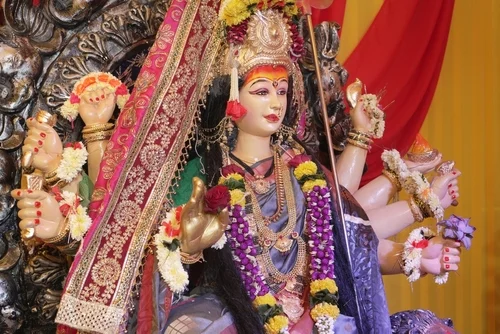
Why does Navratri matter for Canada’s Indian diaspora?
Beyond the dancing and decorations, Navratri holds deep cultural and religious significance for the millions of Canadians with roots in India. For many newcomers, the festival is a way to preserve tradition and connect with community in a new country. Local temples and cultural organizations often use the season to bring together families who might otherwise feel isolated from extended family celebrations back home.
This is also the point in the calendar where family obligations abroad start to come into focus. Navratri and Dussehra open what’s often called the festive sending window, a period stretching from early autumn through Diwali when families in Canada send money home to cover the costs associated with the season.
What does Navratri mean for money transfers and family support?
Navratri and Dussehra bring real financial considerations for families supporting relatives in India or elsewhere. Common expenses during this period include:
- Puja costs: Offerings, decorations, and materials for daily worship during the nine nights.
- New clothes: Traditional dress is customary for each day of Navratri, and families often send extra funds to cover new outfits for parents, siblings, or children back home.
- Gifts: Exchanging gifts is common during Dussehra, especially between extended family members.
- Travel: Many families travel to hometowns or temples during this period, and relatives abroad often help cover transportation costs.
Because this spending typically continues right through Diwali, many families choose to send a larger transfer at the start of Navratri rather than multiple smaller ones throughout the season.

Are banks open during Navratri and Dussehra in Canada?
Yes. Neither Navratri nor Dussehra is a federal or provincial statutory holiday in Canada, so Canadian banks operate on regular business hours throughout the festival. This means online and in-branch banking services remain fully available, which is useful to know if you’re planning to send money or handle other financial transactions during the celebrations.
It’s worth noting that banks and money transfer services in India may observe modified hours or closures on Dussehra itself, since it is a public holiday in many Indian states. If you’re sending money to be used for a specific occasion, such as a puja ceremony or Dussehra gathering, it’s wise to plan the transfer a few days ahead to account for potential processing delays on the receiving end.
Plan ahead for Navratri and Dussehra 2026
Navratri and Dussehra are as much about community and connection as they are about faith. Whether you’re attending a garba night in Brampton, joining a temple celebration in Calgary, or coordinating support for family celebrating back home, a little planning goes a long way. Confirm event dates and ticket availability early, check in with your bank or transfer provider about any scheduling considerations around Dussehra, and give yourself enough lead time to make sure funds and gifts arrive when they’re needed most.
Frequently asked questions about Navratri and Dussehra in Canada
When does Navratri 2026 start in Canada?
Navratri 2026 is expected to begin in mid-October, based on the Hindu lunisolar calendar. Because exact timing depends on regional panchang calculations, it’s best to confirm dates with a local temple or cultural organization closer to the season.
Is Dussehra a public holiday in Canada?
No. Dussehra is not a federal or provincial statutory holiday in Canada, so schools, government offices, and banks operate on regular schedules. Many community organizations still host evening or weekend celebrations to accommodate work and school commitments.
Which Canadian cities have the biggest Navratri celebrations?
Brampton, Surrey, Mississauga, and Calgary are known for hosting some of the largest garba and dandiya events in Canada, thanks to their sizable South Asian communities.
Why do families send money home during Navratri?
Families often send money during Navratri to help cover puja costs, new clothes, gifts, and travel expenses tied to the festival season, which continues through Dussehra and into Diwali.
Should I send money before or after Dussehra?
Sending money a few days before Dussehra is generally recommended, since banks and services in India may have modified hours on the holiday itself, which could affect processing times.



