Key Highlights
-
In Canada, many families will follow the hindu calendar of north india to mark the start of shravan month from Friday, July 31, 2026.
-
Some groups use another tradition, so the temple dates may be different.
-
This month is for lord shiva and is very sacred for them.
-
The sawan somwar fasts in 2026 will be on August 3, 10, 17, and 24.
-
During this time, people often read the shiva purana, say mantras, and use a rudraksha mala.
-
Shravan month is a good time to pray, hold back desires, and stay focused on your spiritual path.
Introduction
The shravan month is a special time in the hindu calendar. This month is loved by many people, mainly by those who follow Lord Shiva. The month of shravan, also called Sawan, is seen as an very good and lucky time. People use this month for prayer, fasting, and simple worship every day. If you are in Canada and want to get ready for your prayers in 2026, it is helpful to know when the month starts, which calendar to use, and why the shravan month is so important to many people.
Shravan (Sawan) 2026 Start Date in Canada
In Canada, many Hindu families in North India traditions will start the shravan month on Friday, July 31, 2026. This goes by the lunar calendar and the purnimanta calendar. These kinds of calendars are common in North India.
But, not all Hindu people use the same date for the month of shravan. In South India and West India, people might begin this month earlier. This is because some families and temples mark the month by the full moon or other signs in the lunar calendar. That is why it is good to check with your local temple for the exact start date of shravan month in your area.
Calculation of Shravan Start Date for 2026
The date is not set on the usual calendar because the month of Shravan uses the lunar calendar. So, it moves each year, and most of the time, it is in July and August. In 2026, a common starting point, is Friday, July 31.
In the purnimanta calendar that people use in much of North India, the counting is based around the full moon. This is why the month of Shravan often starts later than in other places. The full moon is used to decide the starting point and the counting of the month.
For people in Canada, the month of Shravan often depends on what their family or mandir tells them. Sometimes, vedic astrology or the way a local panchang is worked out will change which date is picked for worship. When you ask, “When does the month of Shravan begin in 2026?”, it comes down to which calendar system you get your starting point from.
Regional Variations in Shravan Start Date Across India and Canada
Yes, the start date for Shravan in India can be different, and it depends on where you are. In north india, people use the purnimanta system, and in some parts of south india and western areas, they use the amanta calendar. This is why the dates for the start and end of Shravan are not the same everywhere.
For 2026, north india will observe Shravan from July 31 to August 29. In south india, Shravan may start on July 16 and finish on August 14. In tamil nadu and Kerala, people may use different names for the same period instead of the north india month names.
In Canada, you can see the same kind of mix. People from andhra pradesh, tamil nadu, north india, Nepal, and Indo-Caribbean backgrounds may begin at different times. Some families also use the solar calendar to plan festivals. This is why you will see different temples have their own dates, and it is normal. This has come from older customs and how their tradition works.
Sawan Somwar Dates for 2026 in Canada
Sawan Somwar dates are decided by the Mondays that fall within the month of shravan according to the relevant lunar calendar. For families in Canada following the North Indian count for 2026, these sacred Mondays fall in August.
Because the month changes with lunar calculation, the dates also change every year. In traditions linked to the new moon or other month-counting methods, local observance may differ. That is why your mandir calendar matters if your family follows a South Indian or regional custom.
|
Sawan Somwar / Shravan Somwar |
Date in 2026 |
Day |
|---|---|---|
|
1st Sawan Somwar |
August 3, 2026 |
Monday |
|
2nd Sawan Somwar |
August 10, 2026 |
Monday |
|
3rd Sawan Somwar |
August 17, 2026 |
Monday |
|
4th Sawan Somwar |
August 24, 2026 |
Monday |
Meaning and Significance of Shravan Month
Shravan month is seen as a lucky and holy time, mainly for those who pray to Lord Shiva. Many people like to use this month to slow down. They try to live in a simple way and focus on prayer with true feelings. During Shravan month, fasting, going to the temple, and being quiet and calm become important.
This time also helps people grow spiritually. In Shravan, people say mantras, read holy stories, and start better habits. Books like the Shiva Purana guide people during this special month and help with their prayers. To really know why Shravan month means so much, it helps to know where it fits in the Hindu calendar.
Shravan Month in the Hindu Calendar
Shravan maas is the fifth month in the hindu calendar. The hindu calendar is a lunar calendar. That means the shravan month does not start or end on the same date every year in July or August. The dates change every year. The change is because the lunar calendar follows the moon cycle.
In North India, people use the purnimanta system to count the months. In this system, they look at the full moon day to name or start the month of shravan. So, the full moon plays a big part in the way shravan maas is counted in different places. This is why shravan month dates may not be the same in all regions, even if everyone is talking about the same season.
For those who follow the hindu calendar and worship, shravan maas is extra special. This is because the month is for Lord Shiva. Because of this, the month of shravan becomes a big time every year for those who worship. So, when you want to know the real meaning or importance of shravan maas, you can say this: It is the month when people follow sacred time, worship Lord Shiva, and think deeply about the season—all at once during the shravan month.
Spiritual Importance of Sawan for Devotees
For many people, the shravan month is about more than dates and rituals. It is a time to look within, show self-control, and be honest in your devotion. Daily spiritual practices become easier to follow when you take the whole month with clear intention.
Sawan Somwar means a lot as Monday is connected to lord shiva. Devotees often fast, visit a temple, and do a simple puja vidhi at home on this day. Many people also say Om Namah Shivaya, read the Shiva Chalisa, or do regular mantra japa with their full focus.
Why do people fast on Mondays in the shravan month? The reason is that fasting shows discipline and deep devotion. People fast to ask for peace, good luck, marriage, a happy family life, and to get spiritual clarity. Even doing simple things can make this month feel more meaningful and balanced.
Historical Background of Shravan Month
The story of Shravan has a strong link with the tale of samudra manthan, where the gods and demons churned the cosmic ocean. During this event, a strong poison came out before the nectar. To save the world, Lord Shiva took the poison and kept it in his throat.
This big act makes many people see Shravan as the holiest month of the year for Lord Shiva. People often say that this month is very special for Shiva because it shows his kindness, strength, and how he keeps creation safe.
Stories from the shiva purana and skanda purana keep this meaning alive in prayer. The old Sanskrit word Shravan also plays a part in how people count months in some calendars. So, when people talk about where Shravan came from, they are asking about a month made by story, faith, and the way people watch time go by.
Essence of the First Day of Shravan
The first day of the shravan month is very important. It often shows how the weeks ahead will go. Many people who love lord shiva use this time to get ready for an auspicious month. They clean their puja space, bring fresh things for the prayer, and offer a simple prayer to lord shiva. The idea is to be real and true, not to put on a show.
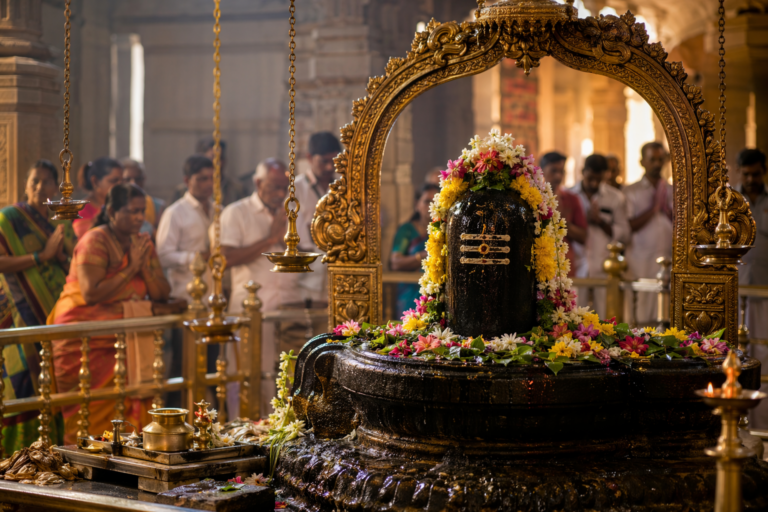
Most people start this time by giving water or milk to a shiva linga. They say mantras and plan to pray every Monday. Some people start the rudrabhishek puja or keep a fast. To see what happens on this first day, we can look at how people do rituals at home, pray in the temple, and the customs in the community.
Traditional Celebrations on Day One
The first day is mostly calm and set aside for prayer. People focus on shiva puja on this day. Families often get up early, take a bath, put on clean clothes, and get ready for shiva puja at their home or in a temple. The time for starting it can change depending on the system the region follows. Some check the new moon or another part of the calendar.
Because Shravan comes during the monsoon season, there is also a sense that things are being renewed. During this time, devotees often use water, flowers, leaves, fruit, and easy foods as a part of their puja vidhi. The whole mood is simple and full of faith, not fancy at all.
Common things people do on the first day include:
-
offering water or milk to the shiva linga
-
lighting a diya and incense
-
chanting Om Namah Shivaya or Shiva Chalisa
-
starting a fast on Monday or making a plan to visit a temple each week
Preparations and Rituals Initiated on the First Day
Many people use the first day to get ready for shravan somvar in a spiritual way. They might clean the prayer space, put up a photo or murti of Shiva, and gather simple things like water, milk, fruits, flowers, and a lamp to use each day.
Some start a rudrabhishek puja on this day if they have a shiva linga at home or can go to a temple. There are people who take a sankalp for somwar vrat too. They decide if they will fast every Monday of Shravan or just some special days. The planning for shravan somvar often starts now.
Chanting begins early in the month as well. A person may pick a beej mantra, Shiva mantra, or a short japa to say each day. The main thing is to do it again and again. If you start small on day one, it is easier to stay on track through the whole month.
Community Gatherings and Special Prayers
The first day of shravan month is special for many. It is not just about the person. In many places, it brings the people together. Temples start the shravan month with more aarti, shiva puja, and prayer times together. This helps devotees begin shravan maas with some shared energy.
People in the community get together by making simple offerings, going to temples, and talking about fasts or sawan somwar. Families talk about plans for sawan somwar, ask each other about timings, and get ready for the month. This helps everyone find a flow.
There is often singing on the first day in many communities. Group bhajans bring people close. Even if the day is quiet, singing and prayer with others make it feel good. For those who live in Canada, being with community gives extra help. This is true when people use old or local traditions while they are away from home.
Key Rituals Performed During Shravan
During the shravan month, people do the same simple things again and again with devotion. Shiva puja, fasting, going to the temple, giving water or milk, and doing mantra japa help make the month special in many homes.
Some people keep every Monday for their worship, while others pay attention to the bigger dates. Rudrabhishek puja is important for many during this time. These rituals are not meant to be hard for anyone. The main things are to keep doing them, to stay calm, and to be respectful. In the next sections, we will show the most common ways people take part in shravan month, one by one.
Rudra Abhishek – Shiva Worship
Rudrabhishek puja is a well-known way to worship Shiva in the shravan month. In this puja, people offer water or milk on the shiva linga. They do this while saying prayers and mantras with faith.
The puja vidhi, or steps of the worship, can be simple at home or a bit longer at a temple. Many people light a diya. They give flowers and say the Shiva Chalisa or short mantras. The main thing is not how hard it is. What matters is doing each step with care and respect.
Shravan month is for Shiva, so rudrabhishek puja means even more now. The shiva purana and popular customs tell us to do this worship often. People believe even a small offer in the morning can make them feel steady and close to Shiva when done from the heart.
Fasting (Vrat) on Mondays
Monday fasting is one of the most common ways people observe the shravan month. Many men and women keep somwar vrat because Monday is a day loved by lord shiva. During this auspicous month, fasting becomes more important and holds a special meaning.
Some people choose to fast all day with only water or fruit. Others eat one plain meal without onion and garlic. A shravan somvar often starts with an early bath, going to the temple, chanting mantras, and an evening prayer before breaking the fast. People choose a level they can handle and stick to.
Devotees fast on Mondays in the shravan month to ask lord shiva for blessings. They pray for peace, wealth, good family life, marriage, and feeling balanced. Some add the solah somwar too. A sawan somvar fast is a monthly way to build faith, self-control, and keep remembering lord shiva.
Japa and Chanting Practices
Chanting is one of the easiest spiritual practices you can do during Shravan. You do not need a lot of things for it. You can sit and chant at home, in a temple, or even at any quiet spot during the day. That is why many people pick mantra japa as the main way they observe this month.
Some people chant Om Namah Shivaya every day. Others will listen to or say hymns linked with Shiva, like sri rudram, mahadevaya dhimahi, or a picked beej mantra. What matters most is you repeat these words with focus. It is not about doing it fast.
Many people set a small, simple goal for chanting each day when Shravan starts. This helps people keep going through the month. Mantra japa gives you better focus, peace in your mind, and faith. If you are looking for a simple but deep way to follow Shravan, chanting is one of the best ways to go.
Sawan Somwar: The Sacred Mondays
Sawan Somwar is the name for Mondays that happen during Shravan. These Mondays are special days for Lord Shiva. For many people, shravan somvar is the main spiritual time in the month. It brings together fasting, prayer, and going to the temple.
The way people do this is simple but means a lot. People will often keep somwar vrat, say Lord Shiva’s mantras, and think about stories about his kindness and sacrifice. Traditions from the Shiva Purana help make these Mondays even more important. Let’s see why these days are special and what people do to keep them.
Why Mondays Are Important in Shravan
Mondays are seen as very special when it comes to worship of Lord Shiva. In the shravan month, this feeling gets even stronger. Many people keep these days for prayer, fasting, and sticking to simple ways. That is why Sawan Somwar is so important in homes and temples.
On a regular Monday, people start by bathing early. They often go to the temple, offer water or milk to the shiva linga, and try to speak in a kinder way through the day. Some people only eat fruit, while others choose to eat just one fresh meal after praying. It is all about having control and being careful in your actions.
Many worshippers fast on Mondays during the Shravan month because it shows devotion and trust. This fast is done for blessings that bring peace, better family life, marriage, or inner calm. In this auspicious month, the somwar vrat becomes a weekly way to offer something special to Shiva.
Sawan Somwar Vrat Rules & Timings
Sawan Somwar vrat rules are usually easy to follow. They focus on devotion. People wake up early, take a bath, wear clean clothes, and get ready for Shiva worship. They eat very light food or avoid eating some foods. The sawan somwar dates depend on which Mondays fall in Shravan, based on the calendar that is used.
The way people do puja vidhi can be different depending on the temple. The timing for puja can also change from place to place. Some people read a somwar vrat katha or listen to one during the day. Because this month depends on the moon, the Mondays for sawan somwar change each year. Sometimes a vrat happens in shukla paksha while sometimes it doesn’t.
Here’s what people most often do for the vrat:
-
begin the day with a bath and clean the prayer spot
-
use water, milk, flowers, and light for offering to Shiva
-
break the fast after sunset with simple food, if doing a partial fast
Benefits of Observing Sawan Somwar Vrat
People take part in shravan somvar vrat for both spiritual and personal reasons. At the spiritual level, it adds order. The weekly fast helps you go back to prayer, speak less, and keep your mind on what matters most during the auspicious month.
Many feel that the vrat is good for spiritual growth because it brings discipline and humility into daily life. In family and vedic astrology, this sacred practice is linked to blessings for peace, marriage, prosperity, and feeling steady. That is why you see it practised in so many homes.
There is a practical side, too. Simple fasting or eating lighter food can let the digestive system rest if done the right way. Still, at its heart, the shravan somvar vrat is not just about food. It is about devotion. During this auspicious month, the vrat is a weekly reminder for us to live with care and to pray more.
Types of Fasts and Dietary Customs
Fasting in the shravan month can be done in different ways. Some people do not eat at all. Some eat only fruit, and some have one simple meal each day. The main thing is to be steady. It is not about making things hard for yourself. Just choose what fits your health and your day.
Many choose a strict sattvic way of eating in this time. They stay away from food bought outside, onion, garlic, and heavy meals. Many eat dry fruits, fruits, dairy, potatoes, and food made with sendha namak. When you know which foods you can eat or skip in the shravan month, it will be easier for you.
Falahari Food During Shravan Fasting
Falahari food is a top pick for fasting in the shravan month. It is light, easy, and something many people know well. This food gives energy, but the day still stays calm and focused on prayer. Many people go for fruit, dairy, and foods made for vrat.
The goal is to keep your meal clean. You want to hold back, not give in. These meals are not strong in taste, and table salt is swapped for sendha namak. You might see sweet potatoes or sabudana in the mix, as they are usual for this time.
Typical falahari choices are:
-
fresh fruit and dry fruits
-
milk, curd, buttermilk, and paneer
-
potatoes and sweet potatoes
-
vrat dishes made with sendha namak
Foods to Avoid in Sawan Fasting
During Sawan fasting, many people skip foods that feel heavy, push the senses, or do not fit the vrat rules. The goal is to keep the body and mind cool and settled. A strict sattvic plan is used most, and this happens more on Mondays or main Shravan days.
Regular salt gets swapped for sendha namak. People also let go of foods that are oily or made up in a factory. This simple method is seen as good for devotion and for the digestive system, mainly when you fast during the day.
Foods that most people choose not to eat are:
-
non-vegetarian food and alcohol
-
onion and garlic
-
grains and pulses such as wheat, rice, and dal
-
processed and deep-fried foods
Water-Only or Partial Fasting Methods
Not everybody keeps the same type of fasting during Shravan. Some people have just water on the sacred Mondays. Others choose to eat fruit, drink milk, or have one light meal. Both ways are okay if you do them with care and honesty.
Water-only fasting is harder. People who know fasting well often choose this. Partial fasting happens more often. It lets you keep up with your work and other tasks. On shravan somvar, many folks join their fast with prayer, say mantras, visit temples, or listen to a vrat katha.
The auspicious month is for faith, not to show how tough you are. If health, work, or age makes a hard fast tricky, even a simple vrat is fine. This tradition allows simple ways to join in. What truly matters is being honest, praying, and having a focused mind.
Recommended Rudraksha for Shravan
Many people wear a rudraksha mala during the shravan month. This is part of their daily worship. The rudraksha mala is linked to Lord Shiva. Most use it for repeating mantras, staying quiet, and keeping up spiritual practices.
The information gathered does not pick just one kind of mala as the right one for the shravan month. It says the use should be honest, clean, and regular. So, a rudraksha mala is seen as a good help for prayer. It helps when reading or remembering teachings from the shiva purana.
Which Rudraksha is Best for Shravan 2026
If you want to know which Rudraksha is best to wear in the shravan month, people recommend using a rudraksha mala instead of just picking one bead type. This makes the advice simple and works for most worshippers.
In the auspicious month of Shravan, the mala is important because it helps with chanting and focus. The mala lets you count your daily mantras, keep your routine steady, and brings more calm to your shravan month prayers. How helpful the mala is matters more than how it looks.
Some people use a rudraksha mala along with a short beej mantra or Shiva mantra every morning. If your family or local temple has its own way, you can follow that. If not, wearing a rudraksha mala with respect makes a good and meaningful choice for Shravan 2026.
Rudraksha Wearing Rituals and Guidelines
The material shows how using a rudraksha mala is tied to devotion, being simple, and saying mantras. The main rule is to wear the rudraksha mala with respect. It should be used for worship, not as a piece of fashion. Many people start wearing one at the beginning of the shravan month.
A basic puja vidhi can be easy to do. You take a bath, put on clean clothes, light a lamp, and say a Shiva mantra before you put on the mala. Some will place it in the puja area first. The feeling should be calm and done with purpose, not rushed.
The rudraksha mala has special meaning when you use it for true spiritual practices like praying, doing japa, and visiting the temple. Many follow what the shiva purana and other old texts say, which brings more respect. In simple words, keep the mala clean, use it with care, and let it help you with your spiritual discipline during the shravan month.
How Rudraksha Supports Spiritual Sadhana in Sawan
A rudraksha mala can help you stick to your daily worship. Many people in the shravan month want a routine they can follow, and using a mala brings order to mantra japa. You hold it, count slowly, and focus on that moment.
This simple tool can boost your spiritual growth, since you repeat your mantra in a steady way. You do not guess the counts or lose focus. You stay with the mantra. The rhythm, kept for days and weeks, can make your puja vidhi stronger. It can help you with self-control, prayer, and paying attention as you reflect quietly.
In Sawan, spiritual actions often build from small steps you repeat each day. A rudraksha mala fits well with that, since it is simple and easy to use. It does not replace devotion but helps support it. When you use the mala with clear thoughts, calm chants, and a steady prayer routine, it is a good companion in the shravan month.
Major Festivals and Events in Shravan 2026
The shravan month comes with a few big celebrations that many families follow each year. Some important events in 2026 are Nag Panchami, Raksha Bandhan, and Shravan Purnima. These are the days that set the feel and meaning for the month.
Some people also ask about hariyali teej or Krishna Janmashtami during this time. The days can move based on the calendar, so how people mark them can change. To keep it simple, the next parts talk about just the festivals named or found in the main list.
Kamika Ekadashi
Kamika Ekadashi is a day in the hindu calendar where people fast and pray to Lord Vishnu. This day comes during the lunar month and often falls in the shravan month.
The information we have does not show a set date for Kamika Ekadashi in 2026. So, you should not try to pick a date if you are not sure. Most families check with their temple calendar to know the right day and times for fasting.
Talking about Kamika Ekadashi in the shravan month is a way to show shravan includes many types of worship. People honour Lord Shiva the most during this time. But they also respect Lord Vishnu and take part in other holy rituals that follow the lunar cycle. The exact date can change depending on the hindu calendar being used, and might fit into the relevant paksha in shravan month.
Nag Panchami
Nag Panchami is a key festival in the shravan month of the hindu calendar. It will be on August 19, 2026. On this day, many people show their respect for snakes. The festival is important to many who follow temple traditions and home prayer.
This festival falls in a month for Lord Shiva, and there is a strong link between Lord Shiva, the shiva linga, and snakes. You can see this when people go to temples or pray at home during this time.
The story of samudra manthan is also important when you think about Shravan’s special feeling. Nag Panchami has its own rituals, but it happens in the same month as many other devotional events. For a lot of families, this is a time for fasting, praying, and making simple offerings.
Raksha Bandhan
Raksha Bandhan is shown in the compiled information as being on August 29, 2026. In many traditions, this date matches Shravan Purnima too. This makes Raksha Bandhan a special end to the shravan month for those who use the North Indian count.
Inside the hindu calendar, raksha bandhan is a festival that brings families together. It falls in an auspicious month. This gives the day extra meaning and warmth. By the time the festival comes, many people will have finished Monday fasts, gone to the temple often, and followed a month of worship.
This timing is important because it puts raksha bandhan at the highest point of the devotional month. Some calendars talk about the lunar phase with shukla paksha leading up to the full-moon day. In simple terms, it turns raksha bandhan into a holy family day and marks a big event for the shravan month.
Krishna Janmashtami
Krishna Janmashtami is a special day in the hindu calendar. This festival is about the birth of Krishna, who is said to be an avatar of Lord Vishnu. Many people think of the time after the shravan month, with the late monsoon season. There is also a lot of devotional fasting, singing, and big events in temples.
The information here does not show the 2026 date for Krishna Janmashtami in the shravan month list. So, it is better to see it as a seasonal festival. It is a good idea not to use a date that is not given in the source. Most times, people look at their local calendar for help.
Still, it makes sense to talk about this day. Many families start looking from the shravan month to the next big day in their prayer cycle during this time. Some people use the moon and the birth star of Lord Vishnu to decide when to have Janmashtami prayers. In Canada, temples usually give out the final date in their notices.
Regional Differences in Shravan Celebrations
Shravan is special for many communities. But people do not celebrate it in exactly the same way everywhere. The biggest changes come from things like different calendar systems, family habits, and how people in each area speak. So, north india and south india may not start or end the month on the same day.
These small changes show up in Canada too. People in Canada from tamil nadu, madhya pradesh, Nepali, and Indo-Caribbean backgrounds may fast in their own way, follow different schedules at temples, or even use different names for the month. When you know about these differences, you can show respect for other ways of observing Shravan. There is not just one way to do it right.
North Indian vs. South Indian Customs
North India and South India are not the same when it comes to how they use the calendar. In North India, people often use the purnimanta count. In South India and some places in the west, people follow the amanta calendar. This is why the shravan month might start sooner in one area than in another.
In 2026, North Indian people mark the shravan month from July 31 to August 29. South Indian people, as shown in the material, begin this month on July 16 and end it on August 14. In Tamil Nadu and Kerala, some people use other local names for the month during worship, depending on the season.
These changes in dates do not affect the importance of the observance. They just show that people count sacred time in different ways. Some families look at the solar calendar to decide when to do certain worship activities. As you can see, North India and South India do have regional traditions for the shravan month, and these differences are respected and part of the culture.
Celebrations in Canada’s Hindu Communities
In Canada, shravan month is often marked by worship at the temple, family fasting, and weekly trips to local mandirs. The Hindu community is rich and varied, so Canadian mandirs may share different start dates or special schedules based on the tradition they follow.
Still, the main focus stays the same. Shiva puja, fasting on Monday, mantra chanting, and simple offerings are the key parts of shravan month. Families use temple calendars to know when to begin, as their practice can be different from what their neighbours or friends do.
Community events matter a lot too. People get together for group prayers, bhajans, and help with how to follow vrat. This is good for young people and new members who want to observe shravan month in the right way. In a multicultural place, these meetings keep tradition alive and let everyone honour their own customs.
Shravan Observances in Nepali and Indo-Caribbean Groups
Nepali and Indo-Caribbean groups in Canada keep the shravan month alive with their own ways. Their traditions may not match North Indian temple calendars every time. That is normal. How each family, temple, and community remembers and practices shravan can be different.
What stays the same is the focus on Shiva. Most people do Shiva puja, fast on Mondays, chant mantras, and go to temple during the shravan month. Even if the dates or worship styles change, the heart of devotion does not.
In Canada, community events mean a lot for Nepali and Indo-Caribbean people. These gatherings help pass shravan month traditions on to the next generation. They give space to pray, sing, and share advice. If you are from a Nepali or Indo-Caribbean background, ask your temple or elders for the best way to join in local Shravan practice.
Rituals at Temples & Community Centres in Canada
For many people, the shravan month is best when we all come together for worship. Canadian mandirs and community centres are the main places for Shiva puja and Monday prayers. Many families like to be in these places so they can pray as a group.
These places usually help with puja vidhi, the time of puja, and planning festivals. You may be part of abhishek, aarti, mantra recitation, and bhajans during the month, starting from the very first day. The sections below show how this looks at the temples and in group programs for worship.
Shiva Puja at Canadian Mandirs
At many Canadian mandirs, the shravan month starts with people paying more attention to Shiva worship. Temples might run shiva puja in the morning or evening, let you take part in abhishek, and show you a simple puja vidhi that fits both families and individuals.
This is very helpful on the first day of Shravan. You don’t have to guess how to do the puja at home. You can go to the temple, offer water or milk, and follow what the priest says. For many, this makes the start of the month feel more confident and meaningful.
Rudrabhishek puja is seen as one of the most important temple rituals during this time. Even if the ceremony is kept simple, the feeling you get in the temple makes it strong. In Canada, mandirs often bring together many customs. They help devotees observe Shravan month with support and clear steps in the community.
Group Bhajans, Recitations, and Path
Taking part in group bhajans and prayers for the month of Shravan makes the atmosphere more spiritual. Devotees come together in devotion to Lord Shiva. These group prayers, with songs and chants, help build a sense of community. It makes everyone feel connected and happy to be part of this experience.
Joining in path and hearing the stories from the Shiva Purana or Skanda Purana can lift your spirit. This practice gives us a chance to connect and think about the meaning of these stories.
Doing mantra japa in a group increases the energy around us. It helps each person grow, as well as the group as a whole. By honouring the auspicious month of Shravan together, we feel closer to Lord Shiva and to each other.
Conclusion
The month of Shravan is special for those who believe in Lord Shiva. It is a time when many people focus on their spiritual growth. Many kinds of celebrations happen across North India and Tamil Nadu, where families follow unique rituals and traditions. Sawan Somwar during this month is said to be very lucky.
During the month of Shravan, blessings come to the people. Families get together for simple puja vidhi and repeat mantra japa, with each family doing it in their own way. This bright time of year helps people remember about life, faith, and the bond with their god. It ends in happiness with festivals like Raksha Bandhan. Let’s welcome the month of Shravan and all it brings!
Frequently Asked Questions
How are Sawan Somwar dates determined each year?
The dates for Sawan Somwar change every year because they use the Hindu lunar calendar. These dates always be on the Mondays that fall in the month of Shravan. The timing depends on the moon’s changes and some sky-based calculations. Because of this, the schedule for Sawan Somwar is different each year for people who take part.
Why do devotees fast on Mondays during Shravan?
Devotees do not eat on Mondays in Shravan to show respect to Lord Shiva. They do this to ask for good health, wealth, and spiritual growth. The practice stands for their love and loyalty to Lord Shiva. By praying and not eating, they try to clear their minds and feel closer to him.