Key Highlights
-
Fiji is known for its religious diversity. Christianity is the main faith, and most indigenous Fijians follow it.
-
Hinduism and Islam also play a big part in Fiji. Indian labourers brought these religions long ago. This mix has helped to make a multicultural society.
-
The country’s constitution gives people the freedom of religion. Different faiths are able to live together in peace.
-
Religious instruction is a part of life in Fiji. But it is not required for public schools, so students do not have to join if they do not want to. This helps balance faith and education.
-
Fiji has national public holidays for all its main religious groups. There are celebrations for Christian groups, Hindus, and Muslims. Christmas, Diwali, and the Prophet Mohammed’s Birthday are some of the days people enjoy together.
Introduction
Welcome to Fiji. The people here mix their culture and faith in daily life. If you are coming from Canada, knowing about the local religious belief will help you enjoy your trip more. You will see a lot of religious diversity in Fiji. People with different faiths live side by side. This makes Fijian society bright and special. In this guide, you will learn about the history of religion in Fiji and what part it plays in people’s lives today.
Overview of Religion in Fiji
Fiji is a country with many different backgrounds and cultures. People there are proud of their religious pluralism. You will see Christian churches, Hindu temples, and Muslim mosques everywhere in the islands. Their different religious belief shows the mix of all the people who live there. This helps keep life peaceful and people get along well.
Most of the total population has a strong religious belief, and it is part of their family and community life. Respect for each faith also helps with public safety. When you visit, you will feel welcome. Fiji is a good place to learn about many spiritual traditions.
Key Facts and Figures About Fiji’s Religious Landscape
When you look at the numbers, Fiji’s religious makeup is quite clear. Christianity is the largest religion, accounting for a significant majority of the total population. This is followed by Hinduism and then Islam, which are primarily practised by the Indo-Fijian community.
This religious distribution is visible across the country, from bustling cities to quiet rural areas. While you’ll find churches in almost every village, temples and mosques are common sights in towns with larger Indo-Fijian populations. Many religious groups also run their own schools, although noncompulsory religious instruction is available in public schools.
Here’s a simple breakdown of the main religious groups in Fiji by their share of the population:
|
Religious Group |
Percentage of Population |
|---|---|
|
Christianity |
~65% |
|
Hinduism |
~28% |
|
Islam |
~6% |
|
Other/None |
~1% |
Distribution of Major Religions Among the Population
In Fiji, the way people follow religion often matches up with their background. This shows a lot about the country’s past. Most indigenous Fijians are Christian. This goes back to the work of missionaries in the 1800s. Religion is a big part of their village life and who they are.
Most Indian Fijians, who came from indentured workers, follow Hinduism or Islam. This split in beliefs has shaped Fiji’s religious world. It has made two separate, but both strong, groups of faith. You will see this same pattern of religious affiliation in a lot of places across Fiji.
This mix in religion shows the long history of the islands. It helps make Fiji’s religious diversity so special. Different faiths and cultures live side by side in Fijian society, and this is what helps keep it lively and full of life. Traditions from all backgrounds grow together in Fiji.
Historical Evolution of Religion in Fiji
The story of religion in Fiji goes back many years. People with Fijian ancestry once had spiritual practices that were a big part of their lives. Over time, things changed. Big reasons for this were people moving to Fiji, the arrival of the British, and the pride that grew in the nation. All these changes shaped what the country and its culture are like today.
At first, indigenous Fijians followed their own set of beliefs, and it was quite complex. When people from Europe came, they brought new ideas about faith. Later, more people came to live and work in Fiji, and they also brought their own religions. This changed the way people thought and believed for good. With time, these changes helped make religious freedom something that all people in Fiji can enjoy now. Next, we will look deeper into how these changes happened over the years.
Indigenous Beliefs and Early Spiritual Practices
Before Christianity came, the indigenous Fijians followed a religion built around ancestor worship. They believed that heroes like top warriors or big farmers could turn into gods after they died. People had a strong religious belief in life after death and in the powers of these gods.
People tried to keep these gods happy with ceremonies and rituals. This was a big part of their lives. They had special initiation ceremonies and sometimes even made sacrifices. All these actions were done to get good things from the spirit world. Many of these religious elements are not common today, but they are still an important part of Fiji’s history.
Now, most people follow Christianity. Still, you can see signs of the old ways in some cultural traditions. The respect for ancestors and the love for the community, which were key in early Fijian religious belief, can still be found, even if the old rituals are not practised anymore.
Colonial Influence and Introduction of Christianity
The way people thought about faith in Fiji changed a lot when Christian missionaries came in the 1830s. This was a time when new rules from other countries started, and it led to many indigenous Fijians choosing the new faith. The missionaries slowly brought in new ways of believing and living that helped shape what being Fijian is now.
The Methodist Church had the most success and is still the biggest religious group in Fiji. Roman Catholics and other Christian groups also came at this time. They each helped make Christian faith there more mixed and rich. The missionaries did not just talk about faith—they also helped set up new schools and places for health care.
By the late 1800s, almost all indigenous Fijians were a part of Christianity. Now, this is the faith most people in the country have. Churches are seen as important spots where people meet, both in small villages and big towns. This shows how strong and lasting the effect of those early days has been on Fiji and its people.
Arrival of Other World Religions
Fiji’s story of religious pluralism kept growing when Indian workers came under contract in 1878. They brought their own beliefs to the islands, giving Hinduism and Islam a place in Fiji. This move changed a lot for the country. It gave the islands new parts to their spirit and culture.
The Indo-Fijian people mostly follow Hinduism. But many in the group practice Islam too. After that, a small Chinese community came, bringing Buddhism and Confucianism. This made Fiji’s mix of faiths even larger. Sikhism also grew in Fiji. A small but loyal group started their own places of worship.
People from different backgrounds helped turn Fiji into a nation with many faiths. There are temples, mosques, and gurdwaras, along with churches, all beside each other. These places of worship show what the islands have become and highlight Fiji’s way of welcoming all sorts of beliefs.
Main Religions Practiced in Fiji Today
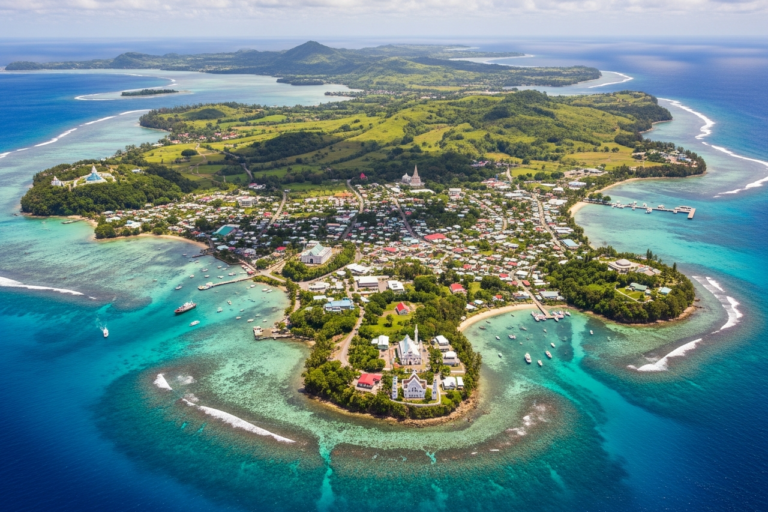
Today, Fiji has a lively mix of faiths, and each group has strong support. When you look around in many towns, you will see this in the skyline. Church steeples, the detailed towers of hindu temples, and mosque minarets all stand together in peace. This clear religious diversity is one of the things that stand out most in Fiji.
The main faiths in the country are Christianity, Hinduism, and Islam. You will also see a muslim community, people who follow Sikhism, and some smaller faiths. The strong singing from christian groups and the bright hindu festivals show how open and active Fijian life is with its faith. Now, let’s look closer at these big faiths in Fiji.
Christianity and Its Denominations
Christianity is the main religion in Fiji. About 65% of people in Fiji say they are Christian. This faith is very strong in the indigenous Fijian community. Sunday church service is a big part of their week and many people go with their families. The singing at Fijian churches is powerful and peaceful. Many who visit remember it for a long time.
The Methodist Church is the biggest religious group in Fiji. After that, there are also a lot of Roman Catholics. There are many Christian groups on the islands such as the Assemblies of God, Seventh-day Adventists, and Latter-Day Saints. Every Christian group helps shape the country’s religious life.
A lot of these groups take part in education too. They run schools that offer both academics and religious instruction. If you attend a church service, no matter which group, you get to see Fijian faith and community up close.
Hinduism in Fijian Society
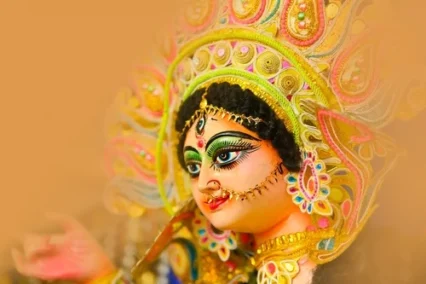
Hinduism is the second-biggest religion in Fiji. Most Indian Fijians follow it. The faith is easy to see in Fiji, mostly in places with lots of Indo-Fijian people. You will find many beautiful hindu temples all over the islands. These places of worship stand out with bright colours and detailed statues.
One of the best-known temples is the Sri Siva Subramanya Swami Temple in Nadi. It draws many people because of its Dravidian-style look. These hindu temples are more than spots for prayer. They are also spots where the community comes together for festivals and other events. The government knows hindu temples and Hinduism matter a lot to indian fijians, so Diwali, the festival of lights, is a national holiday.
There are different groups in Hinduism in Fiji, but the Sanatani group is followed the most. Hinduism is very important for Indo-Fijians. It shapes what people do every day and during big moments in life. It also helps make Fiji’s culture richer with its own ways and ideas.
Islam and Its Place in Fiji
Islam is another important religion in Fiji. About 6% of people here are Muslim, and most are in the Indo-Fijian group. The muslim community may be smaller than the Hindu group, but it is a key part of Fiji’s religious life. You can find their places of worship, the mosques, in every big town and city. People use these mosques not only for prayer but also to gather and meet each other.
Most Muslims in Fiji are Sunni. There is a smaller group called Ahmadiyya as well. Different muslim groups help shape the country’s social and cultural day-to-day life. The government’s support for religious freedom means muslim community members can follow their faith out in the open.
Each year, when people honour the Prophet Mohammed’s Birthday, it is a public holiday for all. At this time, people follow traditions and share food, not just within the muslim community, but also with everyone else. This kind of event shows Fiji’s respect for all faiths and the peaceful life people share in the country.
Other Religious Communities (Sikhism, Bahá’í, Others)
Besides the three big religions in Fiji, there are other faiths that help make the country more open and welcome to everyone. A small community of Indo-Fijians follow Sikhism, and their places of worship are called Gurudwaras. You can find these in places like Lautoka and Suva. At these spots, the people are friendly and they run kitchens where anyone can eat.
The Bahá’í Faith is found in Fiji too. There is a Bahá’í Faith Centre you can go to in Suva. This religious group teaches that all people and all religions are one. Some people in the Chinese-Fijian group follow Buddhism and Confucianism as well.
Even though these groups are not big, every religious group and their places of worship help shape the rich and colourful life in Fiji. Having this kind of religious diversity shows that Fiji is a place where all are accepted and can come together, no matter what they believe.
Religion’s Role in Fijian Culture and Traditions
In Fiji, religion is not just a set of ideas. It is a big part of life that helps shape the culture in the country. You can find religious elements in the way people act each day, as well as in community celebrations. For many, having faith helps people know what is right and helps them feel like part of a group.
You can see this in many ways. Some people enjoy quiet times at a Sunday church service. Others like the bright colors and sound of a Hindu festival. Religion is something people do together, not alone. Places of worship are very important for most people. Faith is there when the family comes together and even during big national events. You can also notice its effect in the festivals and in the arts of Fiji.
Impact of Religion on Festivals and Public Holidays
One clear part of religion in Fijian life is how people celebrate festivals and public holidays. All through the year, Fiji has many holidays for different faiths that help bring people together. Visitors get the chance to see the country’s bright cultural life during these times.
At festivals, you will find houses of worship full of people, busy with joy and activities. It is normal to see people from one faith take part in another’s festival. For example, during Diwali, Christian families often give sweets to their Hindu friends. This act shows the way Fijian society has sharing and respect as key values.
Some main religious holidays are:
-
Christmas and Easter: Many in the Christian community gather for church, family meals, and songs.
-
Diwali: This Hindu festival lights up homes with lamps, and you will see fireworks as well.
-
Prophet Mohammed’s Birthday: The Muslim community spends this day in prayer and giving to others.
Religious Influences in Arts, Music, and Community Events
Religion shapes many parts of life in Fiji. You can see its presence in the arts, the music people play, and many community events. When you listen to a Fijian choir, you hear the faith that comes from Christianity. These powerful and peaceful songs are the highlight for anyone at a church service. For indigenous Fijians, these hymns are a big part of their musical tradition.
You will also find religious elements in the detailed designs at Hindu temples and the repeating shapes in Islamic art. At festivals and different cultural shows, people perform traditional Indian music and dance. These often have a spiritual meaning, and this adds a lot to the art scene across the whole country.
All these creative things are not just for religious events. They become part of daily life in Fijian society. People see and hear them at village meet-ups, national holidays, and smaller community gatherings. The art and music in Fiji often show a spiritual side that links back to what people believe most.
Legal Framework and Religious Freedom in Fiji
Fiji has a strong legal framework that supports religious freedom. This means people in Fiji can follow their faith without being afraid of unfair treatment. The country’s constitution clearly protects this right. This shows the country’s promise to treat everyone with respect, no matter what they believe. This law is a big part of what makes Fiji’s society so rich and diverse.
The government does not pick a favourite religion, but it does recognize the role religion has in people’s lives. This makes it easier for different faiths to live in peace together. Let’s look more at the basic rights given in the constitution and how the government works with religious organizations.
Constitution and Rights to Worship
The Constitution of Fiji is the main document that gives everyone in the country freedom of religion. It says that all have the right to follow their own beliefs and to practise their religion. People can do this alone or with others. This right is a big part of Fijian law and its way of life.
The constitution’s protection for freedom of religion matches what is found in global guidelines, such as the International Covenant on Civil and Political Rights. In Fiji, any religion can set up and run as a group, but they need to register with the government. This step is done through offices like the Registrar of Titles Office. The registration is simple and does not stop anyone from worshipping.
You will see that people have the freedom to follow their religion. At the same time, the constitution says this freedom can have limits. These limits are there for reasons like public safety or to care about the rights and freedoms of others. This helps everyone get along and keeps all people safe.
Government Relations with Religious Organizations
The government of Fiji usually has a good and open relationship with the many religious organizations in the country. It knows that these groups do a lot of social and community work for people. You can see this teamwork in the different types of government support that are there.
Even though the state is not based on any religion, the Ministry of Education gives some financial assistance to religious schools. These grants help schools reach the right educational standards that are set across the country and also let them keep their own way of teaching. But for public schools run by the government, religious instruction is not something you have to do.
Religious groups can also use government premises for their events as long as it does not get in the way of government work. This way of working together makes things better between the government and all the groups, and shows how important religious organizations are for their communities.
Religion and Daily Life in Fiji
Religion is not just for special days in Fiji. It is a big part of the daily life for many people. Their religious belief helps guide them, bring them comfort, and give a sense of purpose. You will see the influence of faith in what people say, in what they do each day, and in how life moves at a slower pace, especially on Sundays. Sundays are set aside as a day of rest for most people.
This strong impact of religion helps build a feeling of respect and religious tolerance. You can hear a family doing morning prayers in a Hindu home or listen to church bells ring in the village in the evening. For many, faith is always there, bringing comfort. Now, let’s look at how this shapes the way people talk to each other and even the words they use.
How Religion Shapes Social Interactions
Religion is important in Fijian society and it shapes how people act with each other. The places of worship—like churches, temples, and mosques—are used for prayer and are also important spots where people come together, talk, and help each other. These places help make strong social bonds.
The values of respect, being friendly, and caring for each other in religion are shared with everyone. This is a big reason Fijian society feels so welcoming. People there understand that their own freedoms of belief are connected to respecting the freedoms of others. This helps make the social life both peaceful and good for everyone.
Having this respect for others keeps public safety strong and helps people stick together. While faith means a lot to each person, people share their faith in ways that are open and do not lead to fights. This lets people from all places of worship and backgrounds have friendly and good talks.
public safety
freedoms of others
places of worship
fijian society
Language Connections to Religion
In Fiji, there is a close tie between language and religion. The translation of the Bible into the iTaukei language played a big part in making the Bauan dialect the main version of the Fijian language. People still use this language today for church services and religious instruction.
Fiji Hindi is the language that most Indo-Fijians use. You will find words from Hindi and Urdu in it, and this shows how people follow the Hindu and Muslim faiths. When you go to temples and mosques, you can hear religious texts and sermons in old languages like Sanskrit or Arabic. But the explanations are often given in Fiji Hindi so people understand better.
There are places of education in Fiji that are run by religious organizations. They use language to support both faith and cultural identity. English may be the main language for school, but speaking local languages in religious settings helps to keep these languages strong for all of us, even in the future.
Conclusion
To sum up, knowing about the many faiths in Fiji can help Canadians understand fijian society better and truly connect with the local people. Religion is very important in Fiji. It shapes their world, from their festivals and art to how people talk with each other every day. Fiji has a mix of older beliefs and different faiths like Christianity, Hinduism, and Islam. You will find that these faiths make Fiji’s culture bright and warm. As you spend time in this special country, it is good to be respectful and keep an open mind. If you want to know more about how people in Fiji practise their beliefs or you plan to visit, you can ask for a free consultation to learn even more about the island’s spiritual roots.
Frequently Asked Questions
What are some unique religious festivals celebrated in Fiji?
Fiji has many festivals that show its religious diversity. Along with Christmas and Diwali, which are public holidays, some Hindu temples also hold the fire-walking festival and the Thaipusam festival. These fun events highlight the country’s rich culture and spiritual traditions. It is great to see them.
Are tourists welcome to attend religious ceremonies in Fiji?
Tourists are very welcome at houses of worship in Fiji. You can go to a Sunday church service or watch a temple ceremony. People will be glad to see you there. It is important to dress modestly when you go. Cover your shoulders and your knees. Always show respect, as this shows the religious tolerance that is part of Fijian culture.
What challenges do minority religions face in Fiji?
Fiji’s laws support religious freedom. Even so, people in some small community groups can still run into social pressures. There can be problems with how land is used for places of worship. Sometimes, people may face quiet acts of discrimination. But the government usually protects the rights of all faiths. There is not much open conflict, and overall, the society is known to be tolerant.