Key Highlights
-
Islam is the state religion of Bangladesh. Almost 90% of the total population in the country are Muslim.
-
Hinduism is the largest group of religious minorities, then come Buddhism, Christianity, and other faiths.
-
The country’s constitution says that Islam is the state religion. It also gives equal status and rights to people in religious minorities.
-
Religious harmony is important in Bangladesh. But there can still be problems for minorities.
-
Religion is big in every part of daily life, culture, and the social ways of the country.
-
The time from East Pakistan until now has changed the religious set-up we see in the country today.
Introduction
Are you thinking about visiting Bangladesh, or maybe you just want to know more about its culture? It helps to know about the role of religious beliefs in the country, because they shape how people live and celebrate. In Bangladesh, you will see that faith plays a big part in many things, like daily habits and special days when businesses close for the holidays. This guide gives Canadians a simple look at the many religions in the country and how they help form its character. Let’s see what makes the spiritual side of Bangladesh so special.
Overview of Religion in Bangladesh
Religion is a big part of life in Bangladesh. The country has more than 162 million people. Islam is the state religion, but you will find many other religious groups as well. The majority of the population practices Islam. There are also good-sized Hindu, Buddhist, and Christian groups in Bangladesh.
These religious groups help make the culture in Bangladesh rich and full of life. The main religions you will see in Bangladesh today are Islam, Hinduism, Buddhism, and Christianity. This mix of faiths creates a place where different traditions meet and mix. Now, we can look closer at the history and numbers behind these groups.
History and Evolution of Religious Beliefs
The religious landscape in the country has changed a lot as the years went by. Before 1971, the area was called East Pakistan. Its identity was very much tied to big political and religious changes in the region. The roots of what you see today came from Sufi missionaries who spread Islam here, along with the long presence of Hindu and Buddhist traditions.
As time passed, the population of Bangladesh went up, but the numbers of different religious groups did not always grow in the same way. The 1971 Liberation War was a big moment. It made people in the country want a shared identity. While most people are Muslim, the idea was to be open to everyone and not tied to one faith, though this has been debated and changed over the years.
You can still see signs of this history now. Many Buddhists in the country live in the Chittagong Hill Tracts and keep old traditions alive. The way religious beliefs grew and changed says a lot about the country’s story. There have been moves, people changing faith, and lots of change in power, and all of this shapes life in the country today.
Demographic Breakdown of Religious Groups
To understand Bangladesh, it’s helpful to look at the numbers behind its religious groups. The demographic breakdown shows a country that is largely homogeneous in its majority faith but diverse in its minorities. With a total population exceeding 162 million, the religious composition has a major impact on the nation’s culture and politics.
Islam is the state religion and is practiced by the vast majority. Hindus form the largest minority group, followed by smaller but culturally significant Buddhist and Christian communities. Other faiths, such as Bahá’í and Sikhism, also have a presence, though their numbers are very small.
Here is a simple breakdown of the major religious groups in Bangladesh based on recent data:
|
Religion |
Percentage of Population |
|---|---|
|
Islam |
88.7% |
|
Hinduism |
9.41% |
|
Buddhism |
0.72% |
|
Christianity |
0.63% |
|
Other Faiths & Non-Religious |
~0.54% |
This table shows the clear majority of the Muslim population while also highlighting the substantial presence of other religious communities across the country.
Islam in Bangladesh
Islam is the state religion in Bangladesh. It holds a very important place in the life and the identity of most people there. The majority of the population are Bangladeshi Muslims. Because of this, Bangladesh is home to one of the biggest groups of Muslims in the world. This shapes daily life in many ways. You can hear the call to prayer in the cities and in small villages. Islam also has a hand in family rules and the way most people act in different social settings.
For many, Islam is more than only what you believe. It is a guide for how to live every day. The Muslim faith helps shape values, how people in the community get along, and the holidays people spend time with each year. Let’s take a look at some key practices and see how Islam fits into both public life and private life.
Major Islamic Sects and Practices
The country is home to a Muslim community where most people are Sunni Muslims. The beliefs and practices of Sunni Muslims shape how the majority pray and live each day. You can see this strong link to orthodox Islam in the country’s mosques, madrasas, and the way people follow their faith each day.
There is also a small Shia community in Bangladesh. While not large, this group keeps its own customs, mosques, and ways of marking important events. For example, they hold processions and passion plays for Ashura. Their practices make the Muslim community in the country even more diverse.
Along with these main groups, Sufism has been very important in how Islam grew across the country. Many people who see themselves as Sunni Muslims also follow Sufi traditions. They honour saints, called pirs, and visit their shrines, known as mazars. This mystical side of Islam shapes much of the country’s art, music, and culture.
Role of Islam in Public and Private Life
Islam has a big impact in Bangladesh, from home to the government. In daily life, it helps guide people’s personal choices, what family means to them, and how they do things like the five daily prayers. Many families use teachings of the Prophet Muhammad as their guide for how to act and what is good or bad. Kids often go to madrasas for religious education, and sometimes they go there besides regular schools or instead of them.
In public life, religious institutions play a strong role. Religious leaders often help shape what the community thinks about many things, like social issues, and sometimes even what happens in politics. People in Bangladesh really respect their religious feelings. Public order is so important that there are laws to punish people for saying or doing something that might hurt those religious sentiments.
Islam also helps shape some laws, especially about personal things like marriage, divorce, and inheritance for the Muslim population. This mix of Islam with daily life shows how close faith is in Bangladeshi culture, from religious education at school to the way laws work.
Hinduism in Bangladesh
Hinduism is the second-largest religion in the country of Bangladesh. Its history is very old and goes back to a time before Bangladesh became one country. The Hindu population lives as a minority now, but it has added so much to the country’s culture. Hindu communities have given many gifts to the arts and have made a big mark on intellectual life. The country has many lovely Hindu temples. These mandirs are easy to find in many places. They are very important for worship. People in the area also often meet with others from their group at these places.
Hindu communities are one of the biggest religious minority communities in the country. But even though they are only a part of the bigger picture, they are a key part of daily life in Bangladesh. Hindu festivals and traditions also add excitement and colour to the country’s year. People from other faiths also join in and like these festivals. Next, we are going to talk more about some of these festivals, and how the Hindu community helps make life in Bangladesh rich and full.
Hindu Festivals and Traditions
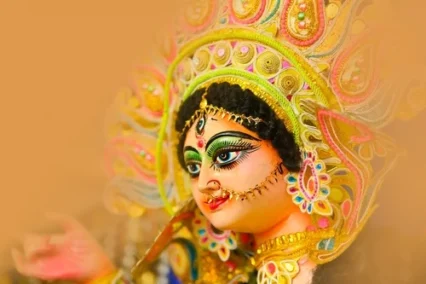
Hindu festivals are an exciting part of life in Bangladesh. You will see bright colours, music, and people enjoying big meals together. These religious festivals, like Durga Puja, bring everyone out to celebrate. Many people who are not Hindu also join the fun. Durga Puja is the biggest one, and it is a main event for the whole country.
During Durga Puja, people build large, fancy structures called pandals. Inside these, you will see beautiful idols of goddess Durga. The festival goes on for many days. At the end, people carry the idols to rivers and put them in the water. This festival, and many other Hindu festivals, make every year special.
Some of the important religious festivals are:
-
Durga Puja: This is the largest Hindu festival. It shows how goddess Durga beats what is bad and brings good to people.
-
Saraswati Puja: People celebrate the goddess who brings knowledge and art. This festival is a favourite with students.
-
Kali Puja: This is for goddess Kali. People have the main celebrations at night.
-
Janmashtami: This one marks the birthday of the god Krishna.
These are not just religious days. They let people in Bangladesh show their traditions and way of life. The Hindu festivals talk about the rich history and culture of the community.
Social and Cultural Contributions of Hindu Communities
The work of hindu communities in the country goes far beyond their festivals. For many years, they have been leading in books, music, arts, and business. A lot of top poets, musicians, and scholars in the country are from the hindu faith. They help shape what it means to be part of bengali culture.
Even though they face some challenges, and sometimes feel social isolation, community leaders from the hindu faith have always tried to support communal harmony. They take part in civil society, and they talk with other religious groups. They work together to make the country a better place for all. Their part is very important for keeping the country’s history of people living together in peace.
From the beautiful art on their temples to the taste of their food and their style in clothing, hindu communities have left a strong mark on the country. It is clear that they give a lot to bangladesh’s social life. They are a main part of the country’s identity and they help bangladesh stay open, different, and rich in many ways.
Buddhism and Other Minority Religions
Besides Islam and Hinduism, there are other religious minorities in Bangladesh. It has a large Buddhist group too. Buddhism has been in this area for a very long time. There are many old religious sites that show how deep this heritage is. Most Buddhists live in the southeast, mostly in the Chittagong Hill Tracts.
The people in these groups, along with Christians and people from other faiths, add to the diversity of the country. But like other religious minorities, they sometimes face some special challenges. Now, let’s look more at the presence of Buddhism and other faiths like Christianity in Bangladesh.
[https://yourwebsite.com]
Presence and Influence of Buddhism
Buddhism in Bangladesh mainly follows the Theravada school. It has been a part of this area for over a thousand years. Old monasteries, like the ruins at Paharpur, show how deep the roots of this faith go in the land. Today, the main place where the Buddhist community lives is the Chittagong Hill Tracts. Here, groups like the Chakma, Marma, and Tanchangya are largely Buddhist.
These people keep their own culture and religious ways. Monasteries, or viharas, are an important part of life in the village. These religious institutions are more than just places to pray. They are also places for kids to learn and for people to come together. The ideas of peace and not using violence play a strong part in the lives of these communities.
To look out for themselves and help faith groups talk to each other, these groups often work with the Bangladesh Hindu Buddhist Christian Unity Council. There are other groups too, like the buddhist christian unity council. This helps them to be heard in the whole country. It also helps them to be together with other smaller faith groups.
Other Minority Faiths: Christianity, Bahá’í, Sikhism, and More
Christianity in Bangladesh is a small community, as it makes up less than one percent of the people. But the religion has been in the country for many years. In this group, there are both Roman Catholic and many Protestant people. The Roman Catholic part is quite large. People who are Christian have given a lot of help in areas like education and health services. They run many good schools and hospitals all over the country.
The country is also home to even smaller religious minority communities. These include people who follow the Bahá’í Faith, Sikhism, and different animist beliefs—which are mostly followed by some ethnic groups. Even though there are not many people in these groups, they give even more difference to the nation’s religious life.
Here’s a short look at these communities:
-
Christianity: This group has mostly Roman Catholic and Protestant followers. They are known for their good work in both education and healthcare in the country.
-
Bahá’í Faith: The people of this faith are few, but their community is in the country. They teach everyone about unity and peace.
-
Sikhism: This is a tiny group. They have some old gurdwaras in the older places of Dhaka.
These communities might be small, but they are an important part of the country’s different religions.
Legal and Constitutional Aspects of Religion
The legal framework in the country of Bangladesh can be hard to understand when it comes to religion. The constitution says Islam is the state religion of the republic. This means Islam holds a special place. But in the same document, there are rules made to protect religious freedom for all people. Because of this, there is a balancing act between the state religion and some ideas that are not connected to religion.
The country’s laws also show this mix. People can follow their faith. At the same time, the penal code has rules that let the courts punish those who hurt the feelings, or religious sentiments, of others. To know how religion works in the country, it helps to look at both the legal framework and the laws from the constitution and the penal code.
The Constitution and Religious Freedom in Bangladesh
The Constitution of Bangladesh talks about religion in a way that shows the country’s long history and who the people are. Article 2A says that Islam is the state religion. But after that, it also says the state must give equal status and rights to people who follow Hindu, Buddhist, Christian, and other religions.
This part is made to make sure there is religious freedom for each person. Article 41 adds even more support by saying every person can believe in, follow, or share any religion. This can happen as long as it does not go against the law, public order, or morality. The constitution protects people so there is no unfair treatment based on religion and makes sure all people can go to public places and schools.
This way of naming a state religion but also giving all people equal status and religious freedom is a big part of the laws of Bangladesh. Groups from other countries, like the U.S. Department of State, often look at how well these rules and rights about religion are followed in Bangladesh.
Secularism, State Religion, and the Laws
The idea of secularism has gone through many changes in the country’s history. Back in 1972, it was one of the main points in the constitution. Later, the state made Islam the state religion, which changed things and started a lot of talk. Now, people in civil society and political parties still talk about what kind of country Bangladesh wants to be.
Major political parties, like the Awami League and the Bangladesh Nationalist Party, see the balance between state religion and secularism in different ways. This difference shapes how laws about religion get made and enforced. For example, Article 12 of the constitution is there to stop abuse of religion for political reasons and to fight division in the country.
At the same time, the penal code has rules that can be used against someone if they are seen as insulting religious beliefs. Sometimes these rules can clash with ideas about free speech and religious freedom. Reports from the government and different rights groups help us know how these laws work, and what they mean for the country’s political life and civil society.
Diversity and Coexistence
For many years, Bangladesh has been known for the mix of faiths in the area. People here often live with those from different backgrounds and share times like festivals and the small parts of daily life. The country is proud of its religious tolerance and the way people work for communal harmony.
These peaceful relationships between groups have helped to shape the country’s culture for a long time. But, even with all the good, there are still some challenges. Now, let’s look at how these groups get along and what this religious tolerance and communal harmony mean for Bangladesh as a whole.
Interreligious Relationships and Social Harmony
Building and keeping religious harmony is a choice people make in Bangladesh. Many citizens and civil society groups help with this effort. The strongest bonds between different faiths often grow in villages and towns. In these places, people see each other every day, join in celebrations, and help each other when there is need.
This feeling of social harmony is a big part of the country’s culture. Major festivals, such as Eid for Muslims, Durga Puja for Hindus, and Christmas for Christians, bring people together. In many areas, people from other groups join in these celebrations. The sharing of these traditions helps make bonds stronger and builds understanding.
But, good ties between communities can face trials, especially when there is political stress. In tough times, civil society and local community leaders do very important work. They help settle problems and open talks when needed. They keep saying that religious diversity is a strength. They want to make sure that peace wins out over those who try to divide people.
Impact of Diversity on Bangladeshi Culture
The many different faiths in Bangladesh have left a strong mark on the country’s culture. You can see this in the language that people use, what they read, their music, and the food they eat. People from many religious communities have lived in this land for hundreds of years, and this has made a style of life that is special for all who call themselves Bengali.
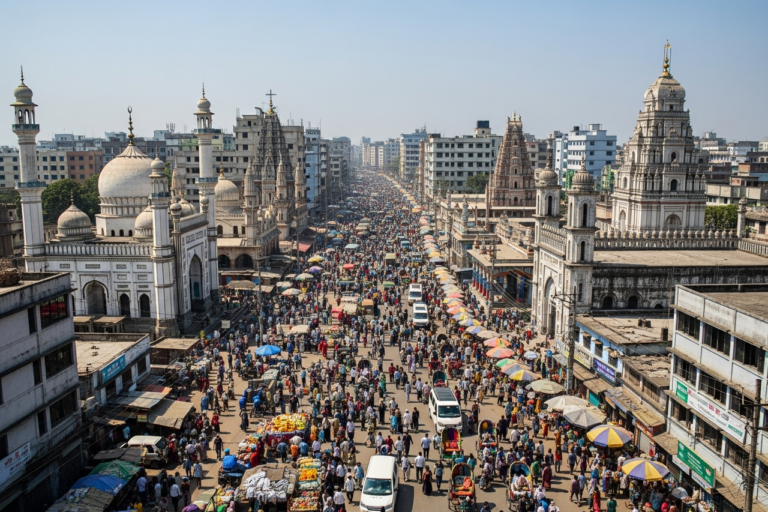
You can find this mix of culture in both urban areas and rural areas. In cities, it is normal to see a mosque, a temple, and a church close to each other. People in the countryside enjoy folk customs that blend ideas from more than one faith. The Bangladesh Hindu Buddhist Christian Unity Council works hard to support this mix and speaks up about how everyone in the country shares this past together.
The impact is clear in many ways:
-
Festivals: National holidays show celebrations from Muslim, Hindu, Buddhist, and Christian traditions.
-
Arts and Literature: The country’s books and music include thoughts and styles from different religious groups.
-
Architecture: Looking at the country’s buildings, you see mosques, temples, and old churches from the colonial years.
-
Shared Values: Even if people believe different things, most have values about family, being good to elders, and welcoming others.
Challenges Faced by Religious Minorities
Even though there is a general feeling of harmony in the country, protecting the rights of religious minorities is still not easy. People from these groups do face some discrimination, and sometimes there is religious violence against them. They also have many problems when it comes to land and property. For many years, laws like the old Vested Property Act made things harder for minority families.
Groups such as Ain o Salish Kendra do the work to collect details about these challenges. They also try to help by speaking up for the rights of religious minorities. To truly understand how people get along in Bangladesh, it is important to know about these issues.
Social Dynamics and Representation
The social life of religious minorities in Bangladesh can be complex. Some people have friendly and peaceful ties with the larger group. But there are others who face unfair treatment from both people and systems. This kind of unfairness can be quiet or very clear. It can cause people to feel left out. It sometimes makes it hard for them to get a job, go to school, or get justice. This, in turn, keeps them from taking part in all the areas of life.
The political status and how minorities are heard is another issue. There are members of these groups in parliament and government. But many feel like their words do not count much when big choices are made for the country. Because of that, it’s hard for these groups to fix long-standing problems. These can be things like safety in their areas or having fair chances in the economy.
Civil society groups have an important role here. These groups push for better political status and fair treatment. They also make sure the voices of religious minorities are heard by more people. Because of their work, society moves closer to being fair for everyone. So, no matter their faith, all people know they are safe and important.
Government Measures and Community Support
The Bangladeshi government has started to take some steps to help religious minorities with the problems they face. The government has made some changes to laws, and set up special groups to look after the good of these communities. For instance, the government is working to fix things after problems caused by the Vested Property Act, which took land from many Hindus in the past.
Community leaders have an important role. They speak up for the people and help make sure the new changes happen as they should. These leaders work with government, and sometimes with the Ministry of Foreign Affairs, if people from other countries care about what is going on. They talk about the issues and help find good answers. Groups like Ain o Salish Kendra also help with legal support and keep a record of what happens.
The government and community leaders look at these main areas:
-
Legal Reforms: Changing unfair laws and making sure the Property Act works so people can get their land back if they lost it before.
-
Security: Making places more safe for religious minorities, especially in times of religious festivals, so people are not hurt.
-
Promoting Harmony: Helping people of different faiths talk to each other and learn to live well together in their own towns.
Religion’s Role in Daily Life
In Bangladesh, religion is a big part of every day. People do not keep it just for one day in the week. Most of the time, daily life follows faith. You hear calls to prayer for Muslims many times a day. Christians may have special services each week.
Religious leaders are very respected in the community. The people listen to them for advice about life and spiritual things.
Children often get religious education from an early age. People take care of religious sites, like mosques and temples, with much care. You can see faith everywhere in daily life.
It is good to look at how people take part in religious rituals in their community. Large holidays show even more how important faith is for many people.
Religious Education and Community Rituals
Religious education has a big part in how many kids in Bangladesh grow up. For Muslim kids, this often starts early in life at maktabs. The maktabs are usually next to mosques. Here, they get to learn to read the Quran. Many kids also go to madrasas. Madrasas are special Islamic schools that teach a full list of subjects. Other faiths also have their own ways to teach their young ones about their beliefs.
Rituals in the community matter a lot in religious life and help people come together in Bangladesh. Muslim people go to prayers every Friday, called Jumu’ah. This is important for them as it lets everyone join in as a group. Hindus might do puja, or worship rituals, every day or once a week at their nearby temple. These times are not just about duty. They are great chances for everyone to talk, help each other, and make strong ties.
Religious institutions in Bangladesh are the heart of their areas, whether it is a big mosque or a small temple in a village. They are not just for worship. These places give education, offer support to those in need, and help keep old customs alive. Faith is mixed into the everyday life of the people, brought together by these institutions.
Observance of Religious Events and Holidays
In Bangladesh, the way people celebrate religious festivals and holidays is lively and seen in public. The calendar is full of these events and many of them are public holidays. At this time, families come together. People in the community also get to enjoy these celebrations as a group. The whole country takes some time to think and look back on what the day means.
Now, people even use social media like Facebook a lot during these events. On big religious holidays, you see a lot of greetings, family photos, and happy messages online. One facebook post with “Eid Mubarak” or “Shubho Durga Puja” can go to many people. It helps everyone feel good and share the joy, even with those who are not from the same background.
Here are some big religious festivals that stand out in the year:
-
Eid al-Fitr and Eid al-Adha: These two are the largest Muslim festivals. People pray, eat special food, and give to those who need help.
-
Durga Puja: This is the top Hindu festival. It goes on for a few days. There are big decorations and group walks through the streets.
-
Buddha Purnima: This is the main Buddhist festival. People remember the birth, the time when Buddha found truth, and also his last day.
-
Christmas: Christians mark this with going to church, singing carols, and being with friends and loved ones.
Conclusion
To sum up, it is important for Canadians to understand the different religions in Bangladesh. This can help people connect and talk with all the different groups in the country. Islam is the main religion, as well as Hinduism, but you will also find Buddhism and other smaller groups. These beliefs have a big effect on what people do and how they live, every day. It is good to know about the problems faced by religious minorities and see how everyone is working towards getting along better. This can lead to more respect and better ties between us. Keep in mind that learning and understanding this is a big part of getting to know the culture. If you want a more direct approach, you can always reach out for the right resources or ask for help as you learn about these rich cultural backgrounds.
Frequently Asked Questions
What resources are best for learning about religion in Bangladesh?
For official updates, the annual reports on international religious freedom by the U.S. Department of State can help. You can also get deeper ideas from academic journals and books about South Asian studies. To stay updated on religious communities in Bangladesh, follow local news and civil society groups on social media.
How can Canadians respectfully engage with religious communities in Bangladesh?
Dress in a modest way to show respect, especially at religious sites. Be open-minded and ask your questions in a polite way. When you show interest in their traditions, it helps build religious tolerance and good social feelings. Talking with community leaders also helps you learn more and show you respect the local culture.